Premium Fabric Gift Bag Manufacturer - Custom Sustainable Packaging Solutions

All Categories

Get a Free Quote

Our representative will contact you soon.
Email
Name
Company Name
Message
0/1000

fabric gift bag manufacturer

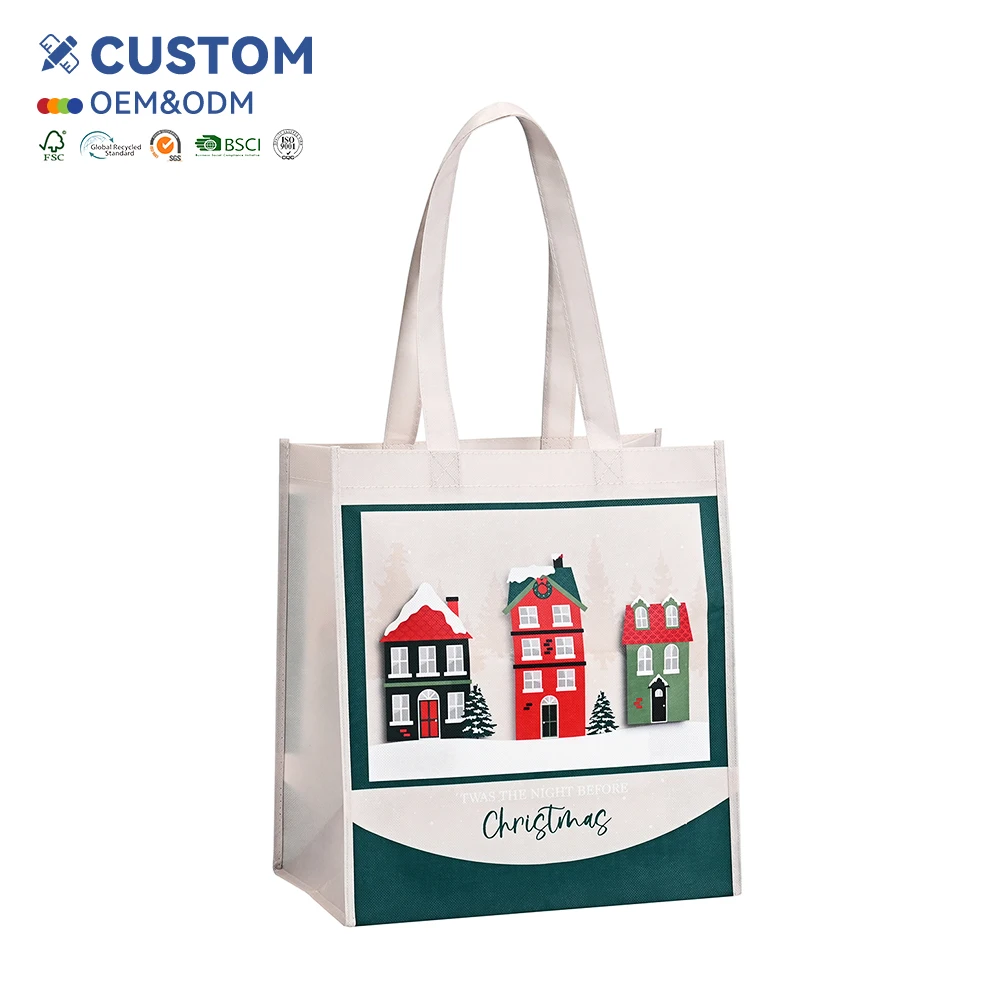
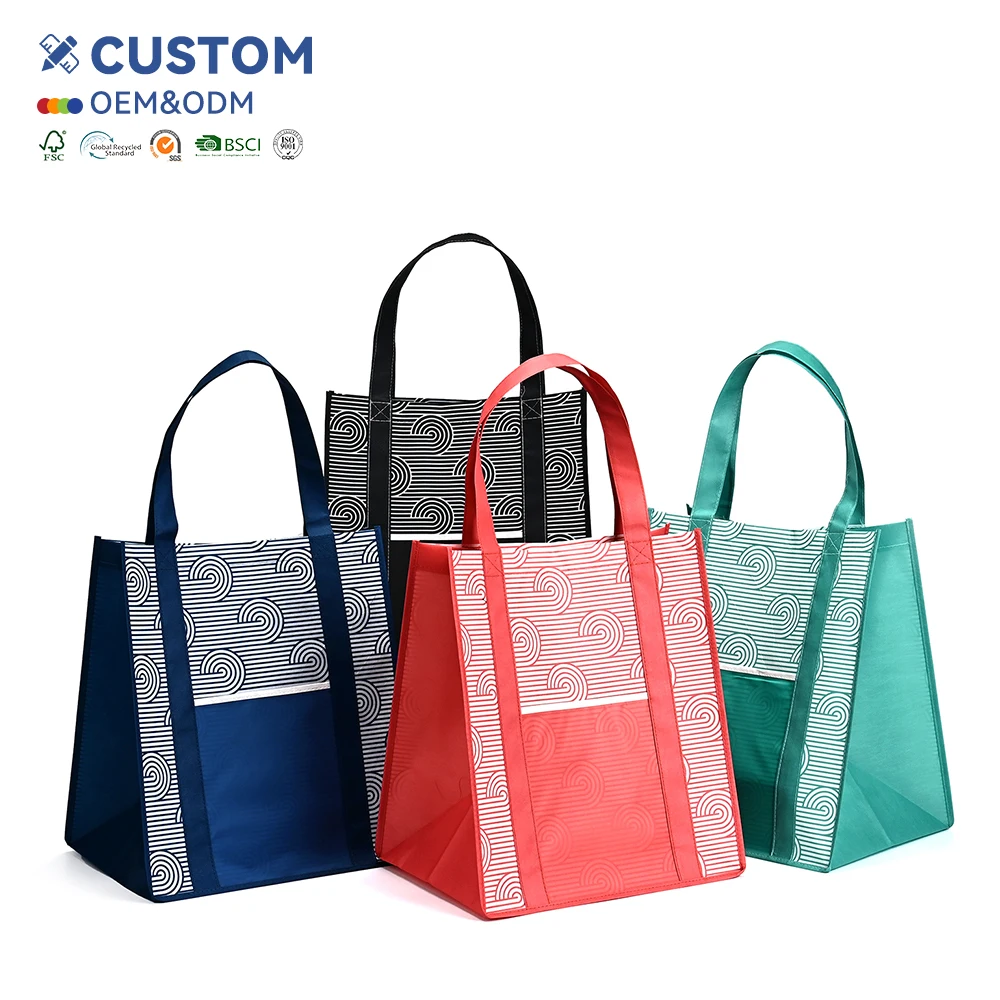
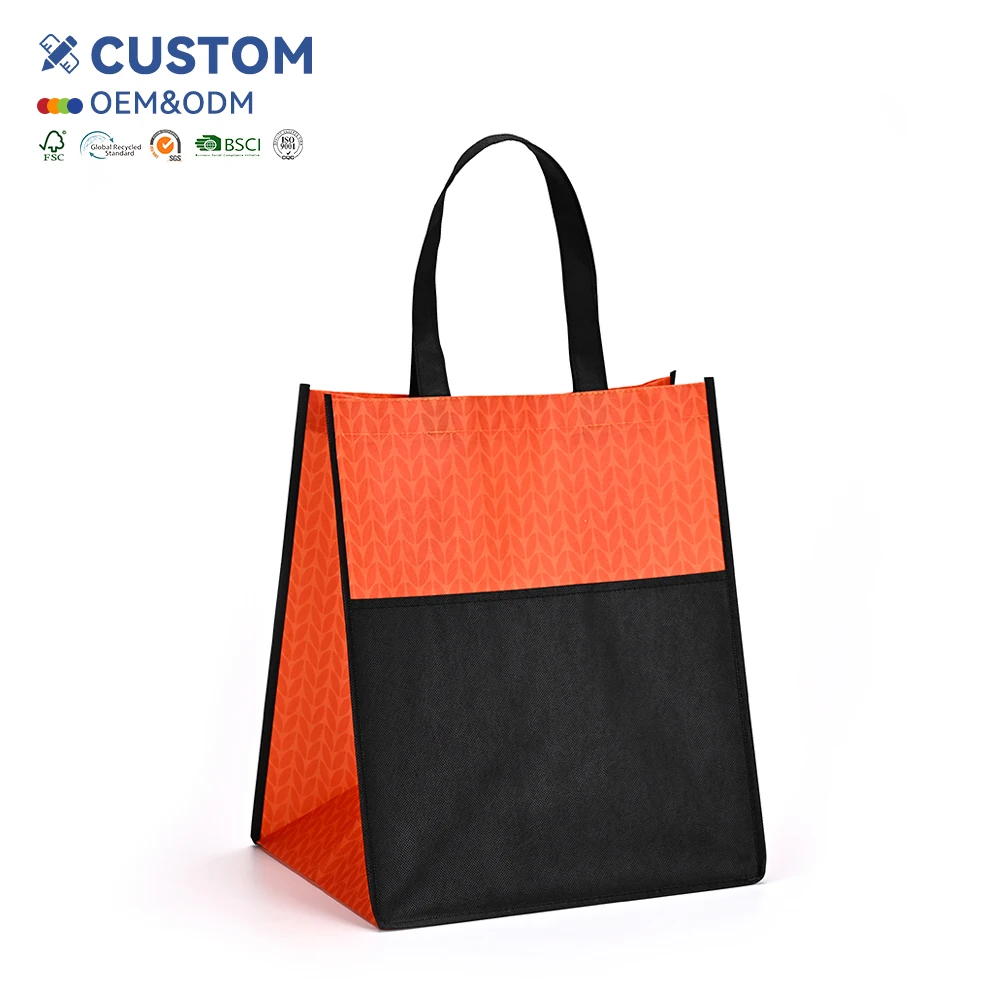
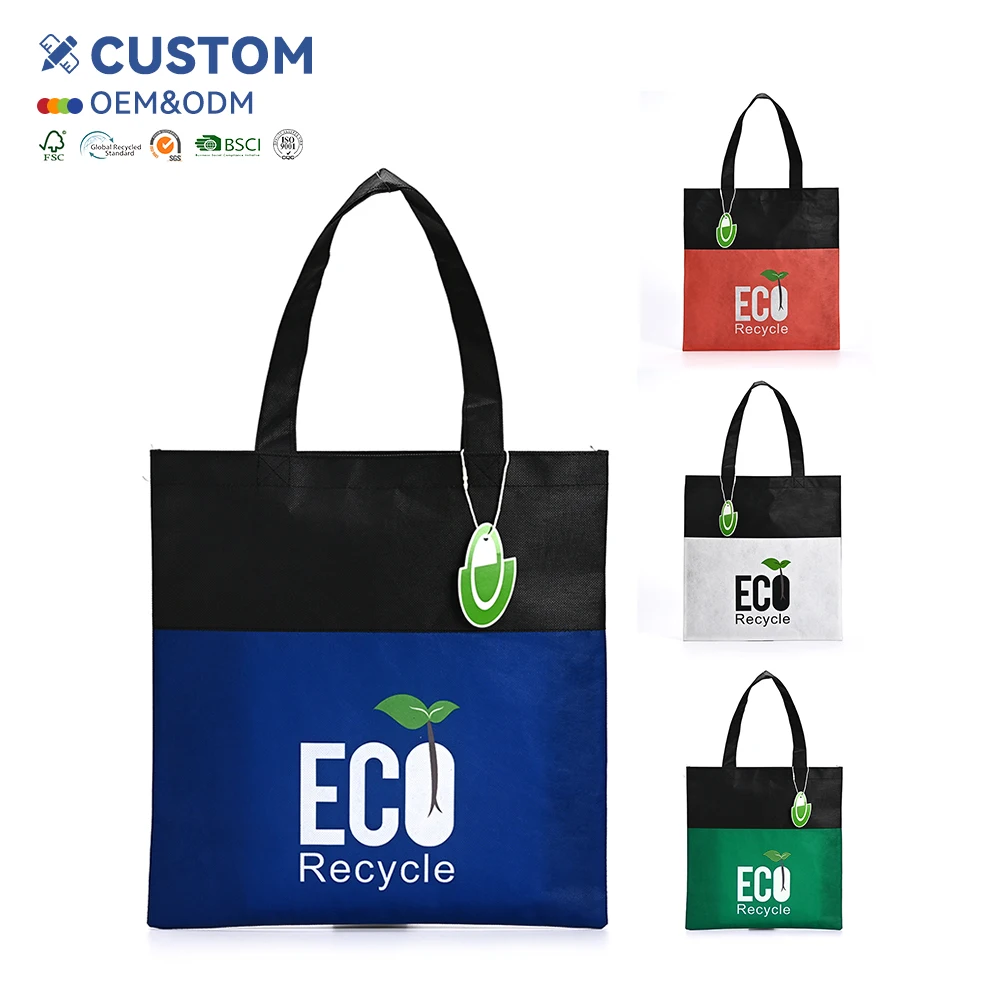
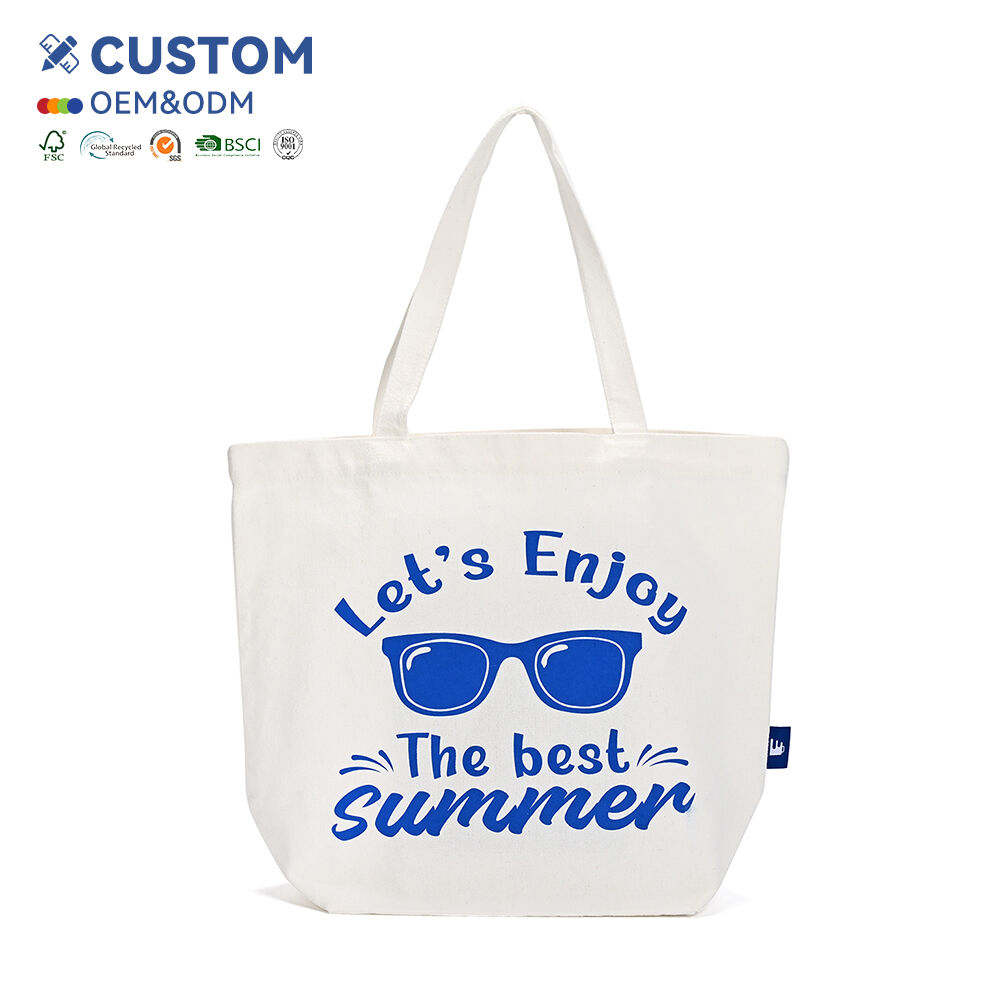
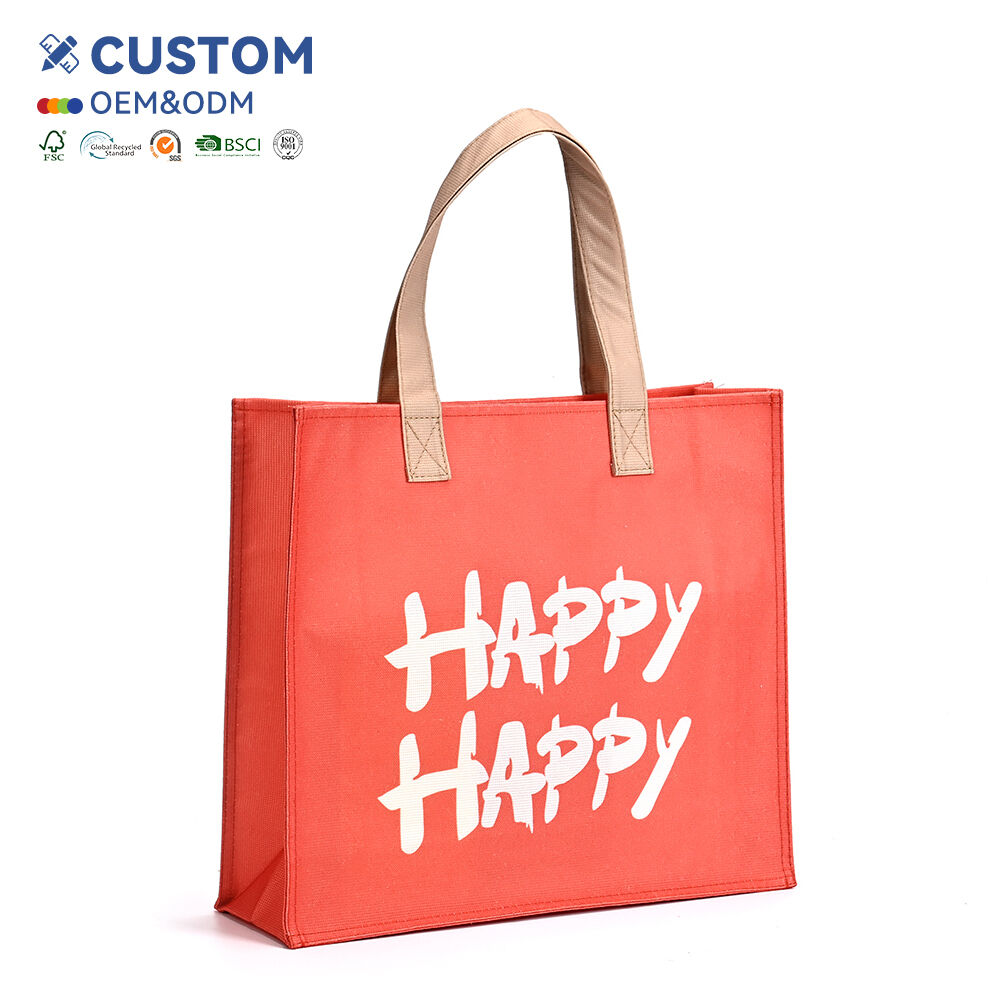
A fabric gift bag manufacturer represents a specialized production entity that designs, creates, and supplies high-quality textile-based packaging solutions for various commercial and personal applications. These manufacturers operate sophisticated production facilities equipped with advanced textile machinery, cutting-edge printing technologies, and quality control systems to deliver premium fabric gift bags that meet diverse customer requirements. The primary function of a fabric gift bag manufacturer encompasses the complete production cycle from initial design conceptualization through final product delivery. This includes material sourcing, pattern development, fabric cutting, sewing operations, finishing processes, and quality assurance testing. Modern fabric gift bag manufacturers utilize state-of-the-art computerized embroidery machines, digital printing equipment, and automated cutting systems to ensure precision and consistency across large production volumes. The technological features integrated into contemporary manufacturing processes include eco-friendly dyeing systems, heat-sealing capabilities, and multi-color printing technologies that enable vibrant, durable designs. These manufacturers typically work with various fabric types including cotton canvas, jute, linen, polyester blends, and organic materials to cater to different market segments and environmental preferences. Applications for fabric gift bags span numerous industries and occasions, from retail packaging and corporate branding to wedding favors, promotional events, and seasonal celebrations. Businesses rely on fabric gift bag manufacturers to create custom branded packaging that enhances their product presentation while demonstrating environmental responsibility. The manufacturing process incorporates sustainable practices, waste reduction strategies, and energy-efficient production methods. Quality control measures ensure that each fabric gift bag meets durability standards, color consistency requirements, and dimensional specifications. Professional fabric gift bag manufacturers maintain certifications for environmental compliance, workplace safety, and product quality standards, positioning themselves as reliable partners for businesses seeking premium packaging solutions that combine functionality with aesthetic appeal.


New Product Releases

Working with a professional fabric gift bag manufacturer offers numerous compelling benefits that directly impact your business success and customer satisfaction. First, you gain access to extensive customization capabilities that allow you to create unique packaging solutions perfectly aligned with your brand identity and marketing objectives. These manufacturers possess the technical expertise and equipment necessary to implement complex designs, incorporate multiple colors, add special finishes, and integrate functional features like drawstring closures or reinforced handles. The cost-effectiveness achieved through partnering with an established fabric gift bag manufacturer cannot be overstated, as they leverage economies of scale, bulk material purchasing power, and efficient production processes to deliver competitive pricing without compromising quality. Their established supply chains and vendor relationships enable them to source premium materials at favorable rates, passing these savings directly to customers. Quality assurance represents another significant advantage, as reputable fabric gift bag manufacturers implement rigorous testing protocols throughout the production process. This includes fabric strength testing, color fastness evaluation, seam integrity checks, and dimensional accuracy verification to ensure every product meets your specifications and performance expectations. The time savings realized through professional manufacturing partnerships prove invaluable for businesses focused on core operations rather than packaging production complexities. These manufacturers handle everything from initial design consultation through final delivery logistics, eliminating the need for internal resource allocation toward manufacturing activities. Environmental responsibility becomes achievable through collaboration with fabric gift bag manufacturers who prioritize sustainable practices, utilize eco-friendly materials, and implement waste reduction strategies throughout their operations. Many manufacturers offer organic fabric options, water-based printing inks, and recyclable packaging materials to support your sustainability initiatives. Technical support and design assistance provide additional value, as experienced manufacturers offer professional guidance on material selection, design optimization, and production feasibility to ensure your vision translates effectively into finished products. Their industry knowledge helps avoid common pitfalls and identifies opportunities for enhancement. Scalability advantages enable businesses to adjust order quantities based on seasonal demand, market fluctuations, or growth requirements without maintaining internal production capacity. Established fabric gift bag manufacturers possess the flexibility to handle both small custom orders and large-scale production runs efficiently.

Practical Tips

How Do Non Woven Bags Support Eco-Friendly Packaging Solutions?

27

Nov

How Do Non Woven Bags Support Eco-Friendly Packaging Solutions?

Sustainable packaging has become a critical concern for businesses and consumers worldwide as environmental awareness continues to grow. Companies are increasingly seeking alternatives to traditional plastic packaging that can reduce their carbon foo...
View More
How Do Tote Bags Benefit Retailers and Fashion Brands?

27

Nov

How Do Tote Bags Benefit Retailers and Fashion Brands?

In today's competitive retail landscape, businesses constantly seek innovative ways to enhance brand visibility while providing practical value to customers. The humble tote bag has emerged as one of the most versatile and effective marketing tools a...
View More
How to Maintain PP Woven Bags for Long-Term Durability?

27

Nov

How to Maintain PP Woven Bags for Long-Term Durability?

Polypropylene woven bags have become essential packaging solutions across industries worldwide, offering durability and versatility that few materials can match. While many businesses and consumers explore various eco-friendly alternatives including ...
View More
Why Are Cork Bags a Trending Alternative to Leather Bags?

27

Nov

Why Are Cork Bags a Trending Alternative to Leather Bags?

The fashion industry is experiencing a significant shift toward sustainable and eco-friendly alternatives, with consumers increasingly seeking products that align with their environmental values. Among the most notable innovations in this space is th...
View More

Get a Free Quote

Our representative will contact you soon.
Email
Name
Company Name
Message
0/1000

fabric gift bag manufacturer

Advanced Production Technology Integration

Advanced Production Technology Integration

Modern fabric gift bag manufacturers distinguish themselves through comprehensive integration of cutting-edge production technologies that revolutionize traditional manufacturing processes and deliver superior product quality. These technological capabilities encompass sophisticated computerized embroidery systems that create intricate designs with microscopic precision, ensuring consistent thread tension, perfect pattern alignment, and durable stitching that withstands repeated use. Digital printing technologies enable manufacturers to reproduce complex graphics, photographic images, and gradient color schemes directly onto fabric surfaces with exceptional clarity and vibrancy. This technology eliminates the limitations associated with traditional screen printing methods, allowing for unlimited color combinations and detailed artwork reproduction without setup cost penalties for smaller quantities. Automated cutting systems utilize laser precision and computer-controlled blade mechanisms to ensure dimensional accuracy across thousands of units while minimizing material waste through optimized pattern layouts. These systems can handle multiple fabric layers simultaneously, dramatically increasing production efficiency while maintaining consistent quality standards. Heat-sealing technologies provide manufacturers with the capability to create reinforced seams, attach handles securely, and apply decorative elements that enhance both functionality and aesthetic appeal. Quality control integration throughout the production line includes automated inspection systems that detect color variations, dimensional discrepancies, and structural defects before products reach final packaging stages. Environmental control systems maintain optimal temperature and humidity levels during production and storage phases, preventing fabric degradation and ensuring color stability over extended periods. Inventory management systems track raw materials, work-in-progress items, and finished goods through sophisticated database technologies that provide real-time visibility into production status and delivery schedules. These technological investments enable fabric gift bag manufacturers to deliver consistent quality, meet tight delivery deadlines, accommodate complex customization requirements, and provide comprehensive reporting on production metrics and quality performance indicators that demonstrate value and accountability to their customers.
Sustainable Manufacturing Practices and Environmental Responsibility

Sustainable Manufacturing Practices and Environmental Responsibility

Leading fabric gift bag manufacturers prioritize environmental stewardship through comprehensive sustainable manufacturing practices that address every aspect of the production cycle while delivering exceptional products that meet modern eco-consciousness standards. These manufacturers implement closed-loop water recycling systems that capture, treat, and reuse process water, significantly reducing environmental impact while maintaining operational efficiency. Organic and recycled material sourcing programs ensure that fabric inputs meet stringent environmental criteria, including pesticide-free cultivation methods, sustainable harvesting practices, and post-consumer waste integration. Energy efficiency initiatives encompass LED lighting systems, variable-speed motor drives, and heat recovery systems that minimize power consumption while maintaining optimal production conditions. Waste reduction strategies include fabric scrap recycling programs that convert production remnants into new products, packaging material optimization that eliminates unnecessary components, and composting systems for organic waste materials. Chemical management protocols ensure that all dyes, inks, and processing chemicals meet environmental safety standards while delivering vibrant colors and durable finishes. Many manufacturers have achieved certifications from recognized environmental organizations, demonstrating their commitment to sustainable practices through third-party verification and ongoing monitoring. Carbon footprint reduction programs focus on transportation optimization, renewable energy adoption, and supply chain efficiency improvements that collectively minimize greenhouse gas emissions throughout the manufacturing process. Worker safety and community responsibility initiatives create positive working conditions while supporting local economic development through fair employment practices and community investment programs. These sustainable practices resonate strongly with environmentally conscious consumers who increasingly prioritize eco-friendly packaging options. Manufacturers provide detailed environmental impact reporting that quantifies resource conservation, waste reduction achievements, and carbon footprint improvements, enabling customers to communicate their environmental responsibility to stakeholders effectively. The integration of sustainability into manufacturing operations creates long-term value for both manufacturers and customers by reducing operational costs, enhancing brand reputation, and supporting compliance with evolving environmental regulations and corporate sustainability mandates.
Comprehensive Customization and Design Flexibility

Comprehensive Customization and Design Flexibility

Professional fabric gift bag manufacturers excel in providing comprehensive customization capabilities that transform standard packaging into powerful marketing tools and memorable brand experiences through unlimited design possibilities and flexible production approaches. Their design teams collaborate closely with customers to understand brand guidelines, target audience preferences, and specific functional requirements, translating these insights into compelling visual concepts that effectively communicate brand messages while maintaining practical functionality. Advanced design software enables manufacturers to create detailed mockups, color renderings, and three-dimensional visualizations that provide customers with accurate previews before production begins, eliminating guesswork and ensuring complete satisfaction with final products. Material selection flexibility encompasses an extensive range of fabric options including organic cotton, bamboo fiber, hemp blends, recycled polyester, and specialty textiles that cater to diverse brand positioning strategies and environmental considerations. These manufacturers maintain comprehensive color libraries featuring hundreds of standard options plus custom color matching services that ensure perfect brand color reproduction across all packaging elements. Printing technique diversity includes screen printing, digital printing, heat transfer, embroidery, and foil stamping options that accommodate different design complexities, quantity requirements, and budget considerations while maintaining exceptional quality standards. Structural customization capabilities enable manufacturers to modify bag dimensions, handle configurations, closure mechanisms, and interior features to meet specific functional requirements and enhance user experience. Special finishing options such as lamination, UV coating, metallic accents, and textural treatments add premium appeal and tactile interest that differentiates products in competitive markets. Size flexibility ranges from small jewelry pouches to large tote bags, with manufacturers capable of producing virtually any dimension within practical limits. Handle options include rope, ribbon, fabric, and leather varieties in multiple colors and configurations. Interior customization features dividers, pockets, and organizational elements that add functional value. Production flexibility accommodates both prototype development for market testing and large-scale production runs for established products, with manufacturers providing guidance on optimal quantity breaks and cost-effective production scheduling that aligns with marketing campaigns and seasonal demand patterns while ensuring consistent quality and timely delivery.

Get a Free Quote

Our representative will contact you soon.
Email
Name
Company Name
Message
0/1000