
 EN
EN
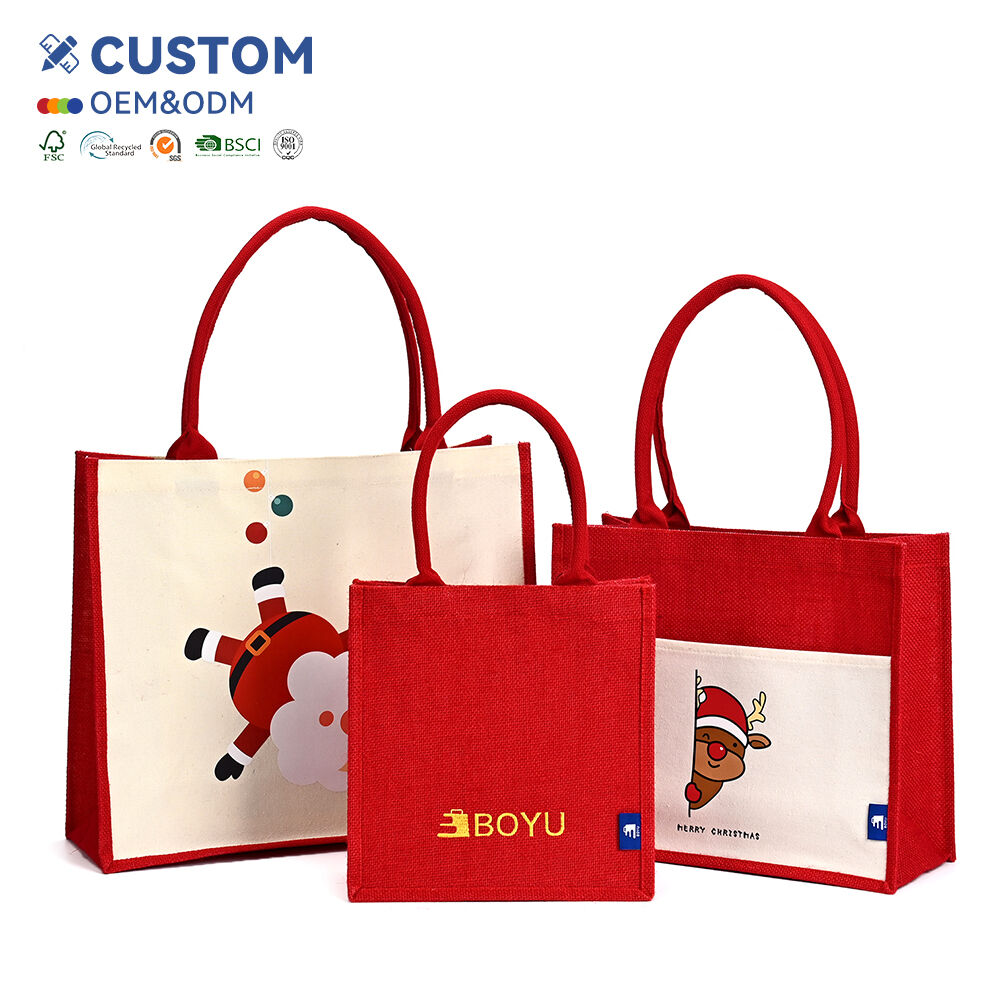
Sustainable shopping solutions have gained tremendous popularity in recent years, with environmentally conscious consumers seeking alternatives to plastic bags. Among these eco-friendly options, the jute bag stands out as a durable, biodegradable, and versatile choice for everyday use. However, to maximize the lifespan of these natural fiber bags, proper maintenance and care are essential. Understanding how to preserve the integrity of your jute bag will ensure it serves you well for years while maintaining its aesthetic appeal and functional strength.

The natural properties of jute fibers make these bags inherently sturdy, yet they require specific care techniques to prevent deterioration. Unlike synthetic materials, jute responds differently to various environmental factors such as moisture, sunlight, and handling practices. By implementing proper maintenance routines, users can significantly extend the functional life of their bags while preserving their natural beauty and structural integrity.
Understanding Jute Fiber Characteristics
Natural Properties of Jute Material
Jute fibers possess unique characteristics that directly influence how these bags should be maintained. The natural cellulose structure of jute provides excellent tensile strength when dry, but becomes more vulnerable when exposed to excessive moisture. These golden fibers contain lignin and hemicellulose, which contribute to their durability but also make them susceptible to degradation under certain conditions. Understanding these inherent properties helps users develop appropriate care strategies.
The hygroscopic nature of jute means it naturally absorbs and releases moisture from the surrounding environment. This characteristic can be beneficial for maintaining flexibility, but excessive moisture exposure can lead to weakening of the fiber structure. Additionally, jute fibers have a natural waxy coating that provides some water resistance, though this protection diminishes over time with repeated use and washing.
Environmental Factors Affecting Durability
Several environmental elements significantly impact the longevity of jute bags. Ultraviolet radiation from direct sunlight can cause fiber degradation, leading to brittleness and color fading over extended exposure periods. High humidity environments may promote mold and mildew growth, while extremely dry conditions can make the fibers brittle and prone to breaking.
Temperature fluctuations also play a crucial role in jute bag maintenance. Extreme heat can cause the natural oils in the fibers to evaporate, reducing flexibility and increasing the likelihood of cracking. Conversely, very cold temperatures can make the material stiff and more susceptible to damage during handling. Recognizing these environmental impacts allows users to make informed decisions about storage and usage conditions.
Proper Cleaning Techniques
Daily Maintenance Practices
Regular maintenance is the cornerstone of extending your jute bag lifespan. After each use, gently shake out any debris or crumbs that may have accumulated inside the bag. This simple practice prevents particles from grinding against the fibers during storage, which could cause premature wear. For light soiling, use a soft-bristled brush to gently remove surface dirt without damaging the fiber structure.
Spot cleaning is often sufficient for minor stains and prevents the need for full washing, which can stress the fibers. Use a damp cloth with mild soap to gently dab at stains, avoiding rubbing motions that could damage the weave. Allow the cleaned area to air dry completely before storing the bag to prevent moisture-related issues such as odor development or fiber weakening.
Deep Cleaning Methods
When thorough cleaning becomes necessary, hand washing is generally the safest approach for jute bags. Fill a basin with lukewarm water and add a small amount of mild, natural detergent. Avoid harsh chemicals, bleach, or fabric softeners that can break down the natural fibers or leave residues that attract dirt. Gently agitate the water to create suds before submerging the bag.
During the washing process, handle the bag gently to avoid stretching or distorting its shape. Rinse thoroughly with clean water to remove all soap residue, which can accumulate and cause stiffness or discoloration over time. Machine washing should be avoided unless specifically recommended by the manufacturer, as the agitation and spin cycles can cause significant damage to the fiber structure and seams.
Storage Solutions for Maximum Longevity
Optimal Storage Conditions
Proper storage plays a vital role in maintaining the structural integrity of jute bags during periods of non-use. Choose storage locations that maintain consistent temperature and humidity levels, avoiding areas prone to extreme fluctuations such as attics, basements, or near heating vents. The ideal storage environment should be cool, dry, and well-ventilated to prevent moisture accumulation and pest intrusion.
Before storing, ensure the bag is completely clean and thoroughly dry. Any residual moisture can lead to mold growth, unpleasant odors, and fiber deterioration during storage. Fold the bag loosely rather than creating sharp creases that could weaken the fibers at stress points. If space permits, hanging the bag on a hook or peg helps maintain its shape while allowing air circulation around all surfaces.
Protection from Pests and Contaminants
Natural fibers like jute can attract various pests, including moths, silverfish, and rodents that may view the material as a food source or nesting material. Use natural deterrents such as cedar blocks, lavender sachets, or bay leaves placed near stored bags to discourage pest activity without introducing harmful chemicals. Regularly inspect stored bags for signs of pest damage or infestation.
Consider using breathable storage containers or cloth bags to provide an additional barrier against dust and pests while maintaining air circulation. Avoid plastic bags or airtight containers that can trap moisture and create conditions favorable for mold growth. Periodic rotation of stored items and occasional airing can help maintain freshness and identify any developing issues early.
Handling and Usage Best Practices
Weight Distribution Techniques
Proper loading and carrying techniques significantly impact the lifespan of jute bags. Distribute weight evenly across the bag's bottom to prevent stress concentration on specific areas that could lead to tearing or handle failure. Avoid overloading beyond the bag's recommended capacity, as excessive weight can strain the fiber weave and weaken seam construction over time.
When carrying heavy items, use both handles to distribute the load across your body and reduce stress on individual handle attachment points. Sharp or pointed objects should be wrapped or cushioned to prevent puncturing the bag material. Consider using internal organizers or smaller bags to compartmentalize items and prevent them from shifting during transport, which can cause uneven stress distribution.
Surface Protection Strategies
Protecting the bag's exterior surface from abrasion and contamination extends its usable life significantly. When placing the bag on rough surfaces, use a protective barrier such as a towel or mat to prevent direct contact with abrasive materials. Be mindful of sharp edges, rough textures, and potentially staining substances that could damage or discolor the natural fibers.
Regular inspection of high-wear areas such as handles, bottom corners, and seams allows for early detection of potential problems. Addressing minor issues promptly through reinforcement or repair can prevent them from developing into major structural failures that could compromise the entire bag's integrity.
Repair and Reinforcement Methods
Minor Repair Techniques
Small tears or loose threads can often be repaired using simple techniques that extend the bag's functional life. For minor tears, use a needle and natural fiber thread that matches the bag's color to create small, tight stitches that secure the damaged area. Work from the inside of the bag when possible to maintain the exterior appearance while providing structural support.
Loose handles can be reinforced by adding additional stitching at attachment points or by sewing fabric patches over stress areas. Use heavy-duty thread and create multiple rows of stitching to distribute stress across a wider area. These preventive repairs are much more effective when performed early, before minor issues develop into major structural problems.
Professional Restoration Options
For valuable or extensively damaged bags, professional restoration services may be worthwhile. Experienced textile repair specialists can assess the overall condition and recommend appropriate restoration techniques that preserve the bag's original character while addressing structural issues. This option is particularly valuable for custom or designer jute bags with sentimental or commercial value.
Professional services may include reweaving damaged sections, replacing worn handles, reinforcing stress points, and treating stains or discoloration using specialized techniques. While this approach involves additional cost, it can be economical for high-quality bags that would be expensive to replace and environmentally beneficial by extending product lifecycles.
Seasonal Maintenance Considerations
Summer Care Requirements
Hot summer months present specific challenges for jute bag maintenance due to increased UV exposure and higher temperatures. During this season, limit direct sunlight exposure by storing bags in shaded areas and avoiding leaving them in hot vehicles where temperatures can reach damaging levels. The natural oils in jute fibers can become more volatile in heat, potentially leading to brittleness if the bag becomes overheated.
Increased outdoor activity during summer may expose bags to more diverse contaminants such as sand, sunscreen, and food spills. More frequent cleaning may be necessary, but be cautious about over-washing, which can weaken the fibers. Focus on spot cleaning and thorough drying to maintain cleanliness without subjecting the entire bag to unnecessary stress.
Winter Protection Measures
Cold weather conditions require different maintenance approaches to preserve jute bag integrity. Low temperatures can make natural fibers more brittle and susceptible to cracking, especially when the material becomes damp from snow or rain. Allow wet bags to dry gradually at room temperature rather than using direct heat sources that could cause rapid moisture loss and fiber damage.
Winter storage in heated indoor environments can also present challenges due to low humidity conditions that may cause the fibers to become overly dry. Consider using a humidifier in storage areas or placing a small bowl of water nearby to maintain appropriate moisture levels. This prevents the fibers from becoming too brittle while avoiding the opposite extreme of excessive moisture.
FAQ
How often should I clean my jute bag
The frequency of cleaning depends on usage patterns and exposure to contaminants. For regular shopping use, spot cleaning after each use and thorough cleaning monthly is typically sufficient. Heavy-duty applications or exposure to significant soiling may require more frequent cleaning, but avoid over-washing as this can weaken the natural fibers and reduce the bag's lifespan.
Can jute bags be machine washed safely
Machine washing is generally not recommended for jute bags as the agitation and spinning action can cause fiber damage, shape distortion, and seam failure. Hand washing with mild detergent in lukewarm water is the safest cleaning method. If machine washing is absolutely necessary, use the gentlest cycle available, cold water, and remove the bag before the spin cycle begins.
What should I do if my jute bag develops an odor
Odors in jute bags usually result from moisture retention or bacterial growth. First, ensure the bag is completely dry, then air it in a well-ventilated area away from direct sunlight. For persistent odors, sprinkle baking soda inside the bag, let it sit overnight, then shake or vacuum it out. Severe odor issues may require gentle washing followed by thorough drying.
How can I prevent my jute bag handles from breaking
Handle longevity depends on proper weight distribution and avoiding overloading. Always use both handles when carrying heavy items, and regularly inspect handle attachment points for signs of wear or loose stitching. Reinforce weak areas promptly with additional stitching, and consider adding fabric patches to high-stress areas before problems develop. Avoid carrying items that exceed the bag's weight capacity, as this puts excessive strain on the handle attachment points.