
 EN
EN

In today's environmentally conscious marketplace, businesses and consumers are increasingly seeking sustainable packaging solutions that combine functionality with aesthetic appeal. The jute bag has emerged as a premier choice for those looking to reduce their environmental footprint while maintaining a sophisticated and professional image. These natural fiber carriers represent a perfect intersection of ecological responsibility and contemporary style, offering durability that surpasses many synthetic alternatives while contributing to a circular economy that benefits both businesses and the planet.
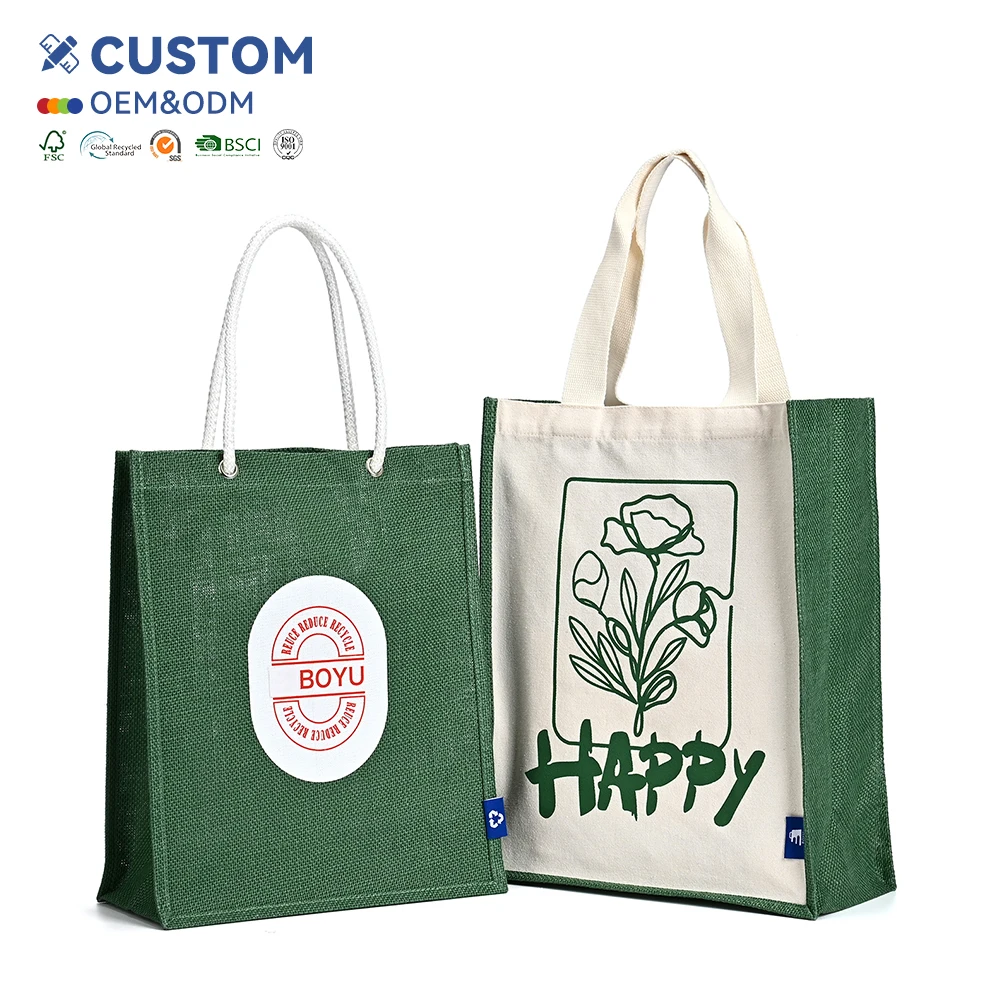
The growing demand for sustainable packaging has positioned jute bags at the forefront of eco-friendly retail solutions. These versatile carriers offer companies an opportunity to demonstrate their commitment to environmental stewardship while providing customers with practical, reusable packaging that extends far beyond the initial purchase. As consumers become more discerning about the environmental impact of their purchasing decisions, businesses that embrace jute bag solutions often find themselves gaining competitive advantages in increasingly crowded marketplaces.
Environmental Benefits of Jute Bag Solutions
Biodegradability and Natural Decomposition
The fundamental environmental advantage of any jute bag lies in its complete biodegradability, making it one of the most environmentally responsible packaging choices available today. Unlike plastic bags that can persist in landfills for hundreds of years, jute fibers naturally decompose within months when exposed to soil conditions. This rapid breakdown process returns valuable nutrients to the earth, creating a positive environmental cycle that supports soil health and reduces long-term waste accumulation in ecosystems worldwide.
The natural decomposition process of jute bags occurs without releasing harmful chemicals or microplastics into the environment. This characteristic makes jute an ideal choice for businesses committed to reducing their environmental impact throughout the entire product lifecycle. When a jute bag reaches the end of its useful life, it can be composted in home gardens or commercial composting facilities, where it contributes organic matter that enriches soil composition and supports healthy plant growth.
Carbon Footprint Reduction
Manufacturing processes for jute bags typically generate significantly lower carbon emissions compared to synthetic alternatives, particularly when considering the entire production chain from raw material cultivation to final product delivery. Jute plants naturally absorb substantial amounts of carbon dioxide during their growth cycle, effectively sequestering carbon from the atmosphere and contributing to climate change mitigation efforts. This carbon absorption capability means that every jute bag represents a net positive environmental impact during its creation phase.
The cultivation of jute requires minimal chemical inputs and synthetic fertilizers, reducing the overall environmental burden associated with agricultural production. Jute plants thrive in natural rainfall conditions and require less intensive farming practices compared to cotton or other fiber crops. This reduced agricultural intensity translates to lower energy consumption, decreased water usage, and minimal soil degradation, making jute bag production a genuinely sustainable choice for environmentally conscious businesses and consumers.
Style and Design Versatility
Contemporary Aesthetic Appeal
Modern jute bag designs have evolved far beyond basic burlap sacks to encompass sophisticated styling that appeals to contemporary fashion sensibilities and professional branding requirements. The natural texture and warm coloration of jute fibers provide an organic foundation that complements both casual and formal aesthetic preferences. Designers increasingly recognize that jute bag materials offer unique visual properties that cannot be replicated with synthetic materials, creating distinctive packaging solutions that stand out in competitive retail environments.
The inherent versatility of jute allows for extensive customization options, including screen printing, embroidery, and digital printing techniques that produce vibrant, long-lasting graphics and branding elements. Many companies discover that jute bag customization capabilities exceed those of paper or plastic alternatives, enabling sophisticated branding strategies that enhance customer engagement and brand recognition. The natural fiber structure of jute provides excellent ink absorption and color retention, ensuring that custom designs remain vibrant throughout extended use periods.
Professional Branding Opportunities
Corporate branding strategies increasingly recognize jute bags as premium promotional vehicles that convey environmental responsibility while maintaining professional appearance standards. The substantial surface area available on jute bag designs provides ample space for logos, messaging, and contact information, creating mobile advertising platforms that extend brand visibility far beyond initial purchase interactions. Professional service firms, retail establishments, and corporate organizations find that jute bag branding creates positive associations with sustainability and quality consciousness.
The durability of jute bag construction ensures that branded messaging remains visible and legible throughout extended use cycles, maximizing return on promotional investment compared to disposable packaging alternatives. High-quality jute bag materials resist fading, tearing, and general wear, maintaining professional appearance standards that reflect positively on associated brands. This longevity characteristic makes jute bags particularly valuable for companies seeking to build long-term brand recognition and customer loyalty through practical, everyday items.
Practical Applications and Functionality
Retail and Commercial Use
Retail establishments across diverse industries have discovered that jute bag solutions provide superior functionality compared to traditional paper or plastic alternatives, particularly for customers carrying heavier or bulkier purchases. The inherent strength of jute fibers enables these bags to support substantial weight loads without tearing or structural failure, making them ideal for grocery stores, bookshops, hardware suppliers, and specialty retail environments where durability requirements exceed standard packaging capabilities.
The spacious interior capacity of most jute bag designs accommodates various product configurations, from multiple small items to larger singular purchases, providing versatility that enhances customer convenience and satisfaction. Retailers often observe that customers who receive jute bag packaging are more likely to return for future purchases, partly due to the positive environmental associations and practical utility that these bags provide. The reusable nature of jute bags also creates ongoing brand exposure as customers continue using them for various purposes beyond initial retail transactions.
Event and Promotional Applications
Conference organizers, trade show coordinators, and event planners increasingly specify jute bag solutions for attendee welcome packages, recognizing that these sustainable carriers align with contemporary environmental expectations while providing practical value that extends far beyond event duration. The professional appearance and customization capabilities of jute bags make them ideal for containing promotional materials, documentation, and branded merchandise, creating cohesive presentation packages that enhance overall event experiences.
The durability characteristics of jute bag construction ensure that event materials remain protected and organized throughout extended conference schedules or multi-day trade show activities. Attendees appreciate receiving functional items that continue providing utility long after events conclude, creating positive associations with organizing companies and event sponsors. Many organizations discover that jute bag promotional strategies generate higher engagement levels and more favorable brand recall compared to traditional disposable promotional materials.
Economic Advantages and Cost-Effectiveness
Long-Term Value Proposition
While initial investment costs for jute bag procurement may exceed those of disposable alternatives, comprehensive cost analysis reveals significant long-term economic advantages that benefit both businesses and consumers. The extended lifespan of quality jute bag construction means that single units provide packaging solutions for hundreds of uses, dramatically reducing per-use costs compared to single-use paper or plastic alternatives. This durability factor makes jute bags particularly economical for businesses with regular packaging needs or customers who frequently require carrying solutions.
The reusable nature of jute bags eliminates ongoing packaging supply costs for businesses that encourage customer bag reuse through incentive programs or environmental initiatives. Many retail establishments implement jute bag programs that reduce their overall packaging expenses while simultaneously enhancing their environmental credentials and customer satisfaction levels. These programs often generate additional revenue streams through premium jute bag sales while building customer loyalty and positive brand associations.
Supply Chain Efficiency
Jute bag manufacturing typically involves shorter, more sustainable supply chains compared to synthetic alternatives, particularly when sourcing from regions where jute cultivation occurs naturally. This geographic concentration reduces transportation costs and environmental impacts while supporting agricultural communities that depend on jute production for economic stability. Businesses that prioritize supply chain sustainability often find that jute bag sourcing aligns with broader corporate social responsibility objectives and stakeholder expectations.
The standardized manufacturing processes for jute bag production enable reliable quality control and consistent delivery schedules that support efficient inventory management and customer service standards. Many suppliers offer flexible ordering quantities and customization options that accommodate both small business needs and large-scale corporate requirements. This scalability makes jute bag solutions accessible to organizations of various sizes while maintaining cost-effectiveness and quality consistency across different order volumes.
Manufacturing and Quality Considerations
Production Standards and Durability
Contemporary jute bag manufacturing incorporates advanced production techniques that enhance traditional fiber processing methods, resulting in products that exceed historical durability and aesthetic standards. Modern jute bag production facilities utilize controlled weaving processes, quality fiber selection, and precision finishing techniques that create consistent, high-quality products suitable for demanding commercial applications. These manufacturing improvements ensure that jute bags meet contemporary expectations for functionality, appearance, and longevity.
Quality control measures in professional jute bag manufacturing include strength testing, dimensional accuracy verification, and finish consistency evaluation that guarantee products meet specified performance criteria. Leading manufacturers implement comprehensive quality assurance protocols that monitor every production stage, from raw fiber processing through final packaging, ensuring that delivered products consistently meet or exceed customer expectations. This quality focus has transformed jute bag perception from basic utility items to premium packaging solutions suitable for sophisticated commercial applications.
Customization and Personalization Options
Advanced manufacturing capabilities enable extensive jute bag customization options that accommodate specific branding requirements, functional modifications, and aesthetic preferences across diverse industry applications. Custom sizing options allow businesses to specify dimensions that optimize their particular product packaging needs, while specialized handle configurations, closure systems, and reinforcement elements can be incorporated to enhance functionality for specific use cases. These customization capabilities ensure that jute bag solutions can be tailored to meet precise operational requirements.
Printing and decoration technologies for jute bag customization include traditional screen printing, digital printing, embroidery, and heat transfer applications that produce durable, attractive branding elements. Professional decoration services can reproduce complex logos, detailed graphics, and multiple color schemes with precision and clarity that maintains visual impact throughout extended use periods. The natural fiber structure of jute provides excellent printing surfaces that accept various ink types and decoration techniques, enabling sophisticated branding presentations that enhance professional image and marketing effectiveness.
FAQ
How long do jute bags typically last with regular use?
High-quality jute bags can withstand several years of regular use when properly maintained, with many users reporting functional lifespans exceeding five years for bags used multiple times weekly. The natural durability of jute fibers, combined with professional manufacturing techniques, creates products that resist tearing, stretching, and general wear under normal use conditions. Proper care, including occasional cleaning and avoiding excessive moisture exposure, can significantly extend jute bag lifespan and maintain appearance quality.
Can jute bags be washed and cleaned safely?
Most jute bags can be cleaned using gentle hand washing techniques with mild soap and cool water, though specific care instructions may vary depending on decoration methods and manufacturing specifications. Air drying is recommended to prevent shrinkage and maintain shape integrity, while avoiding direct sunlight exposure that might cause color fading. Many manufacturers provide specific care instructions that optimize cleaning effectiveness while preserving bag quality and appearance throughout extended use periods.
Are jute bags suitable for heavy-duty commercial applications?
Professional-grade jute bags are specifically designed to handle substantial weight loads and demanding commercial use requirements, with many products capable of supporting 20-30 pounds or more without structural compromise. Reinforced stitching, double-layer construction, and strengthened handle attachments enhance load-bearing capacity for commercial applications. Businesses requiring heavy-duty packaging solutions often find that quality jute bags exceed performance expectations while providing environmental benefits that align with corporate sustainability objectives.
What customization options are available for business branding?
Jute bag customization options include screen printing, embroidery, digital printing, heat transfer applications, and specialty decoration techniques that accommodate various branding requirements and aesthetic preferences. Custom sizing, handle configurations, closure systems, and color options enable businesses to create unique packaging solutions that align with specific operational needs and brand identity requirements. Professional customization services typically offer design consultation, proof approval processes, and quality guarantees that ensure final products meet exact specifications and expectations.