
 EN
EN
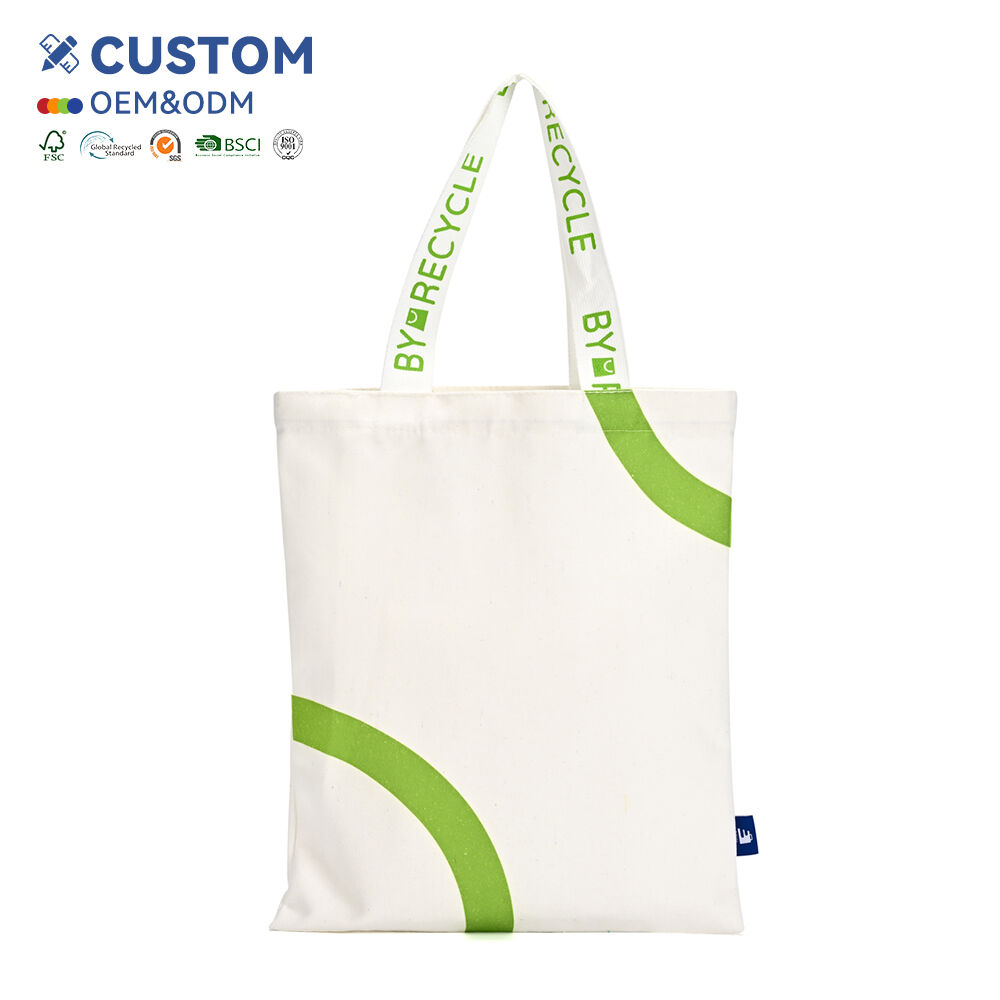
Modern cooler bags have revolutionized the way professionals and consumers approach portable temperature-controlled storage, delivering unprecedented improvements in both energy efficiency and portability through innovative design and advanced materials. These sophisticated cooling solutions integrate high-performance insulation systems with lightweight construction methodologies, enabling users to maintain optimal temperatures for extended periods without relying on external power sources or compromising on mobility. The evolution from traditional rigid coolers to modern flexible cooling systems represents a significant advancement in thermal management technology, particularly when considering how contemporary canvas bag designs incorporate cutting-edge insulation materials and ergonomic features that maximize cooling performance while minimizing weight and bulk.
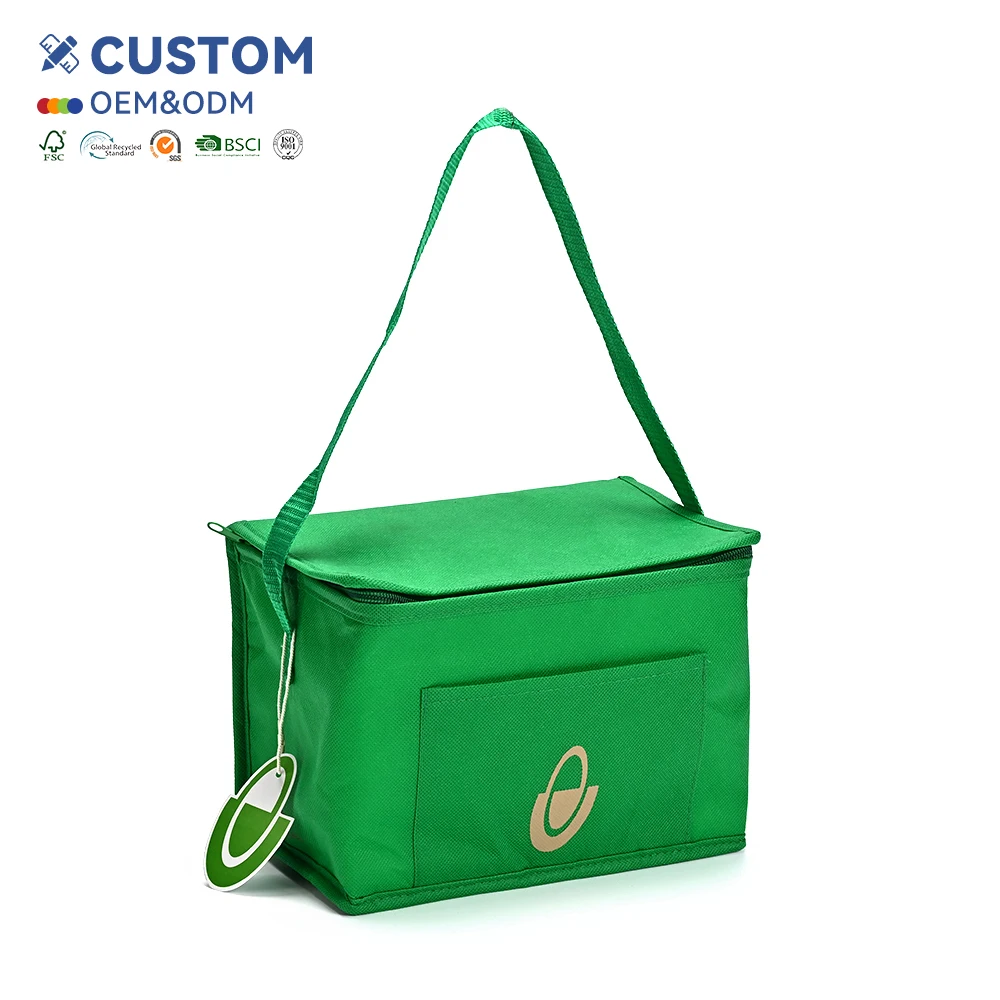
The dual focus on energy efficiency and portability in modern cooler bag design stems from growing consumer demands for sustainable, convenient cooling solutions that can adapt to diverse usage scenarios while maintaining superior thermal performance. Contemporary canvas bag manufacturers have responded to these market demands by developing innovative insulation technologies, implementing strategic material selections, and optimizing structural designs that deliver measurable improvements in both energy conservation and user mobility. Understanding the specific mechanisms through which modern cooler bags achieve these performance enhancements provides valuable insights for professionals selecting optimal cooling solutions for their specific applications, whether for commercial food service, medical transport, outdoor recreation, or industrial temperature-sensitive logistics.
Advanced Insulation Technologies in Modern Cooler Bags
Multi-Layer Thermal Barrier Systems
Modern cooler bags incorporate sophisticated multi-layer insulation systems that create highly effective thermal barriers, significantly reducing heat transfer rates and improving overall energy efficiency compared to traditional single-layer designs. These advanced insulation configurations typically feature a combination of reflective aluminum layers, closed-cell foam materials, and specialized air gap chambers that work synergistically to minimize conductive, convective, and radiant heat transfer. The canvas bag construction allows for precise integration of these multiple insulation layers while maintaining flexibility and durability, enabling manufacturers to achieve superior thermal performance without sacrificing the portability advantages that make flexible coolers attractive to users across various industries and applications.
The strategic layering approach employed in contemporary cooler bag design creates multiple thermal resistance zones that effectively slow temperature equalization between the internal storage environment and external ambient conditions. Advanced canvas bag manufacturers utilize computer-aided thermal modeling to optimize layer thickness, material selection, and positioning within the bag structure, ensuring maximum insulation efficiency while minimizing overall weight and bulk. This scientific approach to insulation design results in cooler bags that can maintain temperature differentials of 40-50 degrees Fahrenheit for extended periods, dramatically reducing the need for ice replacement or external cooling supplements and thereby improving overall energy efficiency in temperature-controlled storage applications.
Phase Change Material Integration
Cutting-edge cooler bag designs increasingly incorporate phase change materials (PCMs) that provide consistent, long-duration cooling without requiring traditional ice or gel packs, representing a significant advancement in energy-efficient portable cooling technology. These specialized materials absorb and release thermal energy during phase transitions, maintaining stable temperatures for extended periods while adding minimal weight to the overall canvas bag assembly. The integration of PCM technology allows modern cooler bags to achieve superior temperature stability and extended cooling duration compared to conventional ice-based systems, eliminating the mess and inconvenience associated with melting ice while providing more predictable and controllable cooling performance.
The implementation of phase change materials in canvas bag cooler construction requires sophisticated engineering to ensure proper material containment, optimal heat transfer characteristics, and long-term durability under repeated thermal cycling conditions. Advanced PCM systems can be precisely formulated to maintain specific temperature ranges, allowing users to select cooler bags optimized for different applications, from frozen food transport requiring sub-zero maintenance to pharmaceutical storage requiring precise temperature control within narrow ranges. This technology advancement significantly improves energy efficiency by eliminating the thermal shock and temperature fluctuations associated with traditional ice-based cooling systems, while simultaneously reducing the total weight burden on users and improving overall portability.
Lightweight Construction and Material Innovation
High-Performance Fabric Technologies
Modern canvas bag coolers utilize advanced synthetic fabrics and specialized textile treatments that deliver exceptional durability and thermal performance while maintaining significantly lower weight profiles compared to traditional cooler materials. These high-tech fabric systems incorporate reinforced weave patterns, water-resistant coatings, and thermal-reflective treatments that enhance both structural integrity and insulation effectiveness without adding unnecessary bulk or weight to the overall design. The careful selection and engineering of canvas materials allows manufacturers to create cooler bags that can withstand demanding commercial use while remaining light enough for extended carrying and transport applications.
Contemporary fabric innovations in canvas bag construction include the development of ultra-lightweight ripstop materials that provide tear resistance and puncture protection while maintaining excellent flexibility and packability characteristics. These advanced textiles often feature specialized molecular treatments that enhance water resistance, UV protection, and antimicrobial properties, extending the operational lifespan of the cooler bag while maintaining optimal hygiene standards for food and medical applications. The integration of these high-performance materials results in canvas bag coolers that weigh 40-60% less than comparable rigid coolers while delivering equivalent or superior cooling performance, dramatically improving portability without compromising functionality.
Structural Design Optimization
The structural engineering of modern cooler bags employs advanced design principles that maximize internal volume efficiency while minimizing external dimensions and weight, creating optimal space utilization that enhances both energy efficiency and portability characteristics. Contemporary canvas bag designs utilize strategic reinforcement placement, optimized seam construction, and innovative folding mechanisms that allow the cooler to maintain structural integrity under load while remaining collapsible for compact storage when not in use. This design optimization approach ensures that every component of the cooler bag serves multiple functions, reducing material waste and overall weight while maximizing cooling capacity and user convenience.
Advanced structural design techniques in canvas bag cooler manufacturing include the implementation of internal framework systems that provide shape stability and load distribution without adding significant weight to the overall assembly. These internal support structures often utilize lightweight composite materials or strategically placed semi-rigid components that maintain the bag's form during use while allowing complete collapse for storage and transport. The optimization of structural elements results in cooler bags that can support heavy loads while maintaining their thermal sealing properties, ensuring consistent cooling performance even when fully packed, and eliminating the energy losses associated with structural deformation or seal compromise that can occur in poorly designed flexible cooling systems.
Ergonomic Features and User-Centric Design
Enhanced Carrying Systems
Modern cooler bags incorporate sophisticated carrying systems that distribute weight effectively across the user's body, reducing fatigue and improving mobility during extended transport periods while maintaining secure closure systems that preserve energy efficiency through superior thermal sealing. These advanced carrying solutions typically feature padded shoulder straps, ergonomic handle designs, and optional wheeled bases that allow users to select the most appropriate transport method for their specific application and load requirements. The canvas bag construction facilitates the integration of these diverse carrying options without compromising the flexibility and packability advantages that distinguish modern cooler bags from rigid alternatives.
Contemporary carrying system design in canvas bag coolers emphasizes load balancing and user comfort through the implementation of adjustable strap systems, weight distribution panels, and ergonomic contact surfaces that minimize pressure points and strain during transport. Advanced designs often incorporate quick-release mechanisms and modular attachment points that allow users to customize the carrying configuration based on load weight, transport distance, and personal preference. These user-centric design features significantly improve the practical portability of modern cooler bags, enabling extended use periods without user discomfort while maintaining the secure closure and thermal sealing necessary for optimal energy efficiency in cooling applications.
Accessibility and Functionality Improvements
Modern cooler bag designs prioritize user accessibility through innovative opening mechanisms, internal organization systems, and external feature integration that improve usability while maintaining optimal thermal sealing for energy-efficient operation. These functionality enhancements include wide-mouth openings for easy loading and unloading, internal compartmentalization for organized storage, and external pocket systems for accessories and tools. The canvas bag construction allows for sophisticated zipper systems and closure mechanisms that provide reliable sealing while remaining easy to operate under various environmental conditions.
Advanced functionality features in contemporary cooler bags include integrated drainage systems for easy cleaning, removable liner systems for enhanced hygiene maintenance, and modular divider systems that allow users to customize internal space allocation based on specific storage requirements. These design improvements enhance the practical utility of canvas bag coolers while maintaining the thermal integrity necessary for energy-efficient cooling performance. The integration of user-friendly features with high-performance thermal management creates cooler bags that deliver superior functionality across diverse applications, from professional food service to recreational outdoor activities, while maintaining the portability and convenience advantages that make flexible cooling solutions increasingly popular in commercial and consumer markets.
Energy Conservation Through Smart Design
Thermal Management Optimization
Modern cooler bags employ sophisticated thermal management strategies that minimize energy loss through strategic design choices, material selection, and construction techniques that optimize heat transfer characteristics while maintaining practical usability and portability. These thermal optimization approaches include the implementation of thermal bridges elimination, strategic insulation placement, and advanced sealing systems that create highly efficient thermal envelopes within the flexible canvas bag structure. The careful engineering of thermal pathways ensures that cooling energy is retained within the storage compartment for maximum duration, reducing the frequency of cooling medium replacement and improving overall energy efficiency in portable cooling applications.
Contemporary thermal management in canvas bag cooler design incorporates computer-aided modeling and real-world testing to identify and eliminate thermal weak points that can compromise energy efficiency and cooling performance. Advanced designs feature graduated insulation thickness, strategic material placement, and optimized closure systems that work together to create consistent thermal barriers throughout the cooler bag structure. This comprehensive approach to thermal management results in cooling systems that maintain stable internal temperatures with minimal energy input, significantly improving the cost-effectiveness and environmental sustainability of portable cooling solutions across various professional and recreational applications.
Sustainable Cooling Solutions
The development of energy-efficient cooler bags represents a significant contribution to sustainable cooling practices through reduced reliance on disposable cooling materials, decreased energy consumption, and extended operational lifespans that minimize environmental impact while delivering superior performance. Modern canvas bag coolers utilize recyclable materials, implement reusable cooling technologies, and feature durable construction that extends product lifespan, reducing waste generation and resource consumption compared to traditional cooling methods. The integration of sustainable design principles with high-performance cooling technology creates solutions that meet environmental responsibility goals while delivering the practical benefits users require for their cooling applications.
Sustainable design implementation in modern cooler bags includes the selection of environmentally responsible materials, the optimization of manufacturing processes to minimize waste, and the development of modular designs that allow component replacement and upgrade rather than complete product replacement. These sustainability initiatives result in canvas bag coolers that provide long-term value while reducing environmental impact, supporting corporate sustainability goals and personal environmental responsibility. The combination of energy efficiency improvements with sustainable design practices creates cooling solutions that deliver superior performance while contributing to broader environmental conservation efforts, making modern cooler bags an attractive choice for environmentally conscious consumers and organizations seeking high-performance cooling solutions.
FAQ
How much energy do modern cooler bags save compared to traditional cooling methods?
Modern cooler bags can reduce energy consumption by 60-80% compared to traditional electric cooling methods and require 40-50% less ice replacement compared to basic insulated containers. The advanced insulation systems and thermal management features in contemporary canvas bag designs maintain stable temperatures for 12-24 hours longer than conventional coolers, significantly reducing the need for cooling medium replenishment and associated energy costs.
What makes canvas bag coolers more portable than rigid alternatives?
Canvas bag coolers offer superior portability through lightweight construction that reduces overall weight by 40-60%, collapsible designs that allow compact storage when empty, and flexible carrying options including shoulder straps, handles, and wheeled configurations. The soft-sided construction also allows the cooler to conform to available storage spaces and accommodate irregular shaped items more effectively than rigid coolers.
Can modern cooler bags maintain temperatures as effectively as electric coolers?
High-quality modern cooler bags with advanced insulation systems can maintain temperature differentials comparable to electric coolers for periods of 8-48 hours depending on external conditions and internal load. While they cannot actively generate cooling like electric units, their passive thermal management systems often provide more consistent temperatures without the power consumption and mechanical complexity associated with electric cooling systems.
What factors should be considered when selecting an energy-efficient cooler bag?
Key selection factors include insulation thickness and type, thermal sealing quality, construction materials, internal volume efficiency, and carrying system design. The most energy-efficient canvas bag coolers feature multi-layer insulation systems, high-quality zippers and seals, durable construction materials, and ergonomic designs that encourage proper usage and handling to maintain thermal integrity throughout the cooling period.
Table of Contents
- Advanced Insulation Technologies in Modern Cooler Bags
- Lightweight Construction and Material Innovation
- Ergonomic Features and User-Centric Design
- Energy Conservation Through Smart Design
-
FAQ
- How much energy do modern cooler bags save compared to traditional cooling methods?
- What makes canvas bag coolers more portable than rigid alternatives?
- Can modern cooler bags maintain temperatures as effectively as electric coolers?
- What factors should be considered when selecting an energy-efficient cooler bag?