
 EN
EN
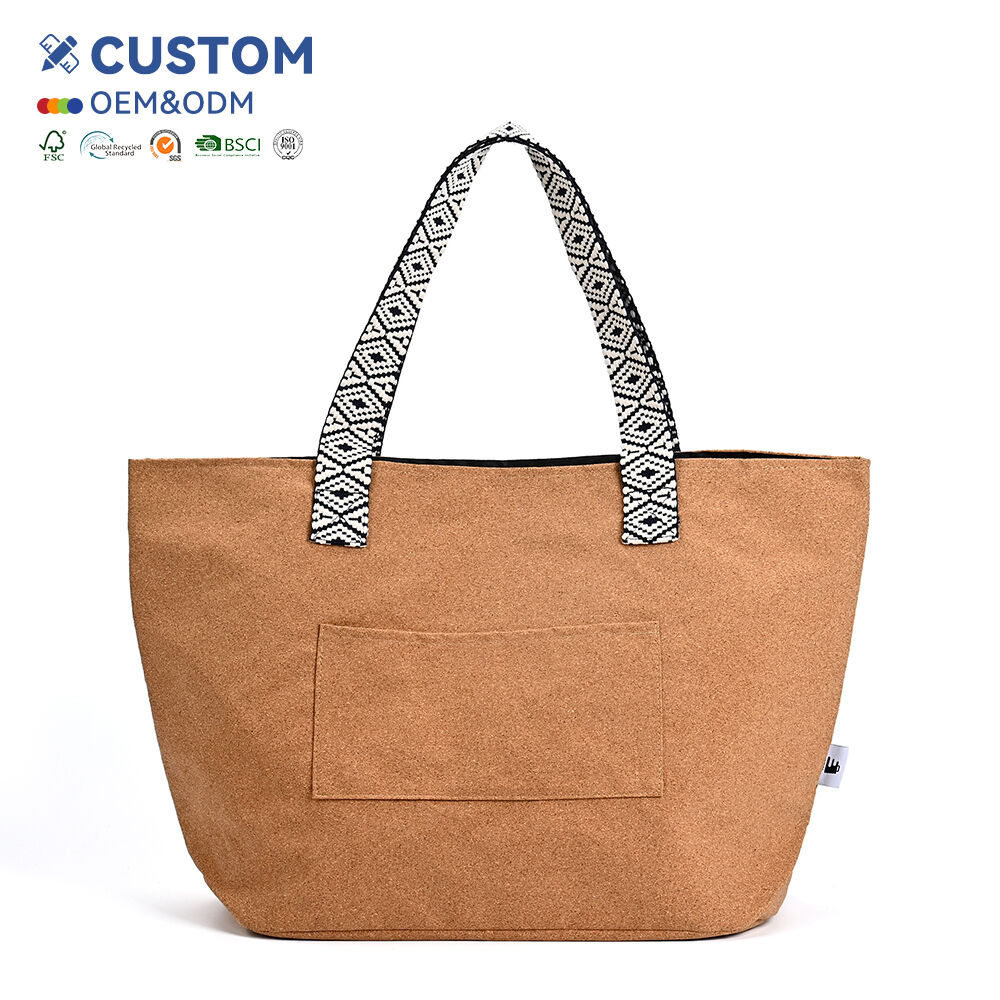
Mesh bags have become essential carry solutions across retail, grocery, travel, and promotional contexts due to their breathability, lightweight construction, and reusable nature. However, maintaining these bags properly determines whether they last for months or years. Understanding how to clean and care for mesh bags—including those with cork bag components or hybrid designs—ensures they remain hygienic, structurally sound, and visually appealing throughout extended use cycles. Proper maintenance not only extends the functional lifespan of these bags but also protects your investment in sustainable carrying solutions that reduce single-use plastic dependency.
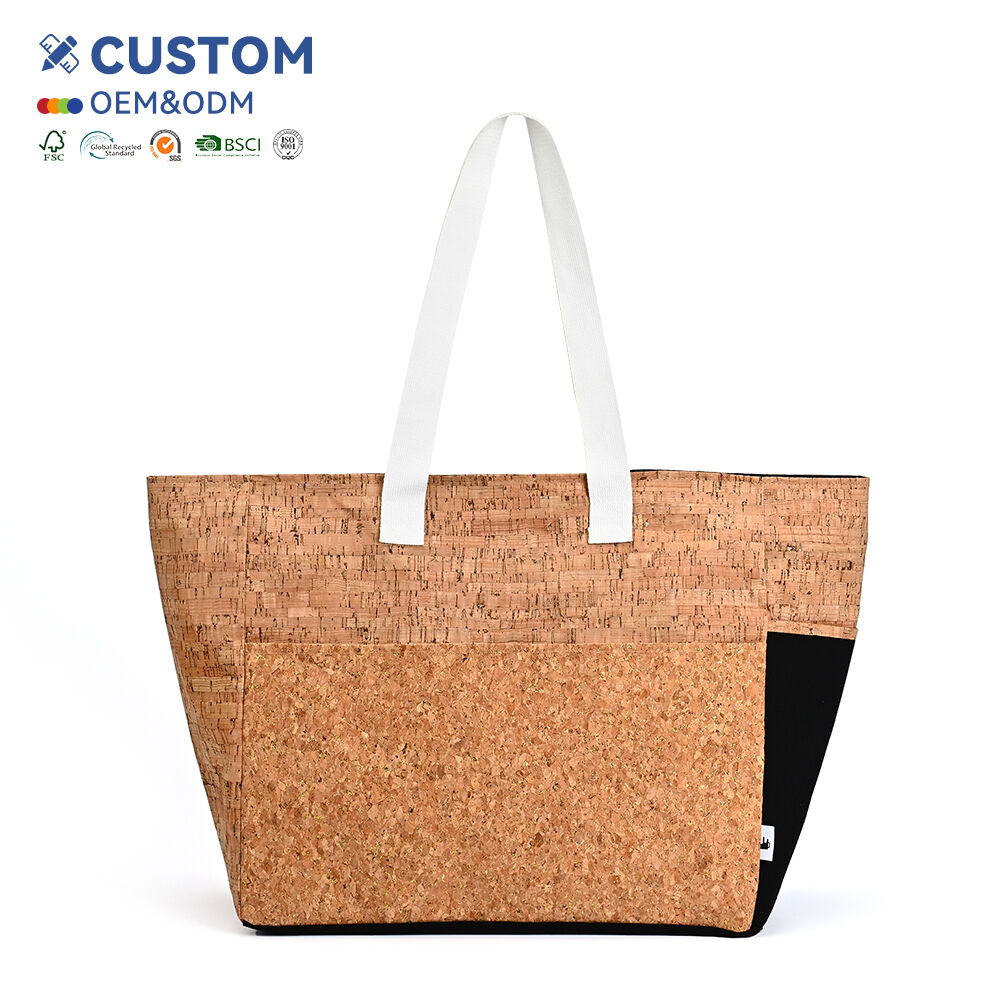
The cleaning and maintenance approach for mesh bags varies significantly based on material composition, construction method, and intended application. Polyester mesh bags require different care protocols than cotton mesh variants, while bags incorporating cork bag panels or eco-friendly hybrid materials demand specialized attention to preserve both the mesh and accent materials. This comprehensive guide explores proven maintenance techniques, material-specific cleaning methods, storage best practices, and troubleshooting strategies that keep mesh bags functional and presentable across hundreds of use cycles in commercial and personal settings.
Understanding Mesh Bag Material Composition and Care Requirements
Primary Mesh Fabric Types and Their Maintenance Characteristics
Polyester mesh represents the most common material in commercial mesh bags due to its durability, quick-drying properties, and resistance to mildew. This synthetic fiber tolerates machine washing at moderate temperatures and maintains dimensional stability when properly cared for. Nylon mesh offers similar benefits with slightly higher abrasion resistance, making it suitable for bags subjected to frequent handling or rough surfaces. Both synthetic mesh types accept most standard detergents and can withstand regular cleaning cycles without significant degradation when water temperature remains below 40°C and mechanical agitation stays moderate.
Cotton mesh bags provide natural fiber alternatives with superior breathability and softer hand feel but require more careful maintenance protocols. Cotton fibers absorb moisture readily and may shrink when exposed to hot water or high-heat drying, necessitating cold-water washing and air-drying methods. Organic cotton mesh variants often feature less chemical treatment, increasing their susceptibility to color fading and requiring gentler detergents. Blended mesh fabrics combining synthetic and natural fibers balance durability with environmental appeal but demand washing conditions compatible with the most delicate component fiber to prevent differential shrinkage or texture changes that compromise bag structure.
Hybrid Designs Incorporating Cork Bag Elements
Many contemporary mesh bags integrate cork bag panels, handles, or bottom reinforcements to enhance aesthetic appeal and structural durability. Cork material requires distinct care approaches since excessive water exposure can damage its cellular structure and natural finish. Cork bag components should never be submerged for extended periods or subjected to harsh scrubbing that breaks down the protective surface treatment. Instead, these areas demand spot cleaning with barely-damp cloths and immediate drying to preserve the material's natural water-resistant properties and prevent delamination from backing fabrics.
The junction points where mesh meets cork bag elements represent vulnerable areas requiring special attention during cleaning. Water trapped in seams or adhesive interfaces can promote bacterial growth or compromise bonding integrity over time. When cleaning hybrid mesh bags with cork bag accents, focus primary washing efforts on the mesh portions while protecting cork areas with waterproof barriers or targeted spot treatment. This selective cleaning approach maintains the functional integrity of both material types without subjecting either to incompatible cleaning conditions that accelerate wear or aesthetic degradation.
Hardware and Closure System Considerations
Metal zippers, drawstring grommets, snap fasteners, and reinforcement rings attached to mesh bags require specific maintenance attention to prevent corrosion, jamming, or mechanical failure. Stainless steel hardware tolerates water exposure better than standard metal components, but both benefit from thorough drying after cleaning to prevent oxidation. Plastic hardware elements resist corrosion but may become brittle when exposed to harsh chemical cleaners or prolonged UV radiation, necessitating mild detergent use and storage away from direct sunlight between uses.
Drawstring mechanisms common in mesh produce bags accumulate debris within cord channels and adjustment mechanisms that impede smooth operation if not periodically cleaned. Running drawstrings through cleaning cycles helps remove embedded particles, but complete drying before storage prevents mildew formation within cord fibers. Zipper tracks in mesh bags benefit from occasional light lubrication with silicone-based products after cleaning to maintain smooth operation and prevent teeth misalignment caused by fabric shrinkage or dirt accumulation along closure paths.
Step-by-Step Cleaning Protocols for Different Mesh Bag Types
Machine Washing Techniques for Synthetic Mesh Bags
Machine washing offers the most efficient cleaning method for polyester and nylon mesh bags without delicate components. Begin by emptying all pockets and compartments, removing any detachable elements, and checking for structural damage that washing might worsen. Turn bags inside-out to expose the most soiled interior surfaces to direct water and detergent contact while protecting exterior screen-printed designs or decorative elements from abrasion against other laundry items. Place multiple mesh bags together in a mesh laundry bag to prevent straps from tangling with other garments and to contain any small decorative elements that might detach during the wash cycle.
Select cold or warm water settings rather than hot cycles to preserve fabric elasticity and prevent shrinkage, especially in bags with mixed fiber content or elastic components. Use standard liquid detergent at normal concentrations, avoiding fabric softeners that can coat mesh openings and reduce breathability over time. Choose gentle or delicate wash cycles with reduced spin speeds to minimize mechanical stress on seams and attachment points. For bags with visible staining, pre-treat affected areas with diluted detergent solution or stain remover appropriate for the mesh fabric type, allowing fifteen minutes of contact time before machine washing.
Hand Washing Methods for Delicate and Hybrid Bags
Cotton mesh bags and those incorporating cork bag panels require hand washing to prevent damage from mechanical agitation. Fill a basin or sink with cool water and add mild liquid detergent, creating light suds through gentle agitation. Submerge the mesh bag completely, allowing water to penetrate the fabric structure for several minutes before beginning the cleaning process. Gently massage fabric areas between fingers to dislodge embedded dirt and stains, paying particular attention to high-contact zones like handles and bottom panels where soil accumulation concentrates.
For bags with cork bag components, keep these areas above the waterline whenever possible, using a damp sponge with minimal detergent to clean cork surfaces without saturating the material. Work quickly to minimize water exposure duration, and immediately blot cork areas with absorbent towels after cleaning. Rinse mesh portions thoroughly under running cool water until all detergent residue dissipates, as soap remaining in fabric attracts dirt during subsequent use. Gently squeeze excess water from mesh fabric without wringing or twisting, which can distort bag shape and stress seam stitching.
Spot Cleaning for Quick Maintenance Between Deep Cleans
Regular spot cleaning extends intervals between full washing cycles and prevents stain setting in high-use bags. Mix a small amount of mild detergent with water in a spray bottle for convenient application to soiled areas. Spray affected zones lightly and use a soft brush or cloth to work the cleaning solution into stained fabric, employing circular motions that lift dirt without abrading mesh fibers. For protein-based stains like food residue, enzyme-based spot cleaners offer superior removal efficacy without requiring harsh scrubbing that damages delicate mesh construction.
Treat cork bag sections with specialized cork cleaners or simple solutions of white vinegar diluted with water at 1:3 ratios. Apply these solutions sparingly with soft cloths, avoiding excess moisture that penetrates cork's cellular structure. After spot treatment, blot areas with clean dry cloths and allow bags to air completely before storage or reuse. Establishing a routine of quick spot cleaning after each use prevents progressive soil buildup that eventually requires more aggressive cleaning methods potentially damaging to bag materials and construction.
Drying Methods That Preserve Bag Structure and Material Integrity
Air Drying Techniques for Optimal Results
Air drying represents the safest method for all mesh bag types, preserving fabric integrity and preventing heat-related shrinkage or material degradation. After washing, gently reshape bags to their original dimensions while still damp, smoothing wrinkles and ensuring straps lie flat. Hang bags from clotheslines or drying racks using clothespins attached to reinforced areas rather than delicate mesh sections. Position bags in well-ventilated spaces away from direct sunlight, which can fade colors and weaken synthetic fibers over time through UV degradation.
For bags with cork bag elements, ensure these components face downward during drying to prevent water migration toward cork surfaces through capillary action along seams. Periodically reposition bags during the drying process to ensure even air circulation around all surfaces and prevent moisture accumulation in folded areas. Depending on ambient humidity and bag size, complete drying typically requires eight to twenty-four hours. Verify that all areas feel completely dry to the touch before storage, as residual moisture promotes mildew growth and unpleasant odors in folded or stacked bags.
Machine Drying Considerations and Limitations
While synthetic mesh bags may tolerate machine drying on low heat settings, this method accelerates wear compared to air drying and should be reserved for situations requiring rapid turnaround. Remove bags from the dryer while slightly damp rather than running full drying cycles, which can cause excessive shrinkage and degrade elastic components. Never machine dry cotton mesh bags or those with cork bag panels, as heat damages natural fibers and cork's cellular structure irreversibly. The mechanical tumbling action in dryers also stresses seams and attachment points more severely than static air drying.
If machine drying becomes necessary, place mesh bags in protective mesh laundry bags to reduce tangling and mechanical stress. Select the lowest heat setting available and the shortest time cycle that removes most moisture. Remove bags promptly when the cycle completes and finish drying them flat or hanging to prevent wrinkles from setting as residual heat dissipates. Consider that each machine drying cycle reduces overall bag lifespan more significantly than air drying, making this method suitable only for situations where time constraints override longevity concerns.
Addressing Moisture-Related Issues During Storage
Even properly dried mesh bags can develop moisture-related problems when stored in humid environments or inadequately ventilated spaces. Ensure storage areas maintain relative humidity below sixty percent to prevent mildew formation on natural fiber mesh and cork bag components. Avoid storing mesh bags in sealed plastic containers or bags, which trap any residual moisture and create ideal conditions for bacterial and fungal growth. Instead, use breathable fabric storage bags or open shelving that allows continuous air circulation around stored items.
Place silica gel packets or other desiccants near stored mesh bags in humid climates to absorb ambient moisture that might otherwise penetrate fabric and cork materials. Inspect stored bags monthly for signs of mildew, musty odors, or moisture accumulation, addressing any issues immediately through re-washing and thorough drying. For cork bag elements showing moisture damage, treat affected areas with cork-safe cleaning solutions and allow extended drying periods in well-ventilated spaces before returning bags to storage. Proper moisture management during storage periods prevents the need for remedial cleaning and extends usable bag lifespan significantly.
Extending Mesh Bag Lifespan Through Preventive Maintenance
Pre-Use Protective Treatments and Preparations
Applying fabric protection products to new mesh bags creates invisible barriers that repel water and stains, simplifying future cleaning efforts. Select products specifically formulated for the mesh fabric type, ensuring compatibility with both synthetic and natural fibers as applicable. Spray products evenly across exterior surfaces following manufacturer instructions, maintaining adequate ventilation during application and allowing complete drying before first use. Reapply these treatments every three to six months or after several washing cycles to maintain protective efficacy.
For bags with cork bag components, apply cork-specific sealants that enhance water resistance without altering the material's natural appearance and texture. These treatments penetrate cork's cellular structure to provide protection from within while maintaining breathability. Test any protective product on inconspicuous areas first to verify it doesn't cause discoloration or texture changes before full application. Proper initial treatment reduces soil adhesion and moisture penetration throughout the bag's service life, decreasing cleaning frequency requirements and associated material wear.
Usage Practices That Minimize Cleaning Requirements
Implementing simple usage protocols significantly reduces how frequently mesh bags require deep cleaning. Dedicate specific bags to particular product categories—produce, bakery items, bulk goods—to prevent cross-contamination and odor transfer between dissimilar contents. Line bags with reusable cloth napkins or paper when carrying particularly messy items like unwrapped baked goods or damp produce. Empty and shake out bags immediately after each use to remove loose debris before it embeds in mesh fibers or migrates into seams and corners.
Avoid overloading mesh bags beyond their designed weight capacity, which stresses seams and attachment points while pressing contents more firmly against mesh surfaces and increasing soil transfer. When carrying items with potential to leak or spill, double-bag using an inner waterproof liner that protects the mesh exterior from direct contact with liquids or sticky substances. Rotate multiple bags through regular use cycles rather than repeatedly using single favorites, allowing each bag adequate recovery time between uses and distributing wear more evenly across your bag collection.
Routine Inspection and Minor Repair Protocols
Regular inspection catches minor damage before it progresses to structural failure requiring bag replacement. After each cleaning cycle, examine seams for loose stitching, check attachment points for stress indicators, and inspect mesh for small tears or excessive thinning. Address loose threads immediately by trimming them close to the fabric surface or reinforcing with matching thread to prevent unraveling. Small mesh tears can be repaired with fabric adhesive patches or hand-stitching using techniques that distribute stress around damaged areas.
Cork bag elements occasionally separate from backing fabrics at edges or stress points, requiring prompt reattachment with flexible fabric adhesives suitable for both materials. Clean and dry both surfaces thoroughly before applying adhesive, then clamp repaired areas during curing to ensure strong bonding. Replace damaged hardware components like broken zipper pulls or worn grommets before they compromise bag functionality completely. Investing fifteen minutes in minor repairs extends bag usability for months or years beyond when neglected damage would force retirement, maximizing return on initial bag investment.
Troubleshooting Common Mesh Bag Cleaning Challenges
Removing Persistent Odors from Mesh Fabrics
Mesh bags absorbing strong food odors require specialized treatment beyond standard washing protocols. Soak affected bags in cool water mixed with baking soda at a ratio of two tablespoons per liter for thirty minutes before washing, which neutralizes organic odors trapped in fabric fibers. For particularly stubborn smells, add white vinegar to rinse water at one cup per gallon, which breaks down odor molecules without leaving residual scent. Avoid fabric softeners and scented detergents when treating odor issues, as these mask rather than eliminate smells and may cause sensitivity reactions in subsequent food contact.
Cork bag sections absorbing odors require different approaches since cork's porous structure readily holds scent molecules. Wipe cork surfaces with cloths dampened in diluted white vinegar solution, then immediately dry and expose to fresh air circulation for several hours. For severe cork odor penetration, place affected bags in sealed containers with activated charcoal for forty-eight hours, which absorbs odor molecules without requiring direct material contact. Prevent odor development by ensuring bags dry completely between uses and avoiding storage in enclosed spaces where limited air exchange allows scents to concentrate and penetrate materials more deeply.
Addressing Discoloration and Staining Issues
Color bleeding from vibrant produce or transfer from printed packaging can discolor light-colored mesh bags over time. Treat fresh stains immediately with cold water rinses before pigments set into fabric fibers. For older stains, create paste from oxygen-based bleach powder and water, applying directly to discolored areas and allowing thirty-minute contact time before washing. Test any bleaching treatment on hidden areas first to ensure it doesn't damage fabric dyes or weaken fibers through chemical reaction.
Cork bag components showing discoloration from water exposure or soil accumulation benefit from gentle abrasion with fine-grit sandpaper, which removes surface layers without damaging underlying material. Sand lightly in circular motions, brushing away residue frequently to assess progress. Follow sanding with cork-appropriate sealant application to restore protective surface treatment. For mesh bags where overall dingy appearance develops despite regular cleaning, occasional soaking in oxygen bleach solution formulated for colors can restore original vibrancy without the harsh effects of chlorine bleach that weakens synthetic and natural fibers alike.
Resolving Structural Issues from Improper Care
Mesh bags subjected to excessively hot water or machine drying may experience shrinkage that distorts original dimensions and creates stress along seams. While severe shrinkage proves irreversible, minor dimensional changes sometimes respond to gentle stretching while fabric remains damp from washing. Carefully pull affected areas back toward original dimensions and secure in stretched position using clips or weights during air drying. This approach works best with synthetic mesh that retains some elasticity; natural fiber shrinkage typically proves more permanent.
Cork bag elements exposed to excessive moisture may delaminate from backing fabrics or develop surface cracking that compromises water resistance. Address delamination immediately by separating affected areas completely, cleaning both surfaces, and rebonding with flexible fabric adhesive as described in repair protocols. Surface cracks in cork benefit from application of specialized cork conditioners that penetrate damaged areas and restore some flexibility, though severely compromised cork sections may require replacement. Prevention through proper cleaning techniques that limit cork water exposure eliminates most structural issues before they develop, emphasizing the importance of material-appropriate care methods from initial use forward.
FAQ
How often should mesh bags be cleaned to maintain hygiene and usability?
Cleaning frequency depends on usage intensity and carried contents. Bags used for fresh produce should be washed after every three to five uses or whenever visible soiling occurs. Bags carrying dry goods like bulk grains or nuts can extend to weekly cleaning with daily debris removal. Cork bag hybrid designs require spot cleaning after each use with deep cleaning monthly. High-traffic commercial applications benefit from washing after each day's use to prevent bacterial accumulation and maintain presentable appearance.
Can mesh bags with cork elements be safely washed in standard washing machines?
Standard machine washing risks damaging cork bag components through excessive water exposure and mechanical agitation. Hand washing represents the safest approach for hybrid designs, keeping cork elements minimally wet while thoroughly cleaning mesh portions. If machine washing becomes necessary, place bags in protective mesh laundry bags, use cold water on gentle cycles, and immediately remove cork sections from moisture after the cycle completes. Air drying remains mandatory for all bags containing cork elements regardless of washing method.
What causes mesh bags to develop musty odors even after washing?
Musty smells typically indicate incomplete drying that allows mildew or bacterial growth in fabric fibers and seams. Ensure bags dry completely in well-ventilated areas before storage, which may require twenty-four hours in humid conditions. Storing damp bags in enclosed spaces accelerates odor development. If musty smell persists after thorough washing and drying, treat bags with vinegar rinses and baking soda soaks as described in odor removal protocols, then verify storage areas maintain adequate ventilation and low humidity levels.
Are there specific detergents that work best for cleaning reusable mesh bags?
Mild liquid detergents without added fabric softeners or heavy fragrances perform best for mesh bag cleaning. Enzyme-based detergents effectively remove protein and organic stains common from food contact. Avoid powder detergents that may not dissolve completely in cool water and leave residue in mesh openings. For bags with cork bag sections, select detergents free from harsh alkalis or solvents that might damage cork's natural structure. Eco-friendly plant-based detergents suit both environmental values and material compatibility requirements across diverse mesh bag constructions.
Table of Contents
- Understanding Mesh Bag Material Composition and Care Requirements
- Step-by-Step Cleaning Protocols for Different Mesh Bag Types
- Drying Methods That Preserve Bag Structure and Material Integrity
- Extending Mesh Bag Lifespan Through Preventive Maintenance
- Troubleshooting Common Mesh Bag Cleaning Challenges
- FAQ