
 EN
EN
In today's environmentally conscious marketplace, businesses and consumers are increasingly seeking sustainable alternatives to traditional plastic and synthetic materials. The jute bag has emerged as a superior choice for packaging, shopping, and promotional purposes, offering numerous advantages over synthetic options. These natural fiber bags represent a significant shift toward eco-friendly practices while maintaining durability, functionality, and aesthetic appeal that meets modern commercial demands.
Environmental Sustainability and Ecological Impact
Biodegradable Properties of Natural Jute Materials
The fundamental advantage of choosing a jute bag over synthetic alternatives lies in its complete biodegradability. Unlike plastic bags that can persist in landfills for hundreds of years, jute bags decompose naturally within months when disposed of properly. This natural decomposition process enriches soil quality rather than contributing to environmental pollution, making each jute bag a responsible choice for environmentally aware businesses and consumers.
Jute cultivation itself supports environmental sustainability through carbon dioxide absorption during the growing process. The jute plant naturally improves soil fertility and requires minimal chemical fertilizers compared to synthetic material production. When businesses choose jute bag options for their packaging needs, they actively participate in reducing their carbon footprint while supporting sustainable agricultural practices worldwide.
Reduced Carbon Footprint Through Natural Production
The production process for jute bags requires significantly less energy compared to manufacturing synthetic alternatives. Traditional plastic bag production involves petroleum-based materials and energy-intensive chemical processes that contribute substantially to greenhouse gas emissions. In contrast, jute bag manufacturing utilizes natural fibers that require minimal processing, resulting in lower overall environmental impact throughout the production cycle.
Manufacturing facilities producing jute bags typically operate with lower energy consumption and generate fewer harmful emissions than synthetic material factories. This sustainable production approach extends beyond environmental benefits to include reduced operational costs, which manufacturers can pass along to businesses seeking cost-effective eco-friendly packaging solutions.
Superior Durability and Functional Performance
Strength and Load-Bearing Capacity
Despite common misconceptions about natural materials being less durable, a well-constructed jute bag often outperforms synthetic alternatives in terms of load-bearing capacity and long-term durability. The natural jute fibers possess inherent strength characteristics that allow these bags to carry substantial weight without tearing or stretching beyond acceptable limits. This durability makes them ideal for repeated commercial use in retail environments, promotional events, and industrial applications.
The weave structure of quality jute bags distributes weight evenly across the entire surface, preventing stress concentration that commonly causes synthetic bags to fail at handles or seams. Professional testing has demonstrated that premium jute bag products can withstand repeated loading cycles while maintaining structural integrity, making them a reliable choice for businesses requiring consistent performance from their packaging materials.
Weather Resistance and Longevity
Modern jute bag manufacturing incorporates treatments that enhance weather resistance without compromising the natural characteristics of the material. These treated jute bags maintain their strength and appearance when exposed to varying humidity levels, moderate moisture, and typical outdoor conditions encountered during transportation and storage. This weather resistance extends the useful life of each jute bag significantly beyond untreated natural fiber alternatives.
The natural breathability of jute material prevents moisture accumulation that can lead to mold or mildew formation, a common problem with synthetic bags stored in humid conditions. This breathability characteristic ensures that contents remain fresh and dry while the bag itself maintains its structural integrity over extended periods of use and storage.
Economic Advantages and Cost Effectiveness
Long-Term Value Proposition
While the initial purchase price of a jute bag may exceed that of disposable synthetic alternatives, the long-term economic benefits significantly favor natural jute products. The reusable nature of durable jute bags means that businesses and consumers can utilize the same bag hundreds of times, dramatically reducing the per-use cost compared to single-use synthetic options that require constant replacement.
Businesses implementing jute bag solutions for customer packaging or promotional purposes often discover substantial cost savings over annual budget cycles. The extended lifespan of each jute bag reduces procurement frequency and associated administrative costs, while the professional appearance maintains brand image standards throughout the bag's useful life.
Bulk Purchasing and Manufacturing Economies
The jute bag manufacturing industry offers significant economies of scale for businesses requiring large quantities of sustainable packaging solutions. Wholesale pricing structures make bulk jute bag purchases highly competitive with synthetic alternatives when total lifecycle costs are properly calculated. These manufacturing efficiencies enable businesses to implement sustainable practices without compromising budget constraints or profit margins.
Custom printing and branding options for jute bag products provide additional marketing value that synthetic alternatives cannot match. The natural texture and appearance of jute material enhance printed designs and logos, creating premium promotional items that reflect positively on brand image while serving practical customer needs.
Customization and Branding Opportunities
Design Flexibility and Aesthetic Appeal
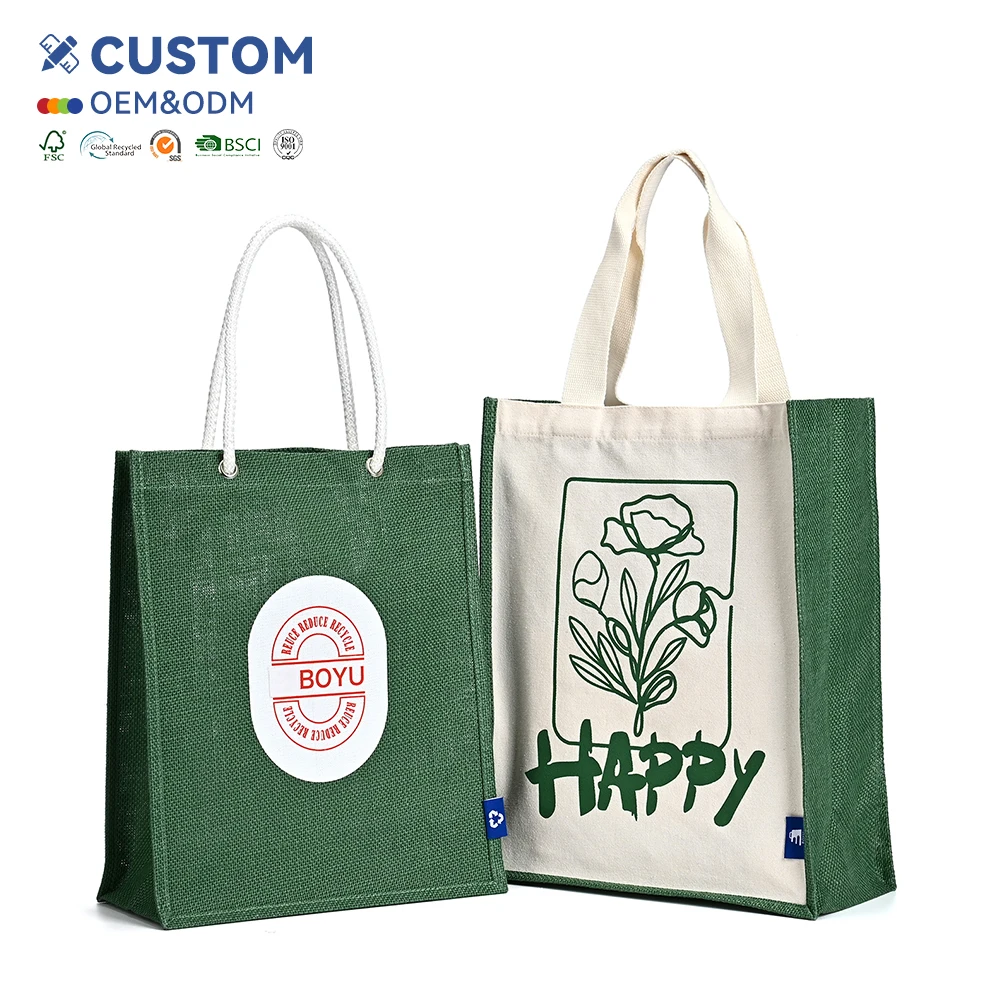
The natural characteristics of jute bag materials provide exceptional opportunities for creative customization and branding applications. The organic texture and neutral coloring of jute create an ideal canvas for various printing techniques, embroidery, and decorative elements that maintain their appearance throughout extended use. This design flexibility allows businesses to create unique promotional items that stand out in competitive markets.
Professional graphic designers consistently choose jute bag products for premium branding applications because the natural material texture adds visual depth and tactile appeal that synthetic alternatives cannot replicate. The inherent quality perception associated with natural jute materials enhances brand value and customer appreciation for businesses choosing sustainable packaging solutions.
Corporate Social Responsibility Integration
Implementing jute bag solutions supports corporate social responsibility initiatives that increasingly influence consumer purchasing decisions. Businesses demonstrating commitment to environmental sustainability through jute bag adoption often experience improved customer loyalty and positive brand recognition in environmentally conscious market segments. This alignment with consumer values translates directly into competitive advantages and enhanced market positioning.
The visible choice to use jute bag alternatives over synthetic options communicates corporate values effectively to customers, employees, and stakeholders. This clear demonstration of environmental responsibility supports broader sustainability initiatives while providing practical benefits that justify the implementation from both ethical and economic perspectives.
Health and Safety Considerations
Chemical-Free Composition Benefits
Unlike synthetic bag alternatives that may contain harmful chemicals, plasticizers, or toxic compounds, a properly manufactured jute bag consists entirely of natural plant fibers that pose no health risks to users or contents. This chemical-free composition makes jute bags particularly suitable for food packaging, children's items, and sensitive applications where synthetic materials might introduce unwanted chemical exposure.
The absence of chemical treatments in basic jute bag production ensures that no harmful substances can leach into packaged goods or create air quality concerns in storage environments. This safety characteristic becomes increasingly important as businesses and consumers become more aware of potential health impacts associated with synthetic material exposure.
Hypoallergenic Properties and User Safety
The natural composition of jute bag materials makes them hypoallergenic and suitable for individuals with sensitivities to synthetic materials or chemical treatments commonly used in plastic bag production. This safety advantage expands the potential user base and eliminates concerns about adverse reactions that might limit synthetic bag usage in certain applications or environments.
Healthcare facilities, educational institutions, and food service operations particularly benefit from the hypoallergenic properties of jute bag alternatives. The natural material composition ensures safe handling by staff and customers while maintaining the durability and functionality required for demanding commercial applications.
FAQ
How long does a typical jute bag last compared to synthetic alternatives
A quality jute bag can last several years with regular use, typically withstanding hundreds of loading cycles before showing significant wear. This longevity far exceeds disposable synthetic options and rivals the durability of heavier reusable synthetic bags while maintaining superior environmental credentials throughout its useful life.
Are jute bags suitable for carrying wet or damp items
Modern jute bag manufacturing includes treatment options that provide water resistance for carrying damp items safely. While not completely waterproof, treated jute bags handle moderate moisture exposure well and dry quickly due to the natural breathability of jute fibers, preventing mold or mildew formation that affects synthetic alternatives.
What is the cost difference between jute bags and synthetic options
Initial jute bag costs may be higher than disposable synthetic bags, but the reusable nature creates significant long-term savings. When calculated on a per-use basis over the bag's lifetime, jute bag solutions often prove more economical than repeatedly purchasing disposable synthetic alternatives while providing superior environmental and branding benefits.
Can jute bags be customized with business logos and branding
Jute bag customization offers excellent opportunities for screen printing, embroidery, and other branding techniques. The natural jute texture enhances logo visibility and creates premium promotional items that reflect positively on brand image while serving practical customer needs in retail and marketing applications.