
 EN
EN
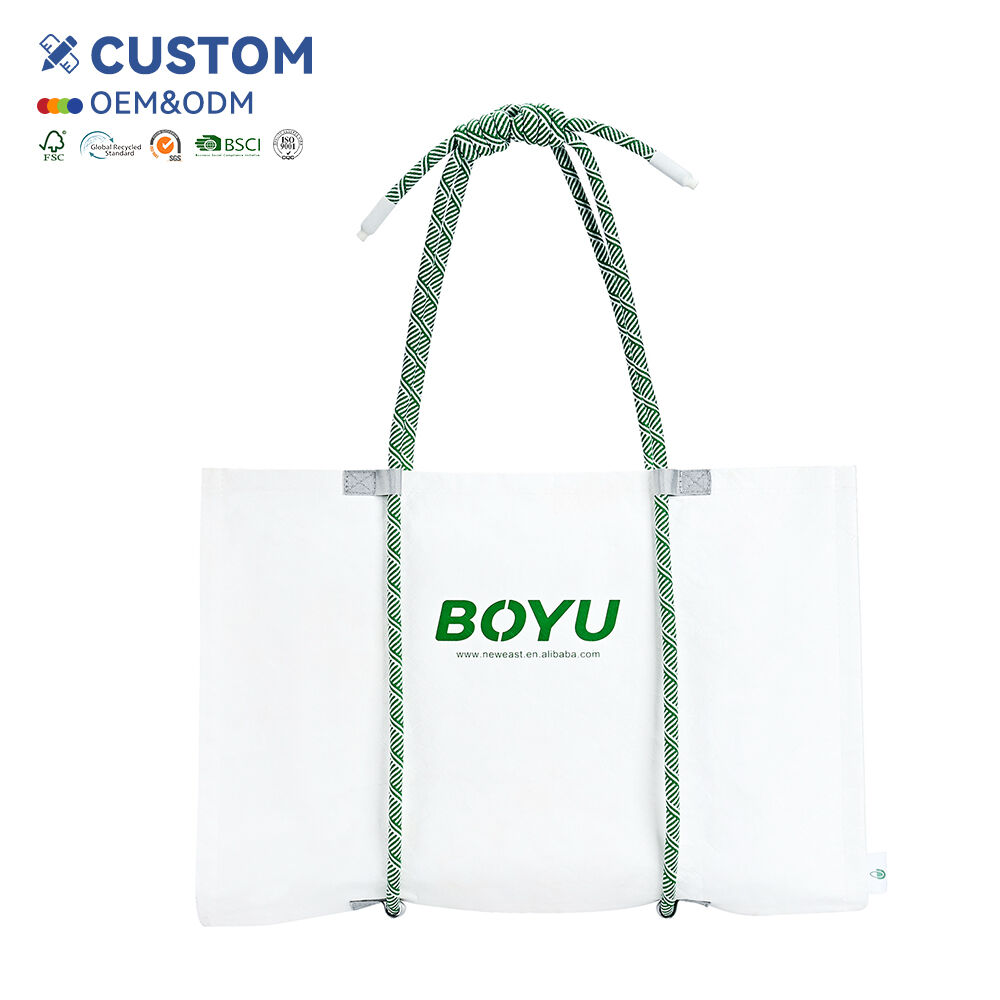
The shift toward sustainable packaging has transformed how businesses approach gift presentation and customer experience. Consumers increasingly demand environmentally responsible alternatives to traditional paper and plastic packaging, driving companies to explore innovative solutions that balance functionality with ecological consciousness. This transformation has positioned the tote bag as a leading sustainable packaging option that extends far beyond its original purpose as a simple carrying vessel.

Modern businesses recognize that packaging serves multiple functions beyond mere containment and protection of products. The contemporary tote bag represents a paradigm shift where packaging becomes a reusable asset that continues delivering value long after the initial transaction. This dual-purpose approach aligns perfectly with circular economy principles while providing tangible benefits for both retailers and consumers in an increasingly competitive marketplace.
Industry analysts project significant growth in the reusable packaging sector, with sustainable alternatives expected to capture larger market shares across diverse retail categories. The versatility of tote bag designs enables customization opportunities that strengthen brand identity while demonstrating corporate commitment to environmental stewardship. These factors collectively contribute to the rising adoption of reusable gift bags as strategic business investments rather than simple packaging expenses.
Environmental Impact and Sustainability Benefits
Reducing Single-Use Packaging Waste
Traditional gift wrapping generates substantial environmental waste, with millions of tons of paper, plastic, and decorative materials discarded annually during peak shopping seasons. The average tote bag can replace hundreds of single-use bags throughout its lifecycle, significantly reducing the cumulative environmental footprint associated with packaging materials. This waste reduction becomes particularly meaningful when multiplied across entire customer bases and extended usage periods.
Manufacturing processes for disposable packaging require continuous resource extraction and energy consumption, creating ongoing environmental pressures that compound over time. Reusable alternatives like the tote bag disrupt this cycle by providing durable solutions that maintain functionality across multiple applications. The environmental benefits become more pronounced as usage frequency increases, creating positive feedback loops that amplify sustainability impacts.
Research indicates that consumers retain and reuse quality gift bags for extended periods, often incorporating them into daily routines beyond their original gifting context. This extended lifecycle maximizes the environmental return on initial manufacturing investments while minimizing ongoing resource requirements. The durability characteristics of modern tote bag materials enable repeated use without significant degradation in appearance or functionality.
Carbon Footprint Reduction Through Reusability
Lifecycle assessments demonstrate that reusable packaging options generate lower carbon emissions compared to equivalent quantities of disposable alternatives when evaluated across typical usage patterns. The manufacturing intensity required for a single tote bag becomes environmentally justified when distributed across multiple usage cycles. Transportation efficiency also improves as businesses require fewer packaging replenishments when customers retain and reuse gift bags.
Energy consumption associated with packaging production decreases substantially when calculated on a per-use basis rather than per-unit manufacturing costs. The tote bag exemplifies this principle by providing extended service life that amortizes initial production impacts across numerous applications. This approach aligns with corporate sustainability goals while delivering measurable environmental performance improvements.
Supply chain optimization becomes possible as businesses reduce packaging procurement frequency and storage requirements for disposable materials. Inventory management simplifies when reusable options reduce the constant need for packaging replenishment. These operational efficiencies contribute to overall carbon footprint reductions beyond the direct environmental benefits of reduced waste generation.
Consumer Preferences and Market Demand
Shifting Attitudes Toward Sustainable Shopping
Contemporary consumers demonstrate increasing willingness to support businesses that prioritize environmental responsibility through tangible actions rather than superficial marketing claims. The choice to provide reusable gift bags signals authentic commitment to sustainability that resonates with environmentally conscious customers. This alignment between corporate practices and consumer values creates opportunities for enhanced brand loyalty and positive word-of-mouth marketing.
Market research reveals that sustainable packaging influences purchasing decisions across diverse demographic segments, with younger consumers showing particularly strong preferences for environmentally responsible options. The tote bag serves as a visible symbol of brand values that customers carry into various social contexts, extending marketing reach beyond traditional advertising channels. This organic brand exposure provides ongoing marketing value that compounds over time.
Premium positioning becomes possible when sustainable packaging enhances perceived product value rather than merely serving functional requirements. Customers often associate reusable gift bags with higher quality offerings, creating opportunities for improved margins and brand differentiation. The tactile experience and visual appeal of well-designed tote bag options contribute to positive unboxing experiences that generate social media engagement and customer satisfaction.
Practical Benefits for End Users
Beyond environmental considerations, consumers appreciate the practical functionality that reusable gift bags provide for daily activities such as grocery shopping, gym visits, or casual outings. The versatility of a well-designed tote bag ensures continued use beyond the initial gifting occasion, maximizing utility value for recipients. This extended functionality creates positive associations with the originating brand that persist through repeated use.
Storage convenience represents another practical advantage as reusable gift bags eliminate the need for recipients to maintain inventories of disposable wrapping materials. The compact storage requirements and easy accessibility of folded tote bags provide organizational benefits that users appreciate in increasingly space-conscious living environments. These practical considerations contribute to adoption rates and customer satisfaction levels.
Durability characteristics ensure that quality reusable gift bags maintain appearance standards even after extensive use, preserving the professional image associated with the originating brand. The ability to withstand regular use without visible deterioration enhances perceived value and encourages continued utilization. This longevity supports both environmental goals and brand visibility objectives through sustained exposure in diverse usage contexts.
Business Implementation and Brand Benefits
Marketing and Brand Recognition Opportunities
Custom branding on reusable gift bags transforms packaging into mobile marketing assets that provide ongoing exposure across diverse geographic and demographic contexts. Each tote bag becomes a walking advertisement that generates impressions far beyond the initial transaction value. This extended marketing reach provides exceptional return on packaging investments when compared to traditional disposable alternatives.
Brand visibility increases exponentially as customers carry branded tote bags into various social and commercial environments, creating organic advertising opportunities that reach potential customers outside normal marketing channels. The professional appearance and practical utility ensure that branded bags remain in active rotation rather than being discarded after single use. This sustained exposure builds brand recognition through repeated visual contact with target audiences.
Customization options enable precise alignment between packaging design and overall brand aesthetics, creating cohesive visual experiences that reinforce brand identity across all customer touchpoints. The tote bag serves as an extension of brand personality that customers interact with regularly, strengthening emotional connections and brand recall through tactile and visual engagement.
Cost-Effectiveness and Operational Advantages
While initial unit costs for reusable gift bags exceed disposable alternatives, the extended marketing value and customer retention benefits provide superior return on investment when evaluated holistically. Reduced packaging procurement frequency simplifies supply chain management and decreases storage requirements for inventory management. These operational efficiencies contribute to overall cost savings that offset higher initial investments.
Employee efficiency improves as staff members spend less time managing complex gift wrapping procedures and can focus on higher-value customer service activities. The streamlined packaging process reduces labor costs while maintaining professional presentation standards that enhance customer experience. This operational simplification particularly benefits high-volume retail environments where packaging efficiency directly impacts service capacity.
Customer acquisition costs decrease as satisfied recipients become brand ambassadors who generate referrals and positive reviews through their continued use of branded tote bags. The viral marketing effect of mobile brand exposure creates compounding returns that extend far beyond initial packaging investments. This organic growth mechanism provides sustainable competitive advantages in increasingly crowded marketplaces.
Material Innovation and Design Trends
Sustainable Material Development
Advances in sustainable textile manufacturing have produced innovative materials that combine environmental responsibility with enhanced durability and aesthetic appeal for modern tote bag applications. Recycled content integration enables closed-loop manufacturing processes that minimize virgin resource consumption while maintaining performance standards required for commercial applications. These material innovations support corporate sustainability goals while delivering functional benefits that justify adoption investments.
Biodegradable options provide end-of-life solutions that address concerns about long-term environmental impact while preserving the reusability benefits that make tote bags attractive packaging alternatives. Advanced polymer technologies enable controlled decomposition timelines that balance durability requirements with ultimate biodegradability. This combination ensures extended service life followed by responsible disposal when replacement becomes necessary.
Natural fiber alternatives such as organic cotton, hemp, and bamboo-derived materials offer renewable sourcing options that appeal to environmentally conscious consumers while providing distinctive tactile experiences that enhance brand differentiation. The unique characteristics of these materials create opportunities for premium positioning and enhanced perceived value that justifies higher price points for sustainable packaging solutions.
Design Innovation and Customization
Contemporary design approaches for reusable gift bags incorporate fashion-forward aesthetics that transform utilitarian packaging into desirable accessories that customers actively choose to display. The evolution from purely functional tote bag designs to fashion-conscious alternatives expands market appeal and encourages prolonged use across diverse social contexts. This aesthetic evolution supports both sustainability and marketing objectives through enhanced visual appeal.
Modular design concepts enable customization options that allow businesses to create unique packaging solutions tailored to specific product categories or seasonal campaigns. Interchangeable elements such as handles, closures, and decorative components provide flexibility while maintaining cost efficiency through standardized base components. This approach enables creative differentiation without requiring completely custom manufacturing processes for each application.
Functional enhancements such as reinforced construction, specialized pockets, or convertible configurations add practical value that encourages continued use while differentiating branded tote bags from generic alternatives. These design innovations create compelling reasons for customer retention and preference that extend beyond basic environmental benefits. The enhanced functionality positions reusable gift bags as valuable accessories rather than simple packaging materials.
Industry Applications and Success Stories
Retail Sector Adoption
Fashion retailers have emerged as early adopters of reusable gift bags, recognizing the alignment between sustainable packaging and brand values that appeal to style-conscious consumers. High-end boutiques report increased customer satisfaction and repeat business when premium tote bag packaging enhances the overall shopping experience. The visual appeal and practical utility of well-designed gift bags create positive associations that influence future purchasing decisions and brand loyalty.
Grocery and specialty food retailers leverage reusable gift bags to differentiate premium product offerings while supporting environmental initiatives that resonate with health-conscious consumers. The correlation between sustainable practices and quality perceptions creates opportunities for margin improvement and market positioning advantages. Customers increasingly associate environmentally responsible packaging with superior product quality and corporate values alignment.
Electronics and technology retailers utilize custom tote bags to protect valuable products while providing ongoing marketing exposure through customer use in professional and social environments. The durability requirements for electronics packaging align well with the robust construction typical of quality reusable gift bags. This practical compatibility ensures continued use that maximizes brand visibility and customer satisfaction outcomes.
Corporate Gifting and Events
Corporate event organizers increasingly specify reusable gift bags for conference swag and promotional distributions, recognizing the professional appearance and practical utility that enhance attendee experience. The tote bag serves dual purposes as both packaging for promotional materials and functional accessories that attendees continue using after events conclude. This extended utility maximizes return on promotional investments while demonstrating corporate commitment to sustainability.
Employee recognition programs incorporate branded reusable gift bags as packaging for awards and incentives, creating lasting reminders of achievement that maintain visibility in workplace and personal contexts. The professional appearance and ongoing utility ensure that recognition packaging continues delivering positive reinforcement long after initial presentation ceremonies. This sustained impact enhances employee engagement and corporate culture development through tangible sustainability demonstration.
Trade show exhibitors report increased booth traffic and lead generation when premium reusable gift bags attract attention and encourage visitor engagement with promotional materials. The perceived value of quality packaging creates positive first impressions that facilitate meaningful conversations and relationship development. This strategic application transforms packaging investments into lead generation tools that provide measurable marketing returns.
Implementation Strategies for Businesses
Planning and Design Considerations
Successful implementation of reusable gift bag programs requires careful consideration of target audience preferences, usage patterns, and brand alignment objectives that guide design specifications and material selections. Market research should inform decisions about size ranges, style preferences, and functional requirements that maximize adoption rates and continued use among intended recipients. This foundation ensures that packaging investments deliver desired outcomes across sustainability, marketing, and customer satisfaction dimensions.
Budget allocation strategies must balance initial investment requirements with projected returns from reduced packaging costs, enhanced marketing exposure, and improved customer retention rates. The tote bag represents a capital investment in marketing assets that provide value over extended periods rather than immediate consumption like traditional packaging materials. This perspective shift enables more accurate cost-benefit analysis that justifies sustainable packaging adoption for forward-thinking organizations.
Quality specifications should prioritize durability and aesthetic longevity to ensure that branded gift bags maintain professional appearance throughout extended use cycles. Construction details such as reinforced stress points, colorfast materials, and premium finishing treatments contribute to perceived value and usage persistence that maximize marketing return on investment. These quality considerations directly impact customer satisfaction and brand perception outcomes.
Supply Chain and Vendor Selection
Vendor evaluation criteria should encompass manufacturing capabilities, quality control processes, and sustainability certifications that align with corporate environmental goals and brand positioning requirements. Established suppliers with demonstrated expertise in reusable packaging solutions provide reliability advantages that minimize implementation risks. Partnership approaches that emphasize collaboration and continuous improvement create opportunities for ongoing cost optimization and performance enhancement.
Inventory management strategies must account for the reduced turnover rates associated with reusable packaging while maintaining adequate stock levels to support business growth and seasonal demand fluctuations. The shift from high-frequency disposable procurement to periodic tote bag replenishment requires adjusted forecasting methodologies and storage approaches. These operational changes support overall efficiency improvements while reducing administrative burden associated with packaging management.
Quality assurance protocols should establish clear performance standards and inspection procedures that maintain consistent quality levels across production batches and delivery schedules. Regular quality audits and feedback mechanisms ensure that supplier performance meets expectations while identifying opportunities for continuous improvement. This proactive approach protects brand reputation while maximizing customer satisfaction with reusable gift bag implementations.
FAQ
How do reusable gift bags compare to traditional wrapping paper in terms of cost effectiveness
While reusable gift bags require higher initial investment compared to disposable wrapping materials, they provide superior long-term value through extended marketing exposure and reduced procurement costs. The tote bag typically costs three to five times more than equivalent disposable packaging but generates ongoing brand visibility worth many times the initial investment. Businesses should evaluate total cost of ownership rather than simple unit costs to understand the true economic benefits of sustainable packaging solutions.
What materials work best for reusable gift bags intended for frequent use
Durable synthetic materials such as polypropylene nonwoven fabrics provide excellent balance of strength, appearance retention, and cost effectiveness for commercial tote bag applications. Natural options like heavy cotton canvas offer premium feel and biodegradability but require higher investment and may show wear more quickly with intensive use. The optimal material selection depends on intended usage patterns, budget constraints, and brand positioning objectives that guide packaging strategy development.
How can businesses measure the marketing return from branded reusable gift bags
Marketing impact measurement requires tracking brand exposure frequency, customer retention rates, and referral generation attributable to reusable packaging initiatives. Survey data can quantify usage patterns and brand recall associated with tote bag distribution while social media monitoring identifies organic brand mentions and sharing activity. These metrics provide quantitative evidence of marketing value that justifies sustainable packaging investments and guides optimization strategies for maximum return on investment.
What customization options are available for corporate reusable gift bags
Modern manufacturing capabilities enable extensive customization including full-color printing, embossed logos, custom sizing, specialized handles, and decorative elements that align with brand aesthetics and functional requirements. Advanced decoration techniques such as heat transfer, screen printing, and embroidery provide options suitable for various budget levels and design complexity requirements. The tote bag serves as a canvas for creative brand expression that transforms utilitarian packaging into distinctive marketing assets that enhance customer experience and brand recognition.
Table of Contents
- Environmental Impact and Sustainability Benefits
- Consumer Preferences and Market Demand
- Business Implementation and Brand Benefits
- Material Innovation and Design Trends
- Industry Applications and Success Stories
- Implementation Strategies for Businesses
-
FAQ
- How do reusable gift bags compare to traditional wrapping paper in terms of cost effectiveness
- What materials work best for reusable gift bags intended for frequent use
- How can businesses measure the marketing return from branded reusable gift bags
- What customization options are available for corporate reusable gift bags