 EN
EN
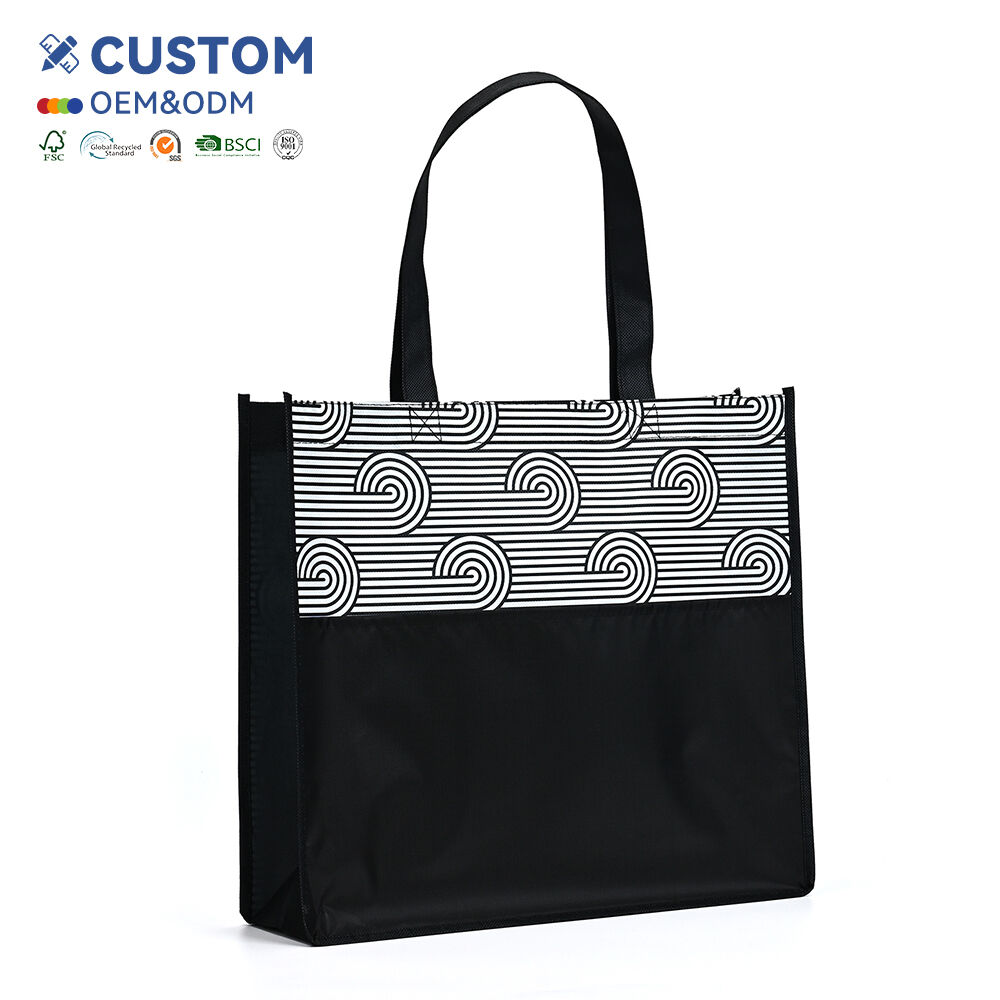
Choosing the right materials for a lunch bag significantly impacts its durability, maintenance requirements, and overall performance. Whether you're searching for a professional carry solution or a versatile tote bag for daily meals, understanding material properties helps ensure your investment delivers long-term value. Modern lunch storage solutions combine advanced fabrics with practical design elements to create products that withstand daily wear while maintaining easy cleaning protocols.
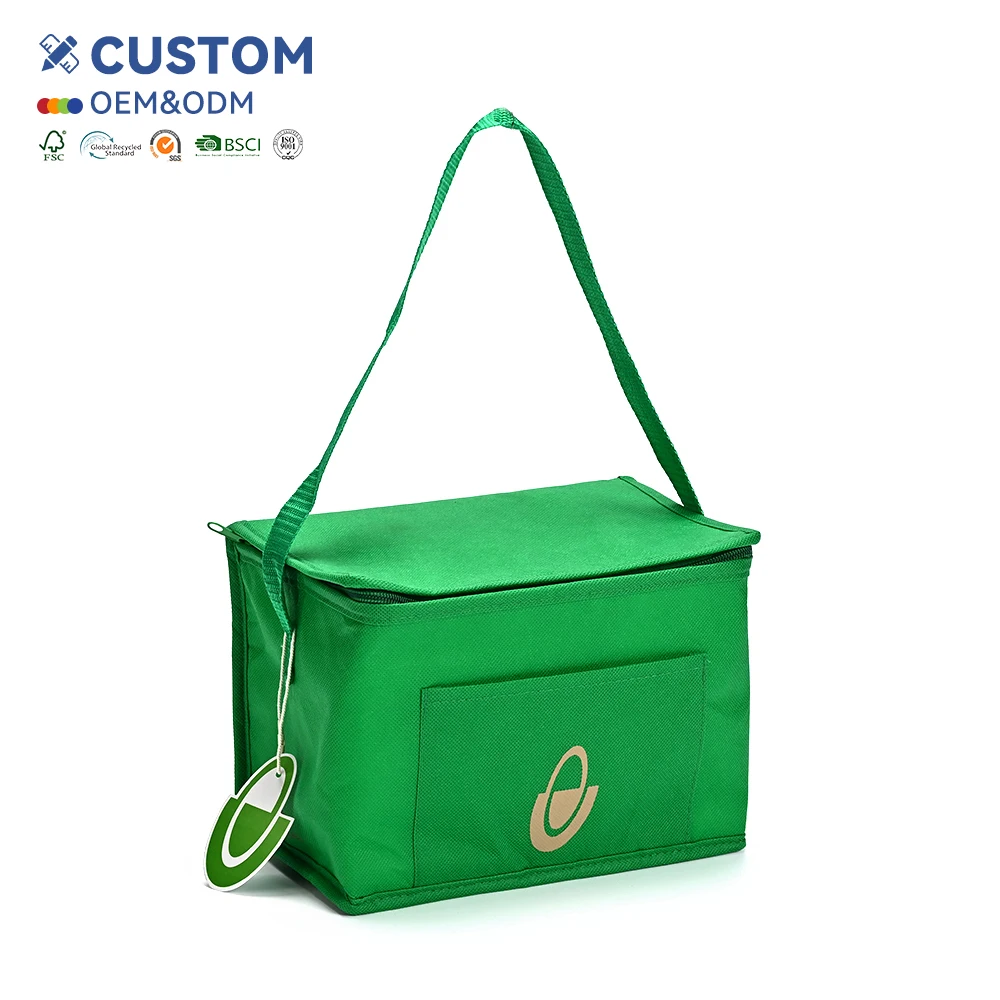
Premium Fabric Options for Maximum Durability
Polyester Canvas Construction
Polyester canvas represents one of the most reliable material choices for lunch storage applications. This synthetic fabric offers exceptional tear resistance while maintaining lightweight characteristics that make any tote bag comfortable to carry throughout busy workdays. The tight weave structure prevents moisture penetration and resists staining from accidental spills or food contact.
High-denier polyester fabrics typically range from 600D to 1680D, with higher numbers indicating increased durability and abrasion resistance. Professional-grade lunch carriers often utilize 1000D polyester canvas, providing an optimal balance between strength and flexibility. This material choice ensures your tote bag maintains structural integrity even when loaded with heavy containers or multiple meal components.
Nylon Ripstop Technology
Nylon ripstop fabrics incorporate specialized weaving techniques that prevent small tears from expanding into larger damage areas. This technology proves particularly valuable for lunch bags subjected to frequent handling, loading, and transport activities. The interlocked fiber structure distributes stress across wider fabric areas, significantly extending product lifespan.
Premium nylon ripstop materials often feature DWR (Durable Water Repellent) coatings that enhance moisture resistance without compromising breathability. These treatments help maintain interior cleanliness by preventing external moisture from penetrating the fabric structure, while allowing trapped humidity to escape naturally.
Insulation Materials for Temperature Control
Thermal Foam Insulation
Effective insulation systems form the foundation of any quality lunch storage solution. Closed-cell foam insulation provides superior temperature retention while maintaining lightweight characteristics that don't add unnecessary bulk to your tote bag design. These materials typically range from 3mm to 8mm thickness, with thicker options delivering enhanced thermal performance.
High-density thermal foam creates continuous barrier layers that minimize heat transfer through conduction and convection. This insulation type proves particularly effective for maintaining cold temperatures during extended transport periods, ensuring food safety and freshness throughout your day.
Reflective Barrier Systems
Advanced lunch bags incorporate reflective foil barriers that redirect radiant heat away from stored contents. These aluminum-faced materials work in conjunction with foam insulation to create comprehensive temperature control systems. The reflective surface effectively bounces heat radiation, maintaining cooler interior temperatures even in challenging environmental conditions.
Multi-layer barrier constructions combine reflective materials with insulating foam and outer fabric layers. This integrated approach maximizes thermal efficiency while ensuring your tote bag maintains practical functionality for daily use applications.
Easy-Clean Interior Surfaces
PEVA Liner Technology
PEVA (Polyethylene Vinyl Acetate) liners offer food-safe interior surfaces that resist bacterial growth while enabling effortless cleaning procedures. This BPA-free material provides smooth, non-porous surfaces that prevent odor absorption and stain penetration. Regular maintenance requires only simple wiping with damp cloths or mild cleaning solutions.
Heat-welded PEVA seams eliminate stitching holes where bacteria might accumulate, creating seamless interior environments that support optimal food safety standards. These liner systems typically feature antimicrobial treatments that actively inhibit bacterial and mold growth, extending the functional lifespan of your lunch storage solution.
TPU Waterproof Coatings
Thermoplastic Polyurethane (TPU) coatings create completely waterproof interior surfaces while maintaining flexibility and durability characteristics. These coatings bond permanently to fabric substrates, creating integrated waterproof barriers that won't delaminate or crack under normal use conditions.
TPU-coated interiors enable thorough sanitization using standard cleaning products without material damage concerns. The smooth surface finish prevents food particles from adhering to interior walls, simplifying daily maintenance routines and ensuring consistent cleanliness standards.
Hardware and Closure Systems
Zipper Quality and Durability
Premium zipper systems significantly impact overall product longevity and user satisfaction. YKK zippers represent industry-leading quality standards, featuring precision-manufactured components that operate smoothly under repeated use cycles. Self-repairing zipper designs automatically realign when minor separations occur, maintaining seal integrity throughout the product's functional lifetime.
Water-resistant zipper tapes prevent moisture infiltration at closure points, protecting interior contents from external humidity and precipitation. These specialized zippers incorporate rubber gaskets or tape treatments that create effective seals without requiring excessive closure force or complicated operating procedures.
Reinforced Stress Points
Critical stress areas require specialized reinforcement treatments to prevent premature failure. Bar-tacked stitching at handle attachment points distributes load forces across wider fabric areas, preventing tear-out failures even when your tote bag carries maximum weight loads. Double-folded fabric layers at stress concentration points further enhance structural integrity.
Riveted or welded reinforcement patches provide additional strength at high-wear locations. These treatments prove particularly important for lunch bags designed for heavy-duty applications or extended service life requirements.
Environmental Considerations and Sustainability
Recycled Material Integration
Sustainable manufacturing practices increasingly incorporate recycled polyester fabrics derived from post-consumer plastic bottles. These materials deliver comparable performance characteristics to virgin polyester while reducing environmental impact through waste stream utilization. Recycled fabric options maintain the durability and cleaning advantages required for practical lunch storage applications.
Certified recycled content programs ensure material authenticity while supporting circular economy principles. Many premium tote bag manufacturers now offer products containing 50% or higher recycled content without compromising functional performance or aesthetic appeal.
Biodegradable and Compostable Options
Emerging bio-based materials provide environmentally responsible alternatives to traditional synthetic fabrics. Hemp, organic cotton, and other natural fiber blends offer renewable resource utilization while delivering adequate durability for moderate-use applications. These materials typically require more frequent replacement cycles but support sustainable consumption patterns.
Biodegradable coating systems enable natural decomposition at end-of-life while maintaining water resistance and cleanability during active use periods. These treatments represent ongoing technological advancement in sustainable material development for consumer goods applications.
FAQ
What fabric density provides optimal durability for daily lunch bag use
For daily use applications, 600D to 1000D polyester or nylon fabrics offer the ideal balance between durability and weight. Higher density fabrics like 1680D provide maximum strength but add unnecessary bulk for typical lunch storage requirements. The 1000D range delivers excellent tear resistance while maintaining comfortable carrying characteristics for your tote bag.
How do antimicrobial treatments affect cleaning requirements
Antimicrobial treatments reduce bacterial growth but don't eliminate the need for regular cleaning. These treatments work as supplementary protection, extending time between deep cleaning cycles and reducing odor development. Standard cleaning with mild soap and water remains necessary to remove food residues and maintain optimal hygiene standards.
Are natural fiber lunch bags as durable as synthetic alternatives
Natural fiber lunch bags typically offer lower durability compared to synthetic materials but provide environmental benefits that many consumers prioritize. Cotton canvas and hemp fabrics require more frequent replacement but support sustainable consumption practices. For maximum longevity, synthetic materials remain the preferred choice for intensive daily use scenarios.
What insulation thickness works best for standard lunch storage needs
Most standard lunch applications benefit from 4-6mm insulation thickness, providing adequate temperature control without excessive bulk. Thicker insulation improves thermal performance but reduces interior capacity and increases overall tote bag weight. Consider your typical storage duration and ambient temperature conditions when selecting optimal insulation specifications.