
 EN
EN
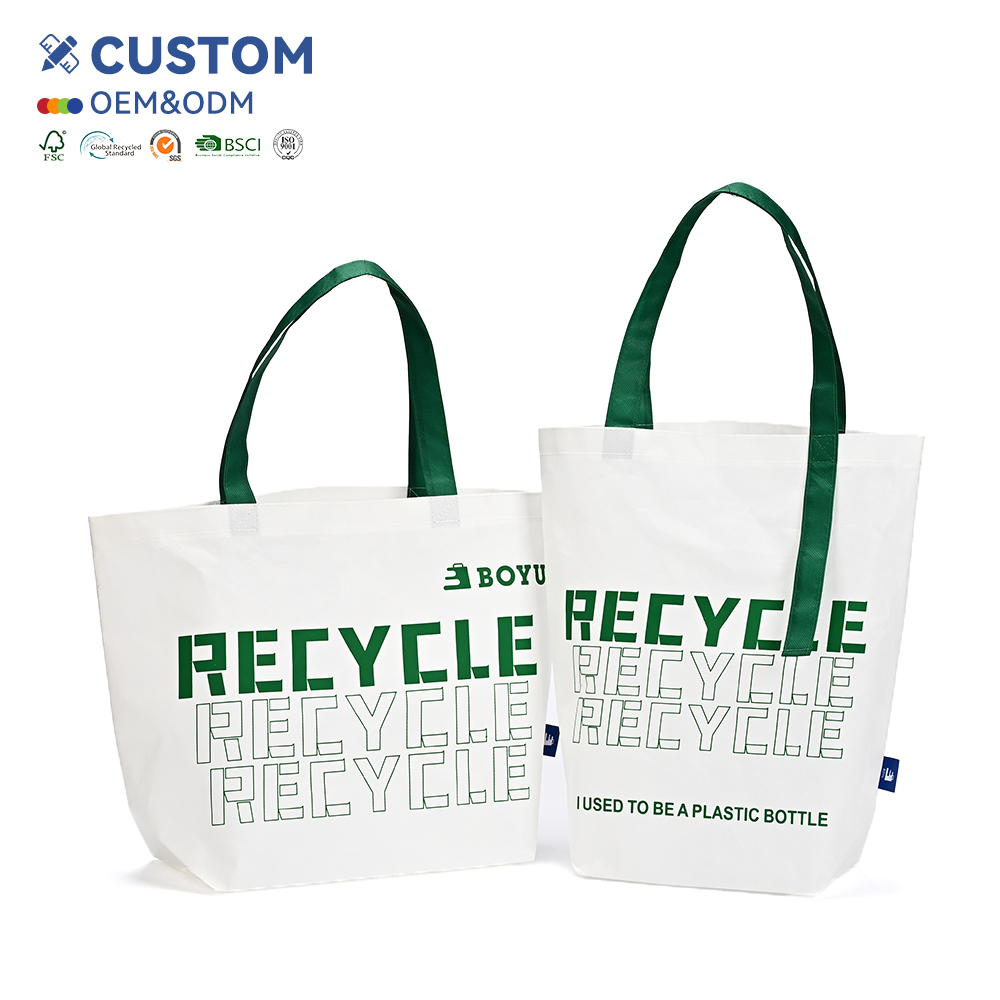
The rise of eco-conscious shopping has transformed how millions of consumers carry their groceries, commute to work, and present gifts. At the center of this cultural shift sits the humble yet powerful cotton bag — a reusable, biodegradable, and stylish alternative to single-use plastic. What was once considered a niche environmental statement has become a mainstream staple in homes, boutiques, farmers markets, and corporate gifting programs worldwide. Understanding why eco-friendly consumers consistently choose the cotton bag over competing alternatives reveals a fascinating intersection of environmental values, practical functionality, and evolving social identity.
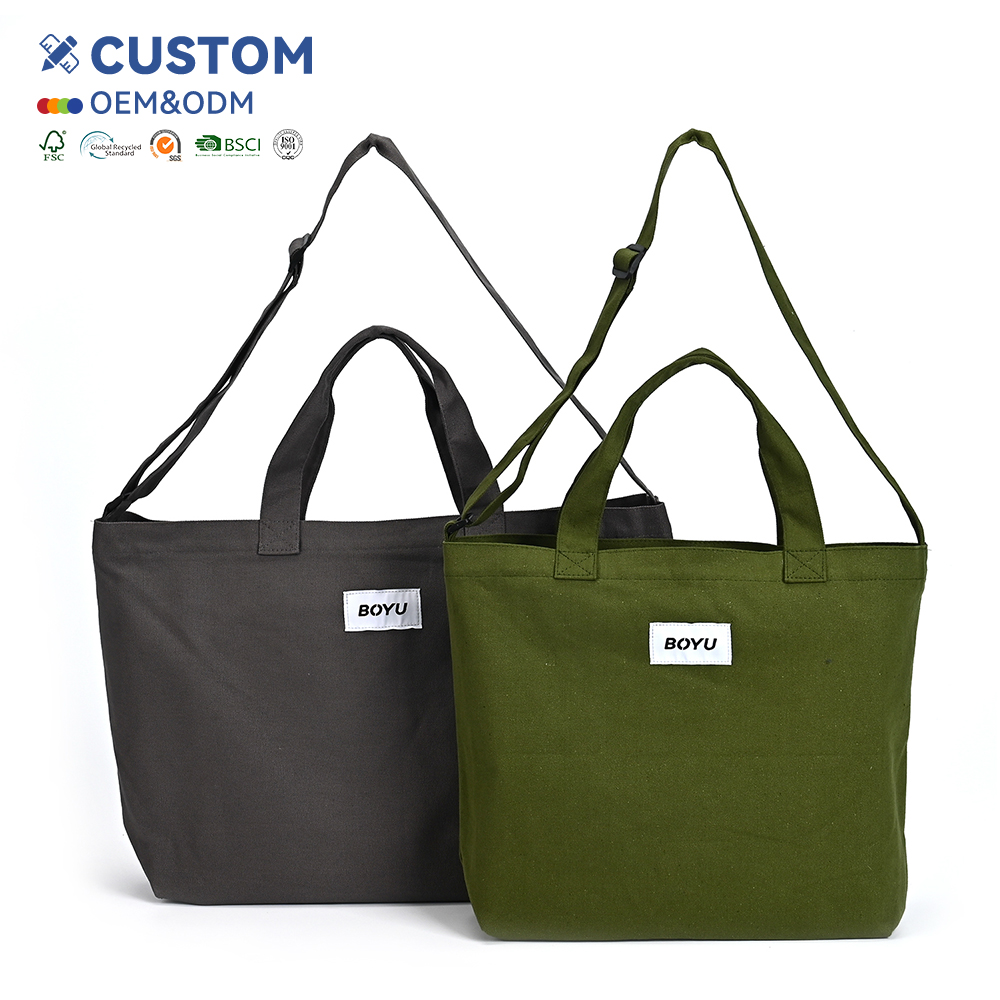
This growing preference is not simply a trend driven by marketing campaigns or regulatory pressure. It is a deeply rooted behavioral shift backed by tangible environmental benefits, long-term cost savings, and the unmistakable appeal of customization. For brands, retailers, and everyday shoppers alike, the cotton bag has become a symbol of responsible consumption. In this article, we explore the core reasons why eco-friendly consumers are drawn to cotton bags, what makes them stand apart from alternatives, and why their popularity continues to accelerate across global markets.
The Environmental Case for Choosing a Cotton Bag
Biodegradability and Reduced Plastic Waste
One of the most compelling reasons eco-friendly consumers prefer a cotton bag is its natural biodegradability. Unlike plastic bags, which can persist in landfills and oceans for hundreds of years, cotton is a plant-based fiber that decomposes relatively quickly under natural conditions. This means that when a cotton bag eventually reaches the end of its usable life, it does not leave behind microplastic particles that contaminate soil and water systems. For environmentally aware consumers, this distinction is fundamental — choosing cotton is a direct vote against plastic pollution.
The global plastic bag crisis has been well-documented, with billions of single-use bags discarded every year. Many of these end up in marine environments, harming wildlife and entering the food chain. A reusable cotton bag effectively removes the user from this cycle. Every time an eco-conscious shopper reaches for their cotton tote instead of accepting a plastic bag at checkout, they are making a measurable contribution to reducing plastic waste. This tangible cause-and-effect relationship is a powerful motivator for consumers who want their daily choices to reflect their environmental values.
Renewability of Cotton as a Natural Resource
Cotton is a renewable agricultural resource, and this characteristic resonates strongly with eco-minded buyers. Unlike petroleum-based synthetic materials used in many reusable bags, cotton grows from the earth and can be cultivated season after season. Organic cotton cultivation, in particular, avoids the use of synthetic pesticides and fertilizers, making the environmental footprint of an organic cotton bag even smaller. Consumers who research the materials behind their purchases often discover that organic cotton options align closely with their broader values around sustainable agriculture and chemical-free production.
For many eco-conscious buyers, the entire lifecycle of a product matters. The sourcing of raw materials, the manufacturing process, the product's useful lifespan, and its end-of-life impact are all evaluated before a purchase decision is made. A well-made cotton bag scores favorably across each of these stages, especially when compared to non-woven polypropylene bags or polyester totes that are technically reusable but still derived from fossil fuels. This lifecycle advantage is a key driver of cotton's ongoing popularity among informed environmental consumers.
Functional Strengths That Make the Cotton Bag a Daily Essential
Durability and Long-Term Usability
Beyond its environmental credentials, the cotton bag earns loyalty from consumers because it is genuinely practical. A high-quality cotton tote can carry substantial weight without tearing, making it ideal for grocery shopping, carrying books, transporting gym gear, or handling everyday errands. Cotton canvas, in particular, is known for its robust weave structure that resists wear and distributes load effectively. For consumers looking to replace hundreds of disposable bags with a single durable product, the structural integrity of a cotton bag is a decisive factor.
Durability directly amplifies the environmental benefit of any reusable bag. The longer a cotton bag remains in active use, the more plastic bags it displaces over time. Consumers who invest in a well-constructed cotton tote often find that it serves them reliably for years, particularly when the bag is properly maintained and washed. This longevity appeals to eco-friendly shoppers who are motivated not just by ideology but also by practical frugality — buying one good bag that lasts is both economically sensible and environmentally responsible.
Ease of Cleaning and Everyday Maintenance
Another functional advantage that eco-friendly consumers appreciate is how easy a cotton bag is to clean. Unlike bags made from coated synthetics or laminated materials, cotton can be tossed into a standard washing machine and comes out fresh and ready to use again. This matters significantly for shoppers who carry groceries, produce, and food items, as hygiene is a genuine concern with reusable bags. Knowing that a cotton bag can be laundered without special instructions or equipment removes one of the common barriers to adopting reusable alternatives.
The washability of cotton also means that a single cotton bag can serve multiple purposes without cross-contamination concerns. A bag used for raw produce on Monday can be cleaned and repurposed as a gym bag on Wednesday. This versatility encourages consistent use, which is ultimately what determines whether a reusable bag truly delivers on its environmental promise. Eco-conscious consumers who integrate cotton bags into their daily routines naturally become advocates for them, spreading awareness and influencing the shopping habits of those around them.
Customization and Social Identity: More Than Just a Bag
Personal Expression Through Custom Printing and Design
The cotton bag has evolved from a purely functional item into a canvas for self-expression. For eco-friendly consumers, carrying a cotton tote printed with a meaningful message, artwork, or brand identity is a way of communicating values to the world. Personalization options — including screen printing, embroidery, and heat transfer — allow individuals and organizations to create bags that reflect personality, humor, advocacy causes, or brand aesthetics. This emotional dimension significantly enhances the appeal of the cotton bag compared to generic alternatives.
For brands and businesses, offering a customized cotton bag as a promotional gift or retail product creates a powerful alignment between their identity and sustainability values. Recipients of custom cotton tote bags are far more likely to use them regularly compared to plastic bags or low-quality synthetic alternatives, precisely because the bags feel personal and meaningful. This consistent use translates into extended brand visibility and reinforces the gifting organization's green credentials in the eyes of recipients and bystanders alike.
The Role of Cotton Bags in Eco-Identity and Community Signaling
Eco-friendly consumers are often part of broader communities — online groups, local sustainability initiatives, zero-waste movements, or simply social circles where environmental awareness is a shared value. Within these communities, the cotton bag functions as a visible signal of belonging and shared commitment. Carrying a cotton tote in a grocery store or at a farmers market communicates alignment with specific values without requiring any verbal explanation. This social signaling aspect is a subtle but powerful driver of consumer behavior.
Research in consumer psychology consistently shows that people are motivated to adopt behaviors when those behaviors are visible, socially endorsed, and tied to identity. The cotton bag checks all three of these boxes. It is visually distinctive in public settings, it is widely endorsed by environmental advocates and sustainability organizations, and it has become closely associated with a conscious lifestyle identity. For many consumers, switching to cotton bags is not just a practical decision — it is an expression of who they are and what they care about.
Market Trends Reinforcing the Popularity of the Cotton Bag
Regulatory Shifts Away From Single-Use Plastics
Government policies around the world have been progressively restricting or banning single-use plastic bags, creating favorable conditions for alternatives like the cotton bag to flourish. In countries and regions where plastic bag fees or outright bans have been implemented, consumer behavior shifts quickly toward reusable options. Cotton bags benefit enormously from these regulatory tailwinds because they are widely available, affordable, and socially normalized. As more governments tighten restrictions on plastic packaging, the cotton bag market continues to expand alongside growing regulatory demand.
For businesses operating in retail, hospitality, and events management, the regulatory environment creates both pressure and opportunity. Replacing plastic bags with branded cotton bag options is no longer just an ethical choice — in many markets, it is a compliance requirement. This convergence of sustainability values and legal obligation has accelerated commercial adoption of cotton bags at scale, further embedding them in everyday consumer culture and making them the default choice for eco-aware shoppers globally.
Growing Consumer Awareness and Demand for Transparency
Today's eco-friendly consumers are more informed than ever before. Access to environmental data, sustainability certifications, and social media coverage of ecological issues has raised the baseline level of awareness about the impact of everyday purchasing decisions. In this context, the cotton bag benefits from being a straightforward, transparent product with well-understood environmental properties. Consumers do not need to research obscure technical specifications — they understand intuitively that a cotton bag is natural, reusable, and biodegradable.
This clarity of environmental benefit is a strategic advantage in a market where greenwashing concerns are rampant. Many consumers are skeptical of products that make vague sustainability claims without clear evidence. The cotton bag avoids this skepticism because its credentials are visible and tangible — the material itself tells the story. As demand for genuine sustainability grows alongside consumer sophistication, products with authentic eco-credentials like the cotton bag are positioned to strengthen their market presence rather than fade with shifting trends.
FAQ
How many times does a cotton bag need to be reused to offset its environmental impact?
The number of reuses required for a cotton bag to offset its production footprint compared to a single-use plastic bag depends on factors including cotton type, bag weight, and production methods. Organic cotton bags generally have a lower environmental footprint than conventionally grown ones. Most lifecycle analyses suggest that consistent reuse over months or years — especially when the bag is also washed efficiently — results in a significantly positive environmental outcome compared to repeated use of disposable plastic alternatives.
Is a cotton bag suitable for carrying heavy groceries?
Yes, a well-constructed cotton bag — particularly those made from canvas or heavy-weight cotton — is highly suitable for carrying groceries. Canvas cotton bags are known for their strength and load-bearing capacity, and quality construction with reinforced handles further enhances durability. Many shoppers rely on cotton totes for weekly grocery runs, and with proper care, these bags maintain their structural integrity over a long period of regular use.
Can a cotton bag be customized for business branding purposes?
Absolutely. The cotton bag is one of the most popular promotional merchandise items precisely because it offers excellent customization possibilities. Businesses can have their logos, slogans, and artwork applied through screen printing, embroidery, or heat transfer techniques. A custom cotton bag serves as a walking billboard for a brand while simultaneously communicating the company's commitment to sustainability — a combination that resonates strongly with eco-conscious customers and corporate gifting recipients.
How should a cotton bag be properly cared for to extend its lifespan?
Caring for a cotton bag is straightforward. Most cotton tote bags can be machine washed with cold or warm water using mild detergent. Avoiding high-heat drying cycles helps preserve the fabric and any printed designs. For bags with embroidery or detailed prints, gentle washing and air drying are recommended. Regular cleaning not only maintains hygiene but also preserves the bag's appearance and structural integrity, ensuring it continues to serve as a reliable and attractive everyday companion for years.