
 EN
EN
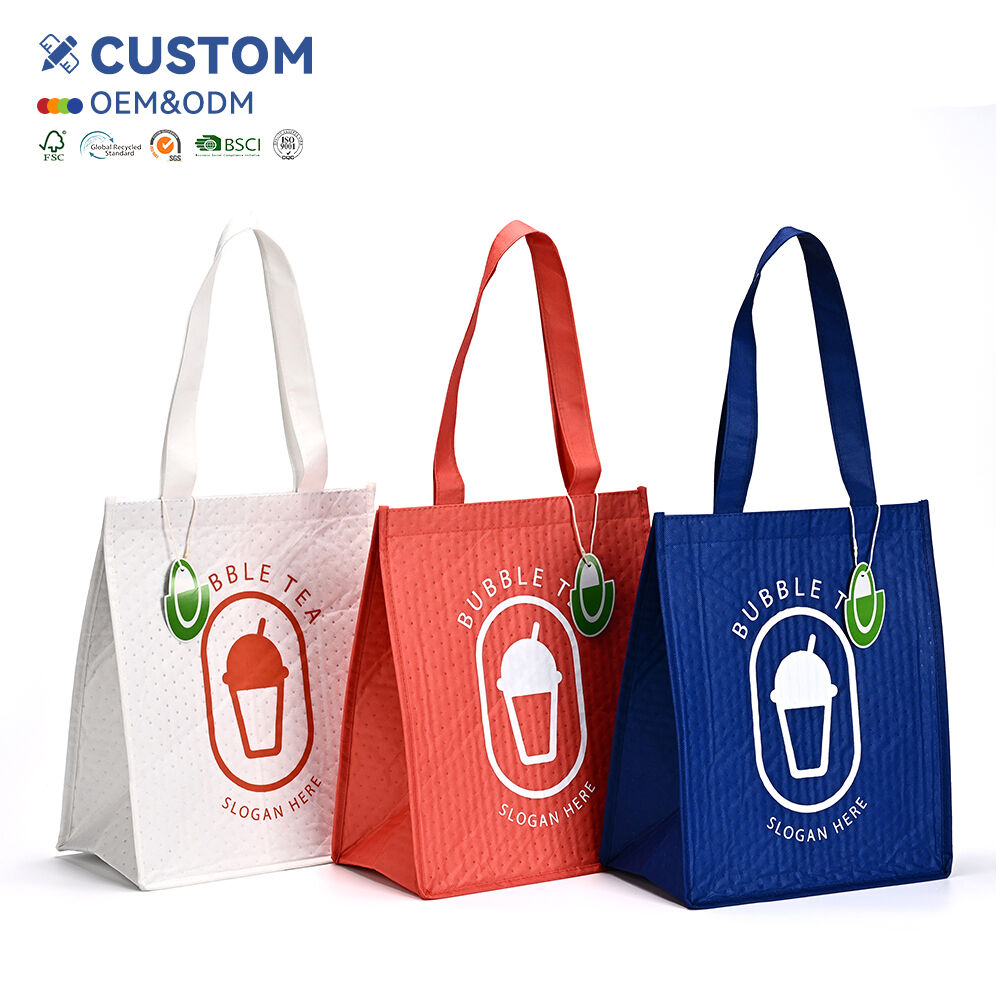
The rise of sustainable fashion and eco-conscious consumer behavior has transformed the retail landscape, placing natural fiber products at the forefront of market demand. Among these sustainable alternatives, the jute bag has emerged as a versatile solution that seamlessly bridges the gap between fashion-forward design and practical utility. This remarkable product category has witnessed unprecedented growth across diverse market segments, from high-end fashion boutiques to industrial packaging applications.
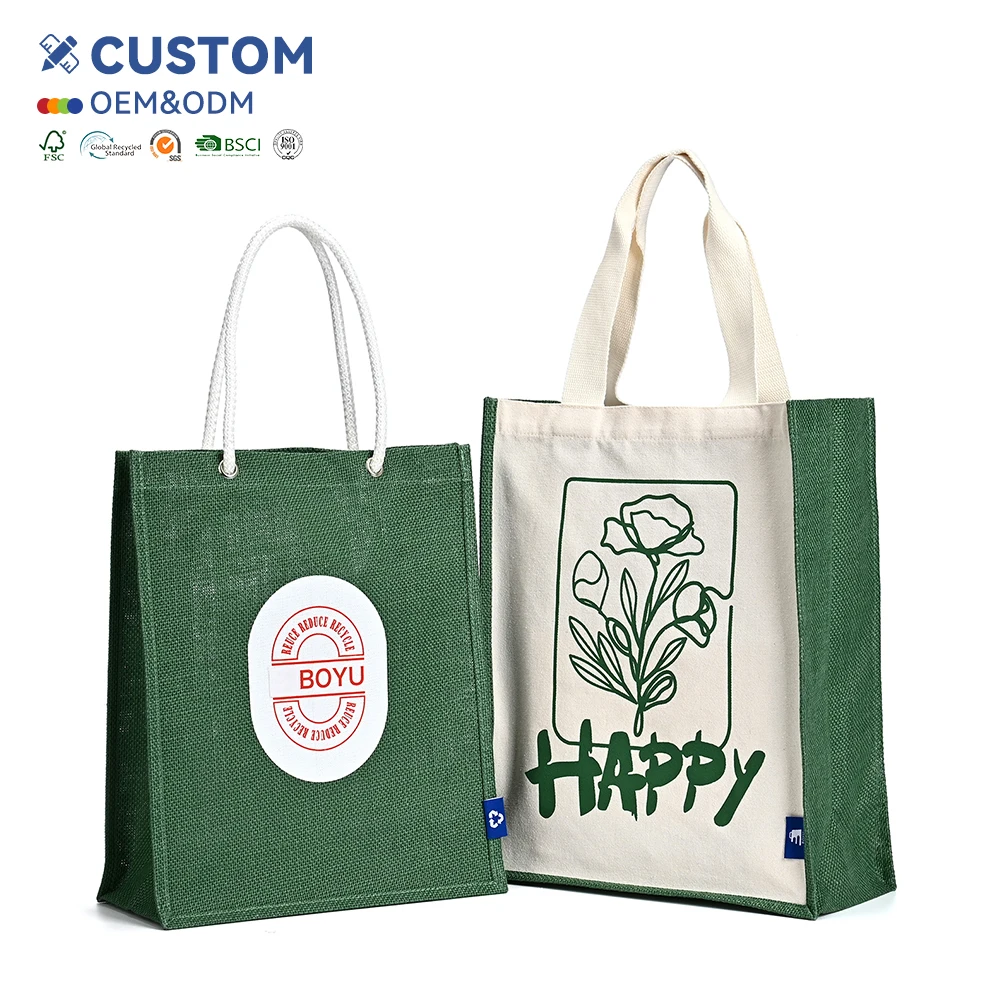
Understanding the dual appeal of jute bags requires examining their unique properties and market positioning. These natural fiber products offer exceptional durability while maintaining an aesthetic appeal that resonates with environmentally conscious consumers. The versatility of jute as a material allows manufacturers to create products that serve both functional and fashionable purposes, making each jute bag suitable for various applications across different consumer demographics.
Market research indicates that the global jute bag industry has experienced significant expansion, driven by increasing environmental awareness and regulatory changes regarding plastic usage. This growth trajectory reflects consumer preferences shifting toward sustainable alternatives that do not compromise on quality or visual appeal. The success of jute bags in penetrating both fashion and utility markets demonstrates the material's adaptability to diverse consumer needs and preferences.
Environmental Benefits Driving Market Adoption
Biodegradability and Sustainability Features
The environmental advantages of jute bags have become a primary selling point across both fashion and utility markets. Unlike synthetic alternatives, every jute bag naturally decomposes within months when exposed to soil conditions, leaving no harmful residues or microplastics in the environment. This biodegradability characteristic makes jute bags particularly attractive to environmentally conscious consumers who prioritize sustainable purchasing decisions.
Manufacturing processes for jute bags typically require minimal chemical treatments compared to synthetic bag production, resulting in reduced environmental impact throughout the supply chain. The natural properties of jute fibers allow for processing methods that consume less energy and water, contributing to a lower carbon footprint. This environmental efficiency has made jute bag production increasingly attractive to manufacturers seeking sustainable production alternatives.
Carbon Footprint Reduction Capabilities
Studies have shown that jute bag production generates significantly lower carbon emissions compared to plastic or synthetic bag manufacturing. The cultivation of jute plants actually contributes to carbon sequestration, as these crops absorb atmospheric carbon dioxide during their growth cycle. This unique characteristic means that each jute bag represents a net positive environmental contribution rather than just a neutral alternative.
The renewable nature of jute cultivation supports agricultural sustainability while providing economic opportunities for farming communities. Unlike petroleum-based materials, jute can be harvested annually without depleting natural resources, ensuring a consistent supply chain for jute bag manufacturers. This renewable characteristic has attracted environmentally focused brands seeking to reduce their overall environmental impact.
Fashion Industry Integration and Design Innovation
High-End Fashion Applications
The fashion industry has embraced jute bags as a sophisticated accessory option that aligns with contemporary sustainable fashion trends. Luxury brands have incorporated jute bag designs into their collections, elevating the material from utilitarian applications to high-fashion accessories. These designer jute bags often feature premium finishes, custom hardware, and innovative construction techniques that rival traditional leather goods in terms of aesthetic appeal.
Fashion designers have discovered that jute's natural texture provides an excellent foundation for various decorative treatments, including embroidery, printing, and embellishment applications. The versatility of jute allows for sophisticated color treatments and pattern applications that create unique visual effects. This adaptability has enabled fashion brands to create distinctive jute bag collections that appeal to style-conscious consumers seeking sustainable alternatives.
Customization and Branding Opportunities
The natural properties of jute fabric make each jute bag an ideal canvas for custom branding and personalization applications. Fashion retailers have leveraged this characteristic to create exclusive branded products that reflect their company values while providing practical utility. Screen printing, heat transfer, and embroidered logo applications adhere exceptionally well to jute surfaces, ensuring long-lasting brand visibility.
The customization potential of jute bags has attracted corporate clients seeking promotional products that align with sustainability initiatives. Companies can create branded jute bag designs that serve as effective marketing tools while demonstrating environmental responsibility. This dual functionality has made customized jute bags popular choices for corporate events, trade shows, and customer appreciation programs.
Utility Market Applications and Industrial Uses
Commercial and Retail Applications
The utility market has adopted jute bags for numerous commercial applications due to their exceptional strength-to-weight ratio and cost-effectiveness. Retail establishments have implemented jute bag programs as eco-friendly alternatives to plastic shopping bags, often offering branded versions that serve as ongoing marketing tools. The durability of jute bags allows for repeated use, providing value for both retailers and consumers.
Agricultural markets have found jute bags particularly suitable for packaging and transporting various products, from coffee beans to grain storage applications. The breathable nature of jute fabric helps maintain product freshness while providing adequate protection during transportation and storage. This functionality has made jute bag solutions popular among organic food retailers and specialty agricultural producers.
Industrial Packaging Solutions
Industrial applications for jute bags have expanded beyond traditional agricultural uses to include construction materials, industrial components, and bulk goods packaging. The strength characteristics of jute fibers allow for heavy-duty applications while maintaining cost-effectiveness compared to synthetic alternatives. Manufacturing facilities have adopted jute bag systems for internal material handling and storage applications.
The moisture-resistant properties of treated jute bags make them suitable for various industrial storage applications where product protection is essential. These characteristics have made jute bags valuable for temporary storage solutions, construction site applications, and specialty industrial packaging requirements. The versatility of jute bag designs allows for customization to meet specific industrial application needs.
Consumer Behavior and Market Trends
Demographic Appeal Across Age Groups
Market research reveals that jute bag appeal spans across multiple demographic segments, with particularly strong adoption among environmentally conscious millennials and Generation Z consumers. These younger demographics prioritize sustainable products and are willing to pay premium prices for eco-friendly alternatives that align with their values. The aesthetic appeal of jute bags complements the lifestyle preferences of these consumer groups.
Older consumer demographics have embraced jute bags for their practical utility and durability characteristics. These consumers appreciate the functional aspects of jute bags, including their strength, reusability, and cost-effectiveness over time. The crossover appeal of jute bags across age groups has contributed to their widespread market adoption and continued growth potential.
Price Point Accessibility and Value Proposition
The competitive pricing of jute bags has made them accessible to consumers across various income levels while providing superior value compared to disposable alternatives. The initial investment in a quality jute bag typically pays for itself through repeated use, making them economically attractive options for budget-conscious consumers. This value proposition has supported widespread adoption across diverse market segments.
Bulk purchasing options for jute bags have made them attractive to organizations and businesses seeking cost-effective sustainable solutions. Volume pricing structures allow for significant cost savings while supporting environmental initiatives. This economic advantage has contributed to increased adoption by corporate clients and institutional purchasers seeking sustainable procurement options.
Manufacturing and Supply Chain Considerations
Production Scalability and Quality Control
Modern jute bag manufacturing has evolved to incorporate advanced quality control measures that ensure consistent product standards across large production runs. Automated cutting and sewing technologies have improved production efficiency while maintaining the handcrafted aesthetic that consumers associate with jute products. These technological advances have enabled manufacturers to meet growing market demand while controlling production costs.
Quality assurance protocols for jute bag production focus on fiber consistency, stitching durability, and dimensional accuracy to ensure customer satisfaction. Manufacturers have implemented testing procedures that verify load-bearing capacity, handle strength, and overall construction integrity. These quality measures have enhanced consumer confidence in jute bag products and supported market expansion efforts.
Global Sourcing and Distribution Networks
The global jute bag supply chain has developed sophisticated distribution networks that connect producers in traditional jute-growing regions with markets worldwide. Established trade relationships and logistics partnerships have enabled efficient product delivery while maintaining competitive pricing structures. This supply chain efficiency has supported the growth of jute bag markets in regions without local production capabilities.
International quality standards and certification programs have facilitated global trade in jute bag products by establishing consistent quality benchmarks and environmental compliance measures. These standards help ensure that imported jute bags meet local regulatory requirements while supporting fair trade practices. The standardization of jute bag specifications has simplified purchasing decisions for international buyers and distributors.
Future Market Outlook and Innovation Opportunities
Technological Advancements in Jute Processing
Emerging technologies in jute fiber processing are creating opportunities for enhanced product characteristics and new application possibilities. Advanced treatment methods are being developed to improve water resistance, durability, and color retention in jute bag products. These technological improvements are expanding the potential applications for jute bags while maintaining their environmental advantages.
Research into jute fiber blending with other natural materials is producing innovative fabric combinations that offer improved performance characteristics. These hybrid materials maintain the environmental benefits of jute while providing enhanced functionality for specific applications. The development of these advanced jute materials is creating new market opportunities and product differentiation possibilities.
Market Expansion Potential and Emerging Applications
The continued growth of environmental awareness and sustainable consumption trends suggests significant expansion potential for jute bag markets. Regulatory changes restricting single-use plastics in various jurisdictions are creating mandatory markets for sustainable alternatives like jute bags. This regulatory support is expected to drive continued market growth and innovation in jute bag applications.
Emerging applications for jute bags include specialty packaging for premium products, promotional merchandise for eco-conscious brands, and custom solutions for specific industry needs. The versatility of jute bag designs allows for adaptation to new market requirements as they develop. This adaptability positions jute bags well for continued market expansion across diverse application areas.
FAQ
What makes jute bags suitable for both fashion and utility applications?
Jute bags offer a unique combination of durability, aesthetic appeal, and environmental sustainability that makes them versatile across different market segments. The natural texture of jute provides an attractive appearance that works well for fashion applications, while the material's strength and breathability make it practical for utility uses. This dual functionality allows jute bags to serve both decorative and functional purposes effectively.
How do jute bags compare to plastic bags in terms of environmental impact?
Jute bags have a significantly lower environmental impact compared to plastic bags throughout their lifecycle. While plastic bags can take hundreds of years to decompose and release harmful microplastics, jute bags naturally biodegrade within months without leaving toxic residues. Additionally, jute cultivation actually absorbs carbon dioxide from the atmosphere, making jute bags carbon-neutral or even carbon-negative products.
What factors should consumers consider when purchasing jute bags?
When purchasing jute bags, consumers should evaluate factors including construction quality, handle strength, size requirements, and intended usage patterns. Look for reinforced stitching, comfortable handles, and appropriate dimensions for your needs. Consider whether you need water-resistant treatments or specific design features like inner pockets or closure systems. Quality jute bags should feel substantial and well-constructed while maintaining flexibility.
Can jute bags be customized for business or promotional use?
Yes, jute bags are excellent candidates for customization and branding applications. The natural jute surface accepts various printing methods including screen printing, heat transfer, and digital printing techniques. Embroidery and applique treatments also work well on jute fabric. Many manufacturers offer custom sizing, color options, and bulk pricing for business customers seeking branded promotional products that align with sustainability goals.