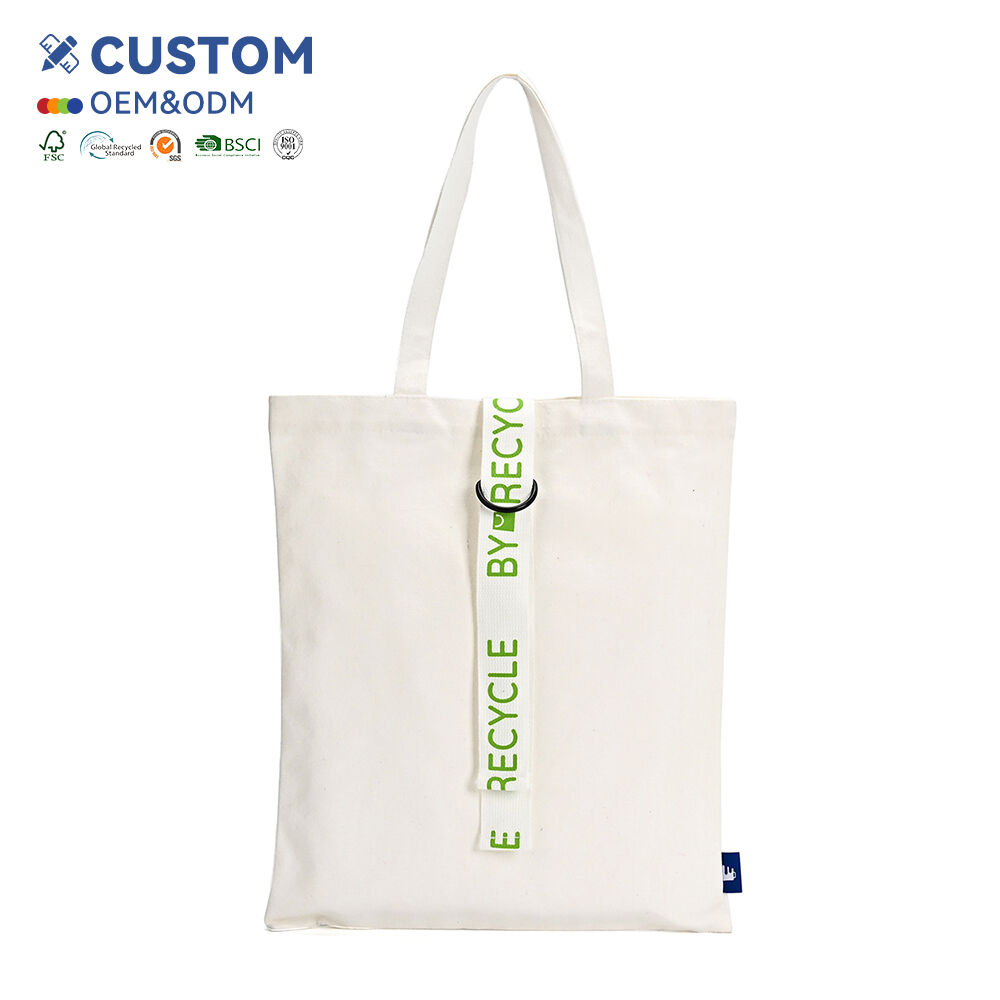
Premium Cotton and Jute Bag Factory | Sustainable Manufacturing Solutions

All Categories

Get a Free Quote

Our representative will contact you soon.
Email
Name
Company Name
Message
0/1000

cotton and jute bag factory

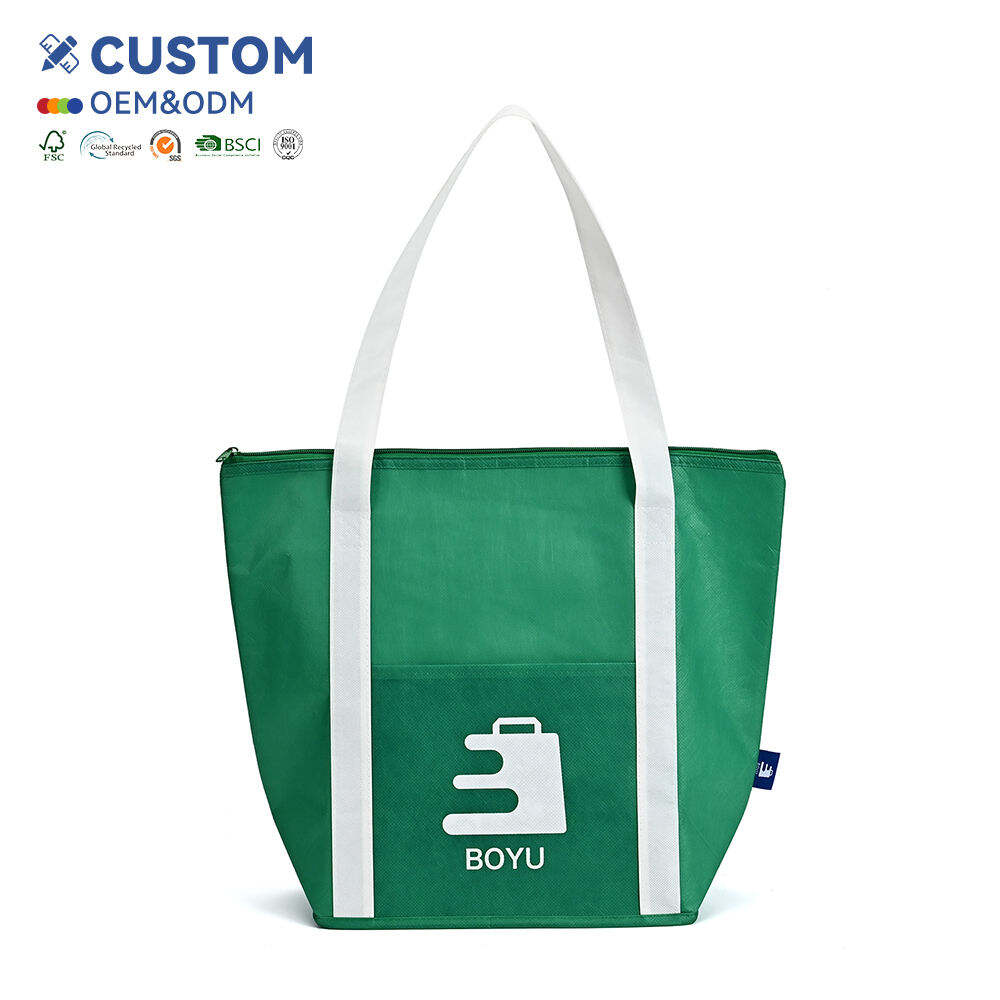
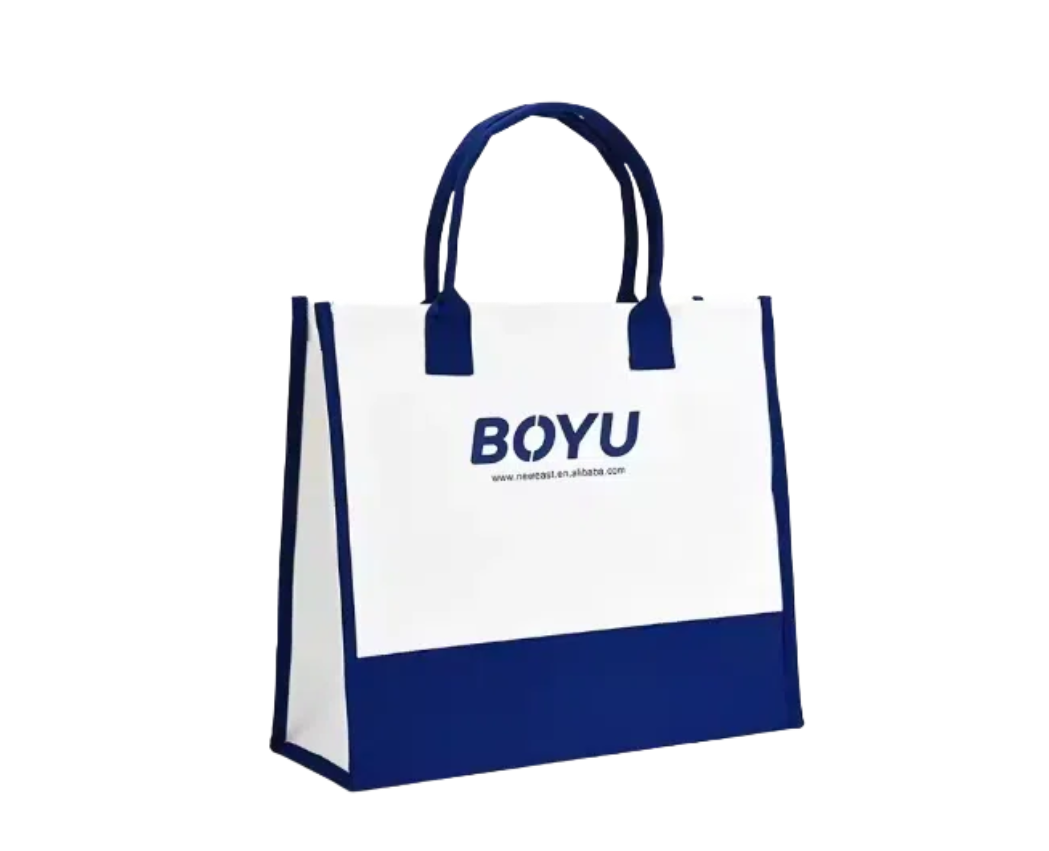
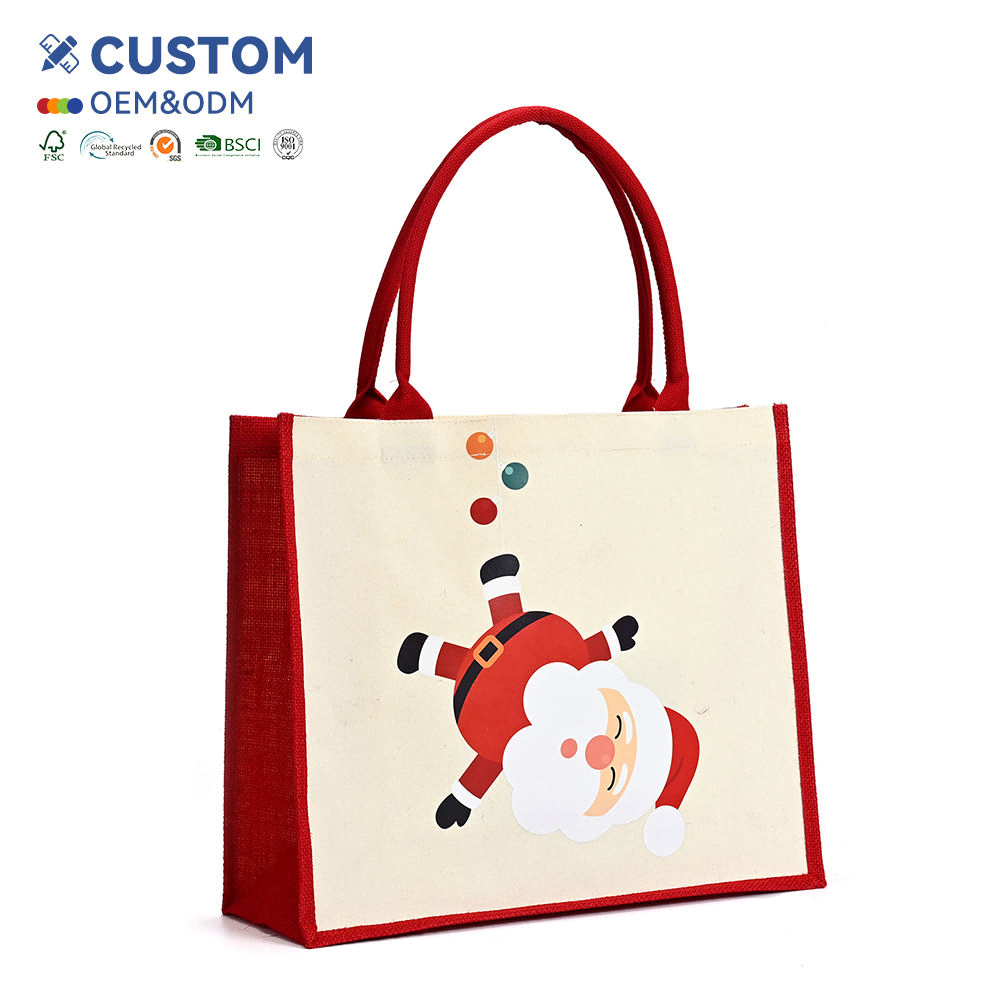
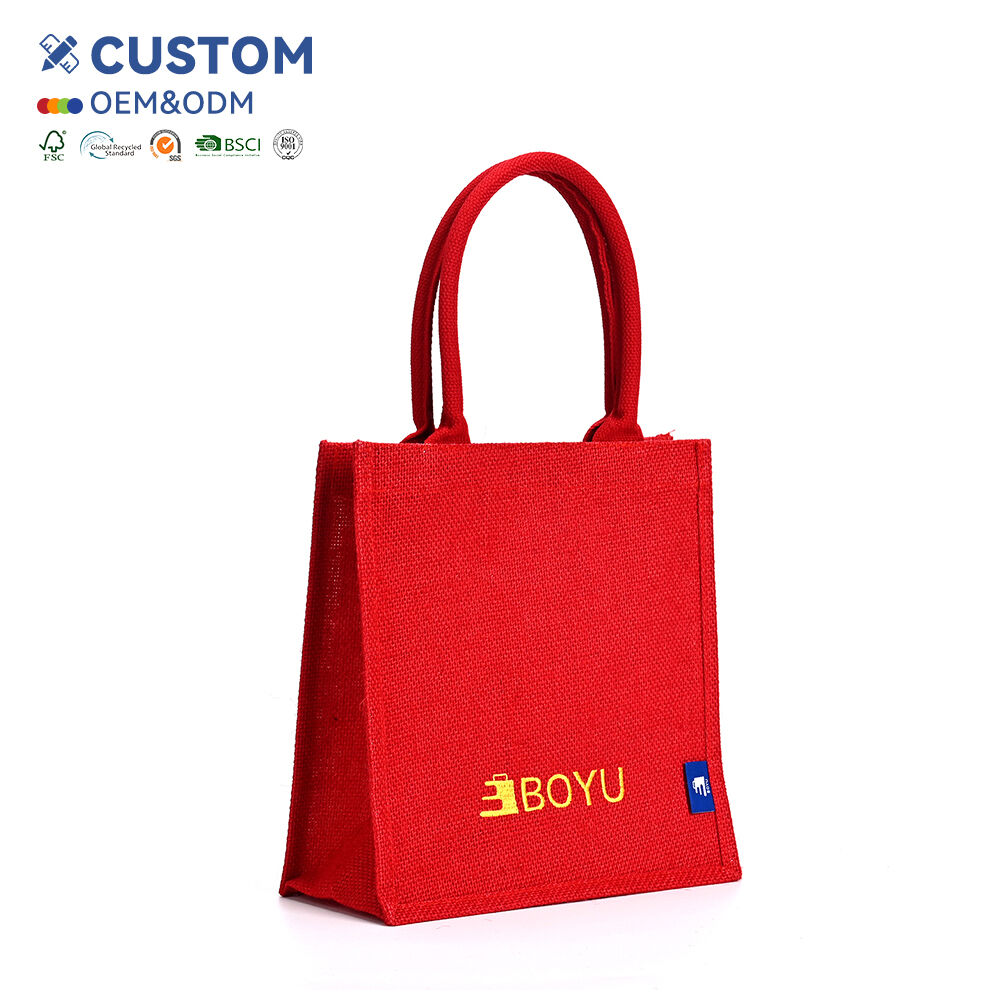
A cotton and jute bag factory represents a specialized manufacturing facility dedicated to producing eco-friendly, sustainable textile bags from natural fiber materials. These factories serve as crucial hubs for creating environmentally conscious alternatives to plastic bags, combining traditional craftsmanship with modern production techniques. The primary function of a cotton and jute bag factory involves transforming raw cotton fibers and jute materials into durable, reusable bags suitable for various commercial and personal applications. The manufacturing process begins with sourcing high-quality cotton and jute fibers, which undergo thorough cleaning, sorting, and preparation procedures. Advanced spinning machinery converts these raw materials into strong, consistent threads that form the foundation of bag construction. The cotton and jute bag factory employs sophisticated weaving technologies, including power looms and specialized textile equipment, to create fabric with optimal strength-to-weight ratios. Quality control systems monitor every production stage, ensuring consistent texture, durability, and appearance across all manufactured bags. Modern factories integrate computerized cutting systems that maximize material utilization while minimizing waste, supporting both economic efficiency and environmental responsibility. The technological features of these facilities include automated stitching machines capable of handling heavy-duty seaming requirements, heat-pressing equipment for applying logos and designs, and finishing stations that add handles, reinforcements, and decorative elements. Applications for cotton and jute bag factory products span numerous industries, including retail shopping bags, promotional merchandise, agricultural storage solutions, and specialty packaging for organic products. These facilities often maintain flexible production capabilities, accommodating custom orders ranging from small boutique quantities to large corporate contracts, making them versatile partners for businesses seeking sustainable packaging solutions.


Popular Products

Cotton and jute bag factories offer remarkable environmental benefits that directly address growing concerns about plastic pollution and sustainability. These facilities produce completely biodegradable products that decompose naturally without leaving harmful residues, unlike synthetic alternatives that persist in landfills for decades. The manufacturing process generates minimal chemical waste, utilizing natural fiber processing methods that avoid toxic dyes and harmful chemicals commonly associated with synthetic bag production. Customers benefit from supporting cotton and jute bag factory operations because these facilities contribute to reduced carbon footprints through localized production and sustainable sourcing practices. Economic advantages emerge from the durability and reusability of cotton and jute bags, which provide exceptional value compared to disposable alternatives. A single bag produced by a cotton and jute bag factory can replace hundreds of plastic bags throughout its lifetime, delivering substantial cost savings for businesses and consumers alike. The strength characteristics of cotton and jute materials enable these bags to carry heavier loads without tearing or breaking, making them practical choices for grocery shopping, retail purchases, and storage applications. Customization capabilities represent another significant advantage, as cotton and jute bag factories can accommodate specific branding requirements, size specifications, and design preferences. This flexibility allows businesses to create unique promotional materials that effectively communicate brand values while demonstrating environmental responsibility. Production scalability ensures that cotton and jute bag factories can meet varying demand levels, from small artisan operations to large retail chains requiring consistent supply volumes. Quality assurance processes implemented by professional factories guarantee consistent product standards, reducing the risk of defective merchandise that could damage brand reputation. The natural antimicrobial properties of cotton and jute materials provide hygienic storage solutions, particularly valuable for food-related applications. Additionally, these factories often employ local workers, contributing to community economic development while maintaining shorter supply chains that reduce transportation costs and environmental impact.

Tips And Tricks

How Do Non Woven Bags Support Eco-Friendly Packaging Solutions?

27

Nov

How Do Non Woven Bags Support Eco-Friendly Packaging Solutions?

Sustainable packaging has become a critical concern for businesses and consumers worldwide as environmental awareness continues to grow. Companies are increasingly seeking alternatives to traditional plastic packaging that can reduce their carbon foo...
View More
How Do Tote Bags Benefit Retailers and Fashion Brands?

27

Nov

How Do Tote Bags Benefit Retailers and Fashion Brands?

In today's competitive retail landscape, businesses constantly seek innovative ways to enhance brand visibility while providing practical value to customers. The humble tote bag has emerged as one of the most versatile and effective marketing tools a...
View More
How Can Jute Bags Be Maintained for Long-Term Durability?

27

Nov

How Can Jute Bags Be Maintained for Long-Term Durability?

Sustainable shopping solutions have gained tremendous popularity in recent years, with environmentally conscious consumers seeking alternatives to plastic bags. Among these eco-friendly options, the jute bag stands out as a durable, biodegradable, an...
View More
Why Are Cork Bags a Trending Alternative to Leather Bags?

27

Nov

Why Are Cork Bags a Trending Alternative to Leather Bags?

The fashion industry is experiencing a significant shift toward sustainable and eco-friendly alternatives, with consumers increasingly seeking products that align with their environmental values. Among the most notable innovations in this space is th...
View More

Get a Free Quote

Our representative will contact you soon.
Email
Name
Company Name
Message
0/1000

cotton and jute bag factory

Advanced Sustainable Manufacturing Technology

Advanced Sustainable Manufacturing Technology

Cotton and jute bag factories leverage cutting-edge sustainable manufacturing technology that revolutionizes traditional textile production methods while maintaining environmental integrity. These facilities integrate state-of-the-art machinery specifically designed for natural fiber processing, including high-efficiency carding machines that align cotton and jute fibers for optimal strength and consistency. The technological infrastructure incorporates computerized weaving systems that precisely control tension, density, and pattern formation, ensuring uniform product quality across large production runs. Modern cotton and jute bag factories utilize automated cutting systems equipped with laser precision technology, maximizing material utilization while minimizing waste generation. These systems can process multiple fabric layers simultaneously, significantly improving production efficiency while maintaining exact dimensional accuracy. The implementation of programmable stitching machines allows for complex seaming patterns that enhance bag durability and aesthetic appeal, while reducing labor costs and production time. Quality monitoring systems continuously track fabric thickness, thread strength, and structural integrity throughout the manufacturing process, identifying potential issues before they affect final product quality. Energy-efficient production lines incorporate renewable power sources, including solar panels and wind generators, reducing operational costs while minimizing environmental impact. Water recycling systems capture and purify process water, enabling reuse in subsequent production cycles and dramatically reducing freshwater consumption. The technological advantages extend to inventory management systems that optimize raw material procurement, production scheduling, and finished goods distribution, ensuring efficient resource allocation and customer satisfaction. Advanced dyeing and printing equipment enables cotton and jute bag factories to apply eco-friendly colorants and graphics without compromising material integrity or environmental standards. These technological capabilities position modern factories to meet increasing demand for sustainable packaging solutions while maintaining competitive pricing and superior product quality.
Comprehensive Quality Assurance and Customization Services

Comprehensive Quality Assurance and Customization Services

Cotton and jute bag factories excel in providing comprehensive quality assurance programs combined with extensive customization services that meet diverse client requirements and exceed industry standards. The quality assurance framework begins with rigorous raw material inspection, where incoming cotton and jute fibers undergo thorough testing for strength, consistency, and purity levels. Laboratory facilities within these factories conduct standardized tests including tensile strength analysis, colorfastness evaluation, and dimensional stability assessments to ensure every batch meets predetermined specifications. The comprehensive approach extends throughout the entire production process, with quality control checkpoints at critical manufacturing stages including fiber preparation, weaving, cutting, and final assembly. Experienced quality technicians monitor thread count consistency, seam strength integrity, and handle attachment durability using calibrated testing equipment and established protocols. Customization services represent a cornerstone advantage of cotton and jute bag factories, offering clients unprecedented flexibility in product design, sizing, and branding applications. Professional design teams collaborate with customers to develop unique bag configurations that align with specific functional requirements and aesthetic preferences. The customization capabilities encompass various printing techniques, including screen printing, digital printing, and embroidery options that accommodate complex logos, graphics, and text applications. Size modification services enable factories to produce bags ranging from small promotional items to large industrial storage solutions, with precise dimensional control and consistent proportions. Color customization utilizes extensive palettes of natural and synthetic dyes that maintain colorfastness while preserving the environmental benefits of cotton and jute materials. Handle variations include cotton rope, jute twine, and reinforced fabric straps, each engineered for specific load-bearing requirements and user preferences. The comprehensive service package includes prototype development, allowing clients to evaluate design concepts before committing to full production runs, reducing risk and ensuring satisfaction with final products.
Cost-Effective Production with Environmental Responsibility

Cost-Effective Production with Environmental Responsibility

Cotton and jute bag factories deliver exceptional cost-effectiveness while maintaining unwavering commitment to environmental responsibility, creating sustainable business solutions that benefit both profit margins and ecological preservation. The cost advantages begin with efficient raw material utilization, where advanced manufacturing processes minimize waste generation and maximize yield from each unit of cotton and jute fiber input. Bulk purchasing agreements with certified sustainable suppliers ensure consistent material availability at competitive prices, while supporting responsible farming practices that preserve soil health and biodiversity. Production efficiency improvements through automated systems and skilled workforce training result in reduced labor costs per unit, enabling competitive pricing without compromising quality standards. The environmental responsibility framework encompasses every aspect of factory operations, from renewable energy utilization to waste stream management and water conservation initiatives. Cotton and jute bag factories implement closed-loop production systems that recycle manufacturing byproducts into useful applications, including composting organic waste and repurposing fabric scraps for secondary products. Carbon footprint reduction strategies include localized sourcing networks that minimize transportation distances and emissions, while supporting regional agricultural communities and reducing supply chain complexity. Energy-efficient production equipment operates with minimal power consumption while maintaining high output rates, supported by smart grid integration and demand optimization algorithms. Water treatment facilities process and purify all industrial wastewater before discharge, ensuring compliance with environmental regulations while protecting local water resources. The cost-effectiveness extends to packaging and distribution strategies, where compressed packaging techniques reduce shipping volumes and associated transportation costs. Long-term partnerships with environmentally conscious suppliers create stable pricing structures that protect against market volatility while ensuring consistent supply of sustainably sourced materials. These cotton and jute bag factories often achieve certifications from recognized environmental organizations, adding value for customers seeking verified sustainable suppliers and potentially qualifying for green procurement incentives and tax advantages available to environmentally responsible businesses.

Get a Free Quote

Our representative will contact you soon.
Email
Name
Company Name
Message
0/1000