non woven bag business
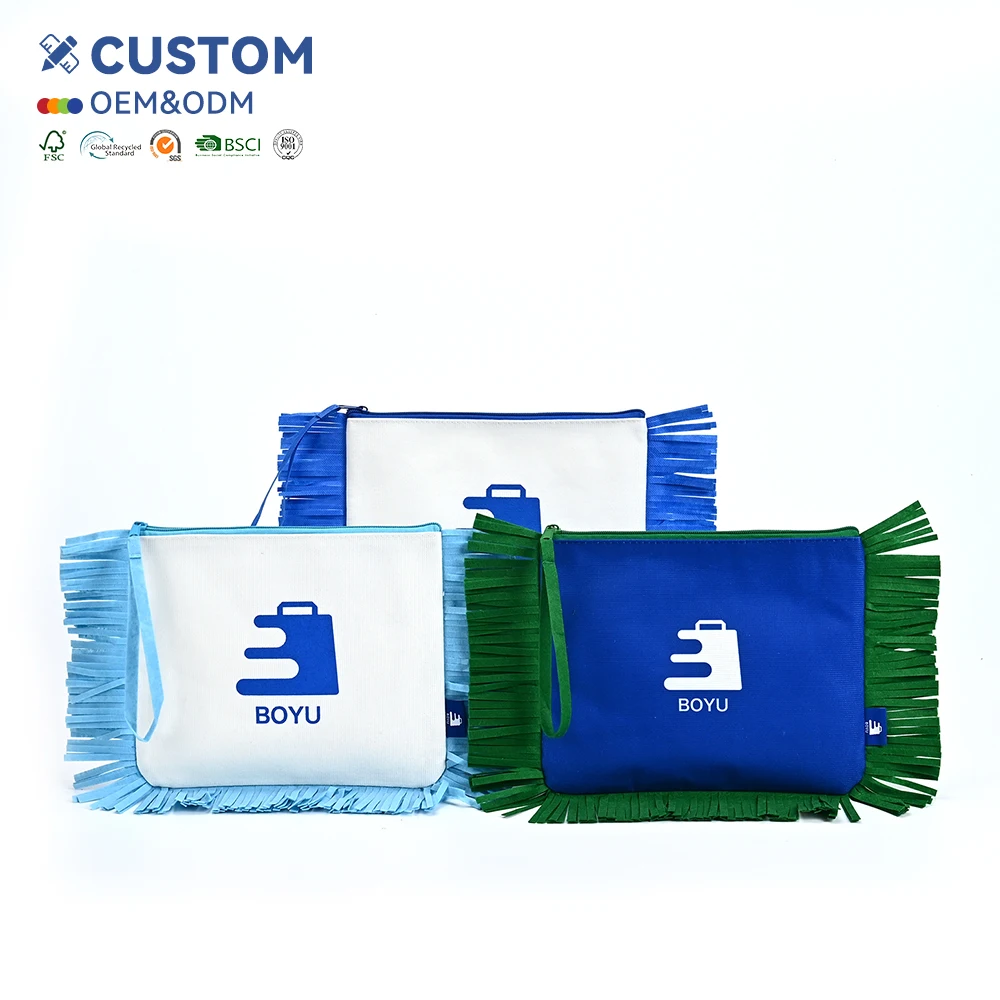
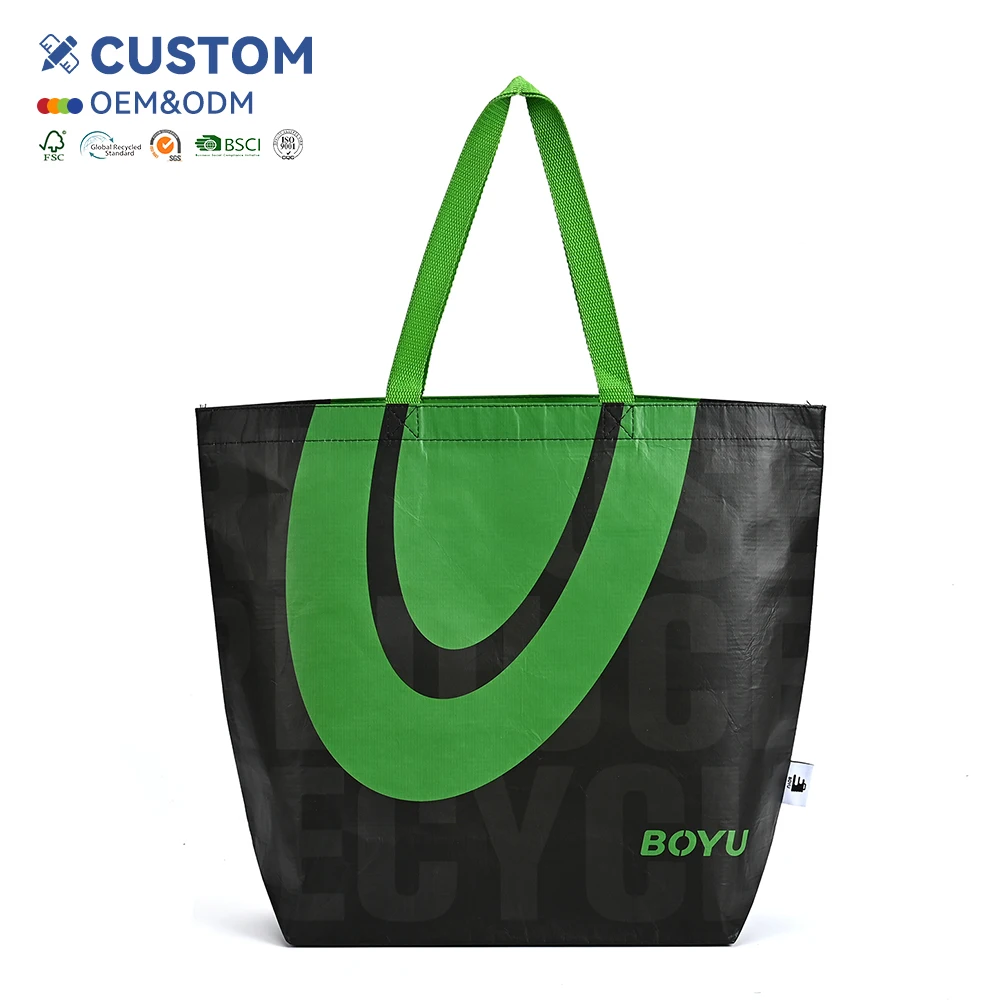
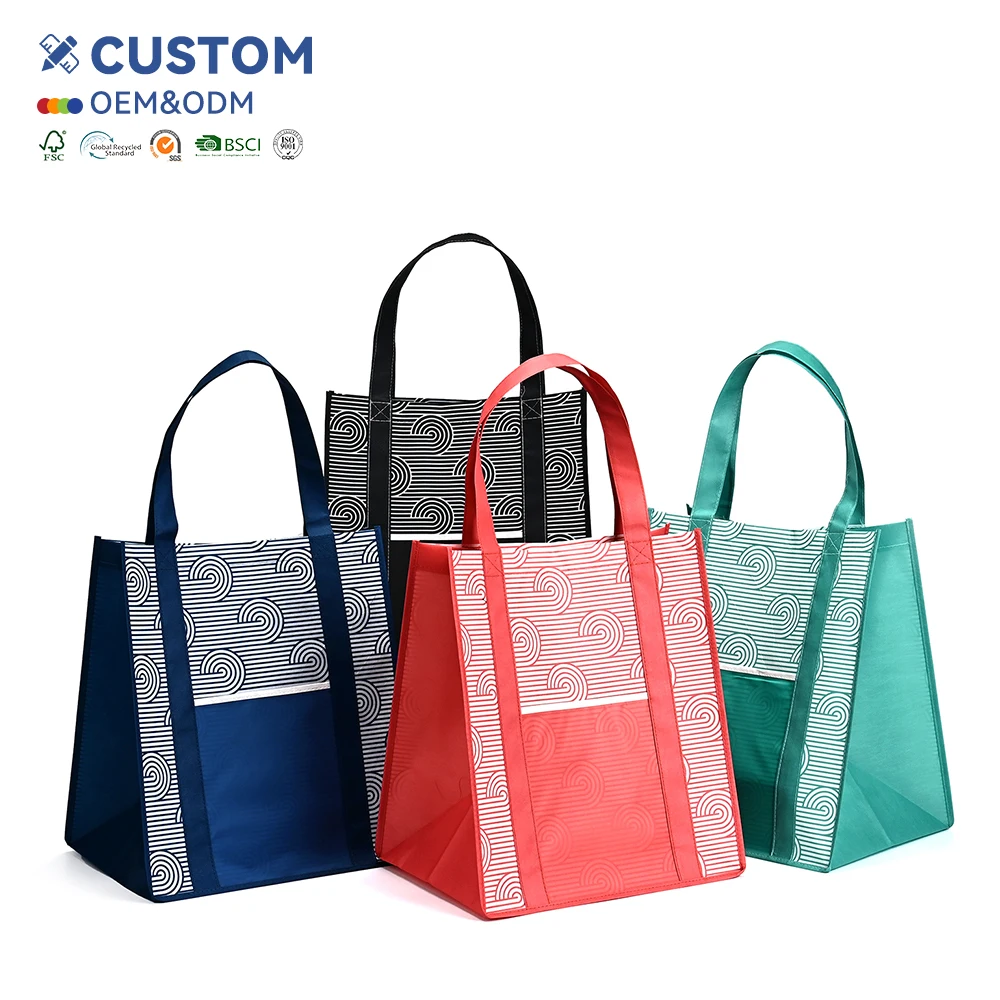
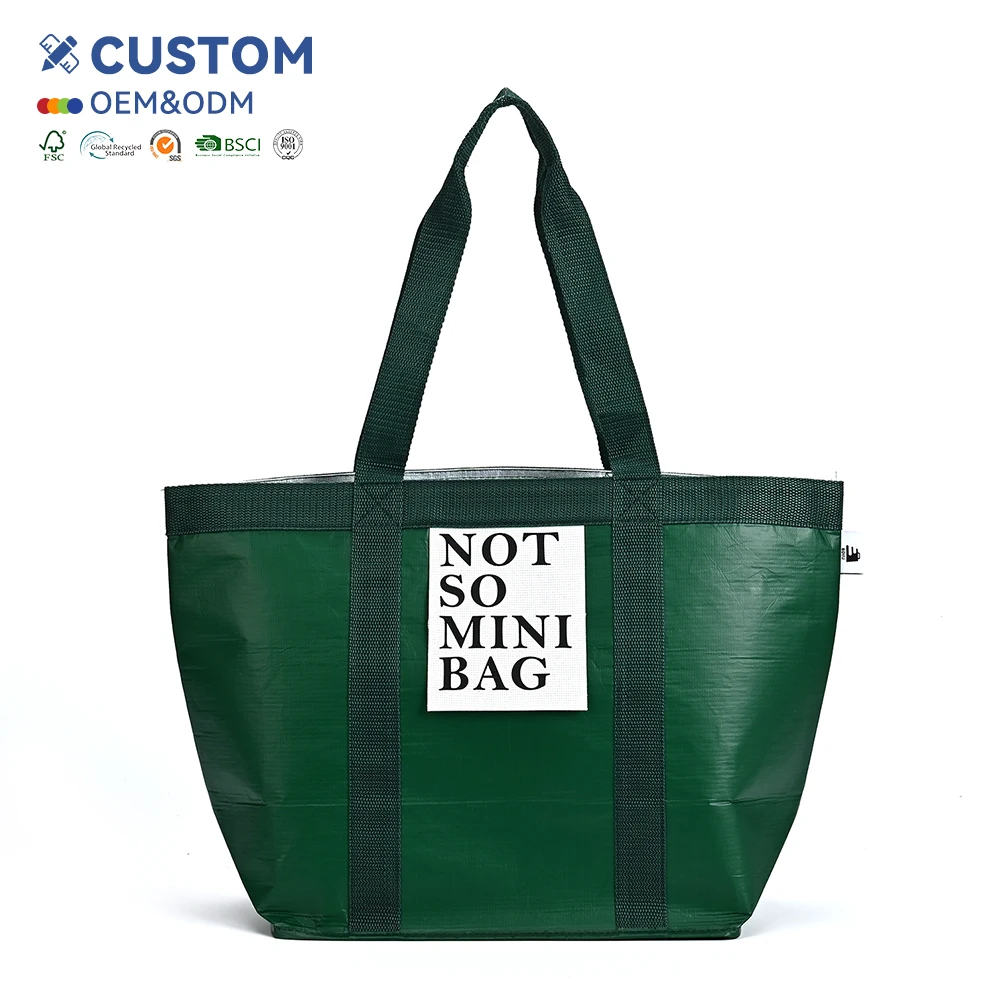
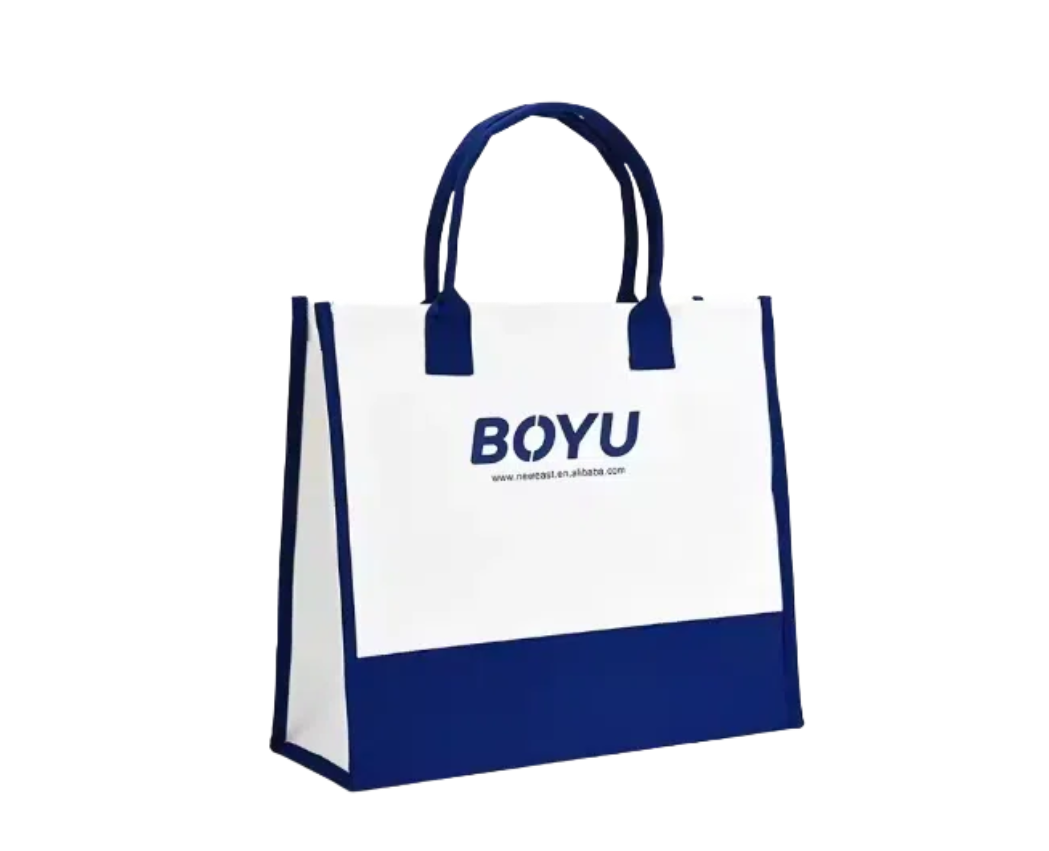
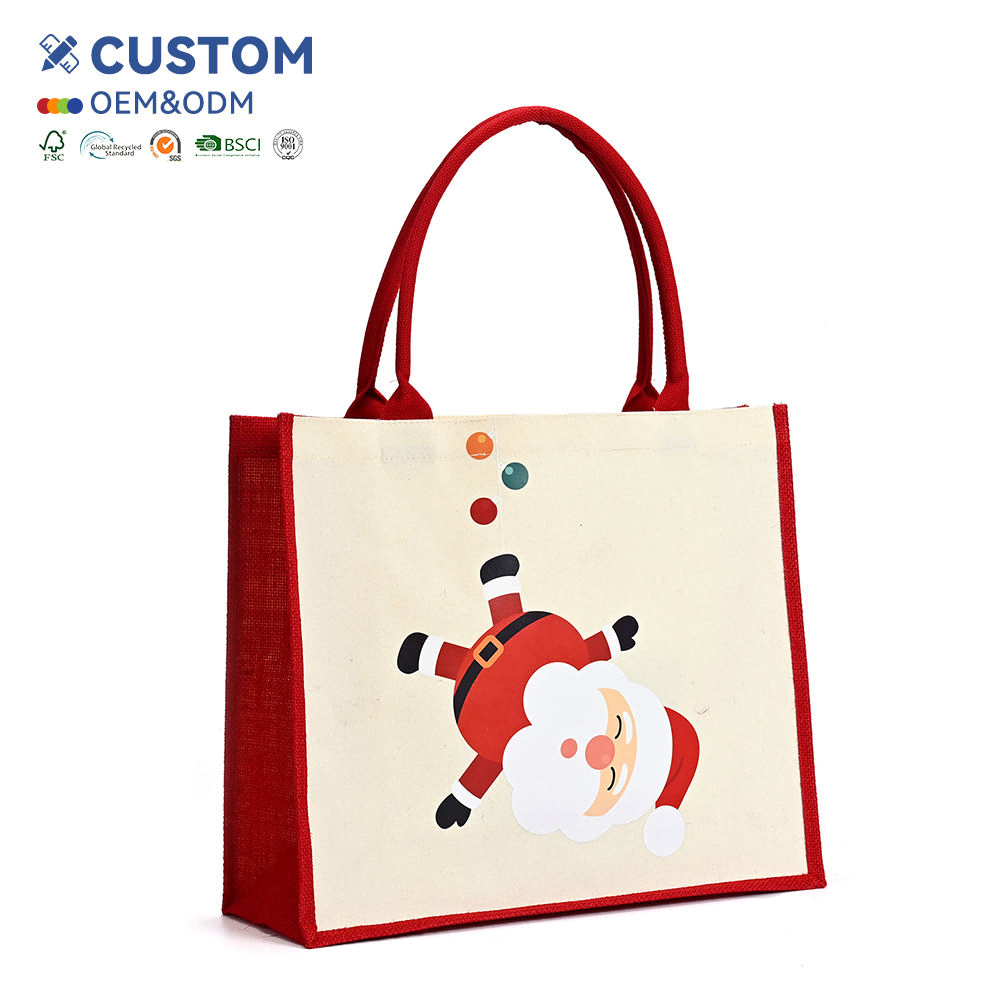
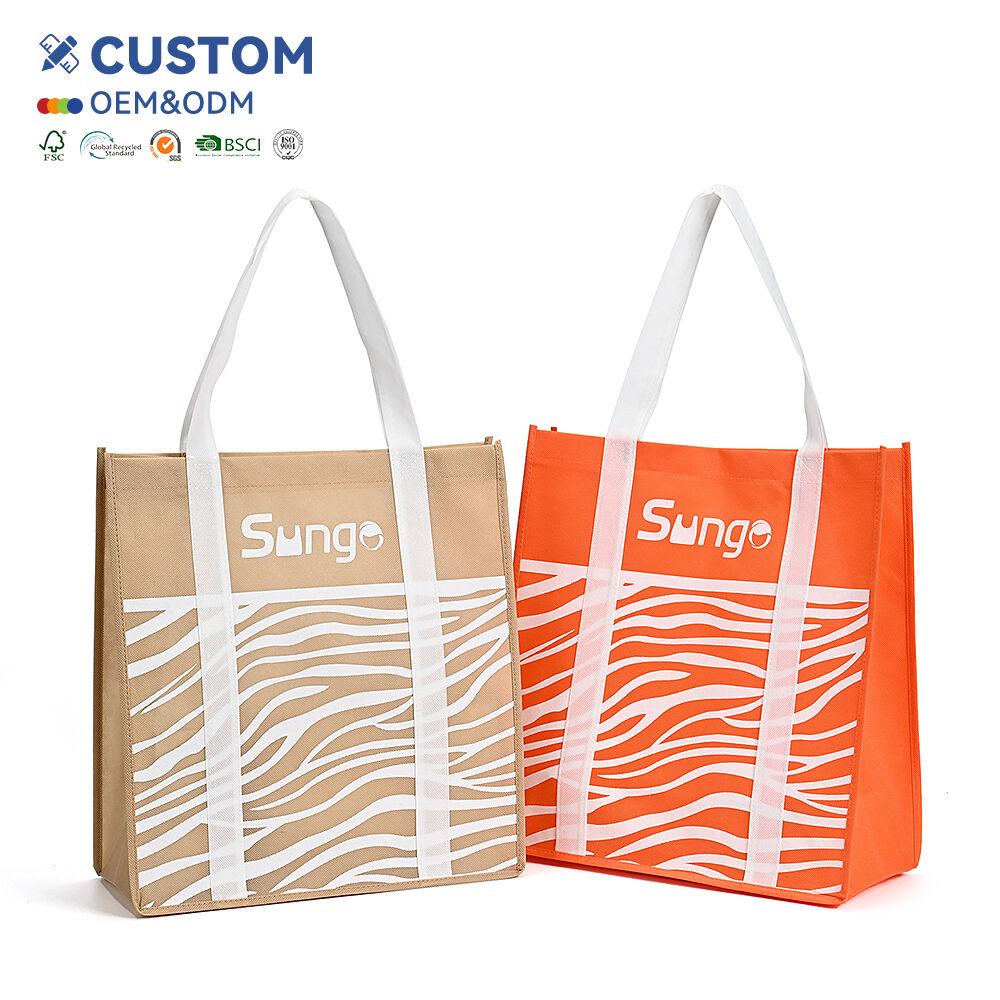
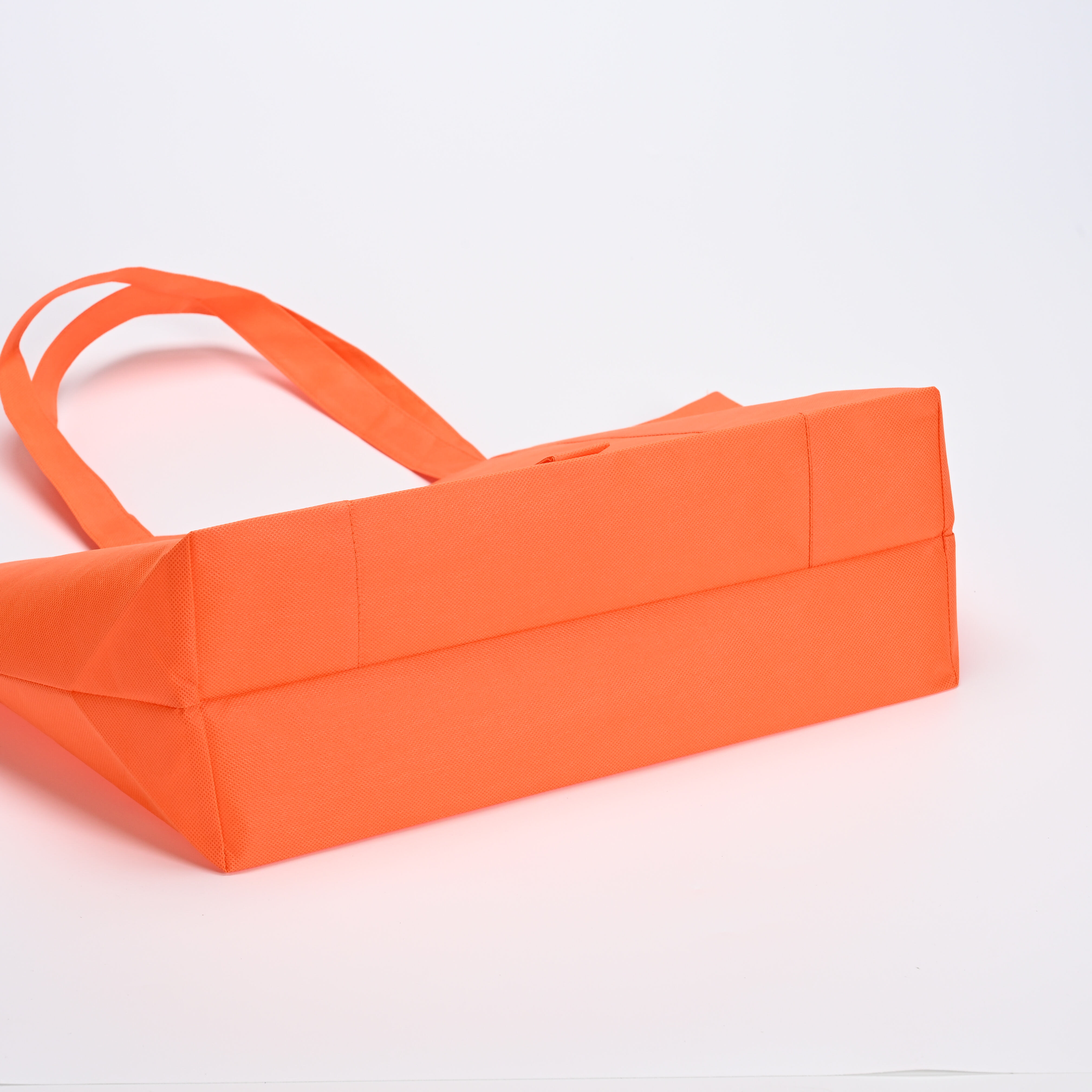
The non woven bag business represents a thriving sector within the sustainable packaging industry, offering eco-friendly alternatives to traditional plastic bags. This business encompasses the manufacturing, distribution, and retail of bags made from non woven polypropylene fabric, a material created through thermal, chemical, or mechanical bonding processes rather than traditional weaving. The non woven bag business has experienced substantial growth due to increasing environmental consciousness and government regulations restricting single-use plastics. These bags serve multiple functions including shopping, promotional marketing, storage, and gift packaging. The technological features of the non woven bag business include advanced manufacturing processes that ensure durability while maintaining cost-effectiveness. The production involves spunbond technology where polypropylene fibers are laid down and bonded through heat and pressure, creating a strong yet lightweight material. Modern non woven bag business operations utilize automated cutting, printing, and stitching equipment to achieve consistent quality and high-volume production. The material properties include water resistance, tear strength, and the ability to support significant weight loads, making these bags practical for various applications. The non woven bag business caters to diverse markets including retail chains, grocery stores, promotional companies, corporate events, and individual consumers. Applications extend beyond simple carrying purposes to include trade show giveaways, conference materials, product packaging, and brand marketing tools. The versatility of the non woven bag business allows for customization through screen printing, heat transfer, or lamination techniques, enabling businesses to create branded merchandise that serves both functional and marketing purposes. Environmental benefits drive much of the non woven bag business growth, as these products are recyclable and reusable, supporting corporate sustainability initiatives and consumer preferences for environmentally responsible products.
 EN
EN