Professional Non Woven Cotton Bag Factory - Sustainable Manufacturing Solutions

All Categories

Get a Free Quote

Our representative will contact you soon.
Email
Name
Company Name
Message
0/1000

non woven cotton bag factory

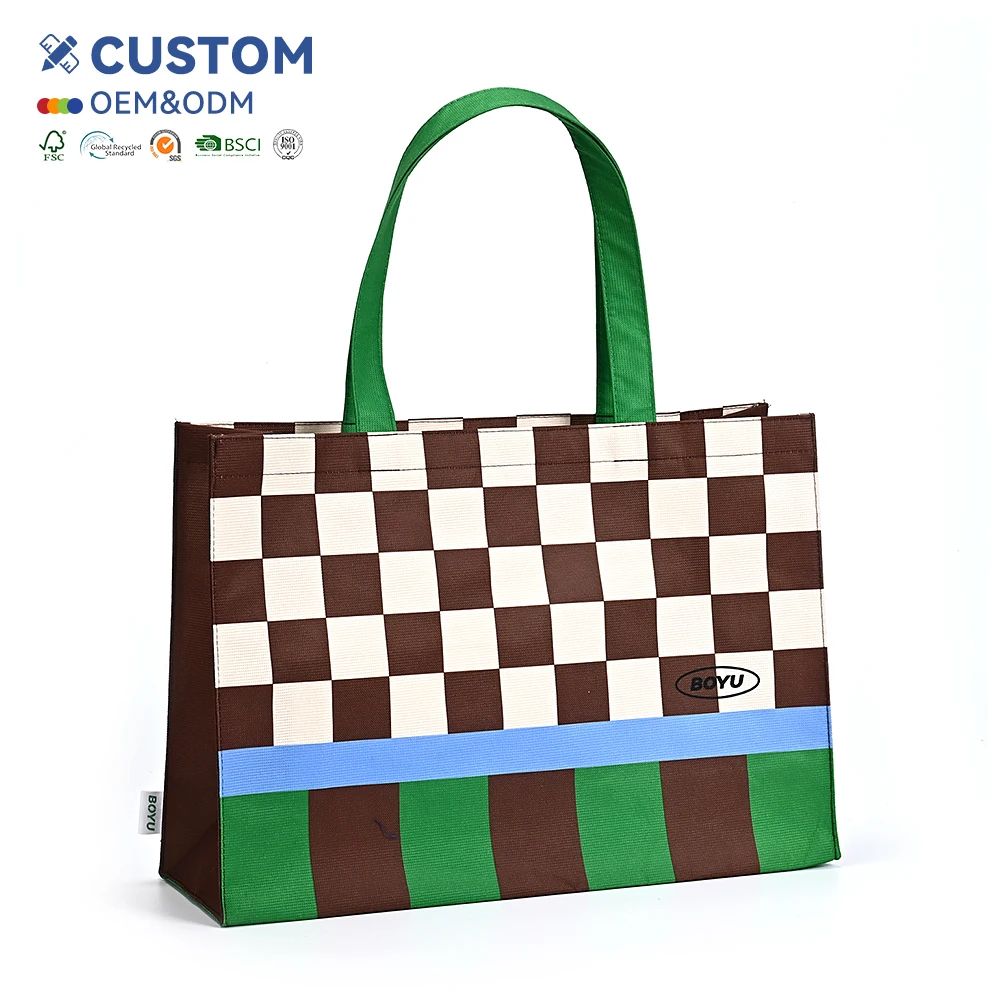
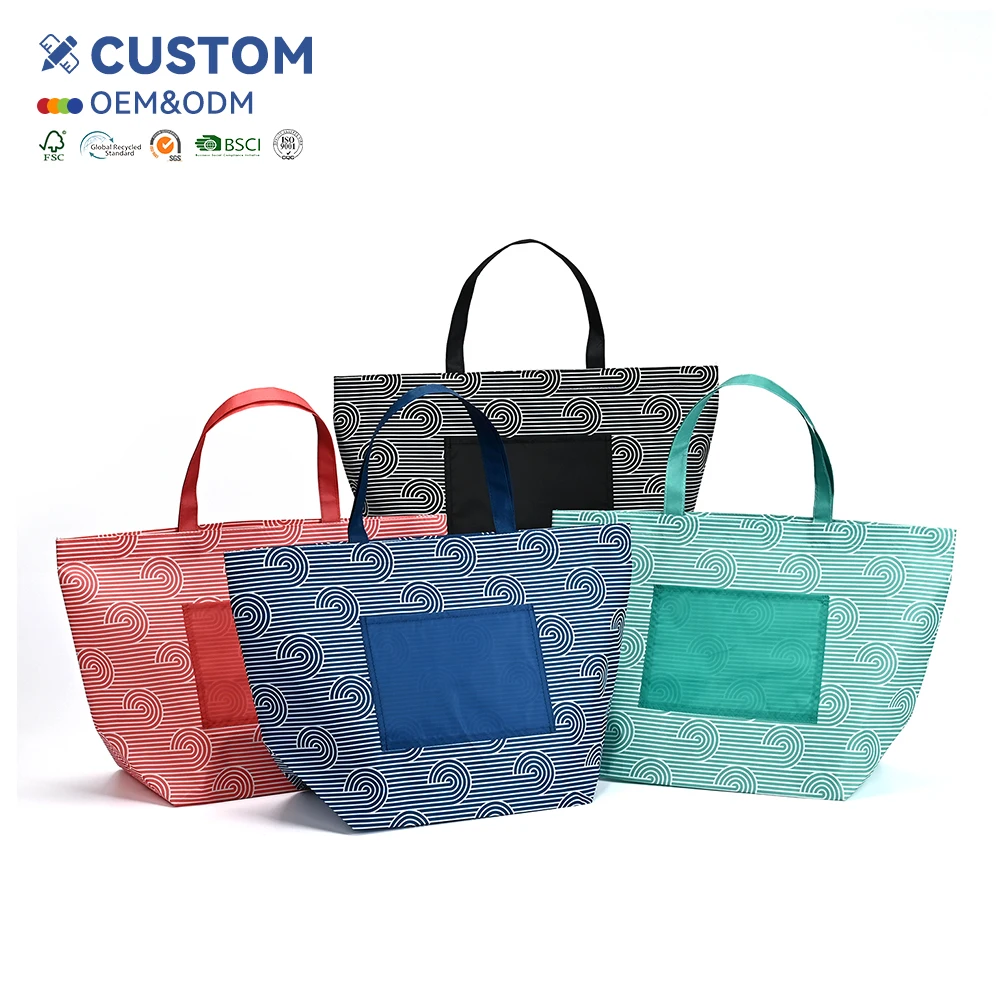
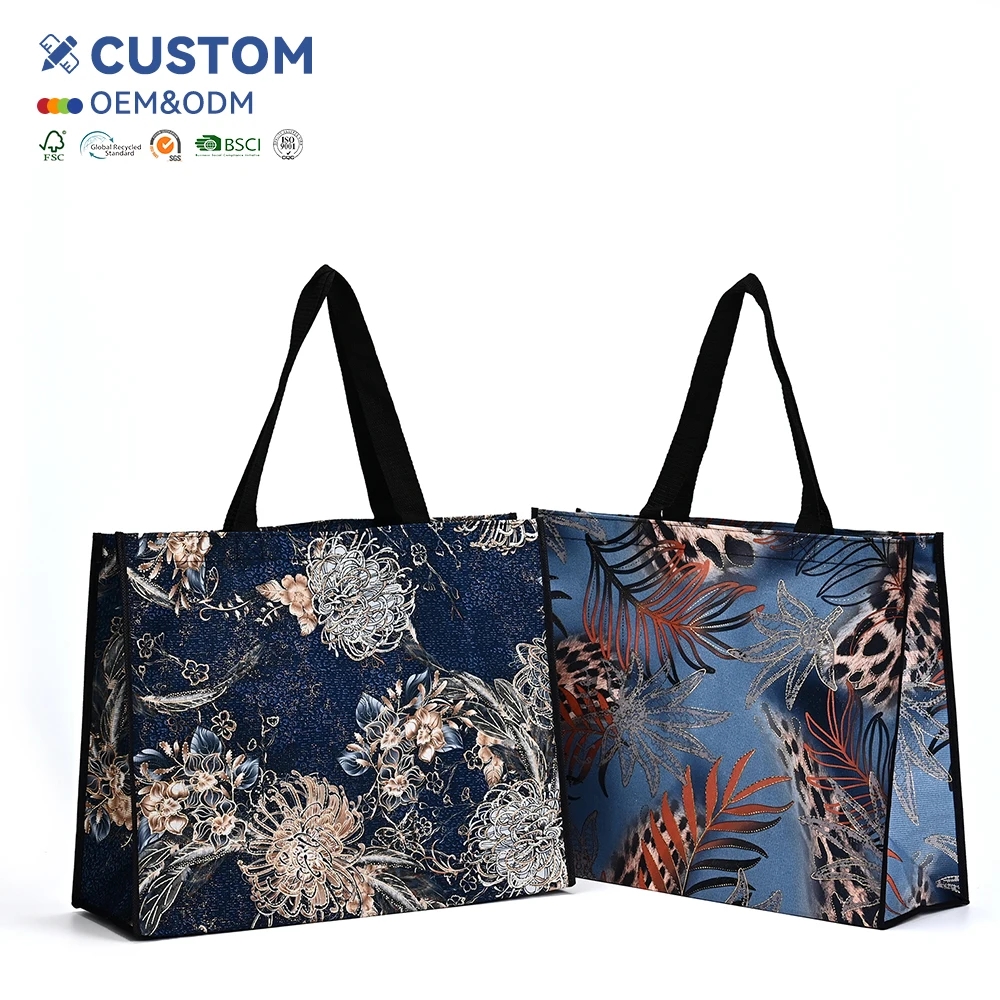
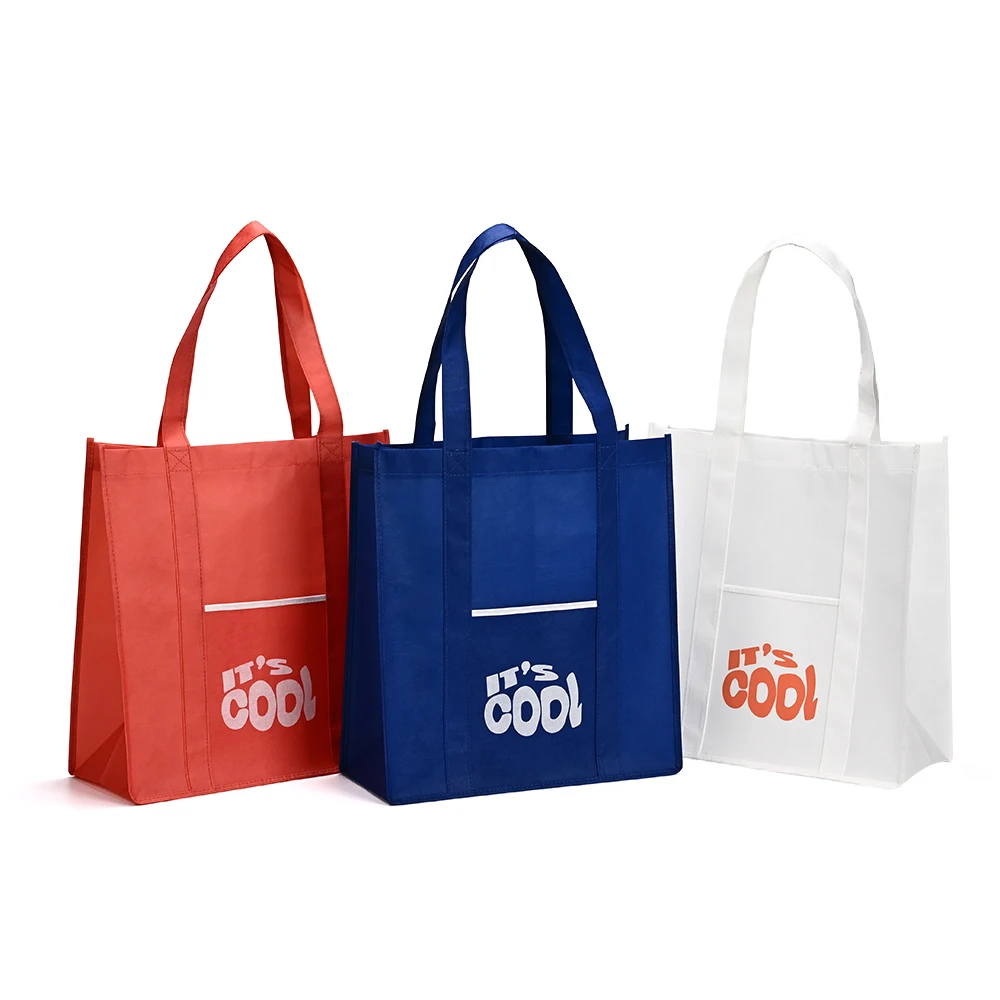
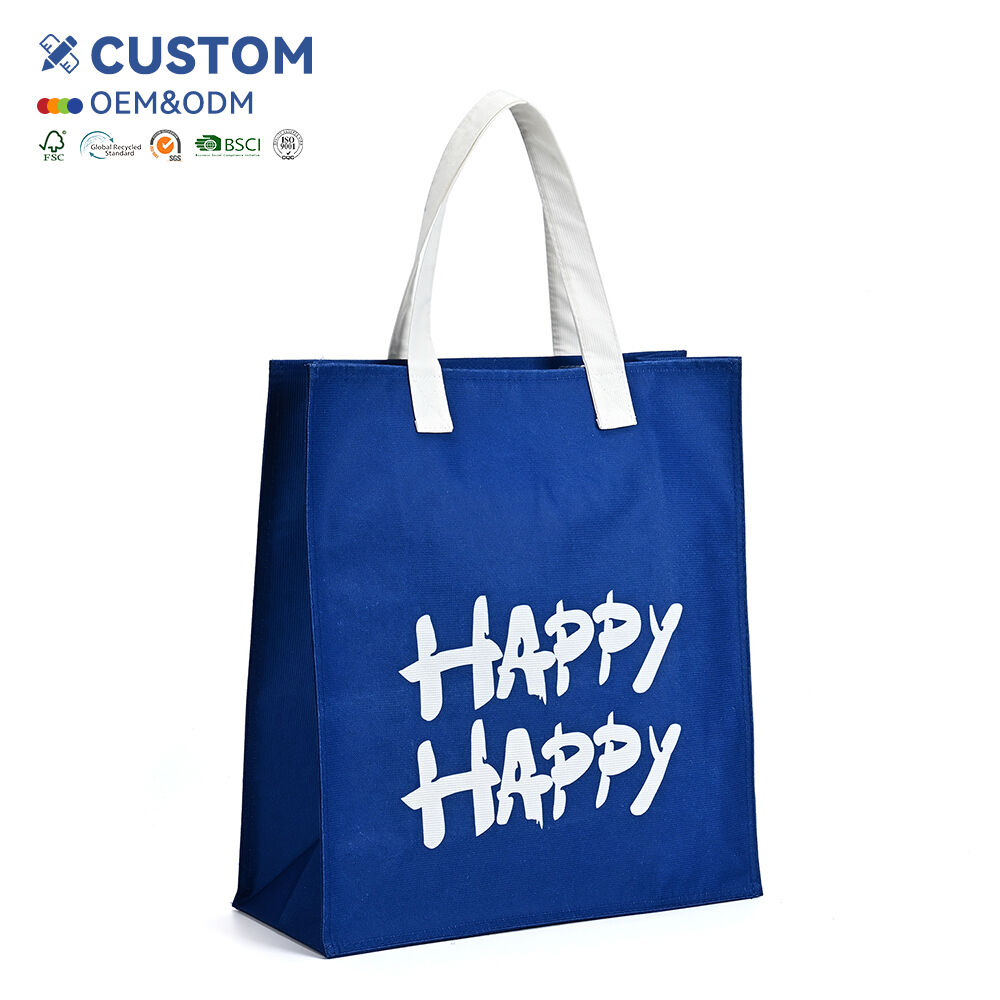
A non woven cotton bag factory represents a specialized manufacturing facility that produces eco-friendly, reusable bags using advanced non-woven fabric technology combined with cotton materials. These modern production facilities utilize sophisticated machinery and innovative processes to create sustainable alternatives to traditional plastic bags, meeting the growing global demand for environmentally conscious packaging solutions. The primary function of a non woven cotton bag factory involves transforming raw cotton fibers and synthetic materials into durable, lightweight, and versatile bags through thermal bonding, chemical bonding, or mechanical processes. The technological features of these manufacturing plants include state-of-the-art non-woven fabric production lines, precision cutting systems, automated stitching machines, and quality control mechanisms that ensure consistent product standards. Advanced heat-sealing equipment, ultrasonic welding machines, and computerized embroidery systems enable factories to create bags with superior strength, attractive designs, and custom branding options. The applications of products from a non woven cotton bag factory span across retail, promotional marketing, grocery shopping, corporate events, trade shows, and everyday consumer use. These facilities typically incorporate lean manufacturing principles, efficient waste management systems, and sustainable production practices to minimize environmental impact while maximizing output quality. Modern non woven cotton bag factories often feature flexible production capabilities, allowing for custom sizing, color variations, printing options, and specialized features like reinforced handles, zipper closures, or compartmentalized designs. Quality assurance protocols within these facilities ensure that every bag meets international standards for durability, safety, and performance, making them suitable for diverse commercial and consumer applications worldwide.


New Products

Choosing a non woven cotton bag factory offers numerous practical benefits that directly impact your business operations and customer satisfaction. Cost efficiency stands out as a primary advantage, as these facilities typically offer competitive pricing due to streamlined production processes and bulk manufacturing capabilities. You can significantly reduce per-unit costs while maintaining high quality standards, making your investment more profitable in the long term. Environmental sustainability becomes a key selling point when partnering with a non woven cotton bag factory, as these facilities produce biodegradable, recyclable products that align with modern consumer preferences for eco-friendly alternatives. This positioning helps businesses enhance their brand image and meet corporate social responsibility goals while attracting environmentally conscious customers. Production flexibility represents another major advantage, enabling you to customize bag specifications, colors, sizes, and branding elements according to your specific requirements. Most non woven cotton bag factories maintain rapid turnaround times, ensuring quick delivery schedules that support your marketing campaigns and inventory needs. Quality consistency is guaranteed through standardized manufacturing processes and rigorous testing protocols, providing you with reliable products that maintain their integrity during use and storage. Durability advantages include superior tear resistance, water resistance, and load-bearing capacity compared to traditional plastic bags, resulting in higher customer satisfaction and repeat usage. The versatility of products from a non woven cotton bag factory allows for multiple applications across various industries, from retail and grocery to promotional events and corporate gifting. Marketing benefits include excellent printability for logos, slogans, and brand messaging, transforming each bag into a mobile advertising platform that extends your brand reach. Supply chain reliability is enhanced through established distribution networks and consistent production schedules maintained by professional non woven cotton bag factory operations. Health and safety advantages include non-toxic materials and compliance with international food safety standards, making these bags suitable for direct food contact and consumer use without health concerns.

Practical Tips

How Do Non Woven Bags Support Eco-Friendly Packaging Solutions?

27

Nov

How Do Non Woven Bags Support Eco-Friendly Packaging Solutions?

Sustainable packaging has become a critical concern for businesses and consumers worldwide as environmental awareness continues to grow. Companies are increasingly seeking alternatives to traditional plastic packaging that can reduce their carbon foo...
View More
How Do Tote Bags Benefit Retailers and Fashion Brands?

27

Nov

How Do Tote Bags Benefit Retailers and Fashion Brands?

In today's competitive retail landscape, businesses constantly seek innovative ways to enhance brand visibility while providing practical value to customers. The humble tote bag has emerged as one of the most versatile and effective marketing tools a...
View More
How to Maintain PP Woven Bags for Long-Term Durability?

27

Nov

How to Maintain PP Woven Bags for Long-Term Durability?

Polypropylene woven bags have become essential packaging solutions across industries worldwide, offering durability and versatility that few materials can match. While many businesses and consumers explore various eco-friendly alternatives including ...
View More
Why Are Cork Bags a Trending Alternative to Leather Bags?

27

Nov

Why Are Cork Bags a Trending Alternative to Leather Bags?

The fashion industry is experiencing a significant shift toward sustainable and eco-friendly alternatives, with consumers increasingly seeking products that align with their environmental values. Among the most notable innovations in this space is th...
View More

Get a Free Quote

Our representative will contact you soon.
Email
Name
Company Name
Message
0/1000

non woven cotton bag factory

Advanced Manufacturing Technology and Quality Control Systems

Advanced Manufacturing Technology and Quality Control Systems

The technological infrastructure of a modern non woven cotton bag factory incorporates cutting-edge equipment and sophisticated quality control systems that ensure superior product consistency and manufacturing efficiency. These facilities utilize advanced non-woven fabric production machinery that employs thermal bonding, spunbond, or meltblown processes to create strong, uniform fabric structures from cotton and synthetic fiber blends. Precision-controlled temperature and pressure systems maintain optimal bonding conditions, resulting in fabrics with exceptional tensile strength and dimensional stability. Automated cutting systems equipped with laser or ultrasonic technology ensure accurate dimensions and clean edges, eliminating waste and maintaining consistent product specifications across large production runs. Computer-controlled stitching machines provide precise seam placement and uniform stitch density, creating reinforced stress points that enhance bag durability and load-bearing capacity. Quality assurance protocols within the non woven cottonbag factory include multi-stage inspection processes, from raw material verification to finished product testing. Advanced testing equipment measures fabric weight, tear resistance, tensile strength, and color fastness to ensure compliance with international quality standards. Real-time monitoring systems track production parameters and automatically adjust machine settings to maintain optimal output quality. Statistical process control methods identify potential quality variations before they affect finished products, minimizing defects and ensuring customer satisfaction. Digital printing and embroidery capabilities enable high-resolution graphics, complex designs, and precise color matching for branding applications. Environmental monitoring systems within the factory maintain optimal temperature, humidity, and air quality conditions that preserve material properties and ensure consistent production results. These technological advantages translate directly into superior products that meet demanding performance requirements while maintaining competitive pricing structures.
Sustainable Manufacturing Practices and Environmental Benefits

Sustainable Manufacturing Practices and Environmental Benefits

A responsible non woven cotton bag factory prioritizes sustainable manufacturing practices that minimize environmental impact while delivering eco-friendly products to environmentally conscious consumers and businesses. These facilities implement comprehensive waste reduction strategies, including material recycling programs that repurpose production scraps and defective materials into secondary products or raw material inputs. Water conservation systems capture and treat process water for reuse, significantly reducing freshwater consumption and wastewater discharge. Energy-efficient machinery and LED lighting systems reduce power consumption, while some factories incorporate renewable energy sources like solar panels to further minimize their carbon footprint. The production process itself creates biodegradable products that decompose naturally without releasing harmful chemicals into soil or water systems, contrasting sharply with traditional plastic bag manufacturing. Raw material sourcing emphasizes sustainably grown cotton and recycled synthetic fibers, supporting agricultural practices that preserve soil health and reduce pesticide usage. Packaging optimization within the non woven cotton bag factory reduces shipping materials and transportation costs while maintaining product protection during distribution. Life cycle assessments demonstrate that products from these facilities generate significantly lower environmental impact compared to conventional plastic alternatives, considering raw material extraction, manufacturing, use phase, and end-of-life disposal. Carbon footprint reduction initiatives include optimized logistics, local supplier partnerships, and efficient production scheduling that minimizes energy waste. Green certifications and compliance with international environmental standards provide transparent documentation of sustainability efforts, supporting customer corporate responsibility programs and regulatory requirements. Employee training programs ensure that sustainability principles are integrated into daily operations, creating a culture of environmental stewardship throughout the organization. These comprehensive environmental benefits enable businesses to market their products as genuinely sustainable alternatives while contributing to global efforts to reduce plastic pollution and environmental degradation.
Customization Capabilities and Market Versatility

Customization Capabilities and Market Versatility

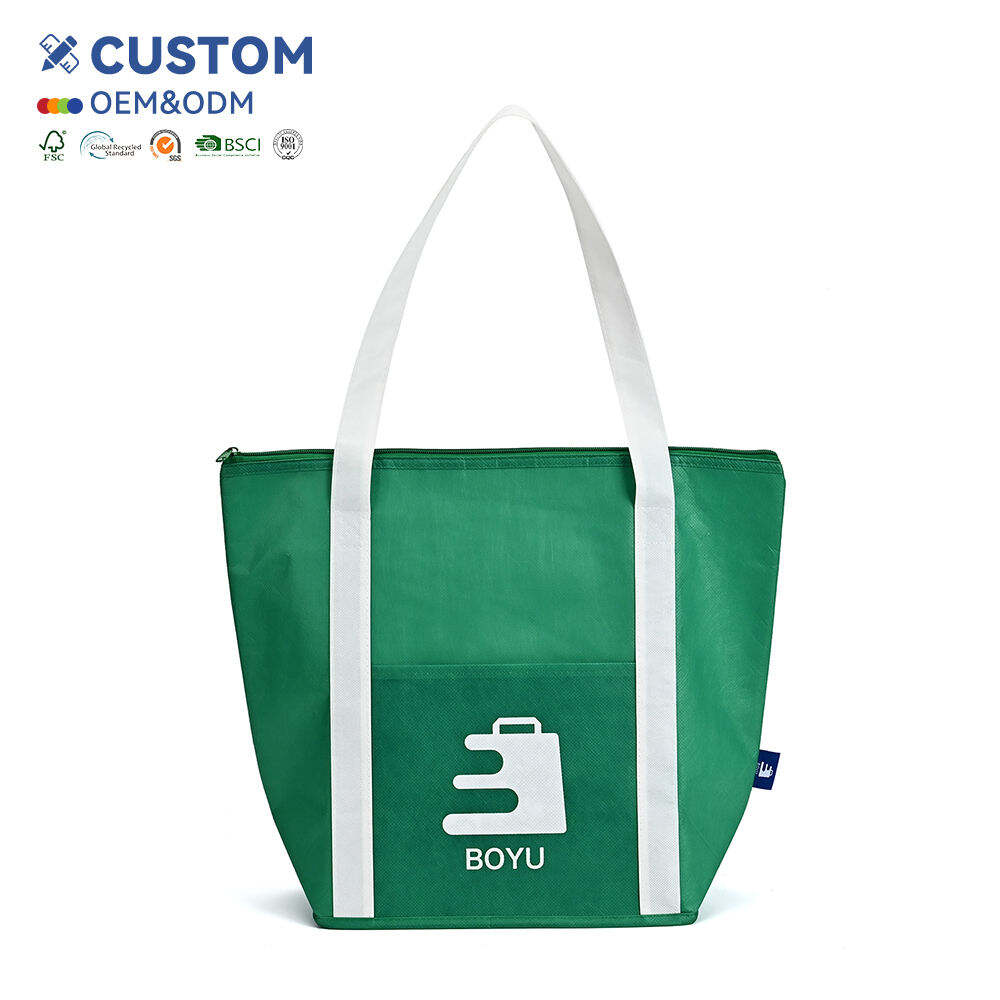
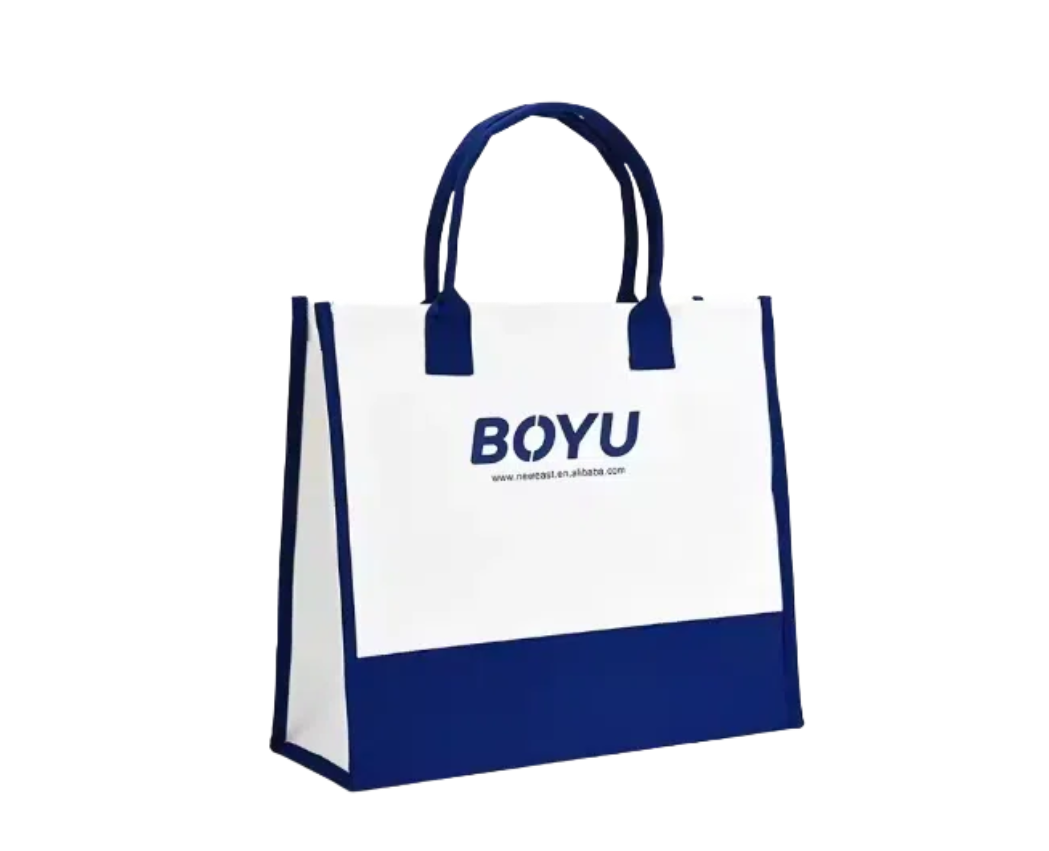
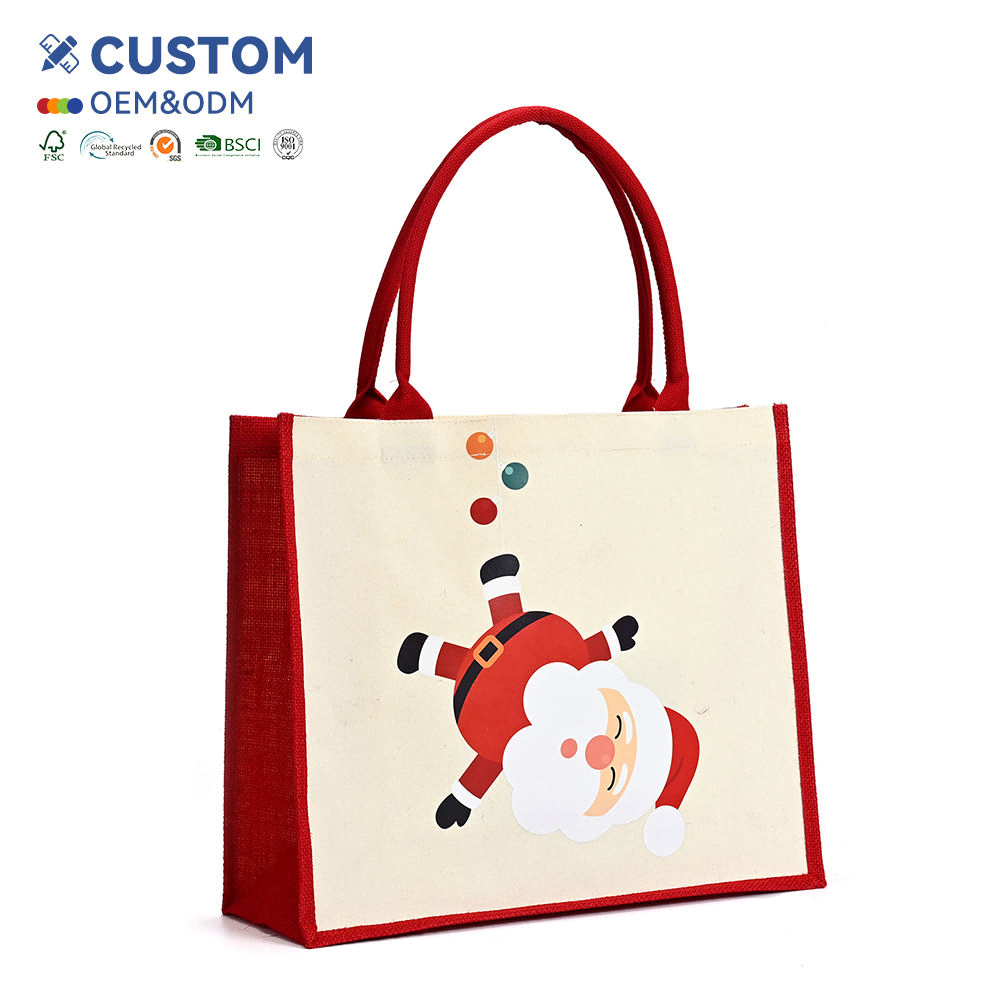
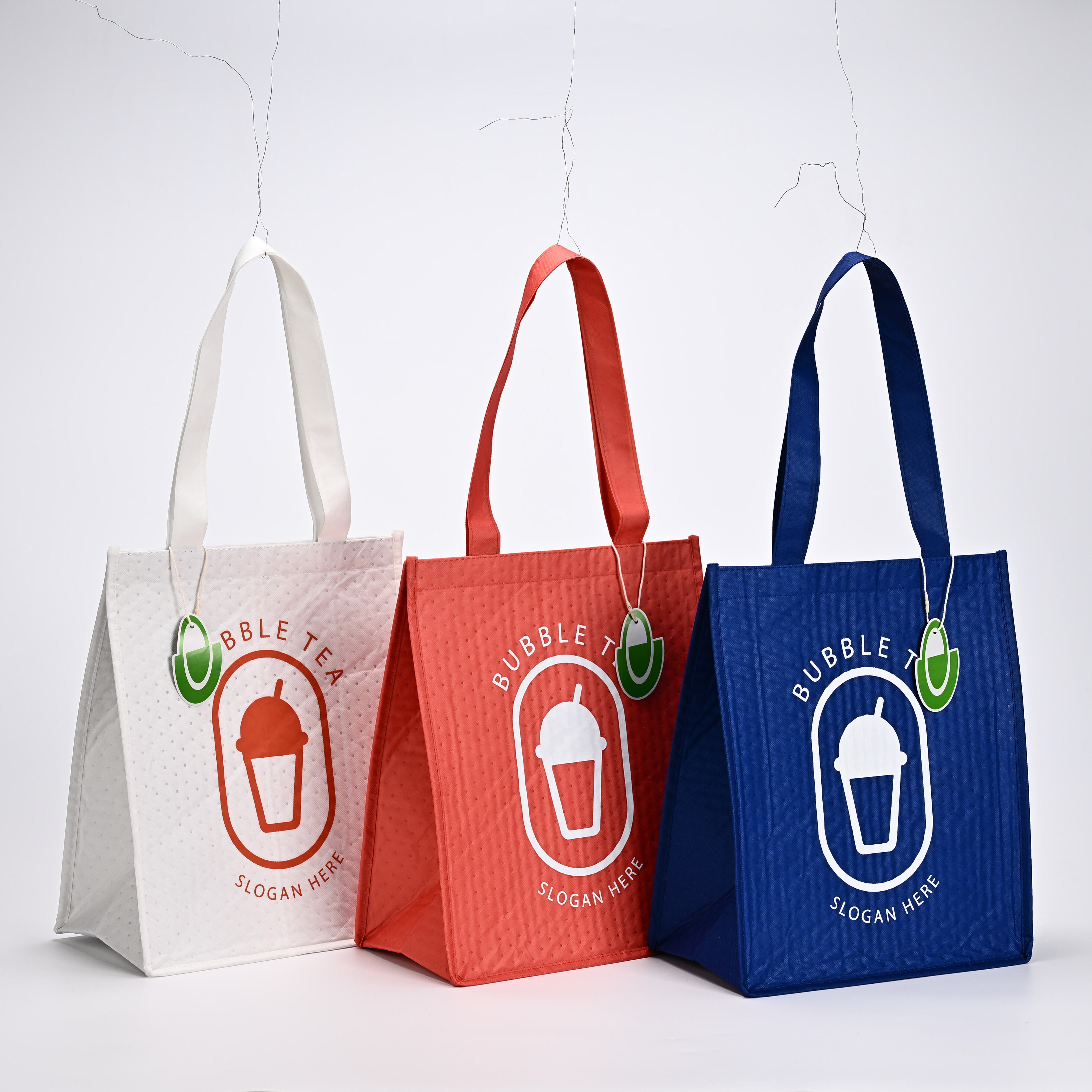
The customization capabilities of a professional non woven cotton bag factory provide unprecedented flexibility for businesses seeking tailored solutions that align with their specific branding, functional, and market requirements. Advanced design services include consultation with experienced engineers and designers who translate customer concepts into manufacturable products while optimizing functionality and cost-effectiveness. Size customization ranges from compact promotional bags to large shopping totes, with precise dimensional control ensuring perfect fit for intended applications. Color matching services utilize sophisticated color management systems that achieve exact brand color specifications, maintaining consistency across multiple production runs and different material types. Printing options encompass screen printing, digital printing, heat transfer, and embroidery techniques that accommodate various graphics, text, and logo requirements with exceptional clarity and durability. Handle variations include standard loop handles, reinforced strap handles, rope handles, or integrated grip designs that enhance user comfort and carrying capacity. Functional customization features include zippered closures, internal pockets, external compartments, reinforced bottoms, and specialized openings that adapt bags for specific use cases. Material blend customization allows the non woven cotton bag factory to adjust fabric weight, texture, and performance characteristics to meet unique application requirements. Minimum order quantity flexibility accommodates both large-scale commercial orders and smaller specialty runs, making customization accessible for businesses of all sizes. Rapid prototyping capabilities enable quick sample production for design validation and market testing before committing to full production runs. Specialized applications include insulated bags for temperature-sensitive products, waterproof variations for outdoor use, and antimicrobial treatments for healthcare applications. Packaging customization includes individual bagging, bulk packaging, or retail-ready presentation options that streamline distribution and point-of-sale display. Market versatility extends across retail, promotional marketing, corporate events, hospitality, healthcare, and consumer goods sectors, with each application benefiting from tailored design approaches that maximize effectiveness and user satisfaction.

Get a Free Quote

Our representative will contact you soon.
Email
Name
Company Name
Message
0/1000