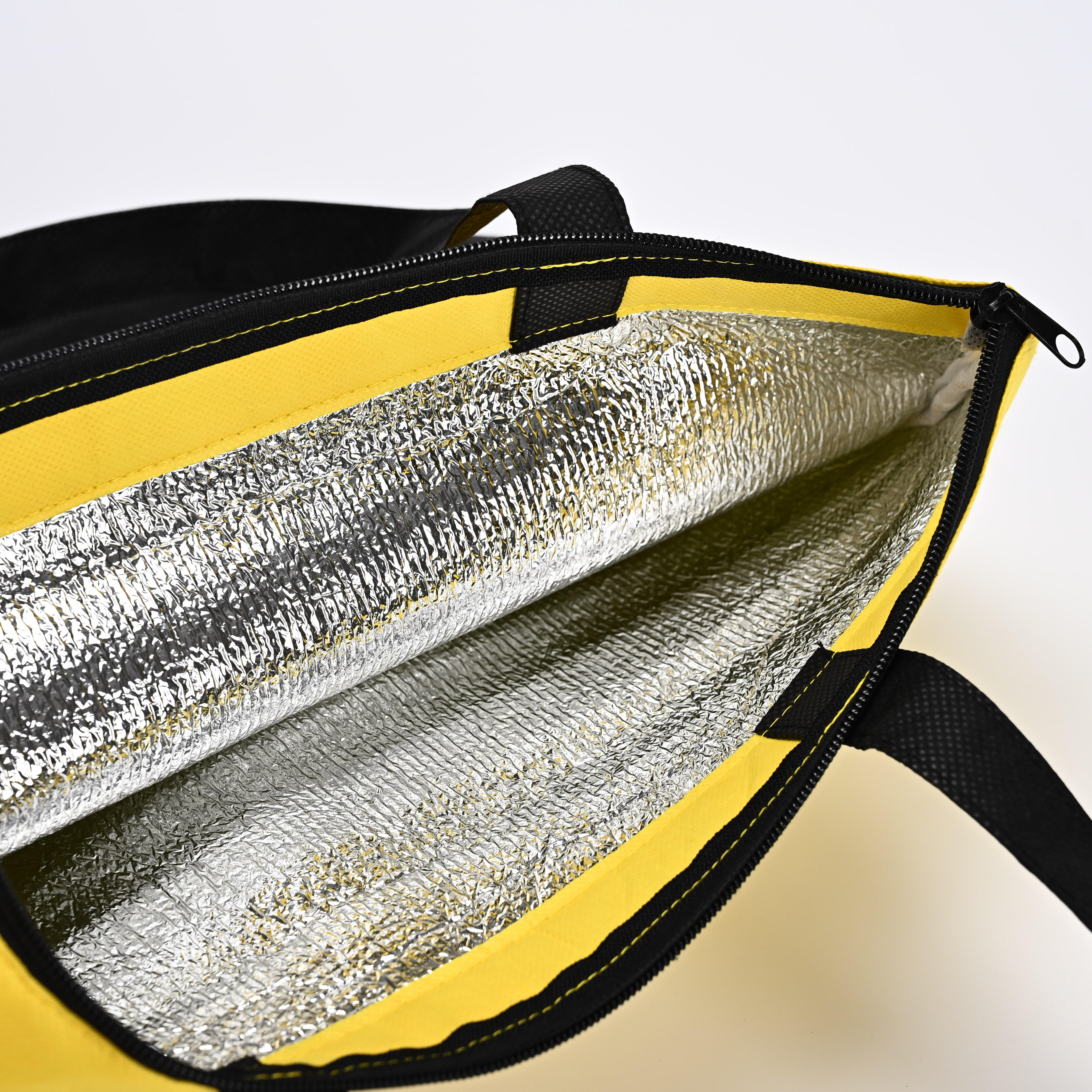
non woven tote bag factory
A non woven tote bag factory represents a specialized manufacturing facility dedicated to producing eco-friendly, reusable bags from polypropylene or polyester materials. These modern production centers combine advanced machinery with skilled craftsmanship to create durable, cost-effective alternatives to traditional plastic bags. The non woven tote bag factory operates through sophisticated processes that transform synthetic fibers into versatile carrying solutions suitable for retail, promotional, and everyday use. The manufacturing process begins with fiber formation, where polypropylene pellets undergo heating and extrusion to create continuous filaments. These filaments are then arranged in random patterns and bonded through thermal or chemical processes, eliminating the need for traditional weaving techniques. This innovative approach allows the non woven tote bag factory to produce materials with consistent thickness, superior strength, and excellent printability. Quality control systems within the facility monitor every production stage, ensuring each bag meets stringent durability standards. The technological infrastructure includes ultrasonic welding equipment for seamless handle attachment, computerized cutting systems for precise dimensions, and multi-color printing capabilities for custom branding requirements. Environmental considerations drive many operational decisions, with energy-efficient machinery reducing carbon footprint while maintaining high output volumes. The non woven tote bag factory typically features automated material handling systems that streamline production workflows and minimize waste generation. Storage facilities maintain optimal temperature and humidity levels to preserve raw materials and finished products. Research and development departments continuously explore new fiber compositions and production techniques to enhance bag performance characteristics. Modern facilities incorporate lean manufacturing principles to optimize efficiency while maintaining flexibility for custom orders. The production environment emphasizes worker safety through proper ventilation systems and ergonomic workstation designs. Quality assurance laboratories test samples for tensile strength, colorfastness, and dimensional stability before shipment approval.

 EN
EN