Leading RPET Tote Bag Factory - Sustainable Manufacturing & Custom Eco-Friendly Bags

All Categories

Get a Free Quote

Our representative will contact you soon.
Email
Name
Company Name
Message
0/1000

rpet tote bag factory

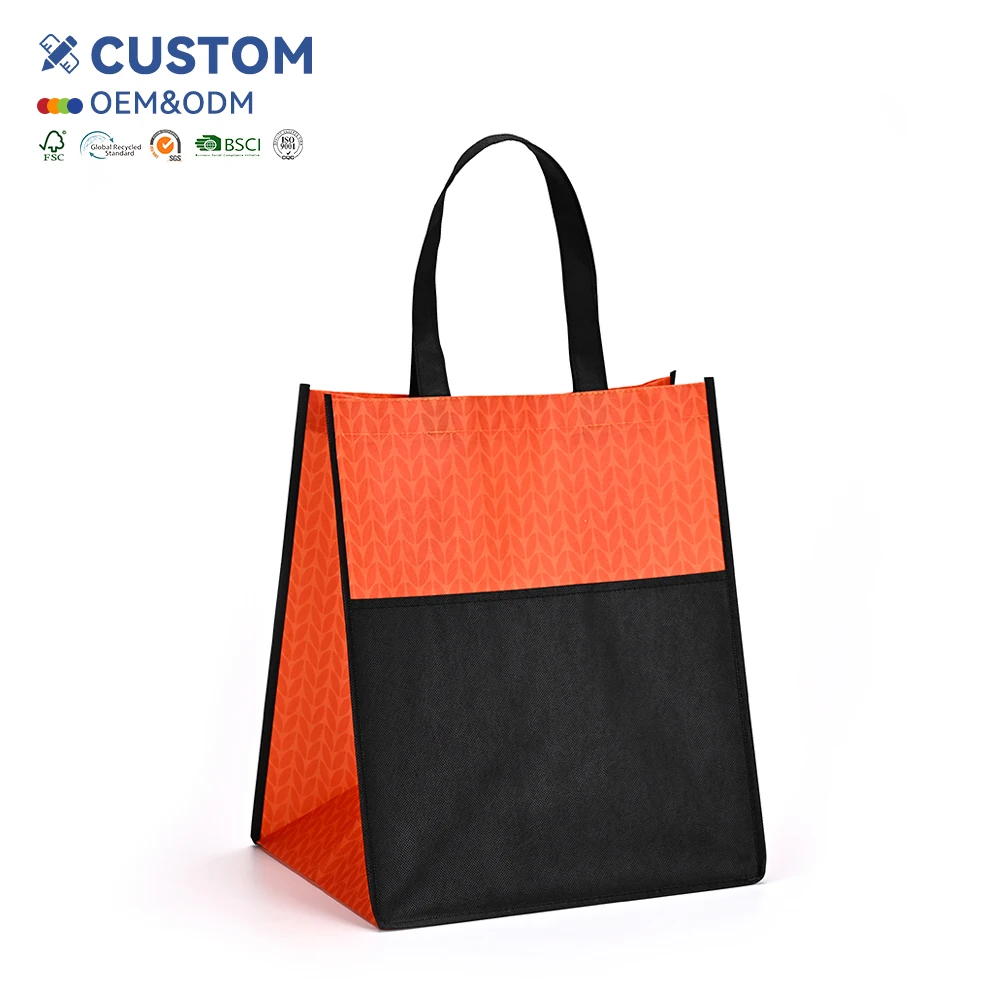
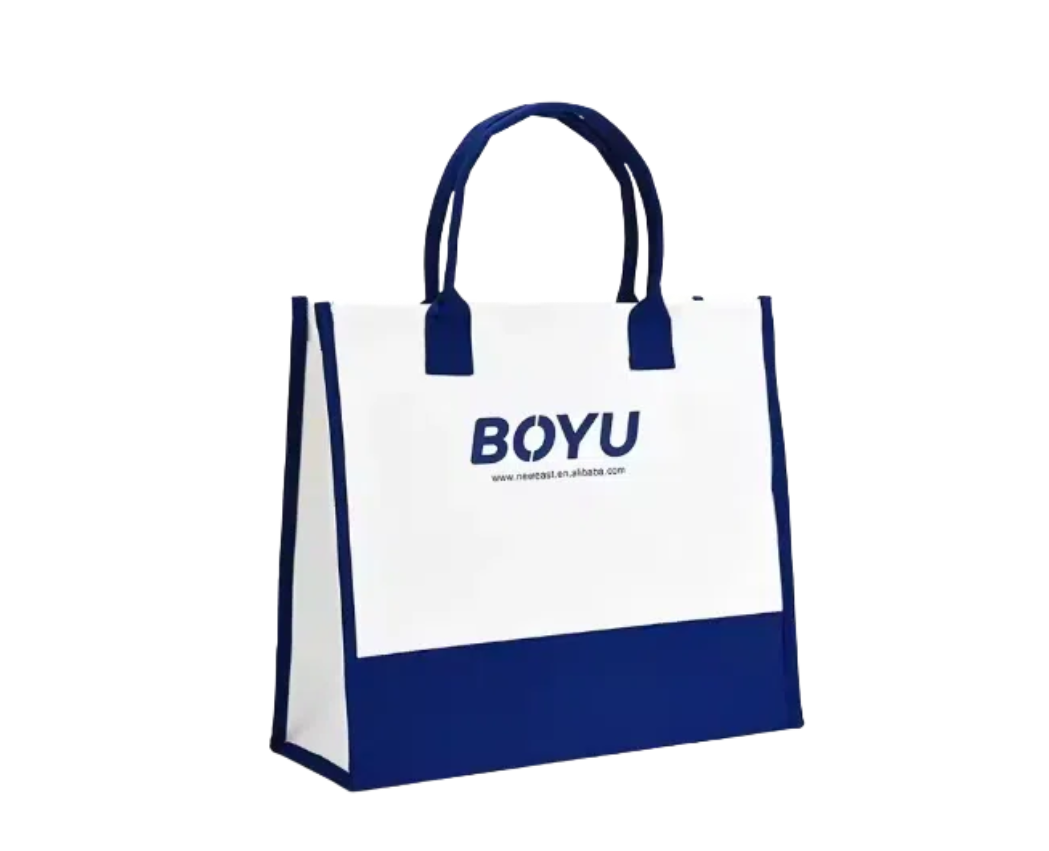
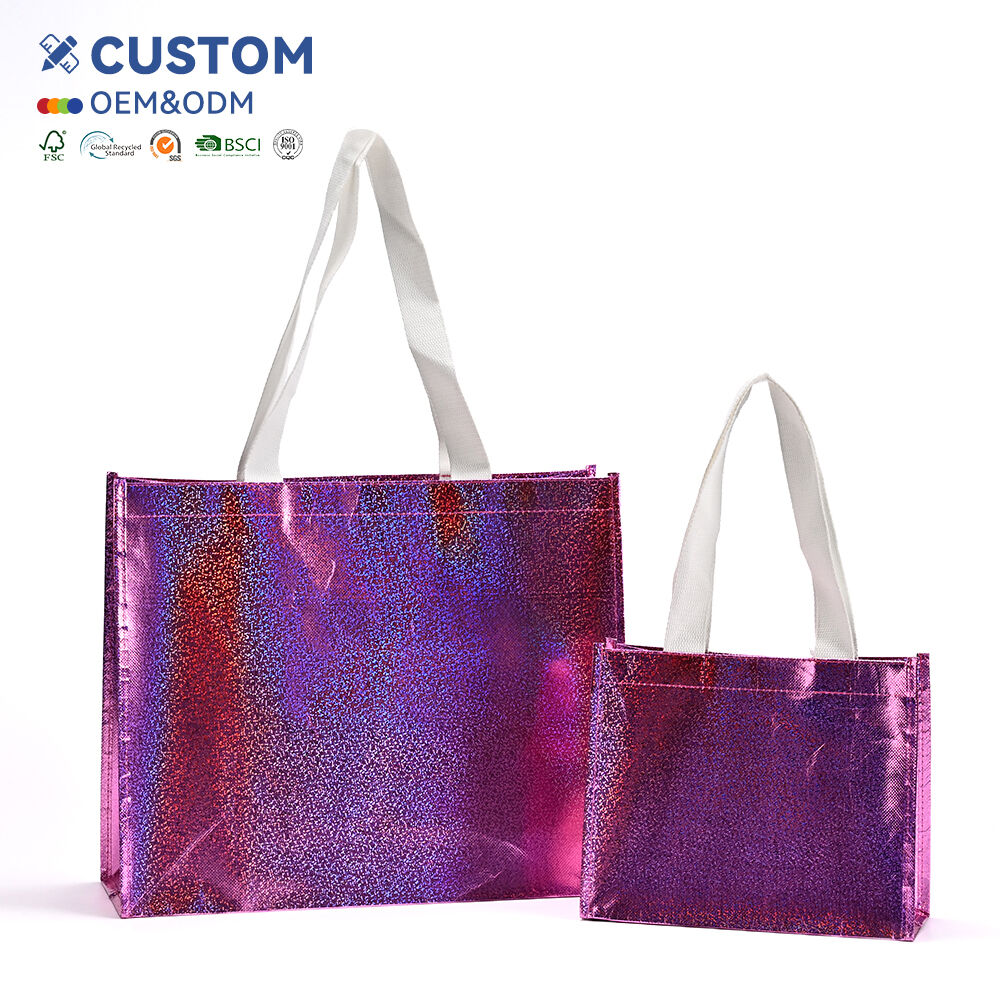
An RPET tote bag factory represents a revolutionary approach to sustainable manufacturing, transforming recycled plastic bottles into durable, eco-friendly carrying solutions. These specialized facilities focus on producing tote bags from recycled polyethylene terephthalate (RPET), a material derived from post-consumer plastic waste. The RPET tote bag factory operates sophisticated recycling and manufacturing processes that convert discarded plastic bottles into high-quality fabric suitable for bag production. The main functions of an RPET tote bag factory encompass the entire production cycle, from raw material processing to finished product delivery. Initially, the facility collects and sorts plastic bottles, removing labels and caps before cleaning and sterilizing the materials. The bottles undergo mechanical shredding, creating plastic flakes that are then melted and reformed into polyester fibers. These fibers are spun into yarn, which is subsequently woven or knitted into durable fabric panels. The technological features of modern RPET tote bag factories include advanced recycling machinery, automated cutting systems, precision sewing equipment, and quality control mechanisms. State-of-the-art facilities employ computer-controlled processes that ensure consistent product quality while maximizing material efficiency. Temperature-controlled environments maintain optimal conditions for fabric production, while automated inventory management systems track materials throughout the manufacturing process. Applications for RPET tote bag factory products span numerous industries and consumer segments. Retail companies utilize these bags as sustainable packaging alternatives, while promotional marketing campaigns leverage customizable RPET bags for brand awareness. Educational institutions, healthcare organizations, and corporate entities increasingly adopt RPET tote bags for their environmental initiatives. The versatility of RPET material allows factories to produce various bag styles, sizes, and designs to meet diverse market demands. Additionally, these factories support circular economy principles by creating closed-loop systems where waste materials become valuable resources, contributing to environmental conservation efforts.

New Products

The RPET tote bag factory delivers substantial environmental benefits that directly impact your organization's sustainability goals and customer perception. By choosing products from an RPET tote bag factory, you actively participate in reducing plastic waste accumulation in landfills and oceans. Each bag produced typically contains material equivalent to multiple recycled plastic bottles, demonstrating tangible environmental impact. Your customers will appreciate your commitment to eco-friendly practices, enhancing brand reputation and customer loyalty. This environmental stewardship positions your business as a responsible corporate citizen, attracting environmentally conscious consumers who prioritize sustainable purchasing decisions. The cost-effectiveness of RPET tote bag factory products provides significant financial advantages compared to traditional bag manufacturing. Raw materials sourced from recycled content typically cost less than virgin materials, allowing factories to offer competitive pricing without compromising quality. Volume production capabilities enable bulk purchasing discounts, reducing per-unit costs for large orders. The durability of RPET materials ensures longer product lifecycles, providing better value for investment compared to single-use alternatives. Additionally, many regions offer tax incentives and grants for businesses utilizing recycled materials, further enhancing cost benefits. Quality assurance represents another major advantage of established RPET tote bag factories. Modern facilities implement rigorous testing protocols to ensure fabric strength, colorfastness, and dimensional stability. Advanced manufacturing processes eliminate common defects while maintaining consistent product specifications across large production runs. Quality control systems monitor every production stage, from fiber creation through final inspection, guaranteeing reliable performance standards. Customization capabilities offered by RPET tote bag factories allow complete brand integration and design flexibility. Digital printing technologies enable full-color graphics, detailed logos, and complex designs without minimum order restrictions. Various fabric weights, handle styles, and closure mechanisms accommodate diverse functional requirements. Custom sizing options ensure perfect fit for intended applications, whether promotional giveaways or retail packaging solutions. This versatility eliminates compromise between sustainability goals and brand presentation requirements. Supply chain reliability forms a crucial advantage when partnering with established RPET tote bag factories. Experienced manufacturers maintain consistent raw material supplies through established recycling networks, preventing production delays. Scalable production capabilities accommodate fluctuating order volumes without compromising delivery schedules. Geographic distribution of manufacturing facilities reduces shipping costs and transit times, improving overall supply chain efficiency.

Practical Tips

How Do Non Woven Bags Support Eco-Friendly Packaging Solutions?

27

Nov

How Do Non Woven Bags Support Eco-Friendly Packaging Solutions?

Sustainable packaging has become a critical concern for businesses and consumers worldwide as environmental awareness continues to grow. Companies are increasingly seeking alternatives to traditional plastic packaging that can reduce their carbon foo...
View More
How Do Tote Bags Benefit Retailers and Fashion Brands?

27

Nov

How Do Tote Bags Benefit Retailers and Fashion Brands?

In today's competitive retail landscape, businesses constantly seek innovative ways to enhance brand visibility while providing practical value to customers. The humble tote bag has emerged as one of the most versatile and effective marketing tools a...
View More
How Can Jute Bags Be Maintained for Long-Term Durability?

27

Nov

How Can Jute Bags Be Maintained for Long-Term Durability?

Sustainable shopping solutions have gained tremendous popularity in recent years, with environmentally conscious consumers seeking alternatives to plastic bags. Among these eco-friendly options, the jute bag stands out as a durable, biodegradable, an...
View More
How to Maintain PP Woven Bags for Long-Term Durability?

27

Nov

How to Maintain PP Woven Bags for Long-Term Durability?

Polypropylene woven bags have become essential packaging solutions across industries worldwide, offering durability and versatility that few materials can match. While many businesses and consumers explore various eco-friendly alternatives including ...
View More

Get a Free Quote

Our representative will contact you soon.
Email
Name
Company Name
Message
0/1000

rpet tote bag factory

Advanced Sustainable Manufacturing Technology

Advanced Sustainable Manufacturing Technology

The technological infrastructure of a modern RPET tote bag factory represents cutting-edge innovation in sustainable manufacturing processes. These facilities employ sophisticated recycling systems that transform post-consumer plastic bottles into premium-quality textile materials through carefully controlled mechanical and thermal processes. The journey begins with automated sorting equipment that uses optical sensors and air classification systems to separate different plastic types, ensuring only suitable PET bottles enter the recycling stream. Advanced washing systems remove adhesives, labels, and contaminants using eco-friendly detergents and multi-stage filtration processes. The clean plastic flakes undergo precision melting in computer-controlled extruders that maintain optimal temperature profiles to prevent material degradation while ensuring complete homogenization. Specialized spinning equipment converts the molten plastic into continuous filaments with precise diameter specifications, creating consistent yarn quality essential for durable fabric production. The weaving or knitting processes utilize programmable machinery that produces various fabric constructions, from lightweight materials for promotional bags to heavy-duty fabrics for industrial applications. Color integration occurs during the fiber production stage, eliminating the need for additional dyeing processes and reducing water consumption. Quality monitoring systems continuously track fabric properties including tensile strength, tear resistance, and dimensional stability throughout production. The factory's manufacturing technology also includes computerized cutting systems that optimize material usage, reducing waste generation by up to thirty percent compared to manual cutting methods. Automated sewing equipment ensures precise stitching patterns and consistent seam strength, while programmable embroidery and printing stations add custom graphics without manual intervention. Environmental control systems maintain optimal humidity and temperature conditions, ensuring consistent product quality regardless of external weather conditions. The integration of Industry 4.0 technologies, including IoT sensors and data analytics platforms, enables real-time production monitoring and predictive maintenance scheduling. This technological sophistication not only ensures superior product quality but also maximizes resource efficiency, making the RPET tote bag factory a model of sustainable manufacturing excellence.
Comprehensive Customization and Design Flexibility

Comprehensive Customization and Design Flexibility

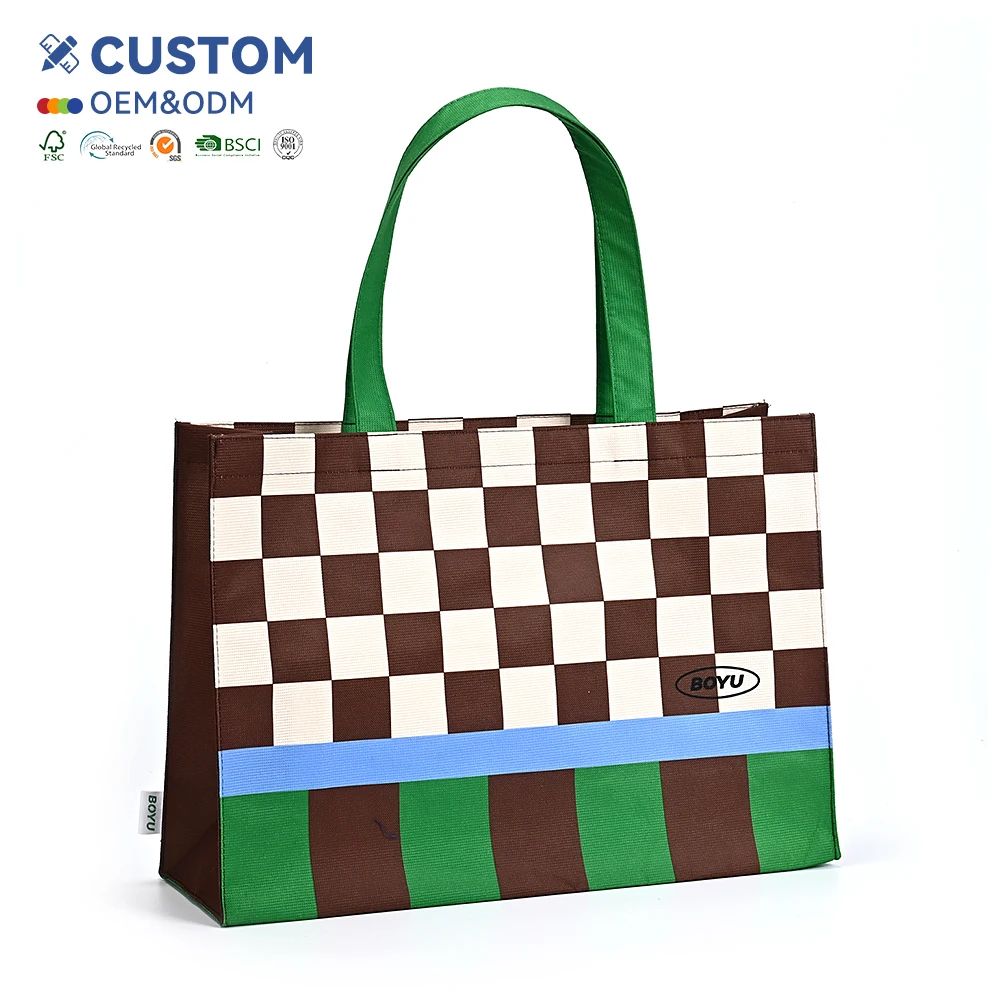
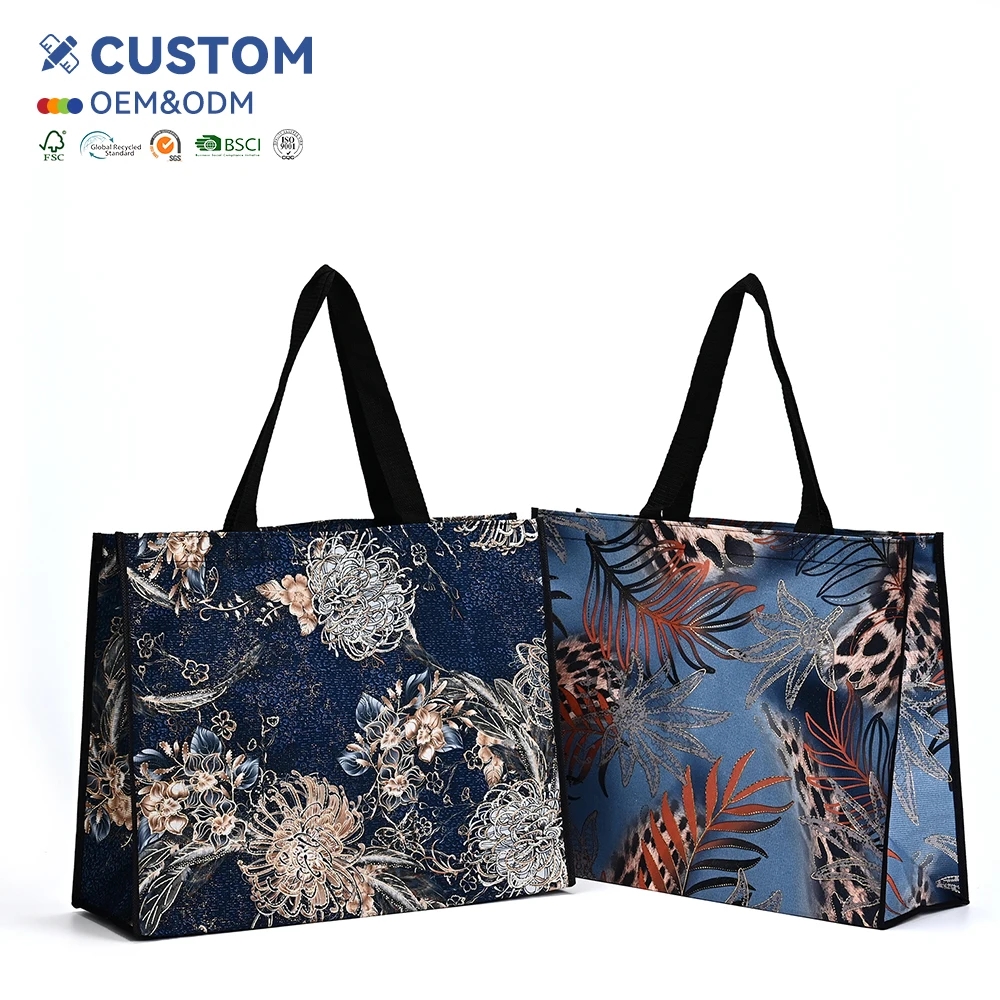
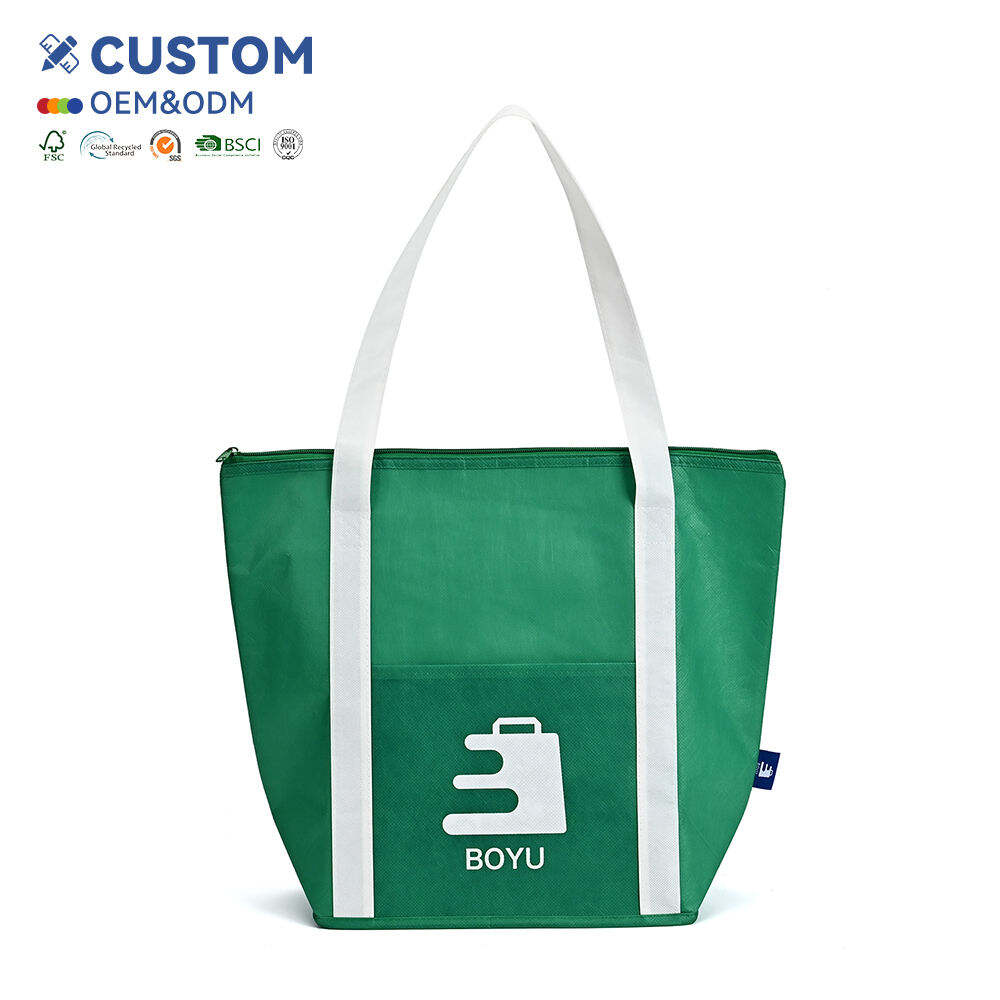
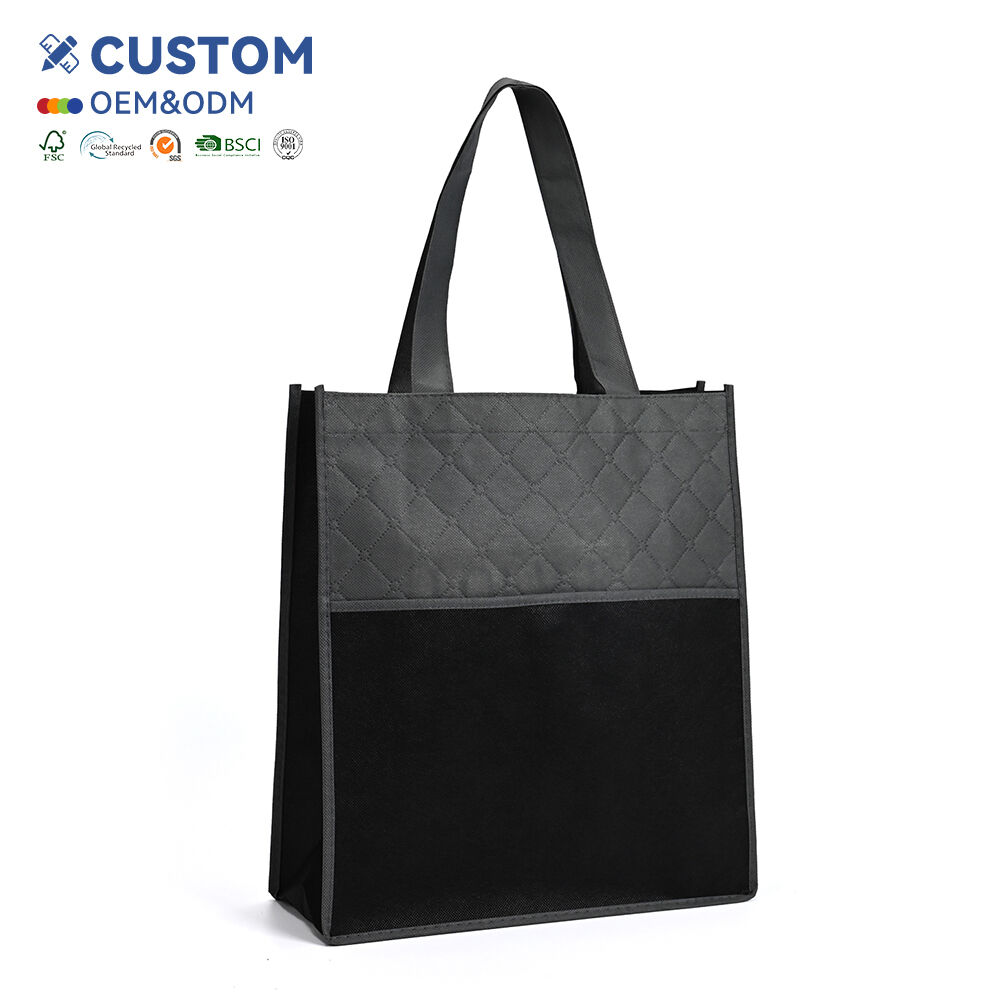
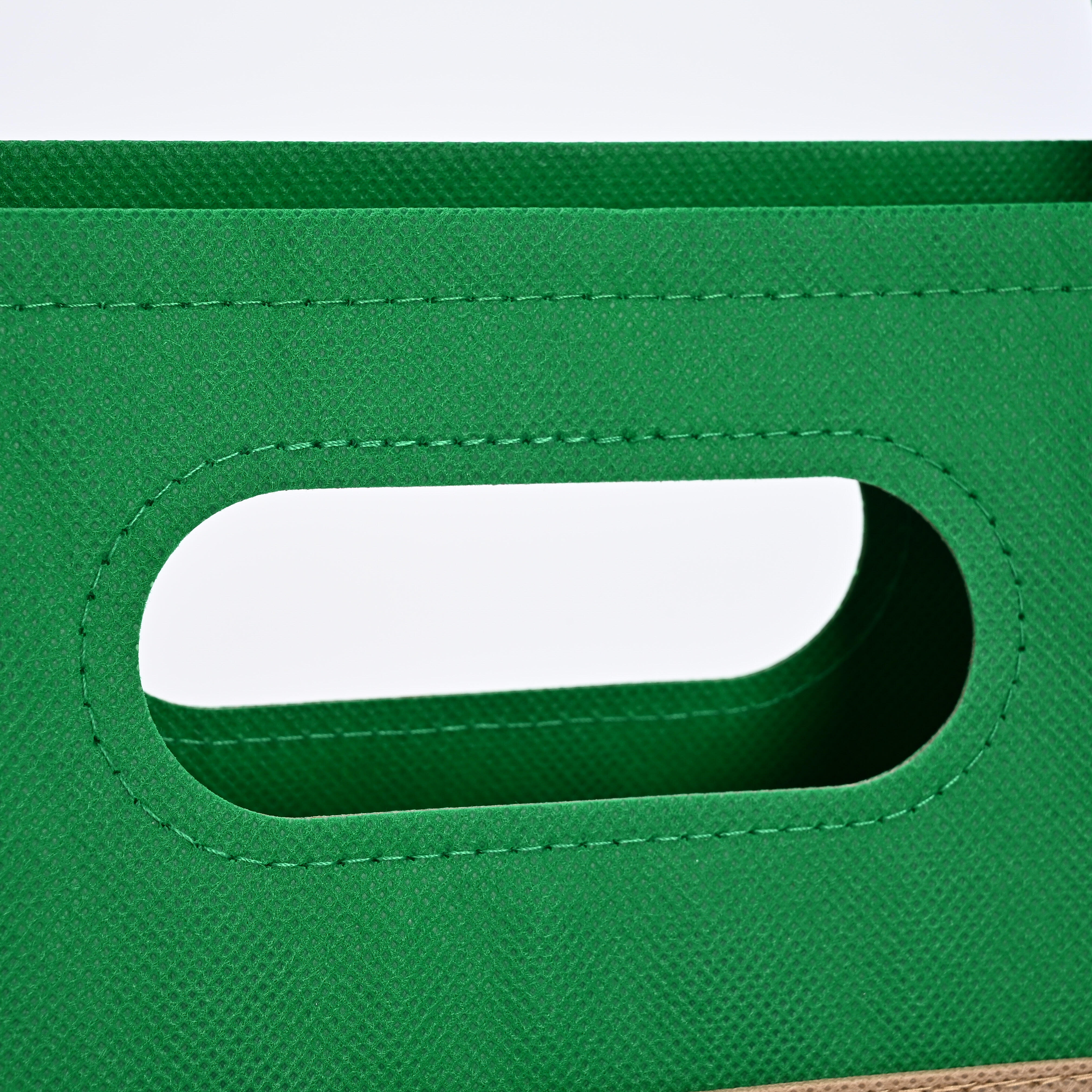
The customization capabilities of an RPET tote bag factory extend far beyond basic personalization, offering comprehensive design solutions that align perfectly with diverse brand requirements and functional specifications. Professional design teams collaborate closely with clients to transform conceptual ideas into practical, marketable products that effectively communicate brand messages while maintaining environmental responsibility. The factory's design process begins with detailed consultation sessions where experienced designers analyze brand guidelines, target audience preferences, and intended usage scenarios to develop optimal bag specifications. Advanced computer-aided design software enables precise visualization of proposed designs before production, allowing clients to evaluate aesthetic appeal and functional performance through detailed renderings and virtual prototypes. The fabric customization options include various weights ranging from lightweight promotional materials to heavy-duty commercial applications, with tensile strength specifications tailored to intended load requirements. Surface texture variations, from smooth finishes to textured weaves, provide tactile differentiation that enhances user experience and brand perception. Color matching services utilize precise spectrophotometry to replicate exact brand colors, ensuring consistent visual identity across all marketing materials. The printing and decoration capabilities encompass multiple technologies including screen printing for bold graphics, digital printing for photographic imagery, and heat transfer applications for metallic or specialty finishes. Embroidery services add dimensional branding elements with thread colors matched to corporate palettes, creating premium presentation quality suitable for executive gifts or high-end retail applications. Structural customization includes various handle configurations such as reinforced fabric straps, rope handles, or integrated grips designed for specific ergonomic requirements. Closure systems range from simple open-top designs to secure zipper closures, magnetic snaps, or drawstring mechanisms depending on content protection needs. Interior features can include multiple compartments, organizing pockets, or specialized holders for electronic devices or documentation. Size variations accommodate everything from compact promotional items to large-capacity shopping bags, with precise dimensional specifications ensuring compatibility with existing packaging or display systems. The factory's flexibility extends to order quantities, accommodating both small promotional runs and large-scale retail programs without compromising per-unit pricing structures.

Environmental Impact and Circular Economy Integration

Environmental Impact and Circular Economy Integration

The environmental impact achievements of an RPET tote bag factory demonstrate measurable contributions to global sustainability initiatives while creating tangible value for environmentally conscious businesses and consumers. Each production cycle diverts substantial quantities of plastic waste from landfills and marine environments, with typical facilities processing thousands of plastic bottles daily into useful textile products. The circular economy integration begins with comprehensive waste stream partnerships that establish reliable collection networks for post-consumer plastic bottles, creating economic incentives for recycling participation while ensuring consistent raw material supplies. Life cycle assessments conducted on RPET tote bag factory operations reveal significant reductions in carbon emissions compared to virgin material production, with energy consumption decreased by up to sixty percent through efficient recycling processes. Water usage optimization through closed-loop systems minimizes environmental impact while reducing operational costs, with advanced filtration enabling water recycling for multiple production cycles. The factory's commitment to environmental stewardship extends beyond material sourcing to include renewable energy integration, with solar panel installations and energy-efficient machinery reducing grid electricity dependence. Waste minimization strategies ensure that production byproducts, including fabric scraps and defective materials, are reintegrated into subsequent production cycles or redirected to appropriate recycling channels. The environmental certification programs maintained by leading RPET tote bag factories provide third-party validation of sustainability claims, including Global Recycled Standard (GRS) certification that verifies recycled content percentages and environmental management practices. Carbon footprint tracking systems monitor emissions throughout the supply chain, enabling continuous improvement initiatives and transparent reporting to stakeholders. The factory's role in promoting circular economy principles extends to customer education programs that highlight proper bag care and end-of-life recycling options, ensuring that products continue contributing to environmental benefits beyond their primary use phase. Community engagement initiatives often include partnerships with local schools and environmental organizations to promote recycling awareness and plastic waste reduction behaviors. The measurable environmental benefits include quantifiable metrics such as plastic bottles diverted from landfills, carbon emissions avoided, and energy consumption reductions, providing customers with concrete data to support their own sustainability reporting requirements. These comprehensive environmental initiatives position the RPET tote bag factory as a catalyst for positive change while delivering commercially viable products that meet market demands for sustainable alternatives.

Get a Free Quote

Our representative will contact you soon.
Email
Name
Company Name
Message
0/1000