reusable lunch bag manufacturer
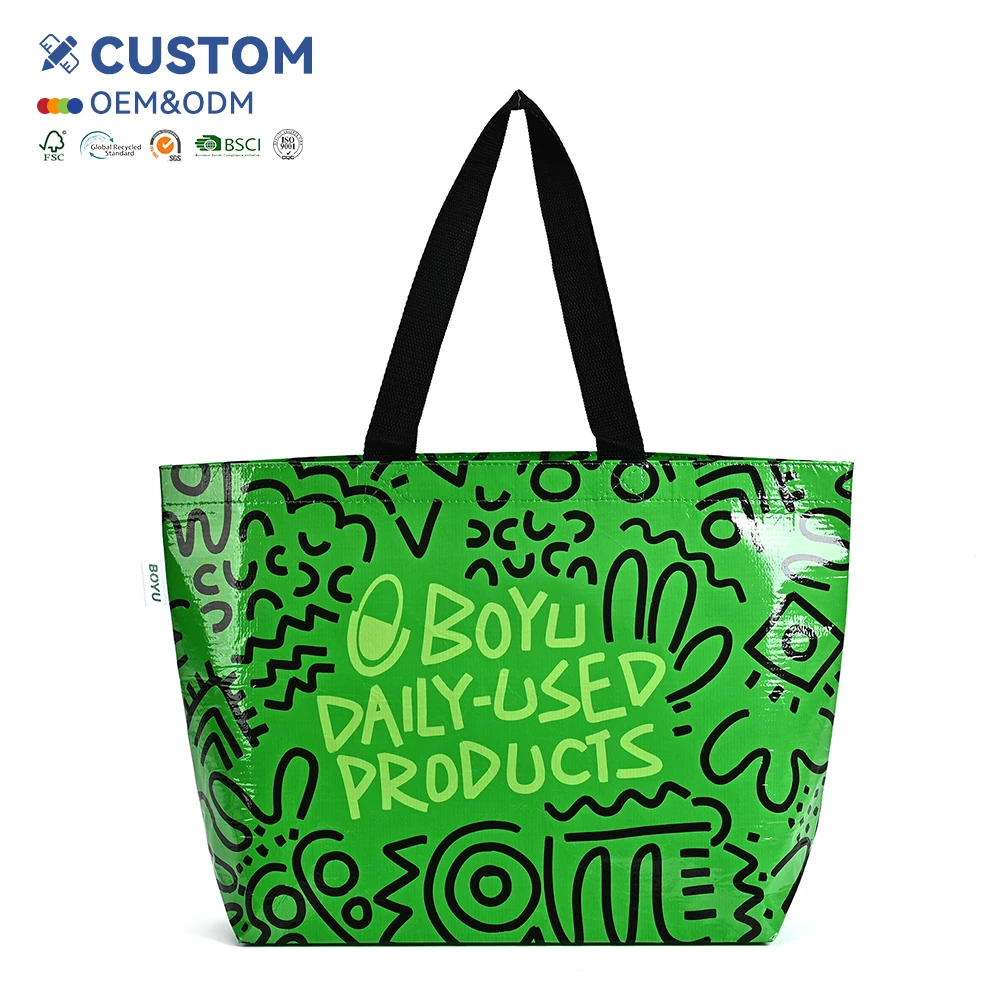
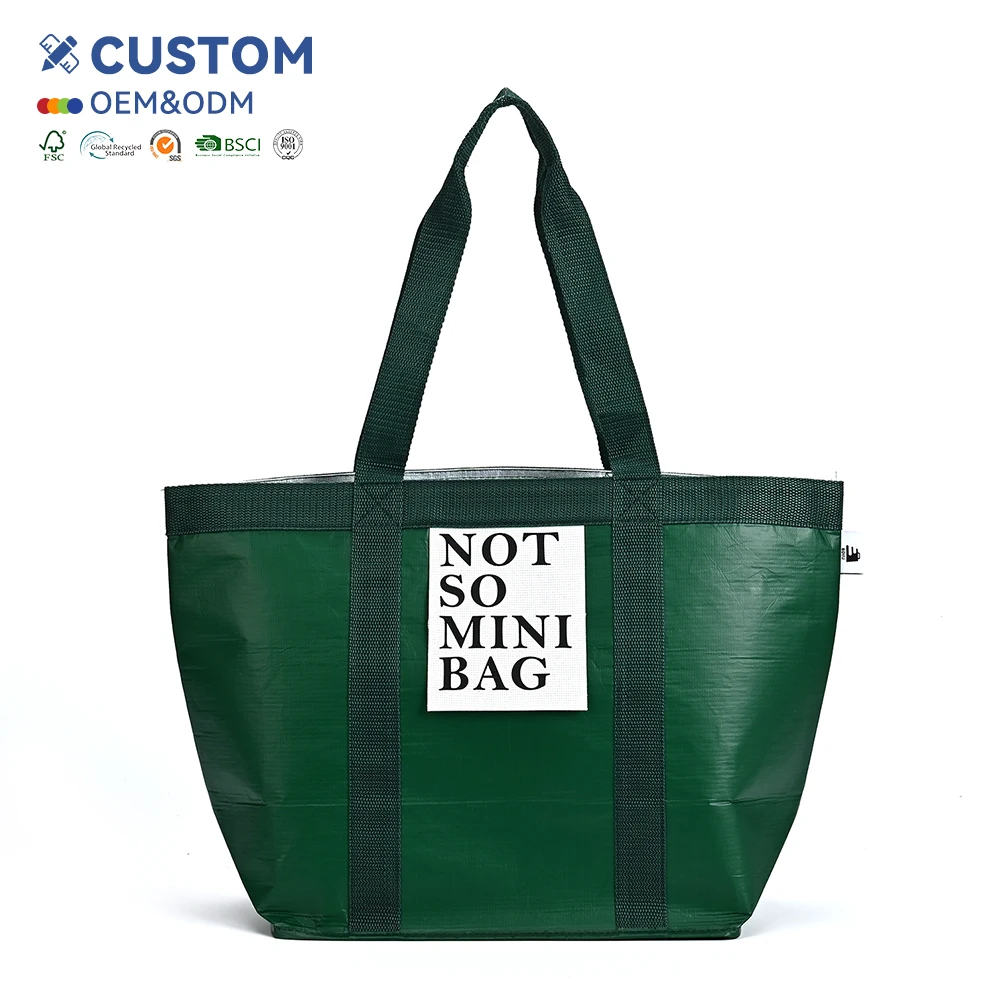
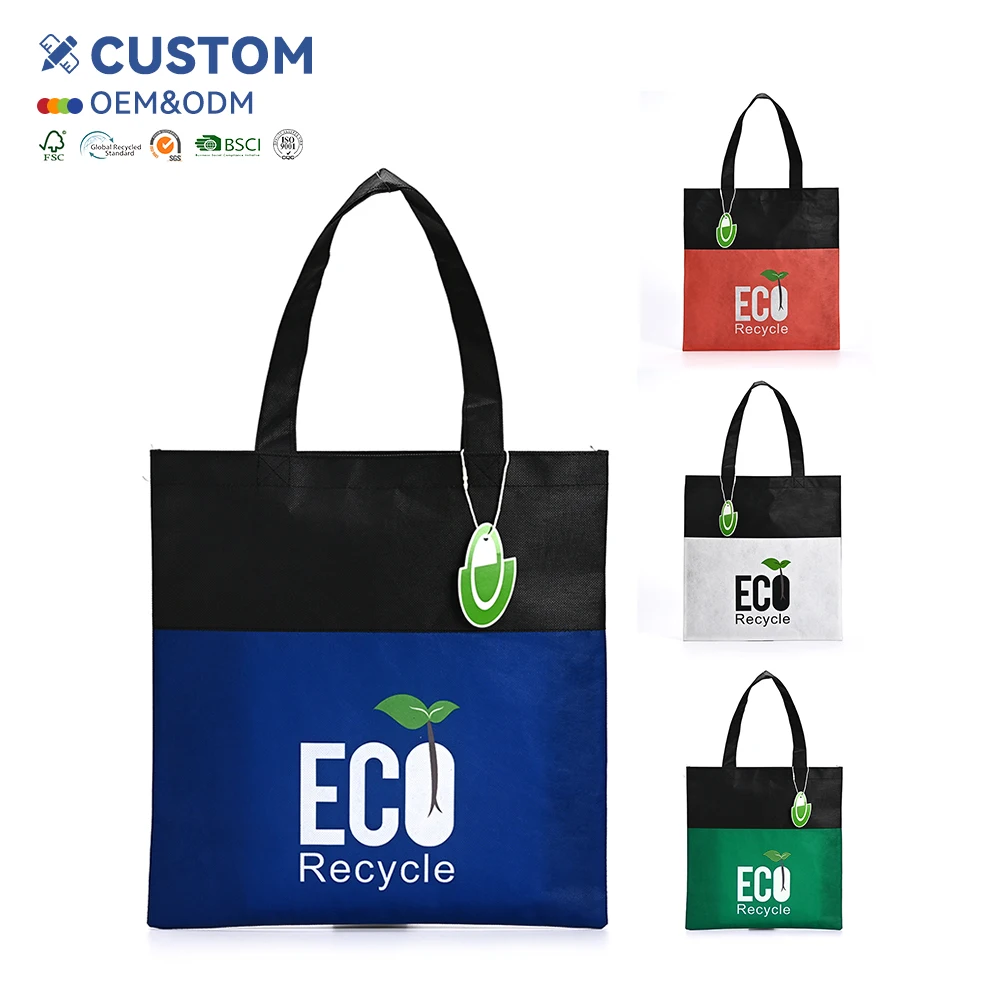
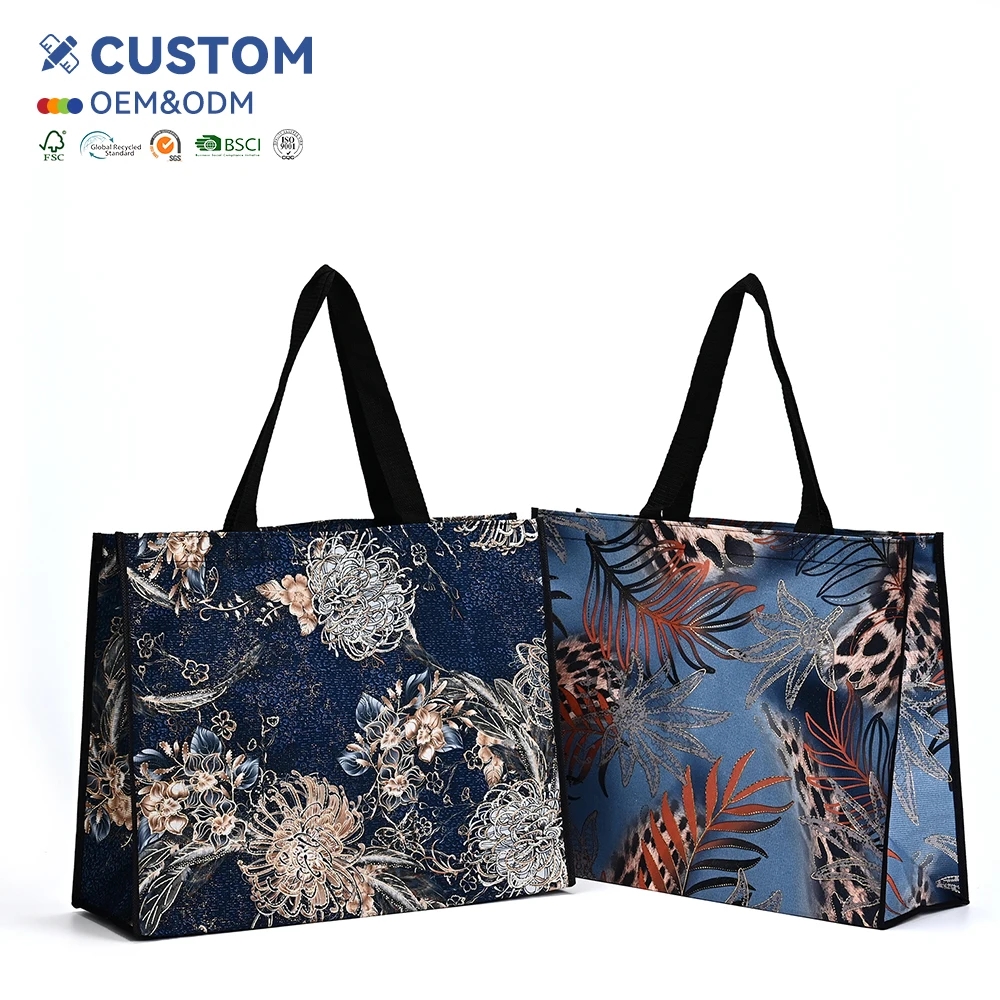
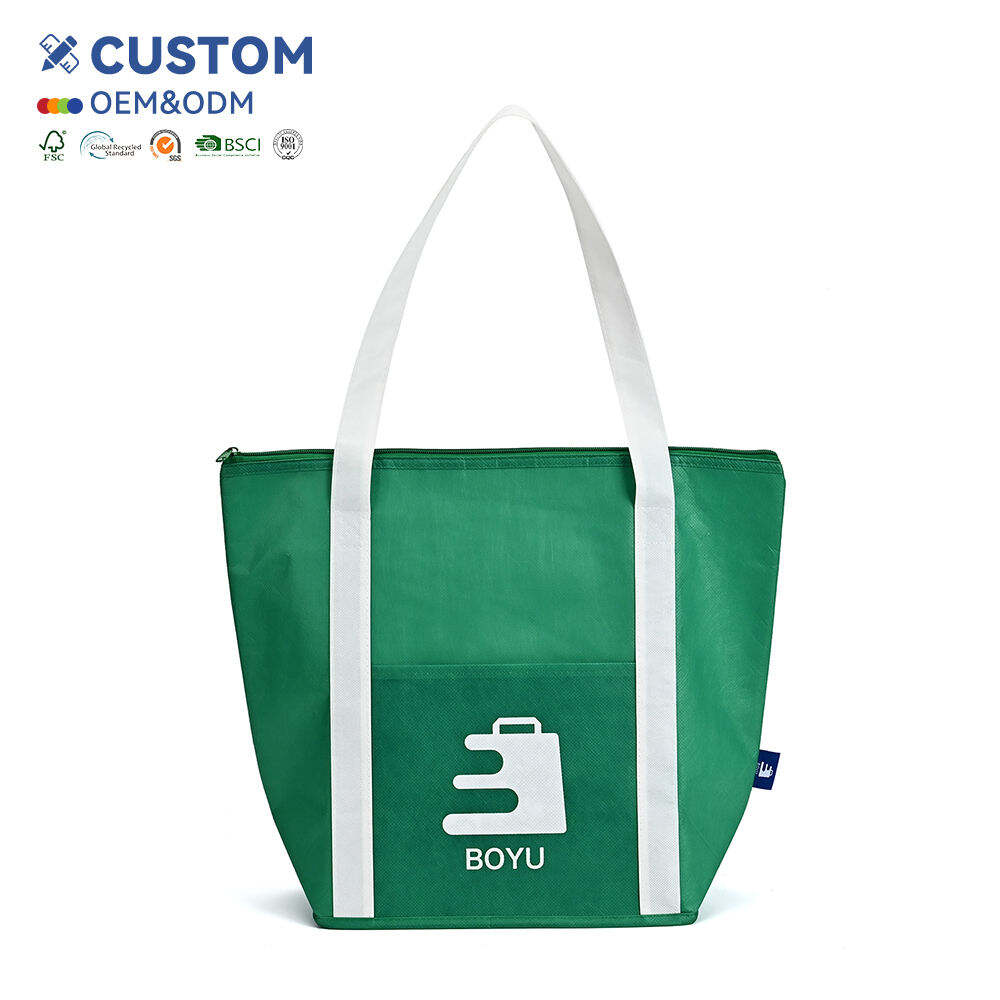
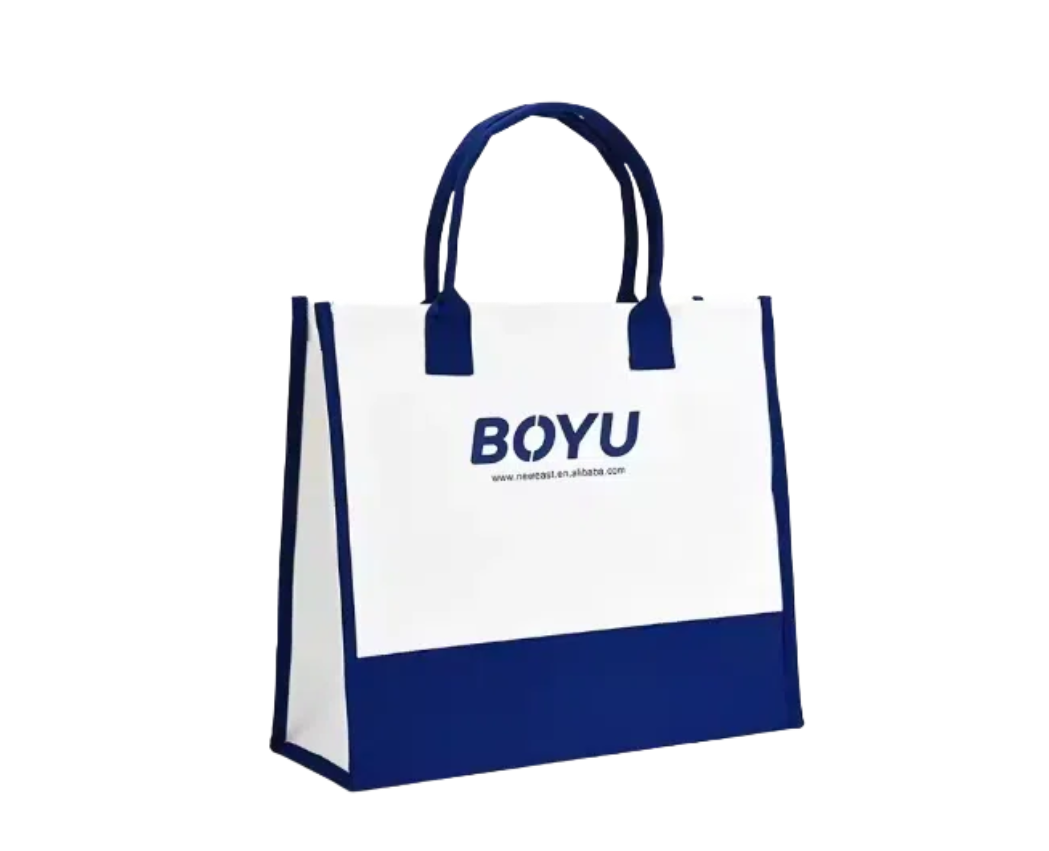
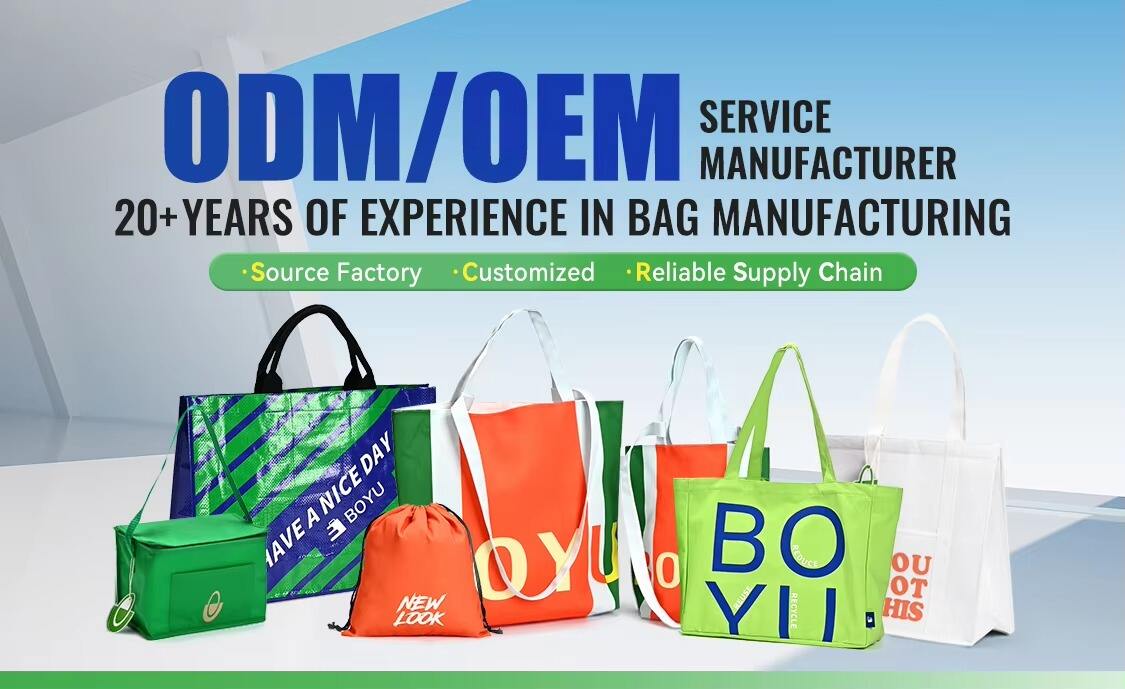
A reusable lunch bag manufacturer operates as a specialized production facility dedicated to creating sustainable food storage solutions for consumers worldwide. These manufacturing entities combine advanced textile engineering with environmental consciousness to produce durable, insulated containers that replace single-use packaging. The primary function involves transforming raw materials like recycled polyester, organic cotton, and food-grade insulation into functional lunch carriers that maintain temperature control for extended periods. Modern reusable lunch bag manufacturers utilize cutting-edge thermal technology, incorporating multiple insulation layers that create effective barriers against heat transfer. Advanced zipper systems ensure airtight seals, while antimicrobial treatments prevent bacterial growth and odor retention. The manufacturing process integrates automated cutting systems, precision stitching machinery, and quality control stations that test each product for durability and performance standards. These facilities employ sustainable production methods, utilizing renewable energy sources and waste reduction protocols throughout their operations. The technological features include innovative fabric treatments that provide water resistance, easy-clean surfaces, and enhanced durability through reinforced stress points. Applications span across diverse market segments including schools, offices, outdoor recreation, healthcare facilities, and retail distribution channels. The reusable lunch bag manufacturer serves educational institutions seeking eco-friendly alternatives, corporate cafeterias promoting sustainability initiatives, and individual consumers prioritizing environmental responsibility. Production capabilities typically include custom sizing options, personalized branding services, and specialized designs for specific dietary requirements. These manufacturers often collaborate with environmental organizations to develop products that meet strict sustainability criteria while maintaining competitive pricing structures that make eco-friendly choices accessible to broader consumer demographics.

 EN
EN