 EN
EN
Sustainable packaging has become a critical concern for businesses and consumers worldwide as environmental awareness continues to grow. Companies are increasingly seeking alternatives to traditional plastic packaging that can reduce their carbon footprint while maintaining functionality and cost-effectiveness. The shift toward eco-friendly packaging solutions represents not just a trend but a fundamental change in how we approach product distribution and consumer responsibility.

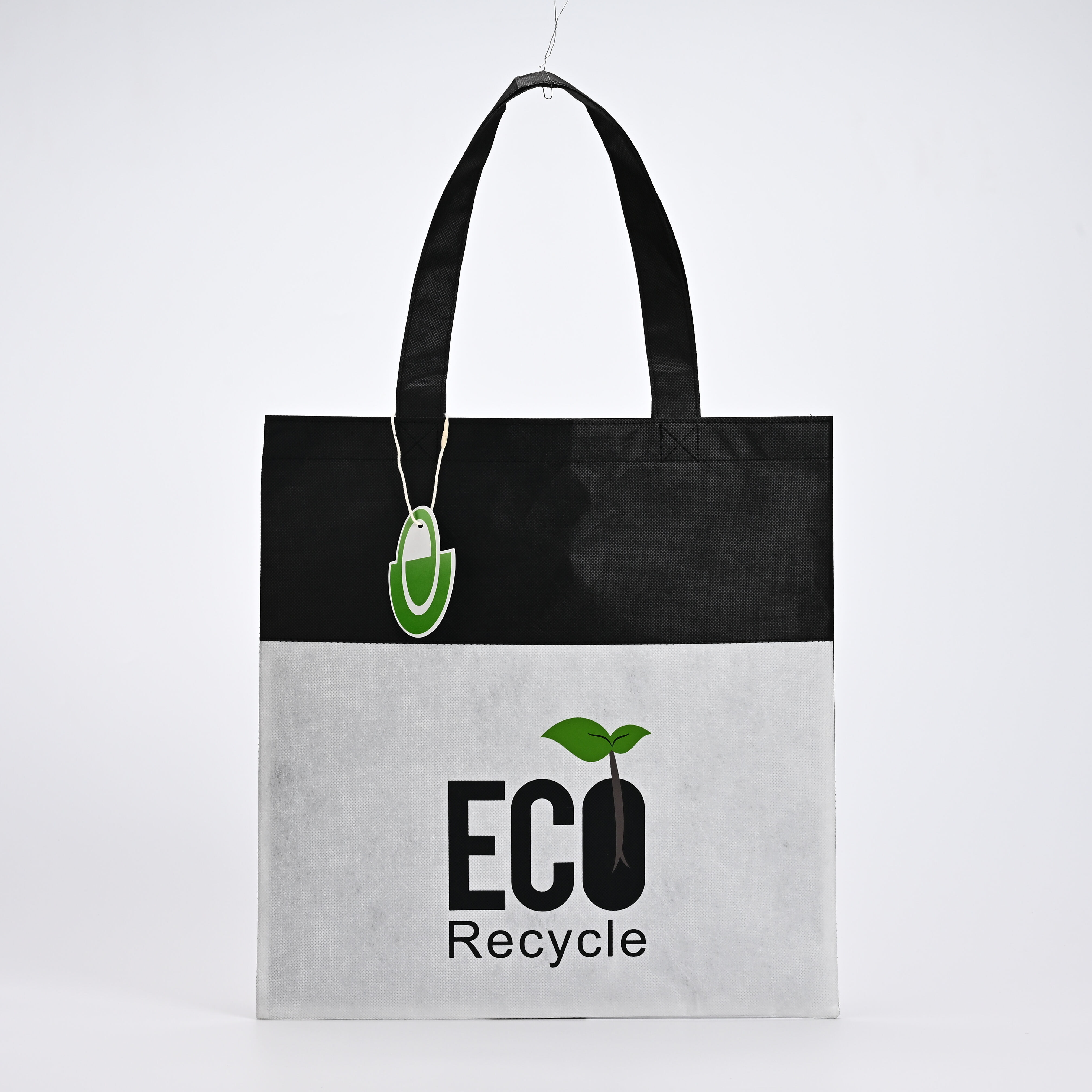
Among the various sustainable packaging options available today, non-woven fabric bags have emerged as a leading choice for retailers, manufacturers, and environmentally conscious consumers. These innovative bags offer a perfect balance of durability, functionality, and environmental responsibility, making them an ideal replacement for single-use plastic bags across multiple industries and applications.
Understanding Non-Woven Fabric Technology
Manufacturing Process and Material Composition
Non-woven fabrics are created through a unique manufacturing process that bonds fibers together through mechanical, thermal, or chemical methods rather than traditional weaving or knitting techniques. This process typically involves polypropylene or polyester fibers that are laid down in random orientations and then bonded using heat, pressure, or adhesive solutions. The resulting material maintains strength and flexibility while requiring significantly less energy and resources compared to conventional textile production.
The manufacturing efficiency of non-woven materials translates directly into environmental benefits. The production process generates minimal waste, uses fewer chemicals than traditional textile manufacturing, and requires less water consumption. Additionally, the raw materials used in creating these fabrics can often be sourced from recycled plastic bottles and other post-consumer waste, further enhancing their sustainability credentials.
Physical Properties and Performance Characteristics
Non-woven fabrics possess several distinctive properties that make them highly suitable for packaging applications. These materials demonstrate excellent tear resistance, moisture resistance, and dimensional stability under various environmental conditions. The fiber structure allows for controlled porosity, which can be adjusted during manufacturing to achieve specific breathability or barrier properties depending on the intended application.
The versatility of non-woven materials extends to their ability to accept various surface treatments and printing techniques. This adaptability allows manufacturers to create customized packaging solutions that meet specific branding requirements while maintaining the environmental benefits inherent in the base material. The fabric can be laminated, coated, or treated with antimicrobial agents to enhance performance characteristics for specialized applications.
Environmental Benefits of Non-Woven Packaging
Biodegradability and End-of-Life Management
One of the most significant environmental advantages of non-woven packaging lies in its end-of-life management options. Many non woven bag products are designed to be biodegradable under appropriate conditions, breaking down naturally without leaving harmful residues in the environment. This characteristic represents a substantial improvement over traditional plastic packaging that can persist in landfills and natural environments for hundreds of years.
The biodegradability of non-woven materials can be enhanced through the selection of appropriate raw materials and manufacturing processes. Some manufacturers utilize plant-based fibers or biodegradable synthetic materials that accelerate decomposition in industrial composting facilities. This approach provides businesses with packaging solutions that align with circular economy principles and waste reduction goals.
Carbon Footprint Reduction
The production of non-woven packaging materials typically generates a lower carbon footprint compared to conventional packaging alternatives. The manufacturing process requires less energy input, produces fewer greenhouse gas emissions, and often incorporates recycled materials that would otherwise require disposal. Life cycle assessments consistently demonstrate that non-woven packaging solutions offer superior environmental performance across multiple impact categories.
Transportation efficiency represents another area where non-woven packaging contributes to carbon footprint reduction. The lightweight nature of these materials reduces shipping weights and volumes, leading to decreased fuel consumption and emissions during distribution. This benefit becomes particularly significant for companies with extensive supply chains or international distribution networks.
Industrial Applications and Market Adoption
Retail and Consumer Goods Packaging
The retail sector has embraced non-woven packaging solutions across various applications, from shopping bags to product protection during storage and transportation. Major retailers have implemented non-woven bag programs as alternatives to plastic bags, often incorporating custom branding and design elements that enhance the shopping experience while demonstrating environmental commitment. These bags offer superior durability compared to paper alternatives while maintaining the environmental benefits that consumers increasingly demand.
Consumer goods manufacturers utilize non-woven materials for protective packaging, dust covers, and promotional bags that accompany product purchases. The material's ability to provide protection while maintaining breathability makes it particularly suitable for textile products, footwear, and other consumer goods that require ventilation during storage. The professional appearance and customization options available with non-woven materials help maintain brand image while supporting sustainability initiatives.
Food and Beverage Industry Applications
The food and beverage industry has found numerous applications for non-woven packaging solutions, particularly in areas where traditional plastic packaging may be inappropriate or environmentally undesirable. Non-woven materials can be engineered to provide specific barrier properties for food protection while maintaining breathability for fresh produce applications. The material's resistance to moisture and contamination makes it suitable for various food packaging scenarios.
Beverage manufacturers utilize non-woven materials for promotional packaging, gift bags, and protective covers during transportation and storage. The ability to incorporate antimicrobial treatments into the fabric structure provides additional food safety benefits while maintaining the environmental advantages of the base material. These applications demonstrate the versatility of non-woven technology in addressing industry-specific requirements while supporting sustainability goals.
Economic Advantages and Cost Considerations
Manufacturing Cost Efficiency
The economic viability of non-woven packaging solutions stems from several factors that contribute to overall cost efficiency. The manufacturing process for non-woven materials requires less complex equipment and shorter production cycles compared to traditional textile manufacturing, resulting in lower capital investment requirements and operational costs. This efficiency translates into competitive pricing for end products while maintaining quality and performance standards.
Raw material costs for non-woven production can be further optimized through the incorporation of recycled content and efficient sourcing strategies. The ability to utilize post-consumer waste materials not only reduces environmental impact but also provides cost advantages through lower raw material expenses. Additionally, the consistent quality and performance characteristics of non-woven materials reduce waste and quality control costs during manufacturing and application.
Long-Term Economic Benefits
The durability and reusability of non-woven packaging solutions provide long-term economic benefits for both businesses and consumers. Unlike single-use alternatives, non-woven bags and packaging materials can withstand multiple use cycles, reducing the total cost of ownership over their service life. This characteristic makes them particularly attractive for promotional applications where repeated brand exposure provides additional marketing value.
Businesses adopting non-woven packaging solutions often experience reduced regulatory compliance costs and potential tax incentives related to environmental initiatives. As governments worldwide implement stricter regulations on single-use plastics and packaging waste, companies utilizing sustainable alternatives like non-woven materials position themselves advantageously for future regulatory changes while potentially accessing green business incentives and certifications.
Innovation and Future Development Trends
Advanced Material Technologies
Ongoing research and development in non-woven material technology continue to expand the possibilities for eco-friendly packaging applications. Scientists and engineers are developing new fiber compositions, bonding techniques, and surface treatments that enhance performance characteristics while maintaining or improving environmental benefits. These innovations include the development of fully bio-based non-woven materials derived from agricultural waste and renewable plant sources.
Nanotechnology applications in non-woven materials are creating new possibilities for enhanced barrier properties, antimicrobial effects, and functional characteristics that were previously unattainable. These advanced materials maintain the fundamental environmental advantages of traditional non-woven fabrics while offering expanded application possibilities in demanding packaging scenarios where specific performance requirements must be met.
Smart Packaging Integration
The integration of smart packaging technologies with non-woven materials represents an emerging trend that combines sustainability with advanced functionality. Researchers are developing methods to incorporate sensors, indicators, and other electronic components into non-woven packaging structures without compromising biodegradability or recyclability. These innovations enable real-time monitoring of package contents, temperature tracking, and other valuable data collection capabilities.
Digital printing technologies and customization capabilities for non-woven materials are advancing rapidly, enabling businesses to create highly personalized packaging solutions with minimal environmental impact. These developments support the growing demand for customized packaging while maintaining the sustainability benefits that make non-woven materials attractive alternatives to conventional packaging options.
Implementation Strategies for Businesses
Assessment and Planning Phase
Successful implementation of non-woven packaging solutions requires careful assessment of current packaging requirements, performance specifications, and sustainability goals. Businesses should conduct comprehensive evaluations of their existing packaging systems to identify opportunities where non-woven materials can provide equivalent or superior performance while delivering environmental benefits. This assessment should include consideration of supply chain implications, customer acceptance, and regulatory requirements.
The planning phase should also incorporate cost-benefit analysis that considers both immediate implementation costs and long-term savings potential. Businesses should evaluate the total cost of ownership for non-woven packaging solutions, including manufacturing, transportation, storage, and end-of-life disposal costs. This comprehensive analysis ensures that sustainability initiatives align with business objectives and provide measurable value.
Supplier Selection and Quality Management
Selecting appropriate suppliers for non-woven packaging materials requires evaluation of manufacturing capabilities, quality control systems, and sustainability credentials. Businesses should prioritize suppliers who demonstrate commitment to environmental responsibility through certified production processes, waste reduction programs, and transparent reporting of environmental impact metrics. Quality management systems should ensure consistent performance characteristics and compliance with relevant industry standards.
Supply chain resilience considerations become particularly important when implementing new packaging solutions. Businesses should evaluate supplier geographic distribution, production capacity, and ability to scale operations to meet growing demand. Diversified supplier networks help ensure consistent availability of non-woven packaging materials while supporting competitive pricing and quality standards.
FAQ
What makes non-woven bags more environmentally friendly than traditional plastic bags
Non-woven bags offer superior environmental benefits due to their biodegradable properties, lower carbon footprint during production, and reusability characteristics. Unlike traditional plastic bags that can persist in the environment for hundreds of years, non-woven bags break down naturally under appropriate conditions. The manufacturing process requires less energy and generates fewer emissions while often incorporating recycled materials, making them a more sustainable choice for environmentally conscious businesses and consumers.
How long do non-woven bags typically last with regular use
The lifespan of non-woven bags depends on the quality of materials, construction methods, and usage patterns. High-quality non-woven bags can withstand dozens of use cycles when properly cared for, making them significantly more durable than paper bags and more sustainable than single-use plastic alternatives. Proper maintenance, including gentle cleaning and appropriate storage, can extend the useful life of these bags while maintaining their appearance and functionality throughout their service period.
Can non-woven packaging materials be recycled through standard recycling programs
The recyclability of non-woven packaging materials varies depending on the specific composition and local recycling infrastructure capabilities. Many non-woven materials made from polypropylene can be recycled through specialized programs, though they may not be accepted in standard curbside recycling due to their fabric-like structure. Businesses and consumers should check with local recycling facilities to determine appropriate disposal methods and explore take-back programs offered by manufacturers or retailers.
What industries benefit most from switching to non-woven packaging solutions
Industries with high packaging volumes and strong sustainability commitments benefit significantly from non-woven packaging solutions. Retail, fashion, consumer goods, and promotional product industries find particular value in the durability, customization options, and environmental benefits of non-woven materials. Food and beverage companies also utilize these materials for protective packaging and promotional applications where the combination of functionality and sustainability provides competitive advantages and aligns with corporate responsibility initiatives.
Table of Contents
- Understanding Non-Woven Fabric Technology
- Environmental Benefits of Non-Woven Packaging
- Industrial Applications and Market Adoption
- Economic Advantages and Cost Considerations
- Innovation and Future Development Trends
- Implementation Strategies for Businesses
-
FAQ
- What makes non-woven bags more environmentally friendly than traditional plastic bags
- How long do non-woven bags typically last with regular use
- Can non-woven packaging materials be recycled through standard recycling programs
- What industries benefit most from switching to non-woven packaging solutions