 EN
EN
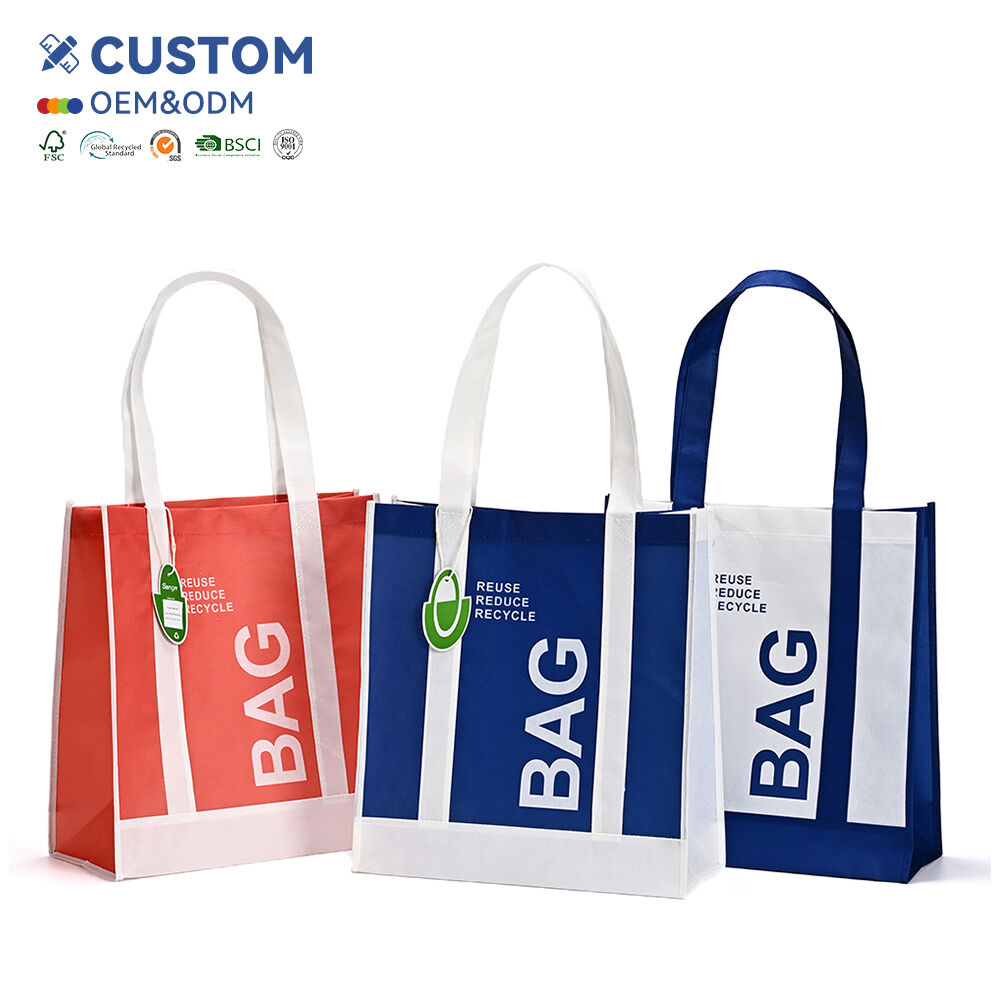
The retail and promotional landscape has witnessed a significant shift towards sustainable packaging solutions, with businesses increasingly seeking eco-friendly alternatives that align with consumer environmental consciousness. Among the various sustainable options available, non woven bags have emerged as a preferred choice for retailers and promotional brands worldwide. These versatile carriers offer an ideal combination of durability, cost-effectiveness, and environmental responsibility that traditional plastic bags simply cannot match. The growing popularity of these fabric alternatives reflects a broader industry transformation where sustainability meets practicality, creating opportunities for brands to enhance their image while meeting consumer expectations for responsible business practices.

Environmental Benefits Driving Market Adoption
Sustainable Manufacturing Process
The production process of non woven bags involves minimal chemical treatments and significantly less water consumption compared to traditional textile manufacturing. These bags are typically made from polypropylene fibers that are bonded together through heat, mechanical, or chemical processes without the need for weaving. This manufacturing approach reduces energy consumption by up to 40% compared to conventional fabric production, making them an attractive option for environmentally conscious brands. The streamlined production process also means fewer manufacturing byproducts and reduced industrial waste, contributing to a cleaner production cycle that aligns with corporate sustainability goals.
Furthermore, the raw materials used in non woven bag production can often be sourced from recycled content, creating a circular economy approach that appeals to modern consumers. Many manufacturers now offer options with varying percentages of recycled polypropylene, allowing brands to choose products that best align with their sustainability commitments. The ability to incorporate post-consumer recycled materials into the manufacturing process demonstrates the industry's commitment to reducing environmental impact while maintaining product quality and functionality.
Biodegradability and End-of-Life Options
Unlike conventional plastic bags that can persist in the environment for hundreds of years, properly manufactured non woven bags offer improved end-of-life scenarios through various disposal methods. When disposed of in appropriate facilities, these bags can be recycled into new products or processed in waste-to-energy facilities, reducing landfill accumulation. Some specialized variants are designed to be compostable under industrial composting conditions, providing an even more environmentally friendly disposal option for conscious consumers and businesses.
The degradation timeline of non woven bags varies depending on environmental conditions and specific material composition, but generally ranges from several months to a few years when exposed to natural elements. This significantly shorter degradation period compared to traditional plastic bags makes them a more responsible choice for single-use applications, though their durability allows for multiple reuses before disposal becomes necessary. Retail brands appreciate this balance between functionality and environmental responsibility, as it allows them to offer customers a practical solution while demonstrating their commitment to sustainability.
Cost-Effectiveness and Business Value
Manufacturing and Procurement Advantages
The cost structure of non woven bag production offers significant advantages for retail and promotional brands, particularly when ordering in larger quantities. The relatively simple manufacturing process allows for competitive pricing while maintaining quality standards, making these bags accessible for businesses of various sizes. Bulk ordering options typically provide substantial cost reductions, with many suppliers offering tiered pricing that becomes increasingly attractive as order volumes increase. This pricing structure makes it feasible for small retailers to access sustainable packaging solutions previously available only to larger corporations with substantial procurement budgets.
Additionally, the lightweight nature of non woven bags reduces shipping costs compared to heavier alternatives like canvas or jute bags, providing ongoing savings throughout the supply chain. Storage requirements are also minimized due to their compact design when empty, allowing retailers to maintain inventory without dedicating excessive warehouse space. The combination of competitive unit costs, reduced shipping expenses, and efficient storage makes non woven bag solutions economically attractive for businesses seeking to balance sustainability with profitability.
Long-Term Return on Investment
The durability of non woven bags provides excellent return on investment for both retailers and consumers, as these bags can withstand multiple uses before showing signs of wear. This reusability factor extends the effective lifespan of each bag, reducing the per-use cost significantly compared to single-use alternatives. For promotional campaigns, this extended lifespan means increased brand exposure over time, as customers continue using the bags long after the initial distribution, providing ongoing marketing value that justifies the initial investment.
Retailers benefit from reduced ongoing packaging costs as customers bring their own non woven bags for repeat purchases, creating a sustainable cycle that decreases operational expenses over time. The positive brand association with environmental responsibility can also translate into increased customer loyalty and preference, potentially driving higher sales volumes and customer lifetime value. Market research indicates that consumers are increasingly willing to pay premium prices for products from environmentally responsible retailers, making the investment in sustainable packaging solutions a strategic business decision with measurable financial benefits.
Customization and Branding Opportunities
Printing and Design Flexibility
Non woven bags offer exceptional customization possibilities through various printing techniques that allow brands to create distinctive, memorable promotional items. Screen printing, heat transfer, and digital printing methods can be applied to achieve vibrant colors, detailed graphics, and complex brand designs that effectively communicate marketing messages. The fabric surface accepts ink well, ensuring print quality remains sharp and durable throughout the bag's lifespan, providing consistent brand representation with each use.
The ability to print on both sides of the bag doubles the available branding space, allowing for comprehensive marketing messages, product information, or decorative designs that enhance visual appeal. Full-color printing capabilities enable brands to reproduce photographic images, gradients, and complex artwork with impressive fidelity, making these bags suitable for high-end retail environments and sophisticated marketing campaigns. Custom sizing options further enhance branding opportunities, as brands can create bags specifically tailored to their products or target market preferences.
Brand Differentiation Strategies
The versatility of non woven bag design allows brands to differentiate themselves through unique aesthetic choices, functional features, and innovative applications. Handle styles, closure mechanisms, and additional pockets or compartments can be customized to create distinctive products that reflect brand personality and meet specific customer needs. Color matching services enable precise reproduction of corporate color schemes, ensuring brand consistency across all marketing materials and customer touchpoints.
Limited edition designs, seasonal collections, and collaborative artwork opportunities provide ongoing marketing engagement possibilities that keep brands relevant and interesting to consumers. The relatively quick production turnaround for custom non woven bags makes it feasible to respond rapidly to market trends, seasonal demands, or special events with targeted promotional campaigns. This agility in customization and production scheduling gives brands a competitive advantage in fast-moving retail environments where timing and relevance are crucial for campaign success.
Consumer Preference and Market Trends
Growing Environmental Awareness
Consumer behavior studies consistently demonstrate increasing awareness and concern about environmental issues, with packaging waste ranking among the top concerns for environmentally conscious shoppers. This awareness translates directly into purchasing decisions, as consumers actively seek retailers and brands that demonstrate environmental responsibility through their packaging choices. Non woven bags address this consumer demand by providing a visible, tangible representation of a brand's commitment to sustainability that customers can appreciate and support through their purchasing decisions.
The psychological impact of carrying a reusable, environmentally friendly bag extends beyond mere functionality to create a positive association between the consumer and the brand. Research indicates that consumers experience satisfaction from making environmentally responsible choices, and this positive emotion becomes associated with the brands that enable such choices. This emotional connection can drive customer loyalty, word-of-mouth recommendations, and repeat business, making environmental responsibility a valuable marketing strategy rather than merely a compliance requirement.
Regulatory Compliance and Market Pressure
Government regulations restricting single-use plastic bags have created mandatory demand for alternative packaging solutions in many markets worldwide. These regulations often include fees, taxes, or outright bans on traditional plastic bags, making non woven alternatives not just preferable but necessary for continued business operations. Retailers operating in multiple jurisdictions benefit from standardizing on compliant packaging solutions that meet varying regulatory requirements without requiring market-specific inventory management.
Beyond regulatory compliance, competitive pressure within retail sectors drives adoption of sustainable packaging as industry leaders set new standards that others must match to remain competitive. Consumer expectations established by environmentally progressive brands create market-wide pressure for sustainable practices, making non woven bags increasingly necessary for maintaining competitive positioning. This market evolution ensures continued growth in demand for sustainable packaging solutions across diverse retail sectors and geographic markets.
Practical Applications Across Industries
Retail Sector Implementation
Grocery stores and supermarkets have emerged as primary adopters of non woven bag solutions, utilizing these products both as customer purchase options and promotional giveaways during special events or grand openings. The bags' capacity to handle substantial weight makes them ideal for grocery applications, while their washable nature addresses hygiene concerns associated with food transportation. Many grocery chains now offer branded non woven bags at checkout, creating an additional revenue stream while providing customers with practical, reusable carrying solutions.
Fashion retailers and boutiques appreciate the premium appearance that quality non woven bags provide, enhancing the overall shopping experience and brand perception. The ability to create sophisticated designs that complement brand aesthetics makes these bags suitable for luxury retail environments where packaging quality directly impacts customer satisfaction and brand image. Department stores and specialty retailers often use custom non woven bags as shopping bags, gift bag alternatives, and promotional items that extend brand visibility beyond the initial purchase occasion.
Promotional and Event Marketing
Trade shows, conferences, and corporate events frequently utilize non woven bags as welcome gifts or swag bag containers, providing attendees with useful items while promoting sponsor brands. The professional appearance and practical functionality make these bags appropriate for business environments, while customization options allow for sophisticated branding that reflects corporate identity. Event organizers appreciate the lightweight nature of these bags for shipping and distribution logistics, while sponsors value the extended brand exposure achieved through continued use after events conclude.
Promotional campaigns for new product launches, seasonal sales, and customer appreciation events benefit from the versatility and perceived value of custom non woven bags. The bags serve dual purposes as promotional gifts and practical items that encourage repeat store visits, as customers bring the bags for future shopping trips. This ongoing visibility extends the effective reach of promotional campaigns far beyond the initial distribution period, providing excellent return on marketing investment compared to traditional advertising methods with limited exposure duration.
FAQ
How long do non woven bags typically last with regular use
Non woven bags are designed for durability and can withstand dozens to hundreds of uses depending on the weight and quality of materials used in construction. Standard weight bags suitable for light to medium shopping loads typically last 6-12 months with regular weekly use, while heavier duty options can last several years. The actual lifespan depends on usage patterns, load weights, storage conditions, and care practices such as proper cleaning and avoiding exposure to sharp objects that might cause tears.
What printing methods work best for non woven bag customization
Screen printing remains the most popular and cost-effective method for non woven bag customization, particularly for simple designs with limited colors and large quantity orders. Heat transfer printing offers excellent detail reproduction and color accuracy for complex designs or smaller quantities, while digital printing provides the highest quality results for photographic images and gradient effects. The choice of printing method depends on design complexity, color requirements, quantity, and budget considerations.
Are non woven bags suitable for food contact applications
While non woven bags are generally safe for carrying packaged foods, they are not recommended for direct contact with unwrapped food items unless specifically certified for food-grade applications. Most standard non woven bags are designed for dry goods, packaged products, and non-food items. For applications involving direct food contact, specialized food-grade certified options are available that meet appropriate safety standards and regulations.
What factors should brands consider when selecting non woven bag suppliers
Key selection criteria include manufacturing quality standards, customization capabilities, minimum order quantities, production lead times, and pricing structure. Brands should also evaluate supplier certifications, environmental compliance, quality control processes, and customer service responsiveness. Additionally, consider the supplier's experience with similar projects, sample quality, and ability to meet delivery deadlines for time-sensitive promotional campaigns or product launches.