 EN
EN
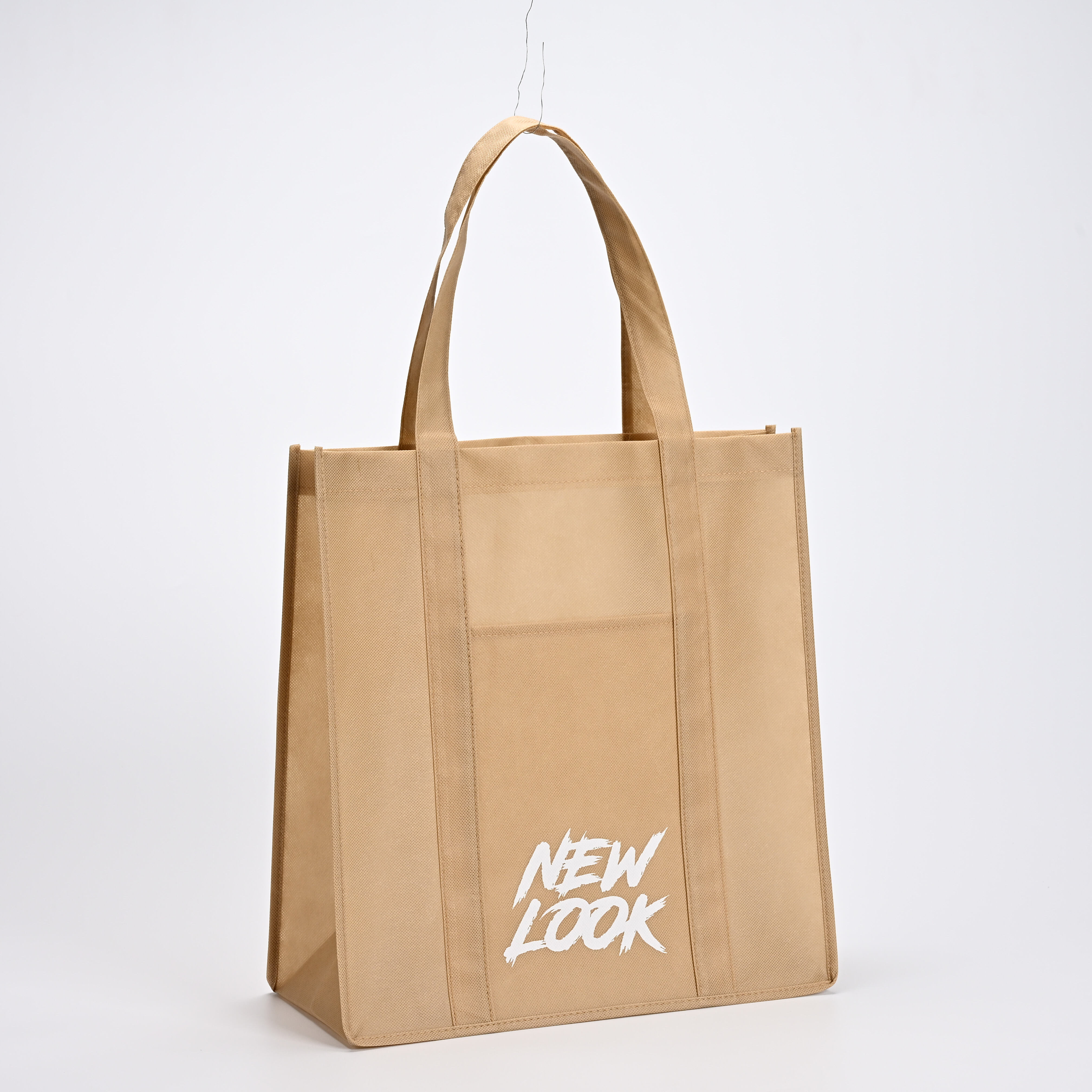
Selecting the appropriate packaging solution for your business operations requires careful consideration of materials, durability, and environmental impact. Modern enterprises increasingly prioritize sustainable alternatives that align with corporate responsibility goals while maintaining functionality and cost-effectiveness. When evaluating promotional products and packaging options, businesses must consider factors such as brand representation, customer experience, and long-term value proposition.

The shift toward eco-friendly business practices has revolutionized how companies approach their packaging and promotional material choices. Traditional plastic bags face increasing restrictions and consumer backlash, creating opportunities for innovative alternatives that deliver superior performance. Understanding the characteristics and benefits of different materials enables businesses to make informed decisions that support both operational efficiency and environmental stewardship initiatives.
Understanding Non Woven Fabric Technology
Manufacturing Process and Material Properties
The production of non woven fabrics involves sophisticated manufacturing techniques that bond fibers together without traditional weaving or knitting processes. This unique approach creates materials with distinct characteristics that make them particularly suitable for various commercial applications. The bonding process can utilize thermal, chemical, or mechanical methods, each producing fabrics with different strength profiles and performance attributes.
Polypropylene serves as the primary raw material for most commercial non woven applications, offering excellent chemical resistance and durability. The fiber structure creates a breathable yet strong material that maintains its integrity under normal usage conditions. These properties make non woven fabrics ideal for applications requiring both strength and flexibility, particularly in retail and promotional contexts.
Environmental Impact and Sustainability Factors
Non woven materials offer significant environmental advantages compared to traditional plastic alternatives. The manufacturing process typically requires less energy and water consumption, while the resulting products demonstrate superior recyclability characteristics. Many non woven fabrics can be processed through standard recycling systems, reducing their overall environmental footprint and supporting circular economy principles.
The biodegradability of certain non woven materials depends on their specific composition and manufacturing additives. While standard polypropylene-based fabrics require proper recycling, specialized formulations incorporating biodegradable components offer enhanced environmental compatibility. Businesses seeking maximum sustainability benefits should evaluate both recyclability and biodegradation potential when selecting materials for their applications.
Business Applications and Use Cases
Retail and Shopping Applications
Retail environments benefit significantly from implementing non woven solutions due to their versatility and professional appearance. These bags accommodate various product types while maintaining structural integrity throughout the shopping experience. The material's tear resistance and capacity for custom printing make it particularly valuable for businesses seeking to enhance brand visibility and customer satisfaction simultaneously.
Shopping centers and individual retailers report increased customer satisfaction when providing non woven bag alternatives to traditional plastic options. The reusable nature of these bags extends their promotional value beyond single transactions, creating ongoing brand exposure opportunities. This extended utility translates into improved return on investment for marketing expenditures while supporting environmental responsibility initiatives.
Corporate Events and Promotional Campaigns
Corporate events require promotional materials that reflect professionalism while providing practical utility for attendees. Non woven bags excel in these environments due to their capacity for high-quality printing and durable construction that withstands event-related wear and tear. The material accepts various printing techniques, including screen printing, heat transfer, and digital printing, enabling precise brand reproduction.
Trade shows and conferences particularly benefit from non woven promotional bags due to their lightweight construction and spacious interior capacity. Attendees appreciate receiving functional items that serve practical purposes beyond the event itself. This extended utility ensures continued brand exposure long after the initial promotional interaction, maximizing marketing effectiveness and supporting long-term brand recognition objectives.
Selection Criteria and Quality Considerations
Material Specifications and Durability Testing
Evaluating material specifications requires understanding key performance metrics that impact real-world functionality. GSM ratings indicate fabric density and strength, with higher values generally corresponding to increased durability and load-bearing capacity. However, businesses must balance strength requirements against cost considerations and intended usage patterns to optimize their selection criteria.
Quality testing procedures should encompass both material properties and construction techniques to ensure consistent performance across production batches. Seam strength, handle attachment integrity, and printing durability represent critical factors that influence customer satisfaction and brand reputation. Establishing clear quality standards and verification procedures helps maintain consistency while minimizing potential issues in commercial applications.
Customization Options and Branding Opportunities
Modern printing technologies enable sophisticated branding applications on non woven surfaces, supporting complex logo reproduction and multi-color designs. Digital printing techniques particularly excel at producing detailed graphics and photographic images with excellent color accuracy and consistency. These capabilities allow businesses to create distinctive promotional materials that effectively communicate brand identity and messaging.
Size customization options accommodate diverse business requirements, from compact gift bags to large shopping carriers. Standard dimensions serve most applications effectively, while custom sizing enables optimization for specific products or usage scenarios. The flexibility of non woven manufacturing processes supports both standard and custom requirements without significant cost penalties for reasonable order quantities.
Cost Analysis and Economic Benefits
Initial Investment and Long-term Value
The economic evaluation of non woven alternatives requires considering both direct costs and indirect benefits that impact overall profitability. While initial per-unit costs may exceed traditional plastic alternatives, the extended utility and promotional value often justify the investment through improved customer engagement and brand recognition. Businesses should evaluate total cost of ownership rather than focusing solely on immediate purchase prices.
Volume pricing structures typically offer significant cost reductions for larger orders, making non woven bags particularly attractive for businesses with consistent promotional needs. The reusable nature of these products reduces ongoing packaging costs while supporting environmental initiatives that enhance corporate reputation. These factors contribute to positive return on investment calculations across various business scenarios.
Operational Efficiency and Storage Considerations
Storage and handling efficiency represent important operational considerations that impact overall implementation costs. Non woven bags typically require less storage space compared to rigid alternatives while maintaining their shape and appearance under normal storage conditions. This space efficiency translates into reduced warehousing costs and simplified inventory management procedures.
Distribution logistics benefit from the lightweight nature of non woven materials, reducing shipping costs and handling complexity. The material's durability minimizes damage during transportation and storage, reducing replacement costs and improving operational reliability. These operational advantages contribute to total cost optimization beyond initial purchase considerations.
Implementation Strategies and Best Practices
Supplier Evaluation and Quality Assurance
Establishing relationships with reliable suppliers requires comprehensive evaluation of manufacturing capabilities, quality control procedures, and delivery performance. Businesses should assess production capacity, technical expertise, and certification standards to ensure consistent supply chain performance. Quality management systems and continuous improvement processes indicate supplier commitment to excellence and long-term partnership success.
Sample evaluation procedures should encompass both material properties and construction quality to verify supplier capabilities before committing to large orders. Testing should include stress testing, printing quality assessment, and durability evaluation under typical usage conditions. This thorough evaluation process helps identify potential issues before they impact business operations or customer satisfaction.
Integration with Marketing and Branding Strategies
Successful implementation requires coordinating product selection with broader marketing objectives and brand positioning strategies. Design elements should align with existing brand guidelines while maximizing the unique capabilities of non woven printing technologies. Consistency across all promotional materials reinforces brand recognition and supports integrated marketing campaign effectiveness.
Distribution strategies should consider optimal timing and placement to maximize promotional impact and customer engagement. Event-based distribution, retail integration, and direct marketing applications each offer distinct advantages depending on business objectives and target audience characteristics. Strategic planning ensures optimal utilization of promotional investments while supporting broader marketing goals.
FAQ
What factors determine the durability of a non woven bag
Durability depends primarily on material weight (GSM), construction techniques, and handle attachment methods. Higher GSM ratings generally indicate stronger fabrics, while reinforced seams and heat-welded handles provide superior strength compared to basic stitching. Quality printing methods also impact long-term appearance retention and overall product lifespan.
How does printing quality affect the professional appearance of non woven bags
Printing quality significantly influences brand perception and customer satisfaction. High-resolution digital printing produces sharp images and accurate colors, while screen printing offers durability for simple designs. The printing method should match design complexity and expected usage patterns to ensure optimal appearance throughout the bag's useful life.
What minimum order quantities are typically required for custom non woven bags
Minimum order quantities vary by supplier and customization complexity, typically ranging from 1,000 to 5,000 pieces for standard printing applications. Complex designs, custom sizes, or special materials may require higher minimums to justify setup costs. Many suppliers offer flexible ordering options for businesses with varying volume requirements.
Can non woven bags be effectively recycled after their useful life
Most polypropylene-based non woven bags can be recycled through appropriate facilities, though availability varies by region. The recycling process typically involves cleaning, shredding, and reprocessing into new products. Businesses should provide recycling guidance to customers and consider partnering with recycling programs to maximize environmental benefits.