
 EN
EN
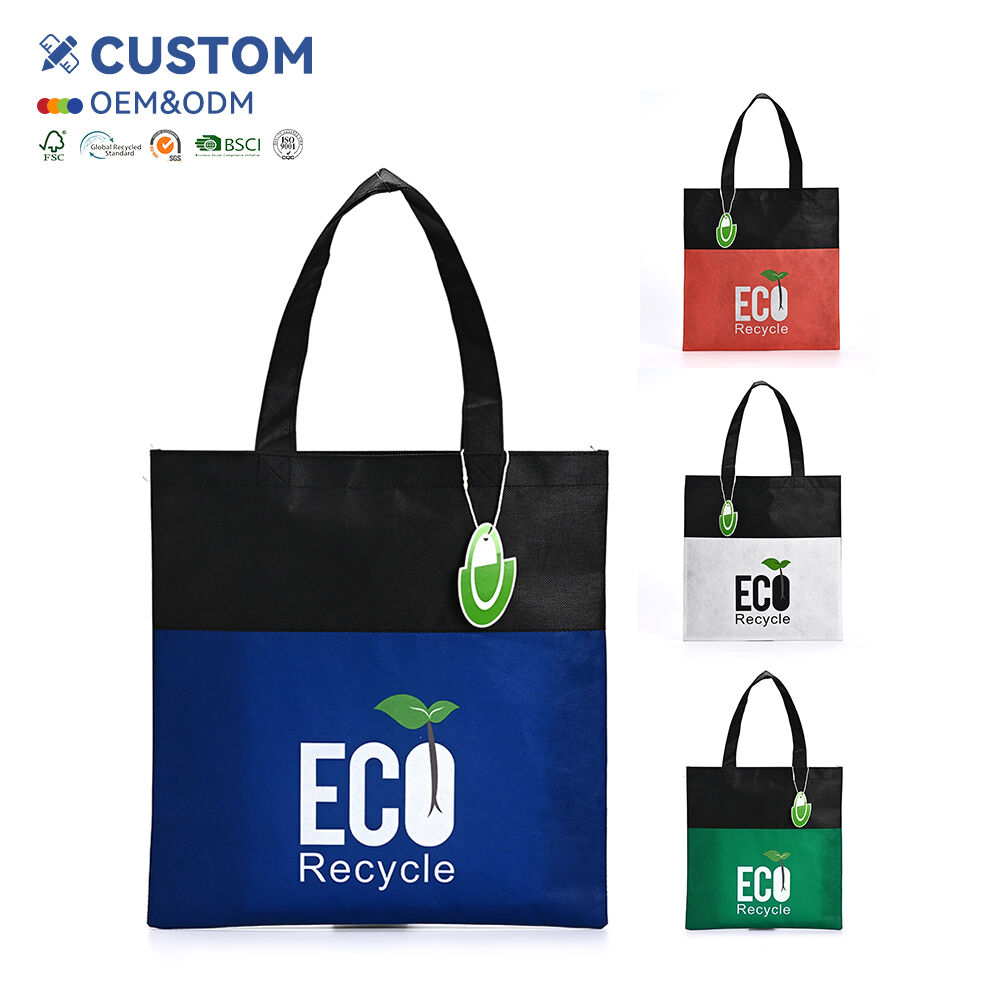
The global shift toward sustainable packaging solutions has accelerated the adoption of eco-friendly alternatives across industries. Among the most promising replacements for traditional plastic bags, the non woven bag has emerged as a durable, versatile, and environmentally responsible choice. These innovative products combine the strength and functionality businesses require with the environmental benefits consumers increasingly demand.

Manufacturing processes for these bags utilize advanced polypropylene fiber technology that creates a material both lightweight and remarkably resilient. Unlike conventional plastic bags that tear easily and contribute to environmental pollution, non woven alternatives offer superior load-bearing capacity while maintaining cost-effectiveness for large-scale commercial applications.
Material Science Behind Non Woven Durability
Polypropylene Fiber Structure
The foundation of every high-quality non woven bag lies in its polypropylene fiber construction. These synthetic fibers are engineered through a specialized bonding process that creates a web-like structure without traditional weaving techniques. The resulting material exhibits exceptional tear resistance and maintains structural integrity under substantial weight loads.
Advanced manufacturing techniques allow producers to control fiber density and orientation, directly impacting the final product's strength characteristics. This precision engineering ensures consistent performance across different bag sizes and applications, making them suitable for everything from grocery shopping to industrial packaging requirements.
Heat Bonding Technology
The durability advantage of non woven materials stems largely from their heat bonding manufacturing process. Unlike traditional fabric weaving that relies on thread intersections, heat bonding creates molecular-level connections between individual fibers. This process eliminates weak points commonly found in woven materials and significantly reduces the likelihood of catastrophic failure.
Temperature and pressure parameters during production can be adjusted to achieve specific performance characteristics. Manufacturers can create products ranging from lightweight promotional bags to heavy-duty industrial containers, all utilizing the same fundamental non woven technology platform.
Environmental Impact and Sustainability
Recyclability and Waste Reduction
Environmental considerations have become paramount in packaging material selection, and non woven bags excel in this critical area. These products are fully recyclable through existing polypropylene recycling streams, unlike many composite plastic bags that require specialized processing facilities. The single-material construction simplifies end-of-life handling and reduces contamination in recycling operations.
Studies indicate that a single non woven bag can replace hundreds of disposable plastic bags throughout its useful lifetime. This replacement ratio dramatically reduces the volume of single-use plastics entering waste streams and minimizes the environmental burden associated with continuous plastic bag production.
Carbon Footprint Analysis
Lifecycle assessment studies reveal significant carbon footprint advantages for non woven bags compared to traditional alternatives. The manufacturing process requires less energy than paper bag production and generates fewer greenhouse gas emissions than conventional plastic film extrusion. Additionally, the lightweight nature of these bags reduces transportation-related emissions during distribution.
Long-term use patterns further enhance the environmental benefits. While the initial production impact may be higher than single-use alternatives, the extended lifespan and reusability factor create substantial environmental savings over time. This makes non woven bags particularly attractive for organizations committed to reducing their overall environmental footprint.
Commercial Applications and Versatility
Retail and Shopping Applications
Retail environments have rapidly adopted non woven bags as their preferred customer packaging solution. These bags offer excellent printability for branding purposes while providing the durability customers expect for multiple shopping trips. The material's resistance to moisture and common retail environmental conditions ensures consistent performance across diverse retail settings.
Grocery stores particularly benefit from the load-bearing capabilities of non woven bags. Unlike paper bags that weaken when wet or plastic bags that stretch and tear, these alternatives maintain their structural integrity even when carrying heavy or sharp-edged products. This reliability translates to improved customer satisfaction and reduced bag replacement costs for retailers.
Industrial and B2B Uses
Beyond consumer retail applications, non woven bags serve numerous industrial purposes where durability and cost-effectiveness are essential. Manufacturing facilities utilize these bags for component storage, parts organization, and lightweight shipping applications. The chemical resistance of polypropylene makes them suitable for environments where traditional paper or fabric bags would deteriorate rapidly.
Trade shows and promotional events frequently rely on non woven bags for attendee welcome packages and marketing material distribution. The professional appearance, customization options, and extended useful life make them ideal for building brand awareness while providing practical value to recipients.
Quality Control and Manufacturing Standards
Testing Protocols and Specifications
Quality assurance in non woven bag production involves comprehensive testing protocols that evaluate multiple performance parameters. Tensile strength testing determines the maximum load capacity, while cyclic loading tests simulate real-world usage conditions. These standardized tests ensure consistent product performance across different production batches and manufacturing facilities.
International standards organizations have developed specific guidelines for non woven bag testing and classification. These standards provide manufacturers and buyers with clear performance benchmarks and facilitate quality comparisons across different suppliers. Compliance with these standards typically indicates superior product reliability and longevity.
Production Consistency and Scalability
Modern non woven bag manufacturing utilizes automated production systems that maintain tight tolerances on critical dimensions and material properties. Computer-controlled fiber deposition and bonding processes eliminate many variables that historically affected product consistency. This automation enables large-scale production while maintaining the quality standards required for commercial applications.
Scalability advantages extend beyond manufacturing efficiency to include supply chain reliability. Established production networks can rapidly adjust output volumes to meet seasonal demand fluctuations or unexpected market changes. This flexibility provides buyers with consistent product availability and stable pricing structures.
Cost-Benefit Analysis for Businesses
Initial Investment Considerations
While non woven bags typically require higher initial investment compared to disposable alternatives, the total cost of ownership calculation reveals significant long-term savings. Businesses must evaluate the purchase price alongside factors such as replacement frequency, storage requirements, and customer satisfaction impacts to determine the true economic value proposition.
Volume purchasing agreements often provide substantial cost reductions for businesses committing to large quantities. Many suppliers offer tiered pricing structures that reward consistent ordering patterns and long-term partnerships. These arrangements can make non woven bags economically competitive with traditional alternatives even at moderate usage volumes.
Return on Investment Metrics
Calculating return on investment for non woven bags requires consideration of both direct cost savings and indirect benefits. Direct savings include reduced bag replacement frequency and lower disposal costs due to reusability. Indirect benefits encompass improved brand perception, customer loyalty enhancement, and compliance with environmental regulations that may become mandatory in the future.
Market research indicates that consumers increasingly prefer businesses demonstrating environmental responsibility through their packaging choices. This preference can translate to increased customer retention, positive word-of-mouth marketing, and competitive differentiation in crowded marketplaces. These intangible benefits often justify the initial investment in sustainable packaging solutions.
Future Trends and Innovation
Advanced Material Development
Research and development efforts in non woven technology continue advancing material properties and expanding application possibilities. New fiber blends incorporate recycled content while maintaining performance characteristics, addressing growing demands for circular economy solutions. These innovations promise even greater environmental benefits without compromising the durability advantages that make these bags attractive to commercial users.
Nanotechnology applications are emerging that could enhance barrier properties, antimicrobial characteristics, and UV resistance of non woven materials. These improvements would expand the range of applications where these bags can effectively replace plastic alternatives, potentially including food packaging and long-term storage applications.
Market Adoption and Regulatory Influence
Government regulations restricting single-use plastics are accelerating market adoption of reusable alternatives across multiple geographic regions. These regulatory drivers create predictable demand patterns that encourage continued investment in non woven production capacity and technology improvements. Businesses that proactively adopt sustainable packaging solutions often find themselves better positioned to comply with evolving regulations.
Consumer behavior shifts toward sustainability are reinforcing regulatory trends and creating market incentives for businesses to adopt environmentally responsible packaging. This convergence of regulatory requirements and consumer preferences suggests strong long-term growth prospects for the non woven bag market and continued innovation in material science and manufacturing techniques.
FAQ
How long do non woven bags typically last with regular use
Non woven bags are designed for extended use and typically last 2-3 years with regular shopping applications. Their durability depends on usage frequency, load weight, and care practices, but most quality bags can handle hundreds of uses before showing significant wear. Proper storage and avoiding overloading can extend their useful life significantly.
Can non woven bags be safely washed and how should they be maintained
These bags can be easily cleaned with mild soap and water, making them hygienic for repeated food and grocery use. They dry quickly and resist most common stains. For best results, avoid using harsh chemicals or high-temperature washing that could affect the fiber bonding. Air drying is recommended to maintain material integrity.
What weight capacity can non woven bags handle compared to plastic bags
Quality non woven bags typically support 15-25 pounds of weight, significantly exceeding the 5-10 pound capacity of standard plastic shopping bags. The distributed fiber structure and reinforced handles provide superior load distribution, reducing the risk of sudden failure that commonly occurs with plastic alternatives.
Are non woven bags suitable for businesses requiring custom printing and branding
Non woven materials offer excellent printability for corporate branding, promotional messages, and complex graphics. The surface accepts various printing methods including screen printing, heat transfer, and digital printing technologies. Colors remain vibrant throughout the bag's useful life, providing long-term brand visibility and marketing value.