 EN
EN
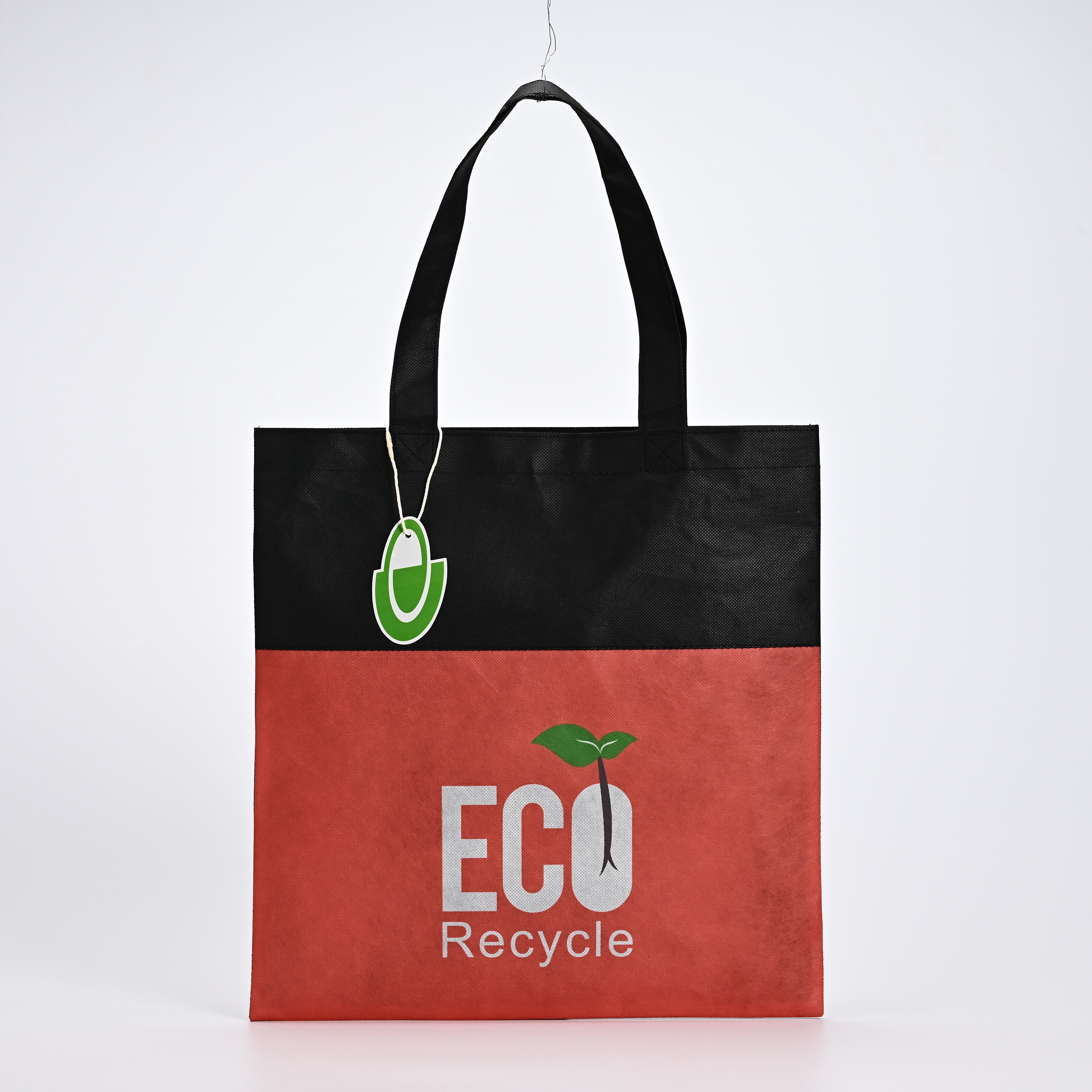
Brand marketing has evolved significantly in recent years, with businesses seeking innovative ways to connect with their target audiences while maintaining cost-effectiveness and environmental responsibility. A non woven bag represents one of the most versatile and impactful promotional tools available to modern marketers. These eco-friendly alternatives to traditional plastic bags offer exceptional customization opportunities that can transform ordinary shopping experiences into powerful brand interactions. Companies across various industries have discovered that customized non woven bags serve as mobile advertisements, carrying brand messages directly into consumers' daily lives while demonstrating corporate commitment to sustainability.

Understanding Non Woven Bag Materials and Construction
Polypropylene Base Material Properties
The foundation of every high-quality non woven bag lies in its polypropylene construction, which provides exceptional durability and versatility for customization applications. This synthetic thermoplastic polymer offers unique characteristics that make it ideal for promotional purposes, including resistance to moisture, chemicals, and wear. The manufacturing process involves bonding polypropylene fibers through heat, pressure, or chemical treatments rather than traditional weaving methods. This creates a fabric-like material that maintains structural integrity while remaining lightweight and cost-effective for large-scale production runs.
Manufacturing facilities can produce non woven bag materials in various weights, typically ranging from 60 to 120 GSM (grams per square meter), allowing brands to select the appropriate thickness for their specific marketing objectives. Heavier weights provide enhanced durability for frequent use, while lighter options offer cost savings for short-term promotional campaigns. The material's inherent properties allow for excellent print reception, ensuring that custom designs maintain vibrancy and clarity throughout the bag's lifespan.
Structural Design Variations
Modern non woven bag production encompasses numerous structural configurations that cater to different marketing strategies and user preferences. Standard shopping bag designs feature reinforced handles, gusseted bottoms, and optional interior pockets for enhanced functionality. Tote bag variations provide larger surface areas for brand messaging while maintaining comfortable carrying capacity for various items. Drawstring styles offer compact storage solutions that appeal to consumers seeking convenience and portability.
Advanced manufacturing techniques enable the creation of specialized features such as laminated surfaces for enhanced water resistance, insulated compartments for temperature-sensitive products, and modular designs that can be folded or expanded based on usage requirements. These structural variations provide marketing teams with extensive options for aligning bag functionality with target audience needs and brand positioning strategies.
Customization Techniques for Brand Integration
Screen Printing Applications
Screen printing remains the most popular customization method for non woven bag marketing campaigns due to its cost-effectiveness and ability to produce vibrant, long-lasting designs. This technique involves creating stencils for each color in the design, then applying specialized inks through mesh screens onto the bag surface. The process allows for precise color matching, ensuring brand consistency across large production quantities. Screen printing works exceptionally well with bold graphics, text-based designs, and simple logos that require high impact and clarity.
Professional printing services can accommodate multi-color designs, though costs increase with additional colors due to the need for separate screens and setup processes. The technique produces excellent results on both light and dark-colored non woven bag materials, with specialized inks available for different aesthetic requirements. Water-based inks provide soft, breathable finishes, while plastisol inks offer enhanced durability and vibrant color saturation that withstands frequent handling and washing.
Heat Transfer and Sublimation Methods
Heat transfer printing offers superior flexibility for complex designs, photographic images, and full-color graphics that require precise detail reproduction on non woven bag surfaces. This method involves printing designs onto special transfer papers or films, then applying heat and pressure to bond the graphics permanently to the bag material. Digital heat transfer systems enable small batch customization with quick turnaround times, making them ideal for limited edition campaigns or personalized promotional items.
Sublimation printing provides exceptional color vibrancy and durability by converting solid inks directly into gas form, allowing them to penetrate deep into the non woven bag fibers. This technique works best with polyester-rich materials and light-colored backgrounds, producing designs that resist fading, cracking, or peeling over time. The seamless integration of graphics with the material creates professional appearances that enhance brand perception and customer satisfaction.
Strategic Design Considerations for Marketing Impact
Logo Placement and Sizing Optimization
Effective non woven bag customization requires careful consideration of logo placement to maximize brand visibility while maintaining aesthetic appeal. Primary logo positioning typically occurs on the front center panel, where it receives maximum exposure during normal carrying activities. Secondary placements on side panels or handles can reinforce brand presence from multiple viewing angles. Size optimization balances visibility requirements with design harmony, ensuring logos remain prominent without overwhelming the overall appearance.
Marketing research indicates that logos measuring between 4 to 8 inches in width achieve optimal recognition rates while maintaining professional appearances. Placement height should consider natural sight lines when bags are carried at hip level or held in hand positions. Color contrast plays a crucial role in logo effectiveness, with high-contrast combinations ensuring visibility across various lighting conditions and backgrounds that bags may encounter during use.
Color Psychology and Brand Alignment
Color selection for customized non woven bag designs significantly impacts consumer perception and brand association effectiveness. Different colors evoke specific emotional responses and communicate distinct brand attributes to target audiences. Blue tones convey trust, reliability, and professionalism, making them popular choices for financial services and healthcare organizations. Green shades emphasize environmental consciousness and natural products, aligning perfectly with sustainability-focused marketing messages.
Red creates urgency and excitement, suitable for retail promotions and food service applications, while black and gray project sophistication and premium quality perceptions. Color combinations should maintain sufficient contrast for readability while reflecting established brand guidelines and target market preferences. Cultural considerations become important for international marketing campaigns, as color meanings vary across different regions and demographic groups.
Production Planning and Quality Control
Quantity Determination and Cost Optimization
Successful non woven bag marketing campaigns require careful quantity planning that balances promotional objectives with budget constraints and storage capabilities. Minimum order quantities typically range from 1,000 to 5,000 units for custom printing, with per-unit costs decreasing significantly at higher volumes. Marketing teams should analyze distribution channels, target audience size, and campaign duration to determine optimal order quantities that maximize impact while minimizing waste.
Cost optimization strategies include selecting appropriate material weights, limiting color quantities in designs, and timing orders to avoid rush production charges. Bulk ordering for multiple campaigns or seasonal promotions can reduce unit costs through economy of scale advantages. However, organizations must balance cost savings against storage requirements and potential design obsolescence over extended timeframes.
Quality Assurance and Testing Protocols
Professional quality control measures ensure that customized non woven bags meet brand standards and customer expectations throughout their useful lifespan. Pre-production sampling allows marketing teams to evaluate material quality, print clarity, and construction durability before committing to full production runs. Testing protocols should include handle strength assessments, seam integrity evaluations, and print adhesion tests under various stress conditions.
Color accuracy verification ensures consistency between approved designs and final products, particularly important for maintaining brand recognition and professional appearance standards. Quality control checkpoints during production identify potential issues early, reducing waste and preventing delivery of substandard products that could negatively impact brand reputation. Post-production inspections verify that finished bags meet dimensional specifications, aesthetic requirements, and functional performance standards.
Distribution Strategies and Campaign Integration
Event Marketing and Trade Show Applications
Customized non woven bags serve as powerful tools for event marketing and trade show promotions, providing attendees with practical items that extend brand exposure beyond initial interactions. Strategic distribution at registration areas creates positive first impressions while ensuring maximum reach among target audiences. The bags become mobile billboards as attendees move throughout venues, generating additional brand visibility among potential customers and industry professionals.
Event-specific customization can include conference dates, special messaging, or co-branding opportunities that enhance relevance and perceived value. Large capacity designs accommodate promotional materials, documentation, and purchased items, encouraging continued use throughout multi-day events. Post-event utility ensures ongoing brand exposure as recipients use bags for shopping, travel, or storage purposes in their daily routines.
Retail Integration and Customer Loyalty Programs
Retail environments offer numerous opportunities for integrating customized non woven bags into customer experience strategies and loyalty programs. Purchase incentive programs can offer branded bags as gifts with minimum spending thresholds, encouraging larger transactions while providing lasting brand reminders. Seasonal campaigns featuring limited-edition designs create collectible appeal that drives repeat visits and customer engagement.
Point-of-sale integration allows staff to offer branded bags as eco-friendly alternatives to plastic options, demonstrating environmental responsibility while promoting brand values. Customer data collection opportunities arise when bags are offered through loyalty program enrollment or social media engagement activities. These strategies create measurable connections between bag distribution and customer acquisition or retention metrics.
Environmental Benefits and Sustainability Messaging
Eco-Friendly Material Advantages
The environmental advantages of non woven bag materials provide significant marketing opportunities for brands seeking to communicate sustainability commitments and corporate responsibility values. Unlike single-use plastic bags, non woven polypropylene construction enables hundreds of reuse cycles, dramatically reducing per-use environmental impact. The material requires less energy to produce compared to woven alternatives while maintaining recyclability at end-of-life disposal.
Manufacturing processes generate minimal waste streams and can incorporate recycled content percentages that further enhance environmental profiles. Brands can leverage these sustainability attributes in marketing messaging, appealing to environmentally conscious consumers who prioritize eco-friendly purchasing decisions. Third-party certifications and environmental impact assessments provide credible support for sustainability claims in promotional materials.
Circular Economy Integration
Progressive brands are developing circular economy initiatives that extend non woven bag lifecycles through take-back programs and material recovery systems. These programs demonstrate advanced environmental stewardship while creating ongoing customer touchpoints and brand loyalty opportunities. Collection points at retail locations encourage customers to return worn bags for proper recycling, reinforcing sustainability messaging and brand commitment.
Partnership opportunities with recycling facilities and material recovery organizations create comprehensive sustainability stories that resonate with environmentally aware target audiences. Transparency in reporting recycling rates and environmental impact reductions builds consumer trust and differentiates brands from competitors using less sustainable promotional products. These initiatives position customized non woven bags as components of broader environmental responsibility strategies rather than simple marketing tools.
FAQ
What is the typical production timeline for customized non woven bags
Standard production timelines for customized non woven bags range from 10 to 21 business days, depending on order quantity, design complexity, and manufacturing capacity. Simple single-color designs typically require shorter production periods, while multi-color graphics or special features may extend timelines. Rush orders are often available for additional fees, reducing delivery times to 5-7 business days for urgent marketing campaigns.
How many times can a non woven bag be reused before replacement
Quality non woven bags constructed from appropriate weight materials can withstand 100-500 use cycles under normal conditions, making them highly cost-effective promotional tools. Durability depends on material thickness, construction quality, and usage patterns. Heavier GSM materials and reinforced stress points significantly extend useful lifespan while maintaining professional appearance and brand representation standards.
What design file formats are required for custom printing
Professional printing services typically require vector-based design files in AI, EPS, or PDF formats for optimal reproduction quality. High-resolution raster files in PNG or TIFF formats are acceptable for photographic elements, with minimum 300 DPI resolution recommended. Design specifications should include color codes, dimensional requirements, and placement instructions to ensure accurate production results.
Are there minimum order quantities for custom non woven bag production
Most manufacturers establish minimum order quantities between 1,000 and 5,000 units for custom non woven bag production, though some specialty providers accommodate smaller quantities for premium pricing. Higher minimum quantities reflect setup costs for printing equipment and material sourcing efficiencies. Digital printing methods may offer lower minimums for specialized applications requiring smaller batch sizes or personalization capabilities.