
 EN
EN
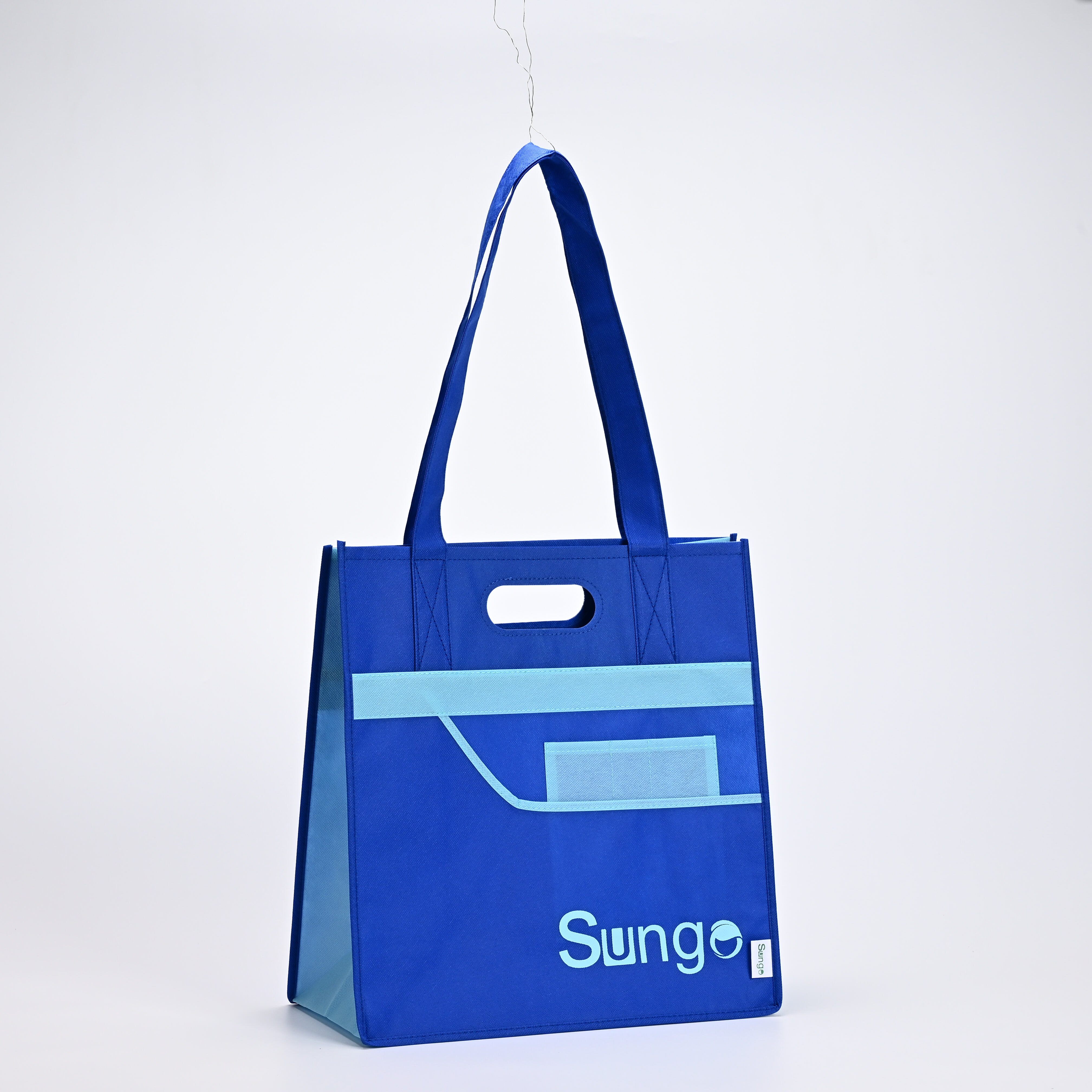
Trade shows and corporate events have evolved significantly in recent years, with businesses increasingly focusing on sustainable marketing materials that leave lasting impressions. The non woven bag has emerged as one of the most popular promotional items for these occasions, combining practicality with environmental consciousness. These versatile carrying solutions offer companies an effective way to showcase their brand while providing attendees with useful items they can continue using long after the event concludes. The growing demand for eco-friendly alternatives to traditional plastic bags has positioned non woven bags as essential components of successful event marketing strategies.

Environmental Benefits Driving Market Demand
Sustainability as a Marketing Advantage
Modern consumers increasingly prioritize environmental responsibility when making purchasing decisions, and businesses have recognized this shift in consumer values. Companies that distribute non woven bag products at trade shows demonstrate their commitment to sustainability while aligning with attendees' eco-conscious mindsets. These bags are manufactured from recyclable materials that significantly reduce environmental impact compared to single-use plastic alternatives. The durability of non woven materials ensures that recipients can reuse these bags multiple times, extending the promotional value while minimizing waste generation.
Corporate social responsibility initiatives often include sustainable promotional strategies, making non woven bags an ideal choice for companies seeking to enhance their environmental credentials. The production process for these bags typically generates fewer carbon emissions than traditional plastic bag manufacturing, supporting broader sustainability goals. Many organizations have discovered that showcasing environmental consciousness through promotional materials like non woven bags can improve brand perception and customer loyalty. This alignment with contemporary values has contributed significantly to the increasing demand for these products in corporate event settings.
Regulatory Compliance and Market Trends
Government regulations worldwide have increasingly restricted the use of single-use plastic bags, creating additional demand for sustainable alternatives in commercial applications. Trade show organizers and event planners must consider these regulatory requirements when selecting promotional materials for exhibitors and attendees. The non woven bag category has benefited from these regulatory changes, as businesses seek compliant solutions that meet legal requirements while maintaining marketing effectiveness. Many jurisdictions now impose fees or outright bans on plastic bags, making non woven alternatives not just environmentally preferable but legally necessary.
Industry trends indicate continued growth in sustainable packaging and promotional materials, with non woven bags positioned to capture significant market share in the events sector. Forward-thinking companies are proactively adopting these materials to stay ahead of regulatory changes and consumer expectations. The versatility of non woven materials allows manufacturers to create products that meet various regulatory standards while providing excellent branding opportunities. This regulatory landscape has accelerated adoption rates and contributed to the robust demand for non woven bags in professional settings.
Branding and Customization Opportunities
Visual Impact and Brand Recognition
The surface characteristics of non woven materials provide excellent printing capabilities, allowing companies to create visually striking promotional items that effectively communicate brand messages. High-quality printing techniques can reproduce complex logos, detailed graphics, and vibrant colors on non woven bag surfaces, ensuring strong brand visibility throughout event venues. The material's texture and appearance offer a premium feel that reflects positively on the distributing company's brand image. Recipients often associate the quality of promotional items with the quality of the company's products or services, making material selection crucial for brand perception.
Color customization options for non woven bags are virtually unlimited, enabling companies to match their corporate branding guidelines precisely. The ability to coordinate bag colors with existing marketing materials creates cohesive brand presentations at trade shows and events. Professional printing techniques can achieve excellent color saturation and durability, ensuring that branding elements remain visible and attractive throughout the bag's useful life. This visual consistency helps reinforce brand recognition and creates memorable impressions that extend far beyond the initial event interaction.
Versatile Design Applications
Design flexibility represents one of the most compelling advantages of using non woven bag products for corporate events and trade shows. Manufacturers can create bags in various sizes, shapes, and configurations to meet specific promotional objectives and practical requirements. Handle options include reinforced straps, rope handles, or integrated grips, allowing companies to select designs that align with their brand aesthetic and functional needs. The structural versatility of non woven materials enables the creation of specialized bag designs, including wine bags, laptop carriers, and multi-compartment organizers.
Additional design elements such as pockets, zippers, and reinforcement panels can be incorporated into non woven bag designs to enhance functionality and perceived value. These features make the bags more useful for recipients, increasing the likelihood of continued use and extended brand exposure. Custom sizing options allow companies to create bags specifically designed to hold their promotional materials, product samples, or informational packets. This tailored approach ensures that the promotional bags serve practical purposes while effectively showcasing the company's attention to detail and customer needs.
Cost-Effectiveness and Return on Investment
Manufacturing Economics and Bulk Pricing
The production costs for non woven bags have become increasingly competitive as manufacturing processes have improved and demand has grown. Bulk ordering for trade shows and large events typically results in significant per-unit cost reductions, making these promotional items highly cost-effective compared to other marketing materials. The durability of non woven materials means that recipients are likely to use the bags repeatedly, providing extended brand exposure that delivers excellent return on promotional investment. Manufacturing efficiency improvements have made it possible to produce high-quality non woven bags at price points accessible to businesses of all sizes.
When compared to traditional advertising methods such as print advertisements or digital marketing campaigns, promotional non woven bags offer measurable advantages in terms of cost per impression and engagement duration. The tangible nature of these promotional items creates lasting connections with recipients, often resulting in higher brand recall rates than ephemeral advertising formats. Production lead times for non woven bags are typically shorter than many other promotional products, allowing companies to respond quickly to event opportunities without compromising quality or design standards.
Long-Term Marketing Value
The extended useful life of well-constructed non woven bags means that the initial promotional investment continues generating marketing value long after the trade show or event concludes. Recipients often use these bags for grocery shopping, travel, or everyday carrying needs, providing ongoing brand exposure in various public settings. Market research indicates that promotional bags are among the most retained promotional items, with many recipients keeping and using quality bags for months or years after receiving them. This longevity amplifies the marketing impact and improves the overall return on promotional spending.
Secondary exposure occurs when recipients use the bags in public settings, effectively turning them into mobile advertisements that reach additional potential customers. The practical utility of non woven bags ensures continued use, unlike many promotional items that may be discarded shortly after events. Companies can track the effectiveness of their promotional bag campaigns through various methods, including recipient surveys and brand awareness studies, providing measurable data on marketing return on investment. This accountability helps justify promotional spending and supports strategic planning for future events and campaigns.
Practical Applications in Event Settings
Trade Show Distribution Strategies
Strategic distribution of non woven bags at trade shows requires careful planning to maximize impact and ensure efficient use of promotional resources. Many companies use these bags as incentives to attract visitors to their booths, creating opportunities for meaningful conversations and lead generation. The timing of bag distribution can influence attendee behavior, with early distribution encouraging recipients to visit additional booths while carrying the branded bag throughout the venue. Size considerations are crucial, as bags must be large enough to accommodate promotional materials and product samples while remaining convenient for attendees to carry.
Booth staff training is essential for effective non woven bag distribution, ensuring that team members understand the promotional strategy and can engage meaningfully with recipients. Quality control measures should be implemented to verify that bags meet design specifications and maintain consistent brand representation throughout the event. Distribution tracking systems can help companies monitor the effectiveness of their promotional campaigns and gather valuable data for future event planning. The visual impact of numerous attendees carrying branded bags throughout trade show venues creates additional advertising value that extends beyond individual recipient interactions.
Corporate Event Integration
Corporate events such as conferences, seminars, and product launches provide excellent opportunities to distribute non woven bags as functional gifts that enhance attendee experience. These bags can serve as welcome gifts, containing event materials, schedules, and promotional items in an organized and attractive presentation. The professional appearance of well-designed non woven bags contributes to the overall event atmosphere and reflects positively on the organizing company's attention to detail. Integration with event themes and branding creates cohesive experiences that reinforce key messages and corporate identity.
Event organizers increasingly recognize the value of providing attendees with reusable bags that can accommodate materials collected throughout the event. The durability and capacity of non woven bags make them ideal for this purpose, ensuring that attendees can comfortably carry documentation, promotional items, and personal belongings. Post-event surveys often indicate high satisfaction rates with functional promotional gifts like quality bags, contributing to positive event experiences and improved attendee retention for future events. The practical utility of these bags extends the event's impact by providing ongoing reminders of the experience and associated brand messages.
FAQ
What makes non woven bags more suitable for events than regular plastic bags?
Non woven bags offer superior durability, environmental benefits, and professional appearance compared to standard plastic bags. They can withstand heavier loads without tearing, provide excellent surfaces for high-quality printing, and align with corporate sustainability initiatives. The reusable nature of non woven bags ensures extended brand exposure, while their eco-friendly characteristics appeal to environmentally conscious consumers and comply with increasingly strict regulations regarding single-use plastics.
How should companies determine the appropriate size for promotional non woven bags?
The optimal bag size depends on the intended use and the materials that recipients will need to carry. Companies should consider the volume of promotional materials, product samples, and documentation that attendees typically collect at events. Standard sizing options range from compact gift bags to large tote bags, with medium-sized options being most popular for general trade show applications. Testing different sizes at smaller events can provide valuable insights for larger promotional campaigns.
What printing methods work best for non woven bag customization?
Screen printing and heat transfer methods are most commonly used for non woven bag customization, each offering distinct advantages depending on design requirements. Screen printing provides excellent durability and vibrant colors for simple designs, while heat transfer methods can accommodate more complex graphics and photographic images. Digital printing technologies are increasingly available for non woven materials, enabling small-quantity customization and variable data printing for personalized promotional campaigns.
How can companies measure the effectiveness of non woven bag promotional campaigns?
Effectiveness measurement can include tracking booth traffic during distribution periods, conducting post-event surveys about promotional item retention and usage, and monitoring brand awareness metrics before and after events. Some companies use unique promotional codes or QR codes printed on bags to track engagement and conversions. Social media monitoring can reveal instances where recipients share images of branded bags, providing additional insights into campaign reach and impact.
Table of Contents
- Environmental Benefits Driving Market Demand
- Branding and Customization Opportunities
- Cost-Effectiveness and Return on Investment
- Practical Applications in Event Settings
-
FAQ
- What makes non woven bags more suitable for events than regular plastic bags?
- How should companies determine the appropriate size for promotional non woven bags?
- What printing methods work best for non woven bag customization?
- How can companies measure the effectiveness of non woven bag promotional campaigns?