
 EN
EN
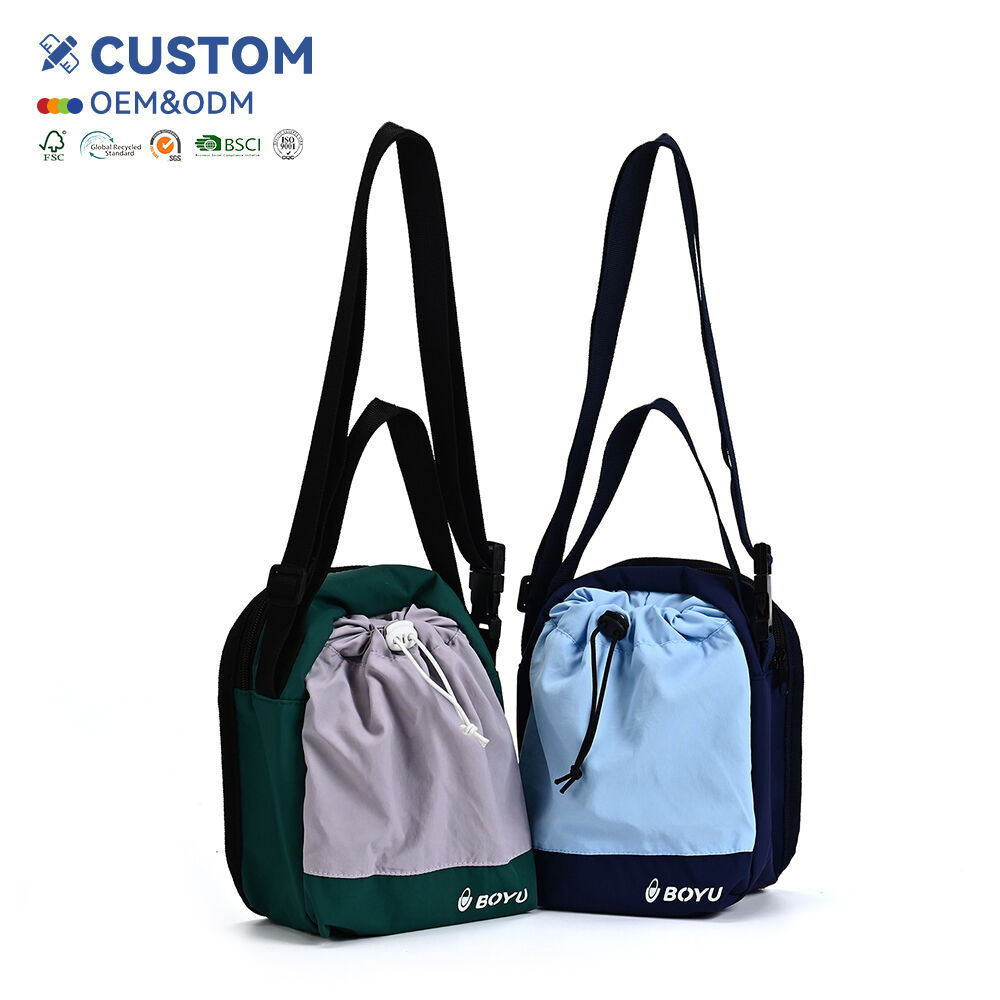
Modern living and working environments face increasing challenges with space limitations, making effective organization solutions more critical than ever. A well-designed storage box serves as a fundamental tool for maximizing available space while maintaining accessibility to essential items. These versatile containers transform cluttered areas into organized, functional spaces that enhance productivity and create a more pleasant environment. The strategic implementation of storage solutions can dramatically improve the efficiency of both residential and commercial spaces, offering practical benefits that extend far beyond simple containment.
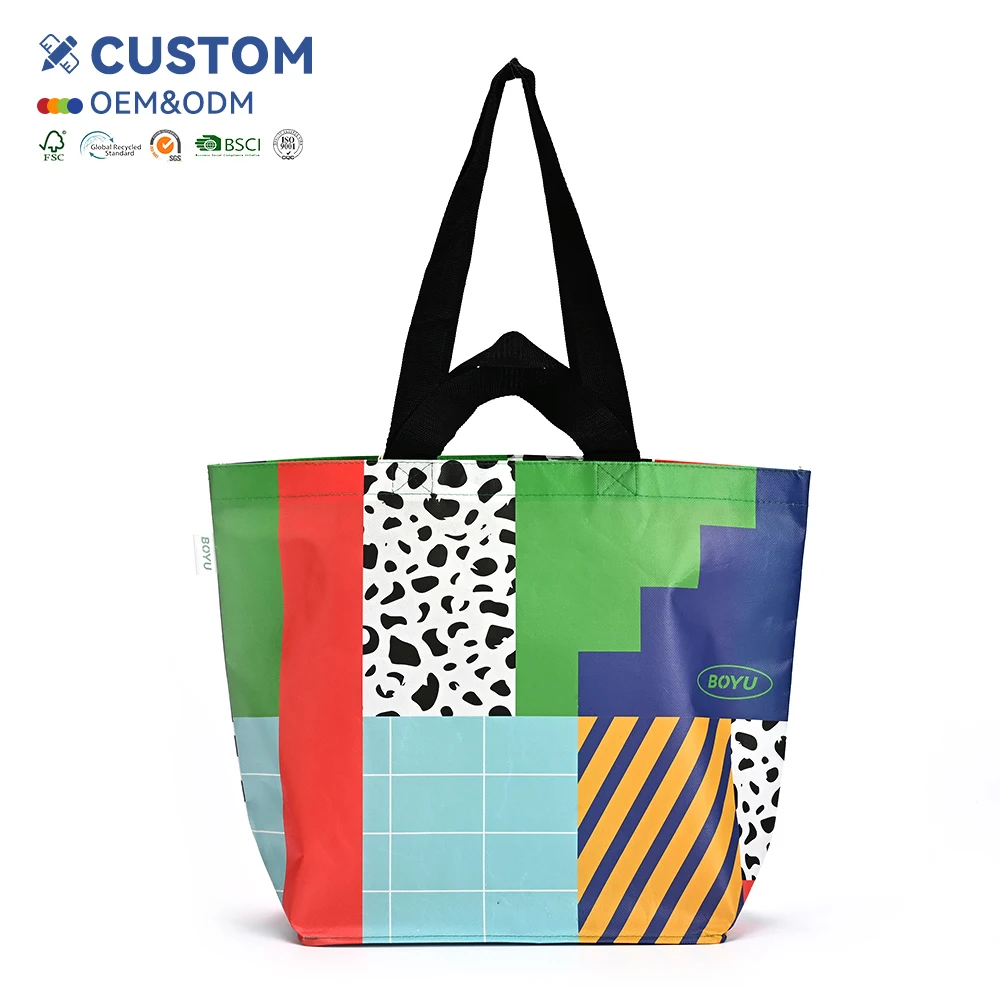
Understanding the fundamentals of space optimization begins with recognizing how proper storage systems create order from chaos. Every storage box represents an opportunity to reclaim valuable square footage while protecting belongings from damage, dust, and deterioration. The psychological benefits of organized spaces cannot be understated, as clutter reduction directly correlates with improved focus, reduced stress levels, and enhanced overall well-being. Professional organizers consistently emphasize that systematic storage approaches yield measurable improvements in daily efficiency and life quality.
Residential Space Optimization Strategies
Living Room Organization Solutions
The living room presents unique storage challenges due to its multifunctional nature and high visibility within the home. A strategically placed storage box can serve multiple purposes, from concealing remote controls and gaming accessories to housing seasonal decorations and extra blankets. Modern designs seamlessly blend functionality with aesthetics, offering storage solutions that complement existing furniture while providing discrete organization options. The key lies in selecting containers that match the room's design scheme while offering sufficient capacity for diverse items.
Under-furniture storage represents one of the most underutilized spaces in living areas, where low-profile storage containers can house items used less frequently. Coffee table storage boxes provide immediate access to entertainment essentials while maintaining the room's clean appearance. Wall-mounted storage systems maximize vertical space without consuming valuable floor area, creating organized displays that serve both functional and decorative purposes.
Bedroom Storage Optimization
Bedroom environments require careful consideration of storage solutions that promote restful sleep while accommodating personal belongings efficiently. Closet organization systems benefit tremendously from standardized storage containers that create uniform appearance while protecting garments from dust and moths. Under-bed storage utilizes otherwise wasted space for seasonal clothing, extra bedding, or personal mementos that require protection but infrequent access.
Dresser top organization prevents accumulation of daily items that create visual clutter and morning routine delays. Small storage boxes designated for jewelry, accessories, or personal care items maintain order while protecting valuable items from damage. The bedroom storage box selection should prioritize materials that resist moisture and provide adequate ventilation for stored textiles.
Kitchen and Pantry Organization
Kitchen storage demands containers that withstand temperature variations while protecting food items from pests and contamination. Clear storage boxes enable quick inventory assessment, reducing food waste and duplicate purchases while maintaining freshness of dry goods. Stackable designs maximize vertical cabinet space, creating efficient storage systems that accommodate varying container sizes and contents.
Pantry organization relies heavily on standardized container systems that create visual harmony while providing practical benefits. A well-organized storage box system prevents ingredient mixing, extends product shelf life, and facilitates meal planning through improved visibility. Label systems combined with transparent containers create professional-grade organization that rivals commercial food service establishments.
Office Space Optimization Techniques
Document and File Management
Professional environments require storage solutions that balance accessibility with security while maintaining professional appearance standards. Archive storage boxes provide essential document protection while creating systematic filing approaches that comply with regulatory requirements and facilitate retrieval processes. The transition from traditional filing cabinets to modular storage systems offers greater flexibility and improved space utilization.
Digital transformation efforts benefit from physical storage solutions that protect backup media, cables, and technical equipment during transition periods. Climate-controlled storage environments preserve sensitive materials while maintaining organization standards that support business continuity planning. Professional storage box systems accommodate both current operational needs and future expansion requirements.
Supply and Equipment Organization
Office supply management becomes significantly more efficient with dedicated storage containers that prevent overstocking while ensuring adequate inventory levels. Standardized storage systems create visual inventory management that reduces procurement costs and prevents supply shortages during critical operations. Mobile storage solutions enable flexible workspace configurations that adapt to changing business requirements.
Technology equipment storage requires specialized containers that provide protection from electromagnetic interference while maintaining accessibility for maintenance and upgrades. Cable management systems integrated with storage solutions prevent workspace hazards while maintaining professional appearance standards. The investment in quality storage infrastructure pays dividends through improved operational efficiency and reduced replacement costs.
Material Selection and Durability Considerations
Environmental Resistance Properties
Storage container material selection significantly impacts long-term performance and content protection across diverse environmental conditions. Moisture resistance prevents mold, mildew, and corrosion damage that can destroy valuable items and create health hazards in storage areas. UV-resistant materials maintain structural integrity and appearance when exposed to natural light, extending container lifespan and protecting contents from photodegradation.
Temperature stability ensures storage box performance across seasonal variations and climate-controlled environments. Materials that resist cracking, warping, or brittleness maintain protective capabilities while preserving aesthetic appearance over extended periods. Chemical resistance becomes particularly important in garage, basement, or industrial storage applications where containers may encounter cleaning solvents or automotive fluids.
Load Capacity and Structural Design
Weight distribution considerations affect both container selection and stacking strategies that maximize storage efficiency without compromising safety. Reinforced construction techniques enable higher load capacities while maintaining container stability during transport and handling operations. Corner reinforcements and ribbed designs distribute stress loads effectively, preventing failure under normal use conditions.
Stackable designs must balance weight capacity with access convenience, ensuring that frequently used items remain readily available without requiring extensive unpacking procedures. Interlocking features prevent sliding and shifting during storage while maintaining stable configurations that resist toppling or collapse. The storage box engineering must accommodate both static storage and dynamic access patterns.
Organization Systems and Methodology
Categorization and Labeling Strategies
Effective organization relies on systematic categorization approaches that create logical groupings based on frequency of use, item type, or seasonal requirements. Color-coding systems provide immediate visual identification that speeds retrieval processes while reducing errors and misplacement incidents. Standardized labeling conventions ensure consistency across multiple users and facilitate long-term maintenance of organizational systems.
Digital inventory tracking integrated with physical storage systems creates comprehensive asset management capabilities that support both personal and professional applications. QR code labeling enables smartphone-based inventory management that tracks contents, location, and access history. The combination of physical organization with digital tracking creates robust systems that scale effectively with growing storage requirements.
Access Frequency Planning
Strategic placement of storage containers based on usage patterns optimizes retrieval efficiency while maintaining space utilization objectives. Frequently accessed items require convenient locations that minimize handling time and physical effort, while seasonal or archive materials can occupy less accessible positions. The storage box positioning should reflect actual usage data rather than theoretical organizational preferences.
Rotation strategies ensure that stored items remain in good condition while preventing obsolescence and waste accumulation. First-in, first-out principles apply particularly to consumable goods, medications, and perishable materials that require periodic renewal. Documentation systems track rotation schedules and expiration dates, maintaining inventory freshness and preventing costly waste scenarios.
Cost-Benefit Analysis and Investment Planning
Initial Investment Considerations
Quality storage solutions represent long-term investments that provide cumulative benefits through improved organization, reduced replacement costs, and enhanced productivity. Premium materials and construction techniques increase initial costs but deliver superior durability and performance that justify higher purchase prices over extended usage periods. The total cost of ownership includes maintenance requirements, replacement frequency, and operational efficiency improvements.
Modular storage systems offer scalability advantages that accommodate changing requirements without complete system replacement. Standardized components enable incremental expansion while maintaining compatibility and visual consistency throughout the storage infrastructure. The flexibility provided by quality storage box systems supports evolving organizational needs and prevents obsolescence of earlier investments.
Productivity and Efficiency Gains
Time savings achieved through improved organization translate directly into measurable productivity improvements that quantify storage system value. Reduced search times, elimination of duplicate purchases, and streamlined maintenance procedures create operational efficiencies that compound over time. Professional environments particularly benefit from standardized storage approaches that support consistent workflows and reduced training requirements.
Space optimization enables more effective utilization of existing facilities, potentially delaying or eliminating expansion costs that represent significant capital expenditures. The ability to accommodate growth within current space constraints provides strategic advantages that support business development objectives. Residential applications similarly benefit from maximized storage capacity that improves living conditions without requiring larger living spaces.
FAQ
What size storage box works best for home organization projects
The optimal storage box size depends on the specific items being organized and the available storage space. Medium-sized containers measuring approximately 16 inches by 12 inches by 8 inches provide versatility for most household items while remaining manageable for regular handling. Smaller containers work well for accessories and small items, while larger sizes accommodate bulky seasonal items or linens. Consider your physical capabilities and storage space constraints when selecting container sizes, as overly large boxes become difficult to move when filled and may not fit in designated storage areas.
How do waterproof storage containers compare to standard options for basement storage
Waterproof storage containers provide essential protection in basement environments where humidity and potential flooding create risks for stored items. These specialized containers feature sealed gaskets and waterproof materials that prevent moisture infiltration, protecting documents, electronics, and textiles from water damage. While waterproof options cost more initially, they prevent costly replacement of damaged items and provide peace of mind in moisture-prone environments. Standard containers work adequately in climate-controlled basements but offer insufficient protection against water intrusion during flooding or pipe leak incidents.
What organizational strategies work best for office supply storage systems
Effective office supply organization relies on categorization by item type and usage frequency, with frequently used supplies stored in easily accessible containers near work areas. Transparent storage boxes enable quick inventory assessment without opening containers, while standardized sizes create uniform appearance and maximize shelf utilization. Label systems should include both text and visual indicators for quick identification, particularly in shared office environments. Implement inventory tracking systems that monitor consumption patterns and automate reorder processes to prevent supply shortages while avoiding overstocking situations.
How can storage boxes improve small apartment living conditions
Strategic storage box placement in small apartments maximizes available space while reducing visual clutter that makes compact areas feel cramped and disorganized. Under-bed storage, closet organizers, and multi-functional furniture with integrated storage capabilities significantly increase usable space without requiring additional floor area. Vertical storage solutions utilizing wall-mounted containers and tall, narrow storage boxes take advantage of unused wall space while keeping belongings accessible. The key lies in selecting storage solutions that serve multiple purposes, such as ottomans with internal storage or coffee tables with built-in organization compartments that enhance functionality without consuming additional space.