
 EN
EN
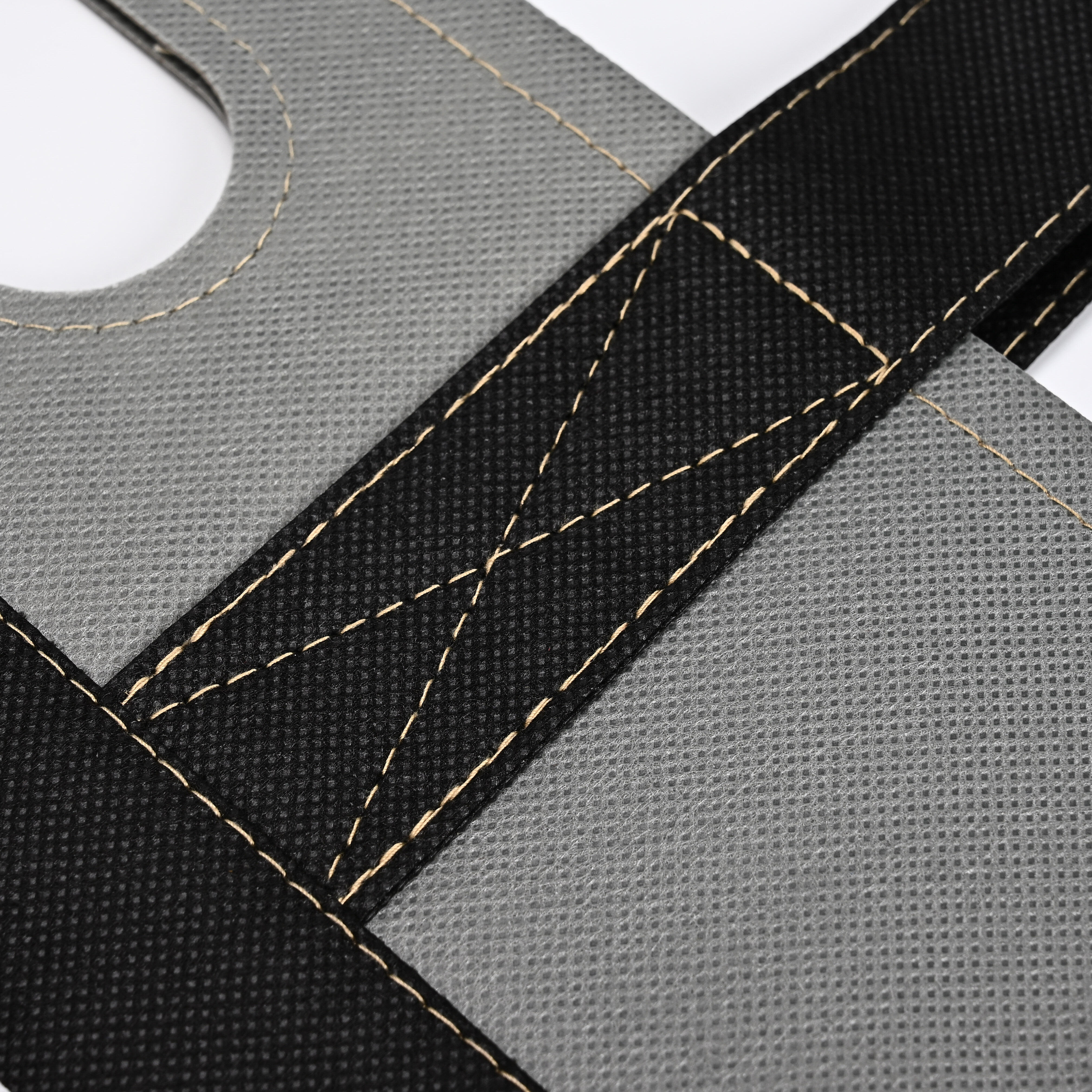
Corporate events and promotional activities require thoughtful branding elements that leave lasting impressions while aligning with sustainable business practices. A jute bag serves as an exceptional promotional tool that combines environmental responsibility with practical utility, making it an ideal choice for companies seeking to enhance their brand visibility. These natural fiber bags offer versatility in customization options, allowing businesses to create unique branded merchandise that resonates with eco-conscious consumers and stakeholders.
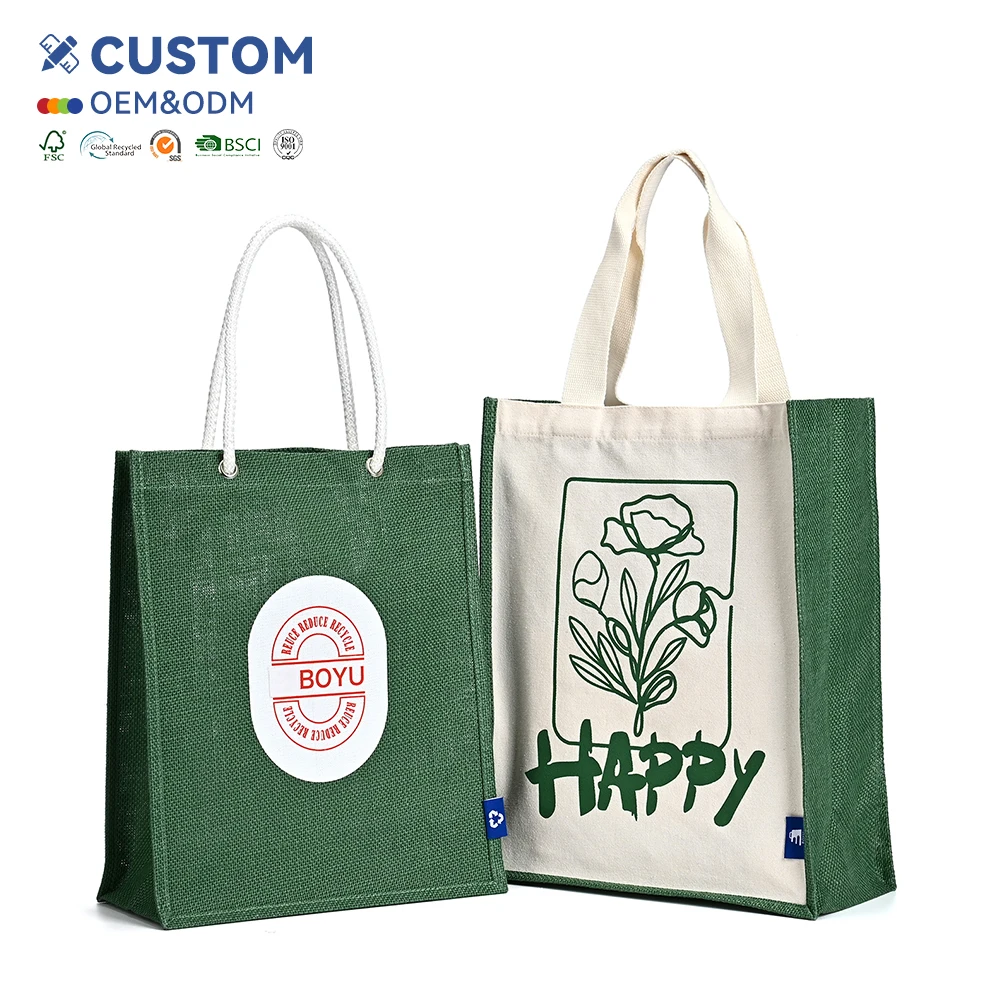
The growing emphasis on sustainability in corporate culture has positioned jute bags as premium promotional items that reflect company values while delivering practical benefits to recipients. Understanding the customization process enables businesses to maximize their marketing investment and create memorable brand experiences that extend far beyond traditional advertising methods.
Understanding Jute Bag Materials and Quality Standards
Natural Jute Fiber Characteristics
Jute fibers possess unique properties that make them highly suitable for promotional applications. The natural golden color of jute provides an excellent base for various printing and customization techniques, while the fiber's inherent strength ensures durability for repeated use. When selecting a jute bag for corporate promotions, understanding fiber quality becomes crucial for achieving professional results that maintain brand integrity over time.
Premium jute materials exhibit consistent weave patterns and minimal fiber irregularities, which directly impact the final appearance of customized designs. The natural texture of jute creates an organic aesthetic that appeals to environmentally conscious consumers, making it an excellent choice for companies emphasizing sustainability in their brand messaging.
Weight and Density Considerations
The weight specification of a jute bag significantly influences its functionality and perceived value as a promotional item. Standard promotional jute bags typically range from 280 to 400 GSM (grams per square meter), with heavier options providing enhanced durability and a more premium feel. Companies should consider the intended use and distribution context when selecting appropriate bag weights for their promotional campaigns.
Higher density jute materials support more detailed customization techniques and maintain structural integrity under repeated handling. This consideration becomes particularly important for trade shows and corporate events where bags may experience extensive use throughout extended periods.
Customization Techniques for Corporate Branding
Screen Printing Applications
Screen printing remains the most popular method for customizing jute bags due to its cost-effectiveness and vibrant color reproduction capabilities. This technique allows for precise logo placement and supports multiple color designs, making it ideal for complex corporate branding requirements. The porous nature of jute fibers enables excellent ink adhesion, resulting in durable prints that withstand regular use and washing.
Professional screen printing on jute surfaces requires specialized inks formulated for natural fibers to ensure color fastness and prevent cracking or peeling over time. Companies should work with experienced printers who understand the unique characteristics of jute materials and can optimize ink formulations accordingly.
Digital Printing and Heat Transfer Options
Digital printing technology offers advantages for small quantity orders and complex multicolor designs that may not be cost-effective with traditional screen printing. Heat transfer vinyl applications provide sharp, professional results with excellent durability, particularly suitable for detailed logos or text elements that require precise reproduction.
Advanced digital printing techniques enable photographic quality reproduction on jute surfaces, opening new possibilities for creative corporate branding approaches. However, proper surface preparation and specialized equipment are essential for achieving professional results with these methods.
Design Considerations for Maximum Impact
Logo Placement and Sizing Strategies
Strategic logo placement on a jute bag requires careful consideration of bag dimensions, intended use patterns, and visual impact objectives. Front-center positioning provides maximum visibility but may limit design flexibility, while side or bottom placements offer subtle branding opportunities that maintain aesthetic appeal. The natural texture of jute materials can enhance certain logo designs while challenging others, requiring thoughtful adaptation of existing brand elements.
Sizing considerations must account for the bag's proportions and the viewing distance at which the logo will typically be observed. Corporate events often involve close-quarters interactions where smaller, refined logos may prove more effective than oversized branding that dominates the bag's appearance.
Color Scheme Selection and Brand Consistency
The natural golden hue of jute provides an excellent backdrop for many corporate color schemes, but careful color selection ensures optimal contrast and brand recognition. Earth tones and natural colors complement jute's organic appearance while maintaining professional aesthetics appropriate for corporate environments. Bold colors can create striking contrasts but require careful consideration to avoid overwhelming the material's natural beauty.
Brand consistency across different promotional materials becomes crucial when incorporating jute bag customizations into broader marketing campaigns. Color matching across various substrates and printing methods requires professional expertise to maintain cohesive brand presentation.
Production Planning and Timeline Management
Order Quantity Optimization
Determining optimal order quantities for customized jute bags requires balancing cost considerations with storage capabilities and distribution plans. Bulk orders typically offer significant per-unit cost savings, but companies must consider storage requirements and potential inventory challenges. Event-specific customizations may require precise quantity calculations to avoid waste while ensuring adequate supply for anticipated attendance levels.
Minimum order quantities vary significantly among suppliers, with specialized customization techniques often requiring higher minimum commitments. Companies should evaluate multiple suppliers and customization options to identify the most cost-effective approach for their specific requirements.
Lead Time Planning and Quality Control
Professional customization of jute bags typically requires 2-4 weeks from design approval to final delivery, depending on complexity and order size. Rush orders may be possible but often incur additional costs and may compromise quality control processes. Companies should integrate these timelines into their event planning schedules to ensure adequate time for potential revisions or corrections.
Quality control procedures become critical when dealing with natural materials like jute, where fiber variations can impact final appearance. Reputable suppliers provide pre-production samples and maintain consistent quality standards throughout the manufacturing process.
Distribution Strategies for Corporate Events
Event Integration and Presentation Methods
Effective distribution of customized jute bags at corporate events requires strategic planning to maximize brand exposure and recipient appreciation. Registration desk distribution ensures every attendee receives a bag while creating positive first impressions. Alternative distribution methods include strategic placement at break areas, workshop sessions, or networking events where bags serve immediate functional purposes.
Presentation quality significantly impacts recipient perception of both the jute bag and the sponsoring company. Professional packaging, coordinated with event themes, enhances the perceived value and creates memorable brand experiences that extend beyond the event duration.
Target Audience Considerations
Understanding the target audience demographics helps optimize jute bag design and functionality for maximum appreciation and usage. Professional conferences may benefit from laptop-friendly sizes and additional organizational features, while trade shows might prioritize visibility and promotional material storage capacity. The versatility of jute materials allows for various size options and functional adaptations to meet specific audience needs.
Cultural considerations become important for international events where jute bag customization should respect local preferences and cultural sensitivities while maintaining brand consistency and professional appearance.
Cost Analysis and Budget Planning
Comprehensive Pricing Structure
Understanding the complete cost structure for customized jute bags enables accurate budget planning and ROI calculations for promotional campaigns. Base bag costs typically decrease with volume, while customization expenses vary based on technique complexity, color count, and design intricacy. Additional costs may include setup fees, design services, rush order premiums, and shipping considerations that impact total project investment.
Comparing different customization methods reveals cost-effectiveness variations that may influence design decisions. Screen printing generally offers better economics for large quantities, while digital methods may prove more cost-effective for smaller orders or complex multicolor designs requiring precise reproduction.
Return on Investment Calculations
Calculating promotional ROI for customized jute bags involves considering both immediate brand exposure and long-term usage patterns. Unlike disposable promotional items, quality jute bags often experience extended usage periods, providing ongoing brand visibility well beyond initial distribution events. This extended exposure duration enhances the effective cost-per-impression compared to traditional advertising methods.
Tracking mechanisms such as unique promotional codes or QR codes can be integrated into jute bag designs to measure campaign effectiveness and gather valuable data on recipient engagement and conversion rates.
Sustainability and Environmental Messaging
Eco-Friendly Brand Positioning
Incorporating sustainability messaging into customized jute bag designs strengthens corporate environmental credentials while appealing to increasingly eco-conscious consumers. Natural jute fibers offer complete biodegradability and renewable sourcing, providing authentic environmental benefits that support corporate sustainability initiatives. Companies can leverage these characteristics in their messaging to demonstrate genuine commitment to environmental responsibility.
Effective environmental messaging on jute bags should be informative without being preachy, educating recipients about the material's sustainable properties while maintaining professional brand presentation. This approach creates positive associations between the company and environmental stewardship that can influence purchasing decisions and brand loyalty.
Sustainable Production Practices
Working with suppliers who demonstrate sustainable production practices enhances the environmental authenticity of promotional jute bag programs. Ethical sourcing, fair labor practices, and environmentally responsible manufacturing processes contribute to comprehensive sustainability profiles that support corporate social responsibility objectives.
Certification programs and sustainable sourcing documentation provide verification of environmental claims, enabling companies to communicate their commitment to sustainability with confidence and transparency in their promotional materials.
FAQ
What is the typical lead time for customized jute bags
Standard customization of jute bags typically requires 2-4 weeks from final design approval to delivery, depending on order complexity and size. Rush orders may be accommodated with additional fees, but quality control processes should not be compromised. Companies should plan their orders well in advance of event dates to allow for potential revisions and ensure optimal results.
How many colors can be printed on a jute bag effectively
Screen printing on jute bags can effectively accommodate 1-4 colors with excellent results, while digital printing methods support unlimited colors for complex designs. The porous nature of jute fibers works well with properly formulated inks, but excessive color complexity may impact durability and cost-effectiveness. Most corporate applications achieve optimal results with 1-2 color designs that maintain clarity and professional appearance.
What minimum order quantities are required for custom jute bags
Minimum order quantities for customized jute bags typically range from 100-500 pieces, depending on the supplier and customization method. Screen printing usually requires higher minimums due to setup costs, while digital printing may accommodate smaller quantities. Companies should evaluate multiple suppliers to find options that align with their specific quantity requirements and budget constraints.
How should customized jute bags be cared for to maintain appearance
Properly customized jute bags maintain their appearance with basic care including gentle hand washing in cool water and air drying away from direct sunlight. Machine washing should be avoided to preserve print quality and prevent fiber damage. Storing jute bags in dry conditions prevents moisture-related issues and maintains structural integrity for extended use periods.
Table of Contents
- Understanding Jute Bag Materials and Quality Standards
- Customization Techniques for Corporate Branding
- Design Considerations for Maximum Impact
- Production Planning and Timeline Management
- Distribution Strategies for Corporate Events
- Cost Analysis and Budget Planning
- Sustainability and Environmental Messaging
- FAQ