
 EN
EN
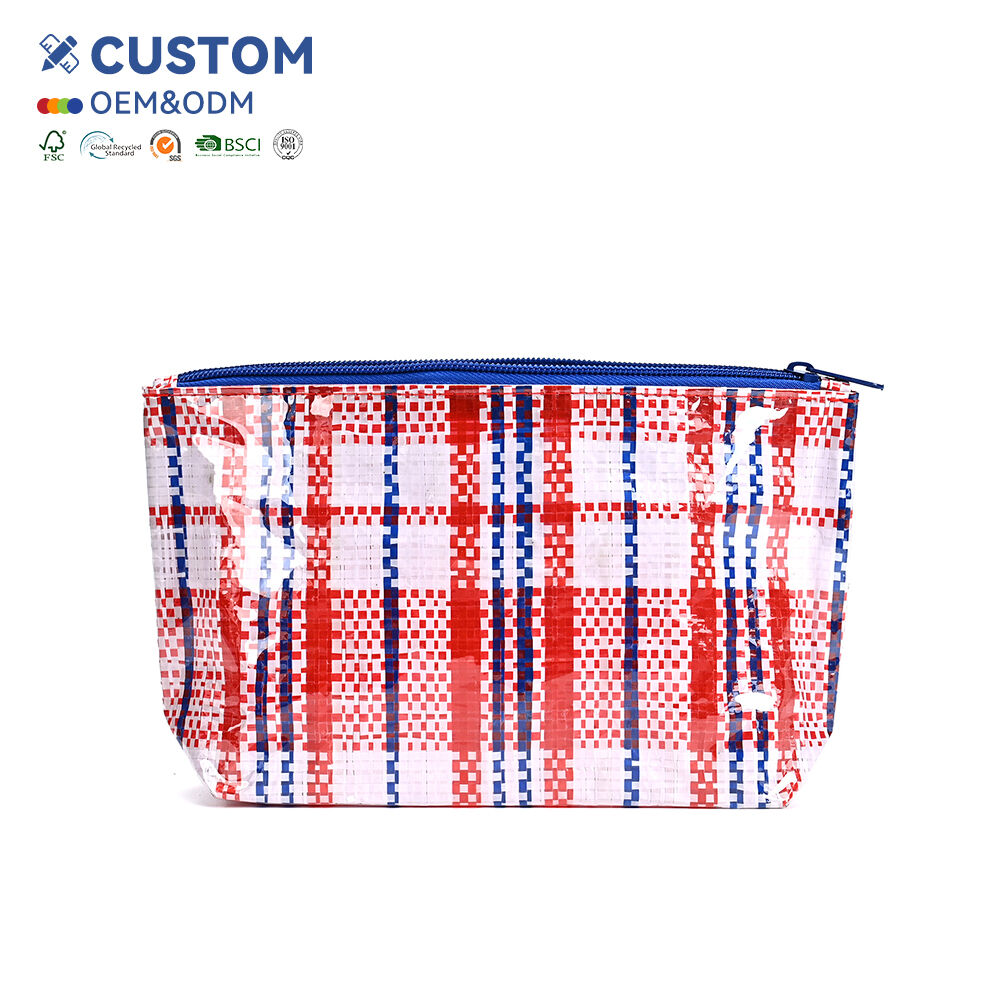
The modern consumer seeks products that seamlessly blend functionality with visual appeal, and the canvas bag stands as a perfect example of this harmonious combination. This versatile accessory has evolved from its utilitarian roots to become a sophisticated choice for individuals who value both durability and style. Understanding how canvas bag design achieves this balance reveals why these accessories have maintained their popularity across diverse demographics and applications.
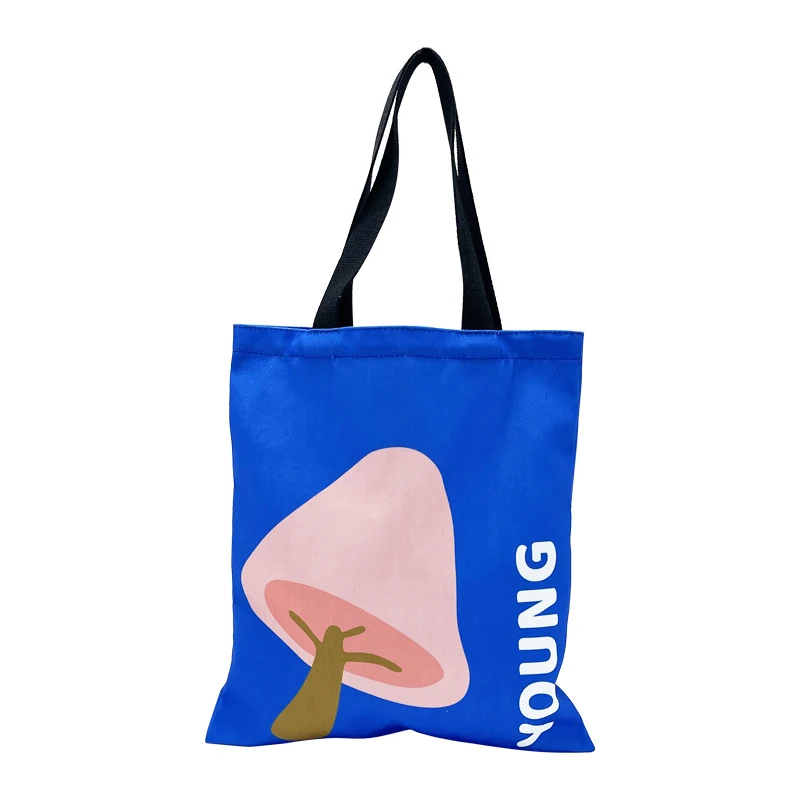
Material Properties That Define Canvas Bag Excellence
Cotton Canvas Foundation and Structural Integrity
The foundation of every exceptional canvas bag lies in its cotton canvas construction, which provides unmatched strength while maintaining a pleasant tactile experience. Cotton fibers are woven tightly to create a dense fabric that resists tearing and maintains its shape under substantial weight loads. This natural material offers breathability that synthetic alternatives cannot match, preventing moisture accumulation and odor retention that often plague other bag materials. The inherent properties of cotton canvas allow manufacturers to create products that withstand daily use while developing a distinctive patina that enhances visual appeal over time.
The weaving process for quality canvas bag materials involves specific thread counts and tension adjustments that determine the final product's durability characteristics. Higher thread counts typically result in smoother textures and increased resistance to wear, while maintaining the flexibility necessary for comfortable handling. The natural elasticity of cotton fibers allows the canvas bag to accommodate varying load sizes without compromising structural integrity, making these accessories ideal for diverse applications from grocery shopping to professional document transport.
Treatment Processes and Performance Enhancement
Modern canvas bag manufacturing incorporates various treatment processes that enhance both aesthetic appeal and functional performance without compromising the material's natural characteristics. Water-resistant treatments applied during production help protect contents from moisture while maintaining the fabric's breathability, creating a canvas bag that performs reliably in various weather conditions. These treatments are typically applied using environmentally conscious methods that align with the sustainable values many canvas bag users prioritize.
Color fastness treatments ensure that printed designs and dyed fabrics maintain their vibrancy throughout extended use, addressing one of the primary concerns consumers have about textile accessories. The canvas bag benefits from these processes through improved longevity of visual elements, whether featuring corporate logos, artistic designs, or solid color schemes. Advanced treatment techniques also include UV protection that prevents premature fading when bags are exposed to prolonged sunlight during outdoor activities or storage.
Design Elements That Enhance Visual Appeal
Printing Technologies and Custom Branding Solutions
Contemporary canvas bag design leverages advanced printing technologies that transform basic fabric into visually striking accessories suitable for personal expression or corporate branding. Screen printing remains the most popular method for high-volume production, offering vibrant colors and sharp detail reproduction that maintains quality through numerous wash cycles. Digital printing technologies have expanded design possibilities, allowing for photographic-quality images and complex multi-color graphics that were previously impossible to achieve on fabric surfaces.
Heat transfer vinyl applications provide another avenue for creating distinctive canvas bag designs, particularly effective for small-batch custom orders or personalized gifts. This method offers precise control over design placement and enables the incorporation of metallic finishes, textured surfaces, and specialty materials that add tactile interest to the bag's appearance. The versatility of modern printing methods means that each canvas bag can serve as a unique expression of individual or brand identity while maintaining the functional benefits that make these accessories so practical.
Hardware Selection and Functional Aesthetics
The hardware components of a canvas bag significantly impact both its visual appeal and functional performance, requiring careful consideration during the design process. Metal zippers, grommets, and reinforcement elements can be selected in various finishes including brass, nickel, and powder-coated options that complement the bag's color scheme and intended use environment. The choice between exposed and concealed hardware affects the overall aesthetic while influencing maintenance requirements and durability expectations.
Handle construction represents another critical design element where form meets function in canvas bag development. Padded handles enhance carrying comfort during extended use while adding visual dimension through contrasting materials or colors. Reinforced stitching patterns around stress points not only prevent premature failure but also create distinctive design elements that distinguish quality canvas bag products from mass-market alternatives. The integration of multiple carrying options, such as both short handles and longer shoulder straps, expands the bag's versatility while creating additional opportunities for aesthetic enhancement through varied hardware selections.
Manufacturing Techniques That Balance Quality and Appeal
Stitching Patterns and Construction Methods
Professional canvas bag construction employs specific stitching patterns and seam techniques that contribute to both structural integrity and visual refinement. French seams, commonly used in high-quality canvas bag production, enclose raw edges completely to prevent fraying while creating clean interior finishes that enhance the user experience. These construction methods require additional material and labor investment but result in products that maintain their appearance and functionality through years of regular use.
Reinforcement stitching at stress points such as handle attachments and corner joints utilizes specialized thread materials and stitch patterns designed to distribute load forces evenly across the canvas bag structure. Bar tacking and box stitching techniques create distinctive visual elements while providing the mechanical strength necessary for heavy-duty applications. The visibility of these reinforcement elements can be incorporated into the overall design aesthetic, transforming functional necessities into attractive details that emphasize the bag's quality construction.
Quality Control and Finishing Processes
Comprehensive quality control measures during canvas bag production ensure that each finished product meets both aesthetic and performance standards before reaching consumers. Inspection procedures typically include stress testing of seams and hardware, verification of print quality and placement accuracy, and assessment of overall construction consistency. These processes help maintain the reputation for reliability that consumers associate with quality canvas bag products.
Finishing processes such as pressing and steam treatment help canvas bag products achieve professional appearances that rival more expensive materials while maintaining the casual approachability that makes them suitable for diverse applications. Edge treatments and hem finishing techniques prevent fraying and create clean lines that enhance the overall visual impact. The attention to detail evident in these finishing processes distinguishes premium canvas bag products from basic alternatives and justifies their position as both functional tools and fashion accessories.
Applications and Market Positioning
Corporate and Promotional Use Cases
The corporate market has embraced the canvas bag as an effective promotional tool that combines practical utility with brand visibility, making these products valuable investments for marketing campaigns. Unlike disposable promotional items, a well-designed canvas bag provides ongoing brand exposure through regular use while demonstrating corporate commitment to sustainable practices. The large printing surface area available on canvas bag products allows for effective logo placement and marketing message integration without overwhelming the design aesthetic.
Trade shows and corporate events benefit from canvas bag distribution because recipients genuinely appreciate receiving useful items that enhance their event experience while serving ongoing needs. The perceived value of a quality canvas bag exceeds that of typical promotional merchandise, creating positive associations with the sponsoring brand that extend beyond the initial distribution event. Custom color matching and design integration help ensure that corporate canvas bag products align with existing brand guidelines while maximizing visual impact in competitive environments.
Retail and Consumer Market Trends
Consumer preferences for sustainable alternatives to single-use shopping bags have created substantial growth opportunities in the retail canvas bag market, with many jurisdictions implementing regulations that favor reusable options. The aesthetic versatility of canvas bag designs allows retailers to offer products that complement various personal styles while meeting practical needs for grocery shopping, beach trips, and everyday errands. This market expansion has encouraged innovation in design and manufacturing processes that enhance both appeal and functionality.
The rise of conscious consumerism has positioned the canvas bag as a symbol of environmental responsibility while maintaining fashion relevance across demographic segments. Social media influence has amplified the visibility of stylish canvas bag designs, creating trends that drive demand for unique patterns, colors, and construction details. The ability to customize canvas bag products for specific market segments or seasonal themes provides retailers with flexible inventory options that respond to changing consumer preferences while maintaining core product reliability.
Care and Maintenance for Longevity
Cleaning Methods and Stain Prevention
Proper care techniques significantly extend the useful life of canvas bag products while maintaining their aesthetic appeal through regular use and exposure to various environmental conditions. Machine washing in cold water using mild detergents effectively removes most stains and odors without damaging the fabric structure or printed designs. Air drying prevents heat damage that can cause shrinkage or affect the integrity of any applied treatments, ensuring that the canvas bag retains its original dimensions and appearance characteristics.
Spot cleaning techniques using appropriate cleaning agents can address specific stains without subjecting the entire canvas bag to unnecessary washing cycles that may gradually affect fabric properties. Pre-treatment of stains using natural cleaning agents such as baking soda or white vinegar often proves effective while avoiding harsh chemicals that might compromise the material's environmental benefits. Regular inspection and prompt attention to stains prevent permanent discoloration that could affect the bag's professional appearance in business or social situations.
Storage and Protection Strategies
Strategic storage approaches help maintain canvas bag shape and prevent creasing that can affect both appearance and functionality during periods of non-use. Stuffing clean canvas bag interiors with tissue paper or storing them flat helps preserve their intended shape while preventing fold lines that might become permanent with time. Avoiding storage in areas with extreme temperature fluctuations or high humidity levels protects both the fabric and any printed elements from degradation that could compromise visual appeal.
Protection from prolonged direct sunlight during storage prevents UV-related fading that can affect color vibrancy in canvas bag designs over time. Rotating stored bags periodically ensures even aging and prevents pressure-related deformation that might occur if heavy items are stacked on top of folded bags for extended periods. These simple maintenance practices help ensure that canvas bag products continue to provide reliable service while maintaining their attractive appearance through years of regular use.
FAQ
What makes canvas bags more durable than other fabric options
Canvas bag durability stems from the tight weave of cotton fibers and the substantial weight of the fabric used in construction. The plain weave pattern distributes stress evenly across the material, while the natural strength of cotton fibers provides excellent resistance to tearing and abrasion. Quality canvas bag products use fabrics weighing 10-16 ounces per square yard, significantly heavier than typical clothing materials, which contributes to their ability to carry substantial loads without stretching or failing at stress points.
How do printed designs maintain their quality on canvas bags
Modern printing techniques for canvas bag decoration use specialized inks and application methods designed specifically for textile applications. Screen printing with plastisol or water-based inks creates durable bonds with cotton fibers that resist cracking and fading through multiple wash cycles. Heat-setting processes during production help ensure that printed designs become permanently integrated with the canvas bag material rather than simply sitting on the surface where they might peel or flake off with use.
Can canvas bags be recycled or composted at end of life
Pure cotton canvas bag products are biodegradable and can be composted when they reach the end of their useful life, provided that any synthetic components such as zippers or printed designs are removed first. The natural cotton fibers will break down completely in composting environments, making canvas bag disposal environmentally responsible. However, the durability of quality canvas bag construction typically provides many years of service before disposal becomes necessary, maximizing the environmental benefits of choosing reusable options over disposable alternatives.
What weight capacity can a typical canvas bag handle safely
A well-constructed canvas bag using standard 12-ounce cotton duck fabric can typically handle 20-30 pounds of evenly distributed weight without experiencing structural stress or handle failure. The actual capacity depends on the specific construction methods, handle attachment techniques, and overall design of the individual canvas bag product. Reinforced designs with bar-tacked handles and double-stitched seams can often exceed these capacity guidelines, while lighter-weight canvas bag options may be better suited for carrying less substantial loads to ensure longevity and user comfort.