
 EN
EN
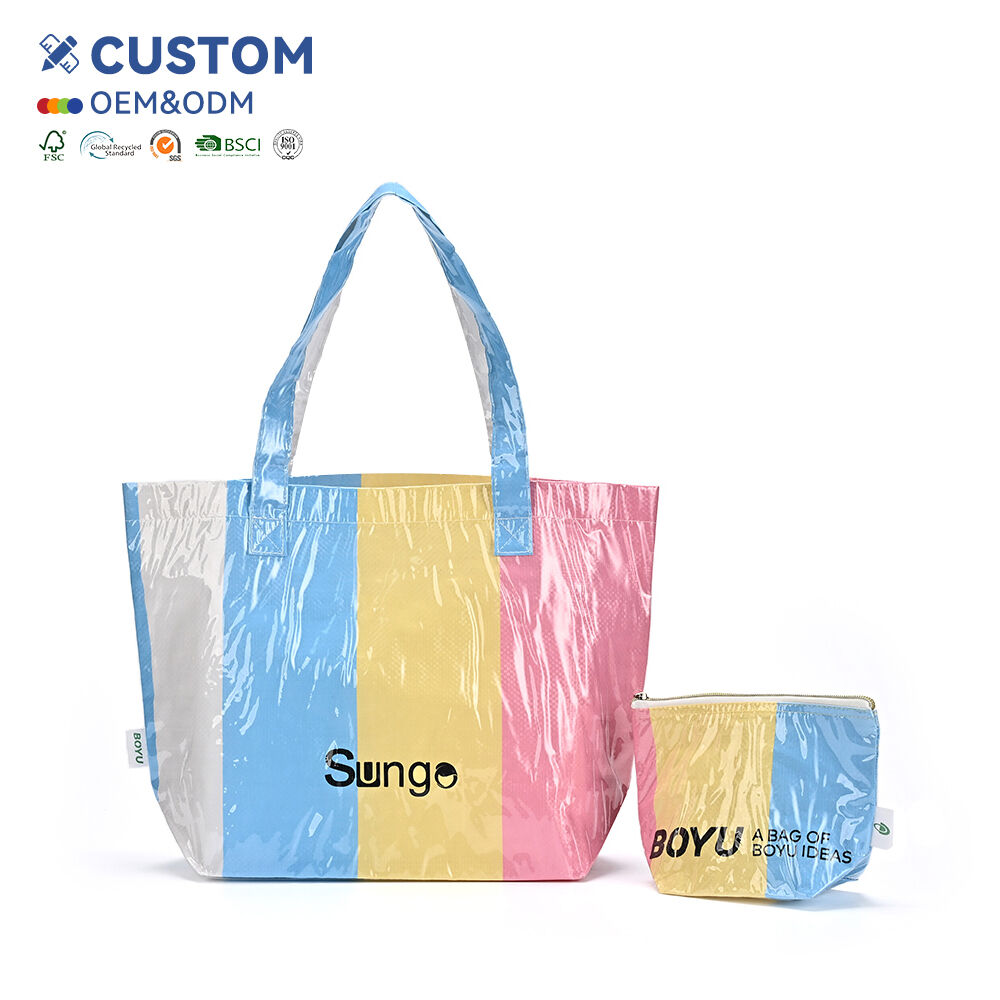
Daily commuters face unique challenges when it comes to carrying their meals and beverages throughout busy workdays. The right tote bag can transform the entire commuting experience by providing practical storage solutions that keep food fresh, organized, and easily accessible. Modern professionals increasingly rely on versatile carrying solutions that serve multiple purposes beyond simple transportation. A well-designed tote bag offers the perfect combination of functionality and style, making it an essential accessory for anyone who values convenience during their daily travels. Whether navigating crowded public transportation or walking through busy city streets, the proper tote bag ensures that your lunch remains secure and temperature-controlled throughout the journey.
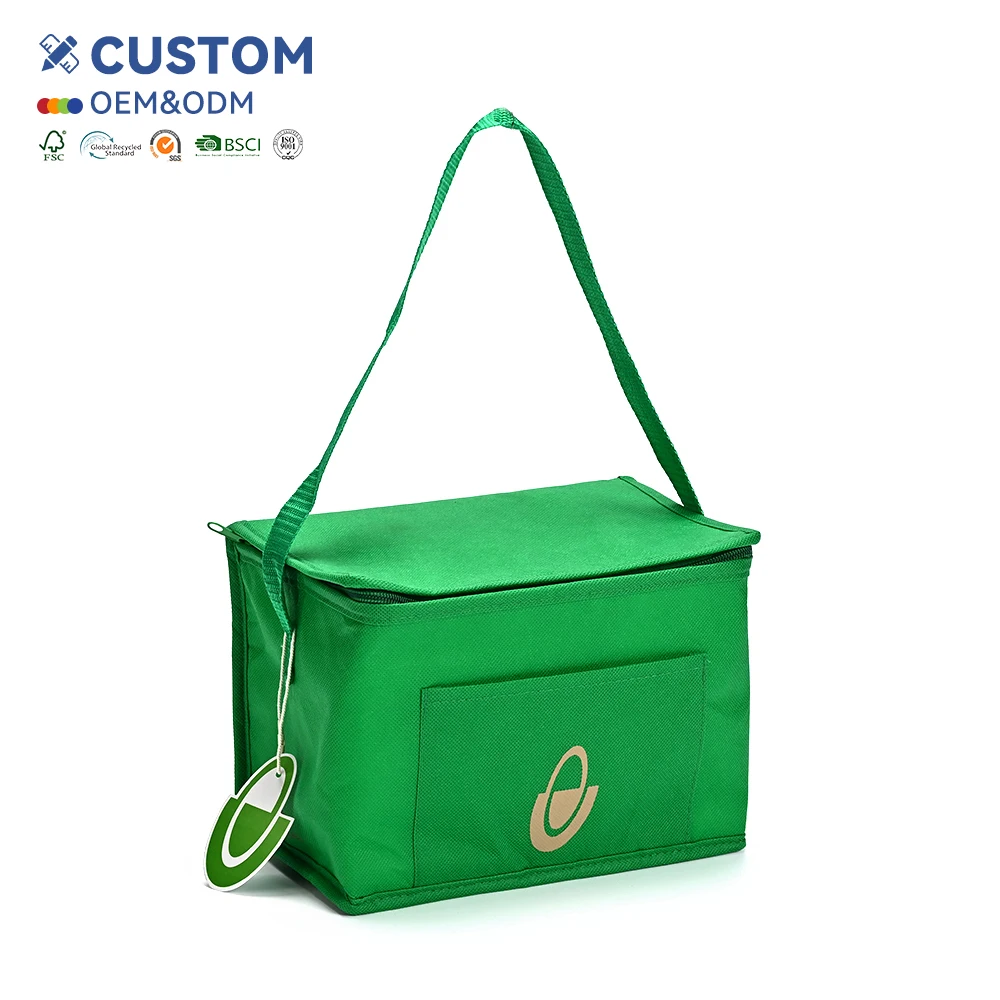
Essential Insulation Features for Temperature Control
Advanced Thermal Lining Technology
Temperature maintenance represents one of the most critical aspects of any commuter lunch solution. High-quality tote bag designs incorporate multiple layers of insulation materials that create barriers against external temperature fluctuations. These thermal barriers work by reflecting heat away from cold items while preventing warm foods from losing their desired temperature. Professional-grade insulation often includes aluminum foil backing combined with foam padding to maximize thermal efficiency. The combination of these materials ensures that beverages remain refreshingly cold and heated meals stay warm for extended periods during long commutes.
Modern insulation technology has evolved beyond traditional methods to include advanced materials that provide superior temperature retention without adding excessive bulk. Some premium tote bag models feature phase-change materials that actively regulate internal temperatures by absorbing or releasing thermal energy as needed. This technology maintains consistent internal conditions regardless of external weather variations or transportation delays. The effectiveness of insulation directly impacts food safety by preventing bacterial growth that occurs when perishable items reach unsafe temperature zones during transport.
Leak-Proof Construction Methods
Preventing spills and leaks requires sophisticated construction techniques that go beyond simple waterproof exteriors. Quality tote bag designs feature sealed seams using heat-welding or ultrasonic bonding methods that eliminate potential weak points where liquids might escape. Interior linings typically consist of food-grade materials that resist staining and can be easily cleaned after accidental spills. Multiple compartment designs often include separate waterproof sections that isolate wet items from dry goods, preventing cross-contamination and moisture damage to personal belongings.
The integration of spill-resistant zippers and closure systems further enhances leak protection during active transportation. These specialized components undergo rigorous testing to ensure they maintain their sealing properties even after thousands of opening and closing cycles. Strategic placement of drainage channels and overflow protection zones provides additional security against unexpected liquid displacement during movement or rough handling.
Organizational Design Elements
Multi-Compartment Storage Solutions
Effective organization transforms chaotic meal preparation into streamlined daily routines. Well-designed tote bag systems feature dedicated spaces for different types of food items, utensils, napkins, and beverages. Separate compartments prevent strong odors from transferring between different foods while maintaining optimal storage conditions for each item type. Elastic bands, mesh pockets, and adjustable dividers allow users to customize internal layouts based on their specific daily meal requirements.
Strategic compartmentalization also addresses hygiene concerns by keeping raw ingredients separate from ready-to-eat items. Removable dividers facilitate easy cleaning and allow for flexible reconfiguration when carrying different types of meals. Some advanced tote bag designs include specialized slots for ice packs, ensuring consistent cooling distribution throughout the entire storage area while maximizing available space for food items.
External Pocket Configurations
External storage options provide quick access to frequently needed items without compromising the internal temperature control system. Side pockets accommodate water bottles, utensils, or condiment packets that might be needed during meals. Front zippered compartments offer secure storage for napkins, hand sanitizer, or small personal items that complement the dining experience. These external features reduce the need to open the main compartment frequently, thereby maintaining optimal internal temperatures for longer periods.
Mesh side panels provide ventilation for items that might generate condensation while keeping them easily visible and accessible. Reinforced bottom panels in external pockets prevent wear from sharp objects or heavy items that might be stored alongside food containers. The strategic placement of external storage elements ensures balanced weight distribution that promotes comfortable carrying during extended commutes.
Comfort and Portability Features
Ergonomic Handle and Strap Design
Carrying comfort becomes paramount during lengthy commutes where a tote bag might be transported for extended periods. Padded handles distribute weight evenly across the palm and fingers, preventing uncomfortable pressure points that develop with prolonged use. Adjustable shoulder straps allow for hands-free carrying while navigating crowded transportation or when juggling multiple items during busy mornings. The angle and attachment points of straps significantly impact overall comfort and should be engineered to work with natural body mechanics.
Premium tote bag designs often incorporate ergonomic principles that account for different body types and carrying preferences. Convertible strap systems allow switching between hand-held, shoulder-carried, and crossbody configurations depending on situational requirements. Reinforced stress points where handles and straps attach to the main body ensure long-term durability under regular heavy use conditions.
Lightweight Material Selection
Material choice directly affects the overall portability and user experience of any lunch transportation solution. Advanced synthetic fabrics provide excellent insulation properties while maintaining minimal weight that reduces carrying fatigue. Ripstop nylon and polyester blends offer superior tear resistance without adding unnecessary bulk to the overall design. These materials also resist moisture absorption, preventing the tote bag from becoming heavier when exposed to humid conditions or light precipitation.
Innovative fabric treatments create surfaces that resist staining and odor absorption while remaining easy to clean with simple soap and water. Some high-performance materials include antimicrobial properties that actively inhibit bacterial growth, promoting better hygiene standards for food transport applications. The balance between durability and weight requires careful material selection that meets the demanding requirements of daily commuter use.
Size and Capacity Considerations
Optimal Dimensions for Commuter Needs
Determining appropriate size requires balancing storage capacity with practical portability constraints. Most commuters benefit from tote bag dimensions that accommodate standard lunch containers while fitting comfortably in crowded transportation environments. Compact designs measuring approximately twelve by eight by six inches provide sufficient space for typical daily meals without becoming cumbersome during navigation through tight spaces. However, larger families or individuals with substantial meal requirements might prefer expanded dimensions that offer additional storage flexibility.
The shape and proportions of a tote bag significantly impact its functionality in different carrying situations. Taller, narrower profiles work well for bottle storage and prevent items from shifting during movement, while wider, flatter designs maximize packing efficiency for container-based meals. Understanding personal meal patterns and commuting conditions helps determine which dimensional approach provides the most practical benefits for individual users.
Expandable Storage Options
Flexible capacity features allow a single tote bag to accommodate varying daily requirements without sacrificing efficiency or convenience. Expandable side panels or roll-top closures provide additional space when needed while maintaining a compact profile during typical use. These adaptive features prove particularly valuable for individuals whose lunch requirements change based on daily activities, meeting schedules, or seasonal preferences.
Modular attachment systems enable users to add or remove storage components based on specific daily needs. Some advanced designs include detachable cooler inserts that can be removed for easy cleaning or when additional space is required for non-food items. This flexibility ensures that investment in a quality tote bag continues providing value across changing lifestyle requirements and preferences.
Durability and Maintenance Requirements
Construction Quality Standards
Long-term reliability depends heavily on manufacturing quality and attention to construction details. Double-stitched seams provide enhanced strength at stress points where regular use creates the most wear. Reinforced corners and bottom panels protect against damage from sharp edges or rough handling during transportation. Quality control standards should ensure that zippers, handles, and other moving components maintain smooth operation through thousands of use cycles without degradation.
The integration of high-grade hardware components, including corrosion-resistant zippers and buckles, extends the functional lifespan of tote bag systems. These elements must withstand exposure to varying environmental conditions including humidity, temperature fluctuations, and occasional moisture contact. Investment in superior construction quality ultimately provides better value through extended usable life and consistent performance reliability.
Easy Cleaning and Care Instructions
Maintenance simplicity encourages regular cleaning that maintains hygiene standards and extends product longevity. Interior surfaces should wipe clean easily with standard household cleaners without requiring special treatment or extensive drying periods. Removable liners facilitate thorough cleaning and faster drying times, particularly important for maintaining freshness in food storage applications. Some tote bag designs feature machine-washable components that simplify periodic deep cleaning procedures.
Clear care instructions help users maintain their investment while avoiding damage from inappropriate cleaning methods. Understanding which components can be submerged, which require surface cleaning only, and proper drying techniques prevents premature deterioration. Regular maintenance schedules that include inspection of seams, zippers, and insulation integrity help identify potential issues before they compromise functionality.
FAQ
How long can a quality tote bag maintain food temperatures during commuting
Most well-insulated tote bag designs maintain safe food temperatures for four to six hours under normal commuting conditions. This duration depends on factors including external temperature, initial food temperature, and the quality of insulation materials used in construction. Adding ice packs or frozen gel inserts can extend cooling periods to eight hours or more, making these bags suitable even for longer workdays or delayed return trips.
What size tote bag works best for typical daily lunch requirements
A tote bag measuring approximately twelve by ten by eight inches accommodates most standard lunch containers, beverages, and accessories without becoming unwieldy during transportation. This size provides sufficient space for main dishes, side items, utensils, and napkins while remaining compact enough for comfortable carrying. Individuals with larger appetites or families sharing meals might benefit from slightly larger dimensions, while solo commuters often find smaller sizes more convenient.
Are tote bags suitable for carrying both hot and cold items simultaneously
Advanced tote bag designs with multiple insulated compartments can safely transport hot and cold items together without temperature cross-contamination. Separate thermal zones maintain appropriate temperatures for different food types, though items should be properly contained in appropriate containers for optimal results. Using thermal barriers like insulated dividers further enhances temperature separation capabilities within a single carrying system.
How do I choose between different insulation types available in tote bags
Aluminum-backed foam insulation provides excellent general-purpose temperature control for most commuting applications, while phase-change materials offer superior performance for extended transport periods. Consider your typical commute duration, climate conditions, and temperature requirements when selecting insulation types. Higher-performance materials typically cost more but provide better temperature retention and longer-lasting effectiveness under demanding use conditions.