
 EN
EN
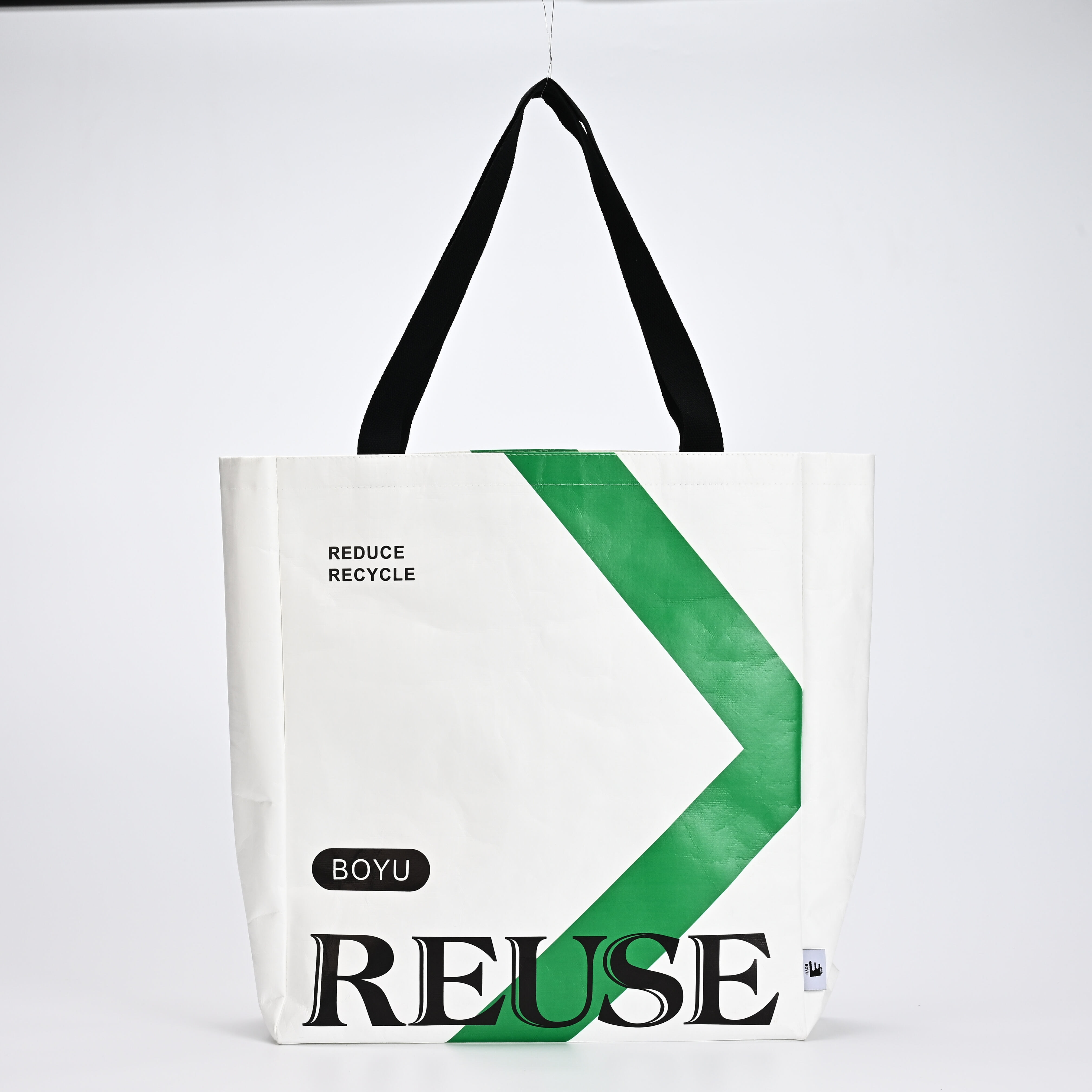
Non woven bags have revolutionized the shopping experience by offering a sustainable and durable alternative to traditional plastic bags. These versatile carriers are manufactured using a specialized bonding process that creates strong, tear-resistant materials perfect for everyday use. Understanding proper maintenance and storage techniques for your non woven bag ensures maximum longevity and continued performance. With environmental consciousness at an all-time high, consumers are increasingly seeking reusable solutions that can withstand regular use while maintaining their structural integrity and appearance.

The investment in quality non woven bags pays dividends when proper care protocols are followed consistently. These bags serve multiple purposes beyond shopping, including promotional events, gift packaging, and storage solutions. Professional-grade non woven materials can endure hundreds of uses when maintained correctly, making them cost-effective alternatives to disposable options. The key to extending bag lifespan lies in understanding fabric properties and implementing appropriate cleaning and storage methodologies.
Understanding Non Woven Bag Construction and Materials
Fabric Composition and Durability Factors
Non woven bag construction relies on polypropylene fibers that are thermally bonded or mechanically entangled to create a cohesive fabric structure. This manufacturing process eliminates the need for weaving or knitting, resulting in a material that offers excellent strength-to-weight ratios. The absence of yarn intersections means that non woven fabrics resist fraying and maintain their shape under stress. Understanding these fundamental properties helps users appreciate why specific maintenance approaches are necessary for optimal performance.
The density of polypropylene fibers directly impacts bag durability and longevity. Higher-density materials provide superior tear resistance and can accommodate heavier loads without compromising structural integrity. Most commercial non woven bag products feature reinforced handles and seams to distribute weight evenly across stress points. These engineering considerations ensure that properly maintained bags can support substantial loads repeatedly without failure.
Surface Treatments and Protective Coatings
Many manufacturers apply specialized surface treatments to enhance non woven bag performance and appearance. Laminated coatings provide water resistance and facilitate easier cleaning, while matte finishes reduce visible wear patterns. Some premium bags feature anti-microbial treatments that inhibit bacterial growth during storage periods. Understanding which treatments are present on your specific bag helps determine appropriate cleaning methods and storage conditions.
Printed logos and graphics on non woven surfaces require special consideration during maintenance routines. Heat-transfer vinyl and screen-printed designs have different durability characteristics and cleaning tolerances. Knowing the printing method used helps prevent damage during washing and ensures that branding elements remain vibrant throughout the bag's service life.
Essential Cleaning Techniques for Non Woven Bags
Regular Maintenance Cleaning
Establishing a regular cleaning schedule prevents accumulation of dirt, stains, and odors that can compromise bag appearance and hygiene. Light cleaning should occur after every few uses, particularly when bags have carried food items or been exposed to dusty environments. Simple spot cleaning with damp cloths removes surface contaminants without saturating the fabric. This gentle approach preserves fiber integrity while maintaining cleanliness standards.
For routine maintenance, use lukewarm water with mild detergent to address general soiling. Avoid harsh chemicals or bleaching agents that can degrade polypropylene fibers or damage surface treatments. Gentle scrubbing with soft-bristled brushes helps remove embedded particles without creating surface abrasion. Allow bags to air dry completely before storage to prevent mold and mildew development.
Deep Cleaning Procedures
Periodic deep cleaning addresses stubborn stains and accumulated residues that regular maintenance cannot eliminate. Begin by removing all contents and shaking out loose debris. Pre-treat stained areas with appropriate cleaning solutions, allowing sufficient contact time for penetration. For oil-based stains, use degreasing agents specifically formulated for synthetic materials.
Machine washing is possible for most non woven bag products when manufacturer guidelines permit. Use cold water settings and gentle cycles to minimize mechanical stress on fibers. Select mild detergents without optical brighteners or fabric softeners that can interfere with surface treatments. Place bags in mesh laundry bags to prevent entanglement with other items during washing cycles.
Proper Storage Methods and Environmental Considerations
Climate Control and Environmental Factors
Storage environment significantly impacts non woven bag longevity and performance. Excessive heat can cause polypropylene fibers to become brittle, while high humidity promotes mold growth and fabric degradation. Ideal storage conditions maintain temperatures between 60-75°F with relative humidity below 50%. Avoid locations near heating vents, direct sunlight, or areas prone to temperature fluctuations.
Ventilation plays a crucial role in preventing moisture accumulation during storage periods. Bags should be completely dry before storage to eliminate conditions favorable to microbial growth. Consider using moisture-absorbing packets in storage containers to maintain optimal humidity levels. Regular rotation of stored bags prevents permanent creasing and ensures equal exposure to ambient conditions.
Folding and Stacking Techniques
Proper folding techniques prevent permanent creases and stress concentrations that can weaken fabric structure over time. Fold bags along natural seam lines when possible, avoiding sharp creases across printed areas. For bags with reinforced bottoms, fold the base panel first to maintain structural integrity. Smooth out air pockets and wrinkles during folding to minimize pressure points.
When stacking multiple non woven bags, place heavier items at the bottom to prevent compression damage. Insert acid-free tissue paper between folded bags to prevent color transfer and reduce friction. Limit stack height to prevent excessive weight concentration on bottom bags. Consider hanging storage for frequently used bags to eliminate folding altogether.
Troubleshooting Common Issues and Repairs
Stain Removal Strategies
Different stain types require specific treatment approaches to achieve successful removal without damaging non woven bag materials. Protein-based stains respond well to enzyme cleaners, while tannin stains from beverages may require acid-based solutions. Always test cleaning products on inconspicuous areas before applying to visible surfaces. Work from stain edges toward the center to prevent spreading contamination.
For set-in stains, create cleaning paste using baking soda and water, allowing extended contact time for penetration. Grease stains benefit from cornstarch application to absorb oils before liquid cleaning. Ink stains may require alcohol-based solvents, applied sparingly to prevent fabric damage. Document successful treatment methods for future reference with similar staining incidents.
Minor Repair Techniques
Small tears and worn areas can often be repaired to extend non woven bag service life significantly. Use fabric adhesives specifically designed for synthetic materials to bond separated fibers. Apply adhesive sparingly to avoid visible residue or stiffening of repair areas. For handle attachments, reinforce stress points with additional stitching or fabric patches.
Heat-sealed seams can be re-sealed using household irons at low temperature settings. Place parchment paper between iron and fabric to prevent direct contact and potential melting. Apply steady pressure for several seconds to reactivate bonding agents. Test seal strength before returning bags to service to ensure adequate repair integrity.
Maximizing Lifespan Through Smart Usage Practices
Weight Distribution and Load Management
Understanding weight limitations prevents premature failure and extends non woven bag usability. Most standard bags can safely carry 20-30 pounds when weight is distributed evenly across the base. Concentrate heavy items at bag bottoms while placing lighter, bulkier items toward the top. Use internal dividers or smaller bags within larger ones to prevent item shifting during transport.
Avoid carrying sharp objects that can puncture or tear fabric surfaces. When transporting potentially damaging items, use protective wrapping or place them in separate containers. Consider bag size appropriately for intended loads, as overloading smaller bags creates unnecessary stress on seams and handles.
Rotation and Usage Patterns
Implementing bag rotation systems prevents overuse of individual bags and allows for recovery time between uses. Maintain multiple non woven bag options for different purposes, such as grocery shopping, general carrying, and specialty applications. This approach distributes wear patterns across your collection while ensuring backup options remain available.
Track usage frequency and condition of each bag to identify maintenance needs before problems develop. Replace handles or reinforce stress points proactively rather than waiting for failure. Document which bags perform best in specific applications to optimize usage assignments.
FAQ
How often should I clean my non woven bag?
Clean your non woven bag after every 3-5 uses or immediately after carrying food items, wet goods, or materials that could cause staining. Light cleaning with a damp cloth should be performed regularly, while deep cleaning can be done monthly or as needed based on usage intensity and soil accumulation.
Can non woven bags be machine washed safely?
Most non woven bags can be machine washed using cold water and gentle cycles, but always check manufacturer guidelines first. Use mild detergents without bleach or fabric softeners, and place bags in mesh laundry bags to prevent damage. Air dry completely before storage to prevent mold and mildew development.
What is the best way to store non woven bags long-term?
Store clean, dry non woven bags in cool, dry locations away from direct sunlight and heat sources. Fold along natural seam lines to prevent permanent creasing, and consider hanging storage for frequently used bags. Use moisture-absorbing packets in storage containers and ensure adequate ventilation to prevent humidity buildup.
How can I remove stubborn stains from my non woven bag?
Treat stains immediately for best results using appropriate cleaning solutions based on stain type. Create paste with baking soda for set-in stains, use degreasing agents for oil-based stains, and try alcohol-based solvents for ink. Always test cleaning products on inconspicuous areas first and work from stain edges toward the center to prevent spreading.