
 EN
EN
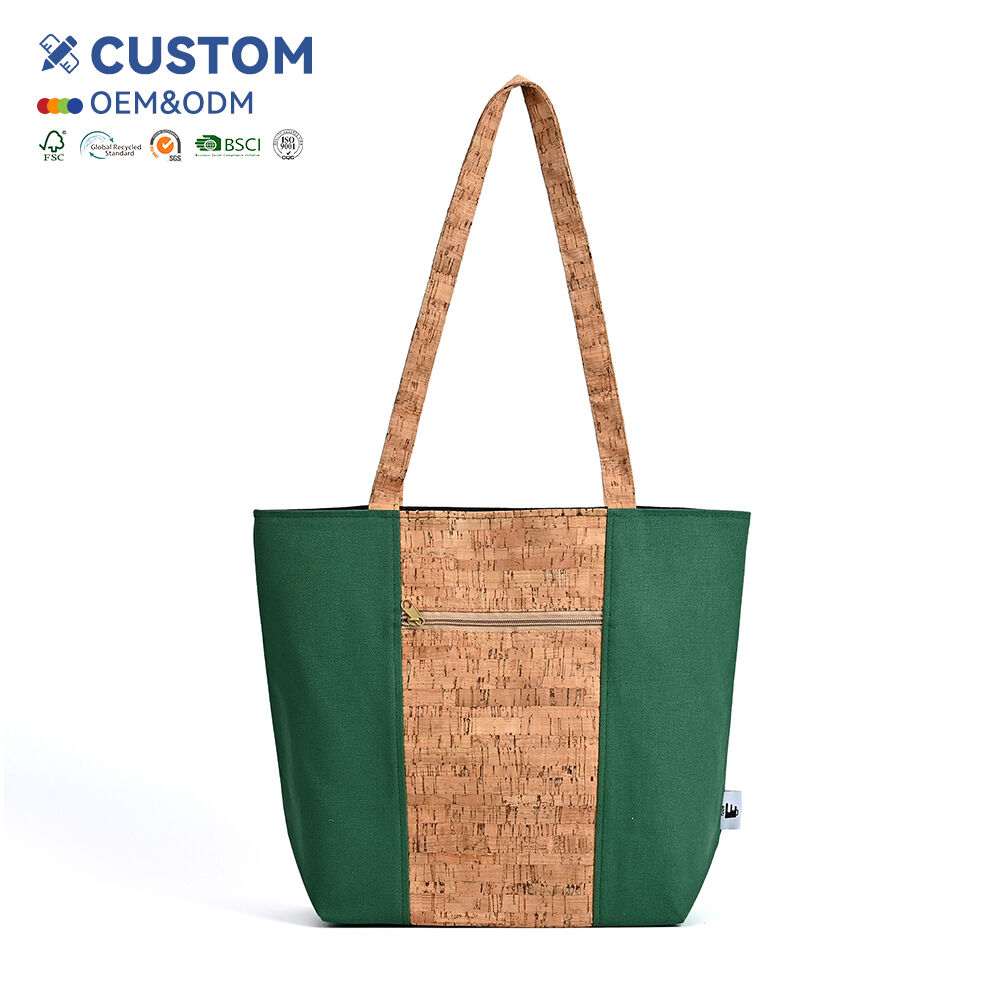
The fashion industry is experiencing a significant shift toward sustainable and eco-friendly alternatives, with consumers increasingly seeking products that align with their environmental values. Among the most notable innovations in this space is the emergence of cork bags as a compelling alternative to traditional leather accessories. These unique accessories combine environmental responsibility with sophisticated design, offering fashion-conscious consumers a way to express their style while supporting sustainable practices. The growing popularity of cork bags reflects a broader movement toward conscious consumption and ethical fashion choices that prioritize both aesthetics and environmental impact.
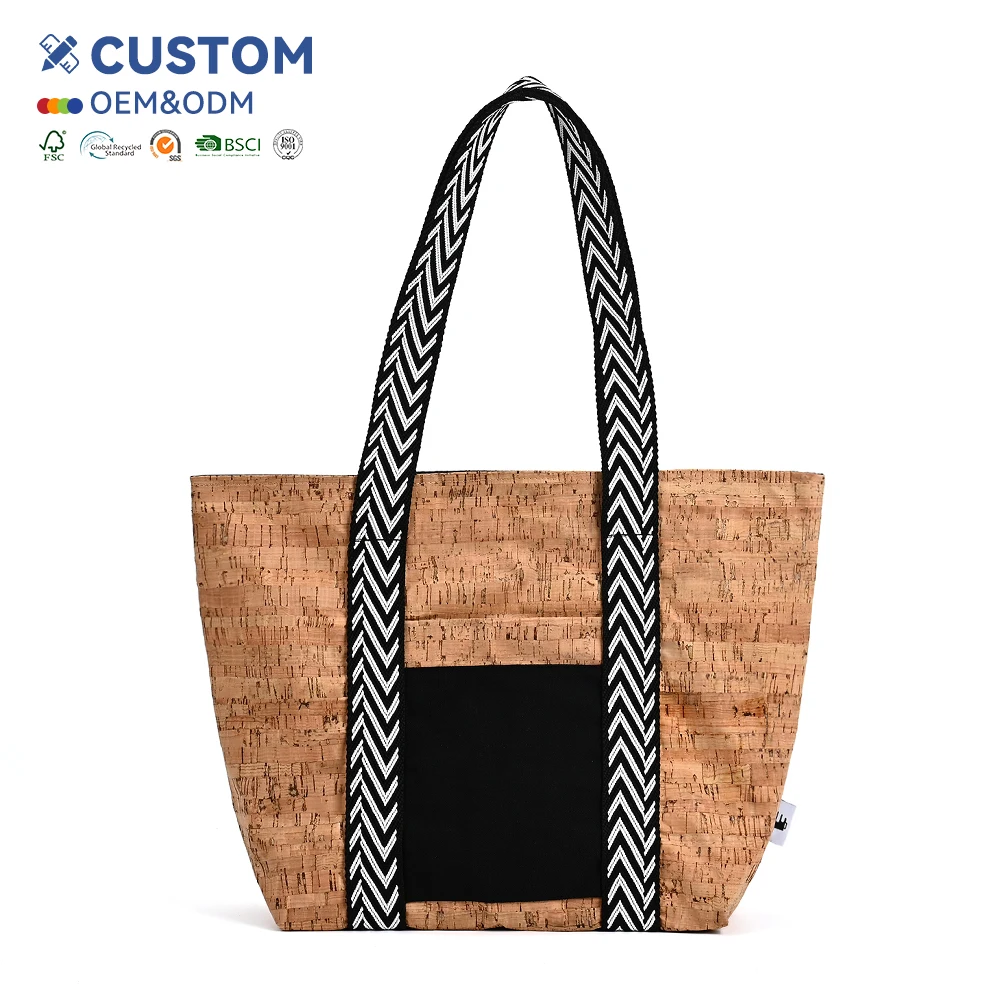
The Environmental Benefits of Cork Bag Production
Sustainable Harvesting Practices
Cork harvesting represents one of the most sustainable practices in natural material collection, making it an ideal foundation for eco-friendly accessories. The cork oak tree, primarily found in Mediterranean regions, can be harvested every nine years without causing harm to the tree itself. This cyclical harvesting process allows the same tree to produce cork for over 200 years, creating a renewable resource that supports long-term environmental sustainability. The bark regeneration process actually strengthens the tree and enhances its ability to absorb carbon dioxide from the atmosphere.
Unlike leather production, which requires significant water consumption and chemical processing, cork extraction involves minimal environmental impact. The harvesting process supports biodiversity by maintaining cork oak forests that serve as habitats for numerous endangered species. These forests also play a crucial role in preventing soil erosion and maintaining regional water cycles. The sustainable nature of cork production makes it an attractive alternative for environmentally conscious consumers seeking to reduce their ecological footprint through thoughtful purchasing decisions.
Carbon Footprint Reduction
The production of cork bags generates significantly lower carbon emissions compared to traditional leather manufacturing processes. Cork oak forests are among the most efficient carbon sequestration systems, with mature trees capable of absorbing substantial amounts of CO2 throughout their lifespan. When cork is harvested, the trees actually increase their carbon absorption capacity as they regenerate their bark. This natural process means that cork bag production contributes to atmospheric carbon reduction rather than emission increases.
The manufacturing process for cork bags requires minimal energy consumption and avoids the chemical-intensive tanning processes associated with leather production. Transportation costs are also reduced since cork processing facilities are typically located near harvesting areas, minimizing the carbon footprint associated with raw material movement. These environmental advantages make cork bags an increasingly attractive option for brands and consumers committed to reducing their contribution to climate change through sustainable product choices.
Durability and Performance Characteristics
Material Strength and Longevity
Cork possesses remarkable durability characteristics that make it an excellent material for long-lasting accessories. The cellular structure of cork provides natural elasticity and resistance to compression, allowing it to maintain its shape and functionality even under regular use. This inherent resilience means that cork bags can withstand daily wear and tear while maintaining their appearance and structural integrity over extended periods. The material's natural properties include resistance to moisture, making it suitable for various weather conditions and everyday use scenarios.
The longevity of cork bags often exceeds that of many synthetic alternatives, providing consumers with excellent value for their investment. Unlike materials that may crack, fade, or deteriorate quickly, cork develops a distinctive patina over time that enhances its aesthetic appeal. This aging process adds character to each bag while maintaining functional performance. The combination of durability and visual appeal ensures that cork bags remain practical and attractive accessories throughout their extended lifespan.
Water Resistance and Maintenance
One of the most practical advantages of cork bags is their natural water resistance, which stems from the material's cellular composition. Cork contains suberin, a waxy substance that provides natural waterproofing properties, making these bags suitable for various weather conditions. This inherent water resistance eliminates the need for chemical treatments that are often required for other materials, maintaining the eco-friendly profile of cork products while providing practical benefits for daily use.
Maintenance requirements for cork bags are minimal compared to leather alternatives, which often require regular conditioning and specialized care products. Cork bags can be cleaned with simple soap and water solutions, and their natural antimicrobial properties help prevent odor and bacteria buildup. The low-maintenance nature of cork makes it particularly appealing to busy consumers who want stylish, functional accessories without complicated care routines. This practical advantage, combined with the material's durability, makes cork bags an attractive choice for practical fashion applications.
Design Innovation and Style Versatility
Contemporary Aesthetic Appeal
Modern cork bag designs demonstrate remarkable sophistication and style versatility, challenging preconceptions about sustainable materials. Contemporary designers have developed techniques to create various textures, patterns, and finishes that rival traditional luxury materials in visual appeal. The natural grain and color variations in cork create unique aesthetic characteristics that cannot be replicated in synthetic materials, giving each bag distinctive visual personality. These design innovations have elevated cork bags from niche eco-products to mainstream fashion accessories.
The versatility of cork as a design material allows for diverse style expressions, from minimalist modern designs to more elaborate decorative treatments. Color applications can range from natural cork tones to vibrant dyed finishes, providing options that complement various personal style preferences and wardrobe requirements. The material's workability enables designers to create sophisticated hardware integration, structured silhouettes, and detailed finishing that meets contemporary fashion standards while maintaining environmental benefits.
Customization and Personalization Options
Cork bags offer exceptional opportunities for customization and personalization, making them attractive to consumers seeking unique accessories. The material readily accepts various printing, embossing, and engraving techniques, allowing for custom logos, patterns, or personal monograms. This customization capability makes cork bags particularly appealing for corporate gifts, promotional items, or personal accessories that reflect individual style preferences. The ability to personalize sustainable products adds value for consumers who want to express their personality while supporting environmental causes.
Manufacturing flexibility enables small-batch production and custom orders, supporting both individual consumers and businesses seeking distinctive promotional products. The combination of sustainability, customization options, and aesthetic appeal makes cork bags suitable for various applications, from personal use to corporate branding initiatives. This versatility has contributed to growing market acceptance and increased demand across different consumer segments and use cases.
Market Growth and Consumer Adoption
Industry Trends and Statistics
The sustainable fashion market has experienced significant growth in recent years, with cork bag sales reflecting this broader trend toward eco-conscious consumption. Market research indicates that consumer preference for environmentally friendly products has increased substantially, particularly among younger demographics who prioritize sustainability in their purchasing decisions. This shift has created favorable conditions for cork bag adoption, with sales growing consistently across various retail channels and geographic markets.
Industry analysis shows that cork bag market growth has outpaced many traditional accessory categories, driven by increasing environmental awareness and improved product quality. Retail partnerships with major fashion retailers have expanded distribution channels, making cork bags more accessible to mainstream consumers. The combination of environmental benefits, design innovation, and increased availability has contributed to steady market expansion and growing consumer acceptance of cork as a premium material choice.
Consumer Demographics and Preferences
The primary consumer base for cork bags includes environmentally conscious individuals who value both sustainability and style in their fashion choices. Research indicates that these consumers are typically well-educated, have higher disposable incomes, and actively seek products that align with their values. This demographic often influences broader fashion trends and demonstrates willingness to pay premium prices for products that offer environmental and social benefits alongside functional performance.
Consumer preference studies reveal that cork bag purchasers value authenticity, craftsmanship, and brand transparency in addition to environmental benefits. These consumers often research product origins, manufacturing processes, and company values before making purchasing decisions. The alignment between cork bag characteristics and consumer values has created strong brand loyalty and positive word-of-mouth marketing that continues to drive market growth and adoption rates.
Comparing Cork Bags to Traditional Leather
Production Process Differences
The production processes for cork bags and leather bags differ significantly in their environmental impact and resource requirements. Leather production involves complex chemical tanning processes that consume large quantities of water, energy, and potentially harmful chemicals. These processes generate significant wastewater and chemical byproducts that require careful management to prevent environmental contamination. The entire leather production cycle, from animal raising to finished product, involves substantial resource consumption and environmental impact.
Cork bag production follows a much simpler and more environmentally friendly process that leverages the natural properties of cork material. The harvesting and initial processing require minimal chemical intervention, and subsequent manufacturing steps involve standard textile techniques adapted for cork applications. This streamlined production process reduces environmental impact while maintaining product quality and durability. The contrast in production complexity and environmental impact represents a significant advantage for cork bags in sustainability comparisons.
Performance and Aesthetic Comparisons
Performance comparisons between cork bags and leather alternatives reveal that cork offers several practical advantages while maintaining comparable aesthetic appeal. Cork's natural water resistance often exceeds that of untreated leather, providing better protection for bag contents in various weather conditions. The lightweight nature of cork also makes bags more comfortable to carry while maintaining structural integrity and durability. These practical benefits complement the environmental advantages of choosing cork over traditional leather materials.
Aesthetic comparisons show that modern cork bag designs successfully compete with leather alternatives in terms of sophistication and style versatility. The unique natural texture and color variations in cork create distinctive visual characteristics that many consumers find more interesting than uniform synthetic alternatives. The ability to achieve various finishes and treatments allows cork bags to suit different style preferences while maintaining their sustainable profile. This combination of practical and aesthetic advantages has contributed to growing consumer acceptance and market success.
FAQ
How long do cork bags typically last with regular use
Cork bags are known for their exceptional durability and can last several years with regular use, often outlasting many synthetic alternatives. The natural resilience of cork material allows it to maintain its structure and appearance even under daily use conditions. With proper care, a quality cork bag can provide reliable service for five to ten years or more, making it an excellent long-term investment. The material's natural aging process actually enhances its appearance over time, developing a unique patina that adds character while maintaining functionality.
Are cork bags suitable for formal business settings
Modern cork bag designs include sophisticated options that are perfectly appropriate for formal business environments. Contemporary manufacturing techniques and design innovations have created cork bags with the refined appearance and professional styling suitable for corporate settings. Many business professionals choose cork bags as a way to express their environmental values while maintaining professional appearance standards. The natural elegance of well-crafted cork accessories complements business attire and demonstrates thoughtful attention to both style and sustainability.
Can cork bags be repaired if damaged
Cork bags can often be repaired using standard leather repair techniques and specialized cork restoration methods. Minor scratches and scuffs typically buff out naturally with use, while more significant damage can be addressed by skilled craftspeople familiar with cork materials. Many manufacturers offer repair services for their cork products, extending the useful life of these sustainable accessories. The repairability of cork bags supports their environmental benefits by reducing waste and supporting long-term use rather than replacement cycles.
What is the price range for quality cork bags compared to leather
Quality cork bags typically fall within a similar price range to comparable leather products, with prices varying based on design complexity, craftsmanship, and brand positioning. Entry-level cork bags may be slightly more expensive than basic leather alternatives due to specialized production processes, while premium cork bags often cost less than luxury leather equivalents. The long-term value proposition of cork bags is often superior due to their durability, low maintenance requirements, and environmental benefits. Many consumers find that the combination of quality, sustainability, and style justifies the investment in cork bag products.