
 EN
EN
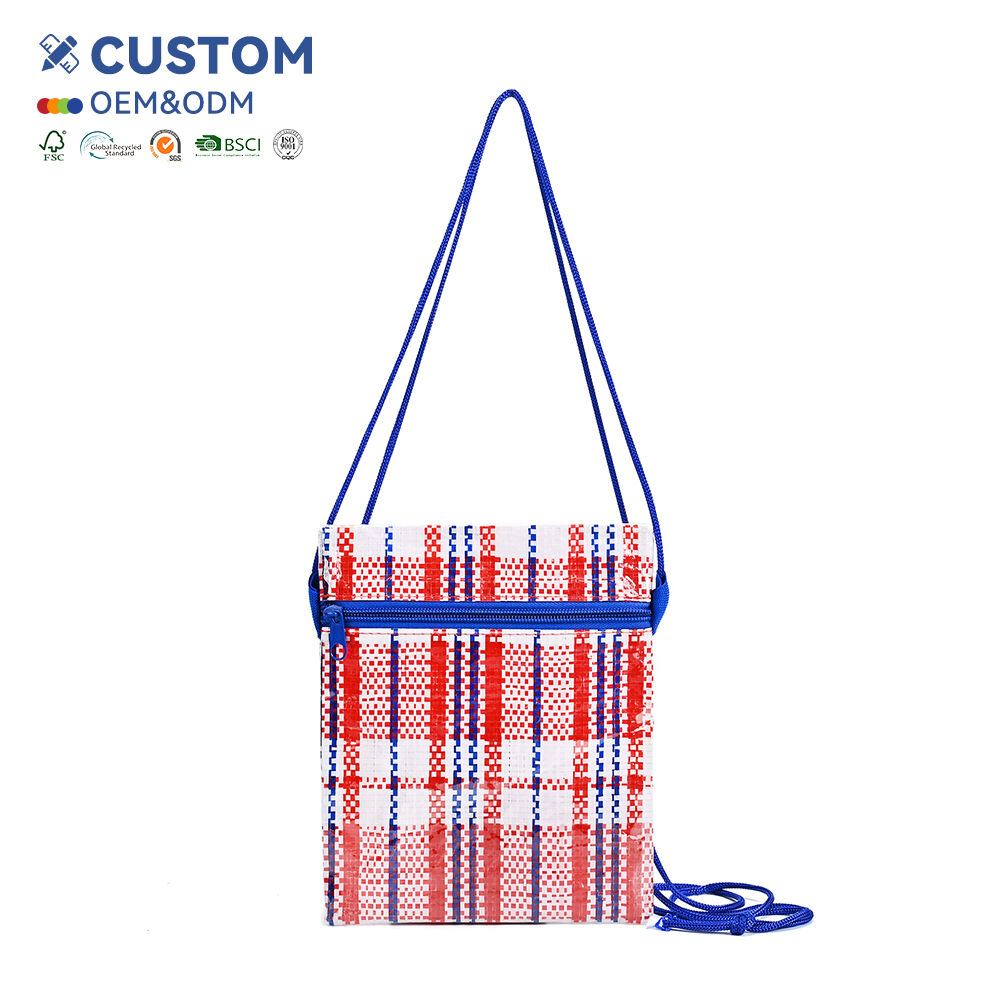
Polypropylene woven bags have become essential packaging solutions across industries worldwide, offering durability and versatility that few materials can match. While many businesses and consumers explore various eco-friendly alternatives including cotton bag options, understanding proper maintenance techniques for PP woven bags ensures maximum return on investment and extended service life. These synthetic textile bags require specific care protocols to maintain their structural integrity, appearance, and functionality over extended periods. Whether used for agricultural products, industrial materials, or retail packaging, implementing systematic maintenance practices can significantly enhance their longevity and performance characteristics.
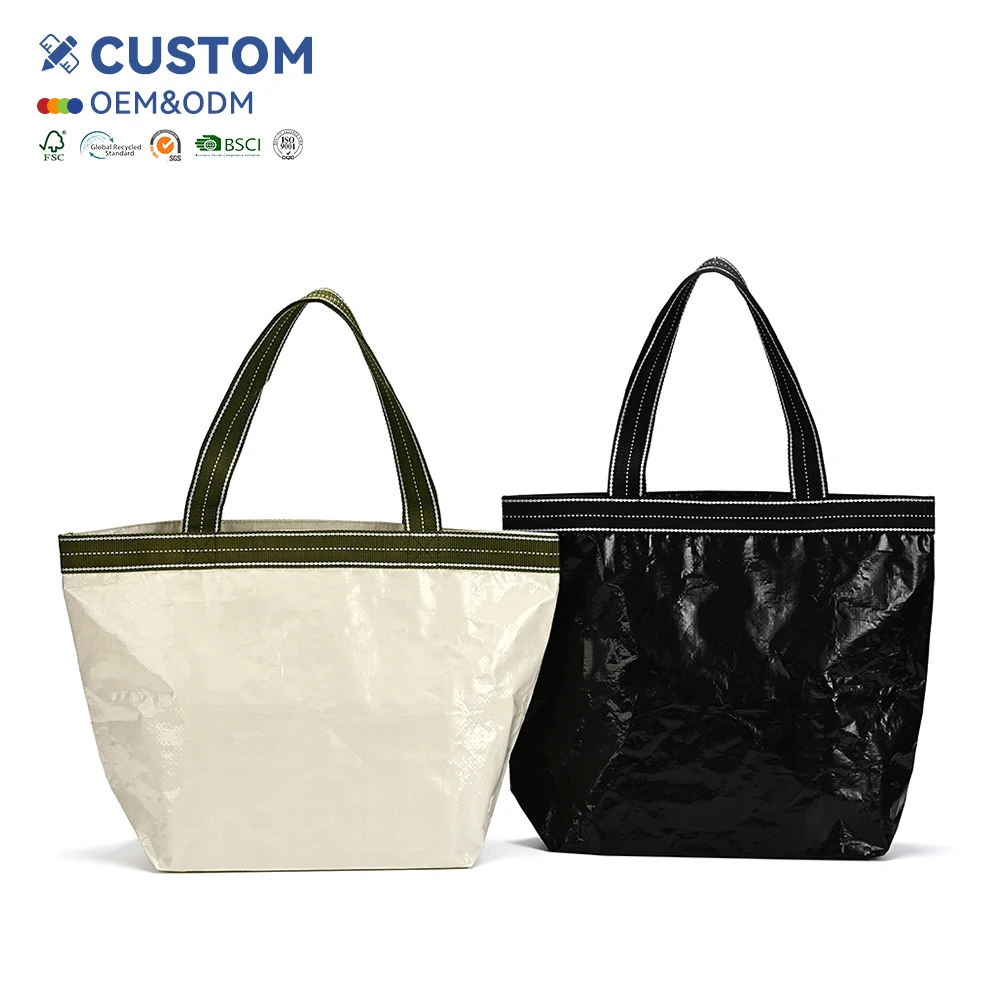
Understanding PP Woven Bag Construction and Materials
Polypropylene Fiber Composition
Polypropylene woven bags are manufactured from thermoplastic polymer fibers that undergo a complex weaving process to create durable textile structures. The base material consists of polypropylene resin that is extruded into continuous filaments, then cut into specific lengths before being woven into fabric patterns. This construction method creates a material that is inherently resistant to moisture, chemicals, and UV radiation when properly treated. Understanding the molecular structure of polypropylene helps in developing appropriate maintenance strategies that preserve the material's inherent properties while preventing degradation.
The weaving pattern typically follows a plain weave structure where warp and weft yarns intersect at right angles, creating a stable and strong fabric base. This construction provides excellent tensile strength in both directions while maintaining flexibility for various packaging applications. Unlike natural fiber alternatives such as cotton bag materials, polypropylene maintains consistent properties across different environmental conditions, making it ideal for industrial and commercial applications where reliability is paramount.
Coating and Lamination Systems
Many PP woven bags feature additional coatings or laminations that enhance their performance characteristics and require specific maintenance considerations. BOPP lamination provides a glossy surface that improves printability and moisture resistance, while PE coating offers enhanced waterproofing capabilities. These surface treatments create barrier properties that protect the underlying polypropylene fabric from environmental factors that could compromise its structural integrity.
The adhesion between lamination layers and the base fabric is critical for long-term durability, as delamination can occur when bags are subjected to improper cleaning methods or extreme temperature variations. Understanding these multilayer constructions helps develop maintenance protocols that preserve the integrity of all components while maximizing the bag's functional lifespan.
Pre-Use Inspection and Preparation Protocols
Visual Assessment Procedures
Before deploying PP woven bags for their intended applications, conducting thorough visual inspections ensures that any manufacturing defects or damage from transportation and handling are identified and addressed. This inspection should include examination of seam integrity, checking for loose threads or fraying edges, and verifying that any printed graphics or labels are properly adhered. Early detection of potential issues prevents failures during use that could compromise product integrity or create safety hazards.
Pay particular attention to stress concentration points such as handles, corners, and seam intersections where failure typically initiates. Compare the bag's appearance and feel to known standards or reference samples to ensure consistency in material properties and construction quality. Document any observations systematically to establish baseline conditions for future maintenance assessments.
Dimensional Verification and Load Testing
Accurate dimensional measurements ensure that PP woven bags meet specifications and will perform as expected in their intended applications. Check length, width, and gusset dimensions against design specifications, noting any variations that might affect loading efficiency or stacking stability. This verification process helps identify bags that may not perform optimally due to manufacturing variations or damage during shipping and handling.
Conduct sample load testing with representative products to verify weight capacity and identify any immediate performance issues. This testing should simulate actual use conditions including loading patterns, handling methods, and storage requirements. While this process differs from maintenance procedures used for reusable alternatives like cotton bag systems, establishing baseline performance parameters is essential for developing effective maintenance schedules.
Daily Cleaning and Maintenance Practices
Surface Cleaning Techniques
Regular surface cleaning removes accumulated dirt, dust, and residues that can degrade PP woven bag performance over time. Use soft-bristled brushes or clean cloths with mild detergent solutions to remove surface contaminants without damaging the polypropylene fibers or surface treatments. Avoid abrasive cleaning tools that could scratch laminated surfaces or create micro-tears in the fabric structure.
For stubborn stains or residues, allow cleaning solutions to dwell on affected areas before gentle agitation and rinsing. Water temperature should remain below 60°C to prevent thermal damage to polypropylene fibers or softening of lamination adhesives. Thorough rinsing removes all cleaning residues that could accumulate and attract additional contamination or create chemical interactions with stored products.
Drying and Storage Preparation
Proper drying techniques prevent moisture retention that could lead to mold growth, odor development, or structural degradation over time. Allow bags to air dry completely in well-ventilated areas away from direct sunlight or high-temperature heat sources that could cause thermal damage. Ensure all moisture is removed from seams, corners, and handle attachments where water can accumulate and cause problems.
Inspect dried bags for any signs of damage that may have become apparent during the cleaning process, such as loose lamination edges or weakened seam areas. Store clean, dry bags in covered areas protected from UV exposure, extreme temperatures, and mechanical damage. Proper storage preparation maintains bag condition between uses and prevents deterioration during idle periods.
Handling and Usage Best Practices
Load Distribution Methods
Effective load distribution prevents stress concentration that can lead to premature failure of PP woven bags during handling and transport. Ensure that product weight is distributed evenly throughout the bag volume, avoiding concentrated loads that create high stress points in the fabric structure. Use appropriate loading techniques that minimize sharp edges or protruding items that could puncture or tear the bag material.
Consider the bag's design limitations when loading products, respecting maximum weight capacities and avoiding overfilling that strains seams and handles beyond their design limits. Proper loading techniques extend bag life significantly compared to careless handling that can cause immediate failure or accelerated wear. Train personnel in correct loading procedures to ensure consistent application of best practices across all operations.
Transportation and Handling Guidelines
During transportation and handling, protect PP woven bags from environmental factors and mechanical damage that could compromise their integrity. Use appropriate lifting techniques that distribute forces evenly across handle attachments and avoid dragging bags across rough surfaces that could cause abrasion damage. Secure loads properly during transport to prevent shifting that could create dynamic loading conditions exceeding the bag's design parameters.
Monitor handling equipment and procedures to identify potential sources of damage such as sharp edges on conveyor systems or improper stacking methods that could compress and damage bags. Regular evaluation of handling processes helps identify improvement opportunities that extend bag life and reduce replacement costs. Unlike more delicate materials such as cotton bag alternatives, PP woven bags can withstand significant handling stress when proper techniques are employed.
Long-Term Storage and Preservation Strategies
Environmental Control Requirements
Long-term storage of PP woven bags requires careful environmental control to prevent degradation from UV exposure, temperature extremes, and humidity variations. Store bags in covered facilities with stable temperatures between 10°C and 30°C to prevent thermal stress that could affect material properties. Maintain relative humidity levels between 45% and 65% to prevent static buildup while avoiding moisture levels that could promote microbial growth on any organic residues.
Provide adequate ventilation to prevent stagnant air conditions that could concentrate harmful gases or create localized humidity variations. Use UV-filtering materials or store bags away from windows and skylights to prevent photodegradation of polypropylene fibers and surface treatments. Environmental monitoring helps identify conditions that could accelerate aging or cause unexpected failures during storage periods.
Physical Protection Systems
Implement physical protection systems that prevent mechanical damage during storage while allowing easy access for inventory management and quality inspections. Use protective covers or containers that shield bags from dust accumulation, pest intrusion, and accidental damage from handling equipment or other stored materials. Design storage systems that minimize handling and movement to reduce wear and stress on stored bags.
Organize storage areas to facilitate first-in-first-out rotation that prevents extended storage periods that could result in material degradation or obsolescence. Regular inventory rotation ensures that bags maintain optimal condition when deployed for use. Develop tracking systems that monitor storage duration and environmental exposure to identify bags that may require additional inspection before use.
Repair and Restoration Techniques
Minor Damage Assessment and Repair
Small tears, punctures, or seam separations in PP woven bags can often be repaired effectively using appropriate techniques and materials. Assess damage extent carefully to determine whether repair is economically viable compared to replacement costs. For minor tears, use polypropylene tape or patches applied with appropriate adhesives designed for synthetic materials. Ensure repair materials are compatible with the bag's construction and intended use environment.
Clean damaged areas thoroughly before applying repairs to ensure proper adhesion and prevent contamination that could compromise repair effectiveness. Allow adequate curing time for adhesives and test repaired areas under controlled conditions before returning bags to service. Document repair procedures and performance to develop improved techniques and identify patterns that might indicate design or handling issues requiring attention.
Structural Reinforcement Methods
For bags showing signs of general wear or stress concentration at critical points, structural reinforcement can extend service life significantly. Apply reinforcing patches to high-stress areas such as corners, handle attachments, and bottom seams using materials that match or exceed the original bag's strength characteristics. Use overlapping patch designs that distribute loads gradually rather than creating new stress concentration points.
Consider preventive reinforcement for bags used in demanding applications where failure could create significant problems or costs. While this approach requires more investment than simple replacement with alternatives like cotton bag options, the extended service life often justifies the additional effort and materials required for effective reinforcement.
Quality Control and Performance Monitoring
Regular Inspection Schedules
Establish systematic inspection schedules that identify developing problems before they result in bag failure or compromised product protection. Weekly visual inspections should check for signs of wear, damage, or contamination that could affect performance. Monthly detailed inspections should include dimensional measurements, load testing of sample bags, and documentation of any changes in appearance or feel that might indicate material degradation.
Quarterly comprehensive assessments should evaluate overall bag condition, repair effectiveness, and performance trends that might indicate need for changes in maintenance procedures or replacement criteria. Annual reviews should analyze failure patterns, cost effectiveness of maintenance programs, and opportunities for improvement in bag selection or handling procedures. Consistent documentation enables trend analysis that supports continuous improvement efforts.
Performance Benchmarking
Establish performance benchmarks that define acceptable condition standards and replacement criteria for PP woven bags in various applications. These benchmarks should consider factors such as strength retention, appearance standards, and functional requirements specific to each use case. Regular testing against these benchmarks provides objective data for maintenance decisions and helps optimize replacement timing.
Compare performance data with industry standards and manufacturer specifications to ensure that maintenance practices are achieving expected results. Benchmark data also supports vendor evaluation and selection processes by providing objective criteria for comparing different bag types and suppliers. This systematic approach ensures that maintenance efforts focus on achieving optimal cost-effectiveness while maintaining required performance levels.
FAQ
How often should PP woven bags be cleaned during regular use
The cleaning frequency for PP woven bags depends on their application and environmental exposure. For food-grade applications, clean bags after each use or daily if used continuously. Industrial applications may require weekly cleaning unless bags are exposed to contaminating materials that necessitate immediate cleaning. Regular surface cleaning prevents accumulation of materials that could degrade the bag or contaminate stored products.
What cleaning products are safe for PP woven bags with lamination
Use mild detergents or specialized plastic cleaners that won't damage polypropylene or compromise lamination adhesion. Avoid strong solvents, bleach, or highly alkaline cleaners that could cause delamination or material degradation. Test cleaning products on inconspicuous areas before full application to ensure compatibility with specific bag construction and surface treatments.
Can PP woven bags be repaired if handles become detached
Handle reattachment is possible but requires careful assessment of the attachment method and remaining material strength. Sewn handles can often be reattached using appropriate thread and reinforcing materials, while heat-sealed handles may require specialized equipment. Consider the bag's remaining service life and repair costs compared to replacement when making repair decisions.
What storage conditions cause the most damage to PP woven bags
UV exposure causes the most significant long-term damage to PP woven bags, leading to fiber degradation and strength loss. High temperatures above 60°C can cause dimensional changes and lamination failure. Extreme cold can make materials brittle and prone to cracking. Maintain storage temperatures between 10-30°C in UV-protected environments for optimal preservation.
Table of Contents
- Understanding PP Woven Bag Construction and Materials
- Pre-Use Inspection and Preparation Protocols
- Daily Cleaning and Maintenance Practices
- Handling and Usage Best Practices
- Long-Term Storage and Preservation Strategies
- Repair and Restoration Techniques
- Quality Control and Performance Monitoring
- FAQ