
 EN
EN
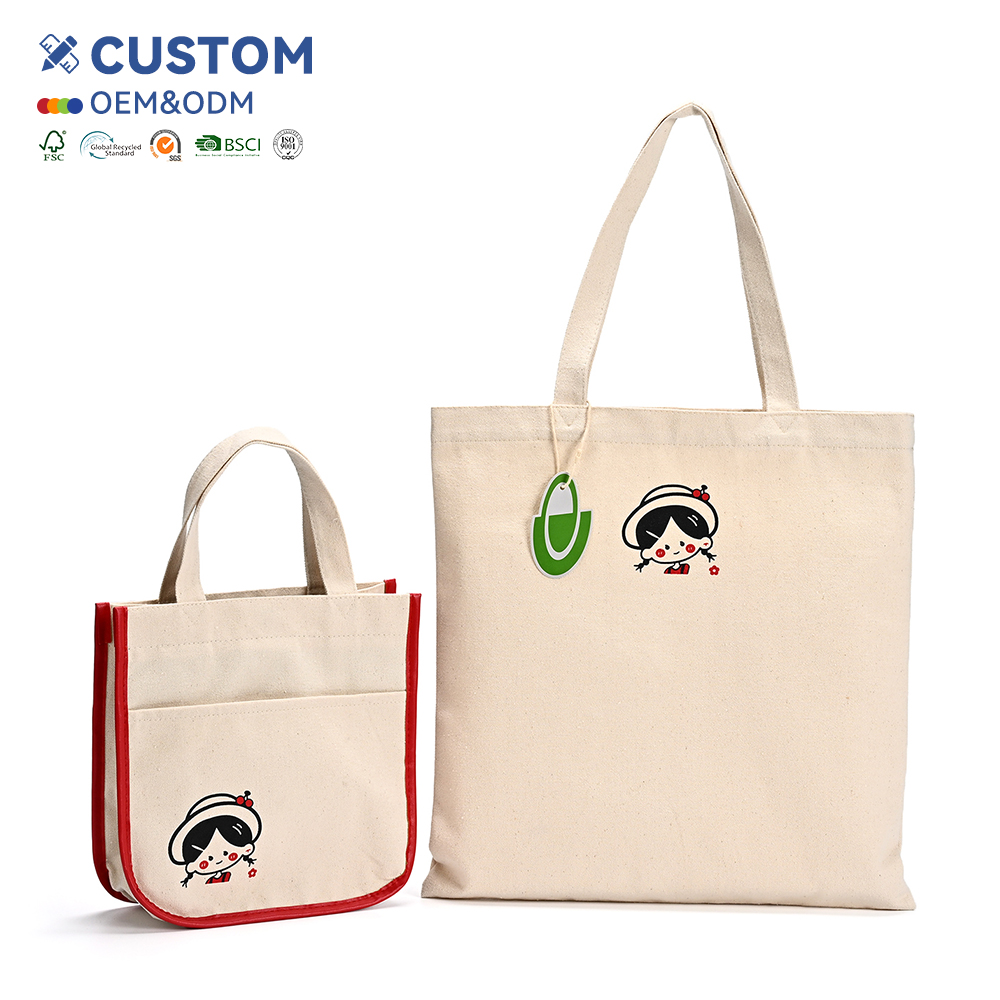
Choosing the right cotton bag for a beach outing or outdoor adventure is not as simple as grabbing the first tote you find. A cotton bag must balance capacity, durability, comfort, and practicality depending on where you are going and what you plan to carry. Whether you are heading to a sandy shoreline, a lakeside picnic, or a weekend hiking trail, the right cotton bag can make every trip smoother and more enjoyable. Understanding the key selection factors before you buy ensures that your cotton bag serves your actual needs rather than creating extra frustration.
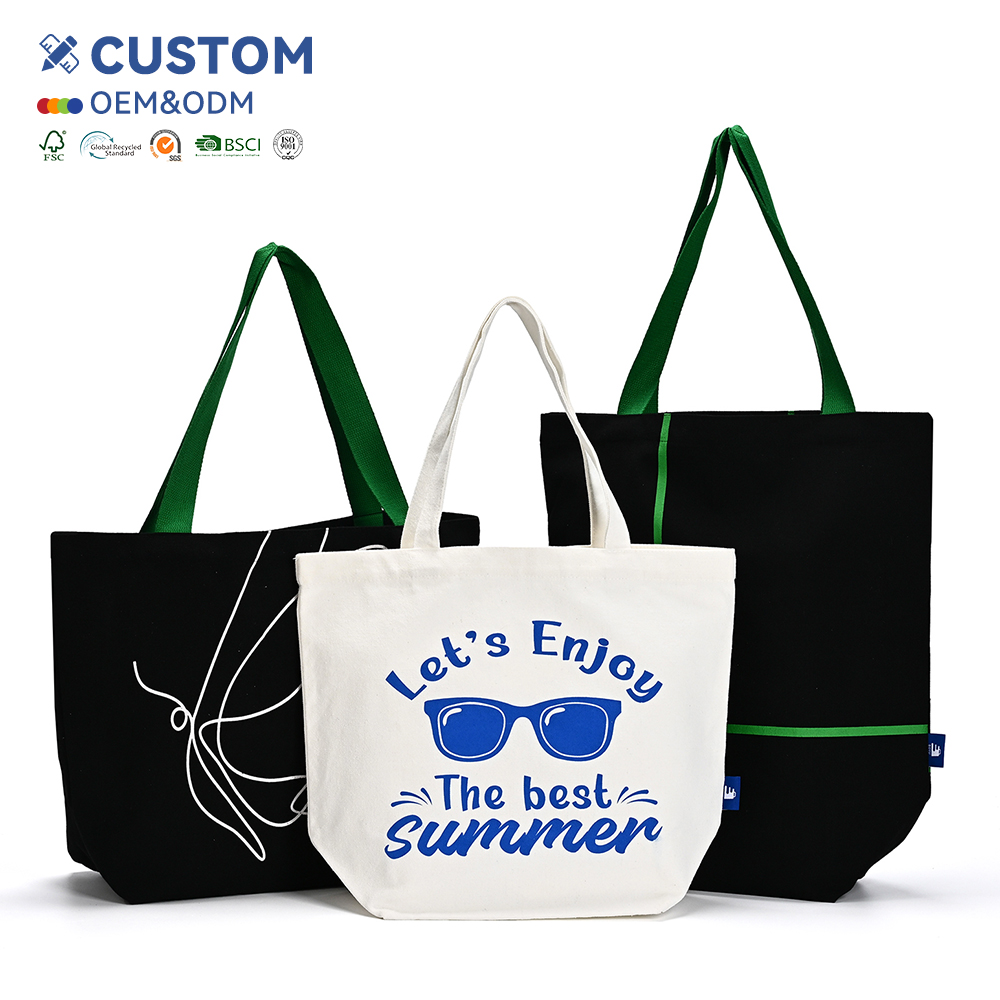
The market offers a wide variety of cotton bag styles, sizes, and constructions, which makes the selection process both flexible and occasionally overwhelming. A well-chosen cotton bag supports your outdoor lifestyle without adding unnecessary bulk or weight. In this guide, we break down the most important considerations to help you match your cotton bag choice to your specific outdoor setting, activity type, and personal carrying preferences. By the end, you will have a clear framework for selecting the cotton bag that fits your needs perfectly every time.
Understanding Cotton Bag Materials and Construction Quality
Why Cotton Fabric Weight Matters for Outdoor Use
Not every cotton bag is built the same way, and fabric weight plays a critical role in how well a cotton bag performs outdoors. A lightweight cotton bag made from thin canvas may feel comfortable but can tear under the weight of wet towels, water bottles, and sunscreen. A heavier cotton bag woven from thick canvas or reinforced cotton twill offers far greater load-bearing strength, making it a smarter choice for beach days that involve multiple items. When evaluating a cotton bag, always check the fabric weight in grams per square meter, as a higher rating typically indicates a more durable cotton bag for demanding outdoor use.
Stitching quality is equally important when selecting a reliable cotton bag. Double-stitched seams and reinforced stress points at the handles extend the life of any cotton bag significantly. A cotton bag with weak stitching may look fine when empty but will fail quickly once loaded with gear. Running your hand along the seams of a cotton bag before purchasing gives you an immediate sense of its construction quality and long-term reliability.
Treated vs. Untreated Cotton Bag Options
A standard untreated cotton bag absorbs moisture readily, which can be a disadvantage near water. However, a wax-coated or water-resistant treated cotton bag offers added protection against splashes, light rain, and damp sand. For beach environments specifically, choosing a cotton bag with some level of water resistance preserves both the bag and its contents. A treated cotton bag still maintains the breathable, natural feel that makes cotton bags so appealing while adding a layer of practical outdoor protection that synthetic alternatives cannot always match in terms of comfort and sustainability.
Matching Cotton Bag Size and Style to Your Outdoor Activity
Selecting the Right Cotton Bag Capacity for Beach Trips
A beach trip typically demands more carrying capacity than a casual shopping errand, which is why choosing the correct size cotton bag matters greatly. A large open-top cotton bag with a wide base provides easy access to towels, snacks, sunscreen, and personal items without constant rummaging. For families or group outings, an oversized cotton bag with interior pockets allows for better organization and keeps essentials separated from wet gear. A standard medium cotton bag suits solo beach trips where you carry only the basics, while a compact cotton bag works well for quick visits where you bring only your wallet, phone, and a small towel.
The shape of a cotton bag also influences how comfortably it handles different terrains. A structured cotton bag with a flat bottom sits upright on sand without tipping, which is a small but meaningful convenience during a full beach day. An unstructured cotton bag may collapse when set down, making it harder to locate items quickly. Matching the cotton bag shape to your activity level ensures that the bag supports rather than disrupts your outdoor experience.
Handle Design and Carrying Comfort in a Cotton Bag
Long shoulder straps on a cotton bag allow hands-free carrying, which is especially useful when navigating beach access paths, parking areas, or outdoor markets. A cotton bag with short handles is better suited for quick trips where you only need to carry the bag from a car to a nearby location. Padded handles on a cotton bag significantly reduce hand fatigue when the bag is fully loaded, making the cotton bag more suitable for longer walks or active outdoor settings. Evaluating handle length, width, and padding before selecting your cotton bag is a step many buyers overlook but consistently appreciate once using the bag in real conditions.
Practical Features That Elevate a Cotton Bag for Outdoor Needs
Pockets, Closures, and Internal Organization in a Cotton Bag
A cotton bag designed with interior or exterior pockets simplifies outdoor organization considerably. Keeping a phone, keys, or sunscreen in a dedicated pocket of your cotton bag prevents them from getting buried under towels or clothing. A zippered closure on a cotton bag adds security in crowded beach areas and prevents small items from falling out when the cotton bag is set down or jostled. While an open-top cotton bag offers faster access, a cotton bag with a magnetic snap or drawstring closure provides peace of mind without sacrificing convenience.
Some cotton bag designs include a separate wet compartment or a removable inner liner, which is extremely practical for beach use where damp items must be kept away from dry belongings. This feature transforms a simple cotton bag into a more versatile outdoor companion. If your outdoor activities regularly involve swimming, paddling, or waterside recreation, a cotton bag with dedicated wet and dry zones is worth the modest price premium it typically carries over a basic cotton bag.
Personalization and Reusability as Selection Criteria for a Cotton Bag
One of the strongest reasons to choose a cotton bag over synthetic alternatives is its compatibility with custom printing and embroidery. A personalized cotton bag with your name, a graphic, or a meaningful design turns a functional item into a personal statement. For corporate gifting, event branding, or team outings, a customized cotton bag also serves a practical promotional purpose. Beyond personalization, a well-maintained cotton bag is washable, biodegradable, and reusable across many seasons, making it an environmentally responsible choice for outdoor enthusiasts who want their gear choices to reflect their values.
FAQ
Is a cotton bag suitable for wet beach environments?
A standard cotton bag absorbs moisture, but a treated or wax-coated cotton bag performs much better near water. For beach environments, selecting a cotton bag with water-resistant treatment or a waterproof inner lining provides practical protection for your belongings while preserving the comfort and breathability that make a cotton bag appealing.
How do I clean and maintain a cotton bag after beach use?
Most cotton bag designs are machine washable, which makes post-beach cleanup simple. Shake out sand from the cotton bag before washing, and use a gentle cycle with mild detergent. Allow the cotton bag to air dry fully before storing it to prevent mildew. Regular cleaning extends the life of your cotton bag and keeps it looking fresh across many outdoor seasons.
What size cotton bag works best for a full-day beach outing?
A large cotton bag with a capacity of at least 20 to 25 liters suits most full-day beach trips comfortably. This size cotton bag accommodates towels, a change of clothes, snacks, sunscreen, and personal items without being overly bulky. If you also need to carry children's gear or shared group supplies, consider an extra-large cotton bag or a secondary small cotton bag for overflow items.