
 EN
EN
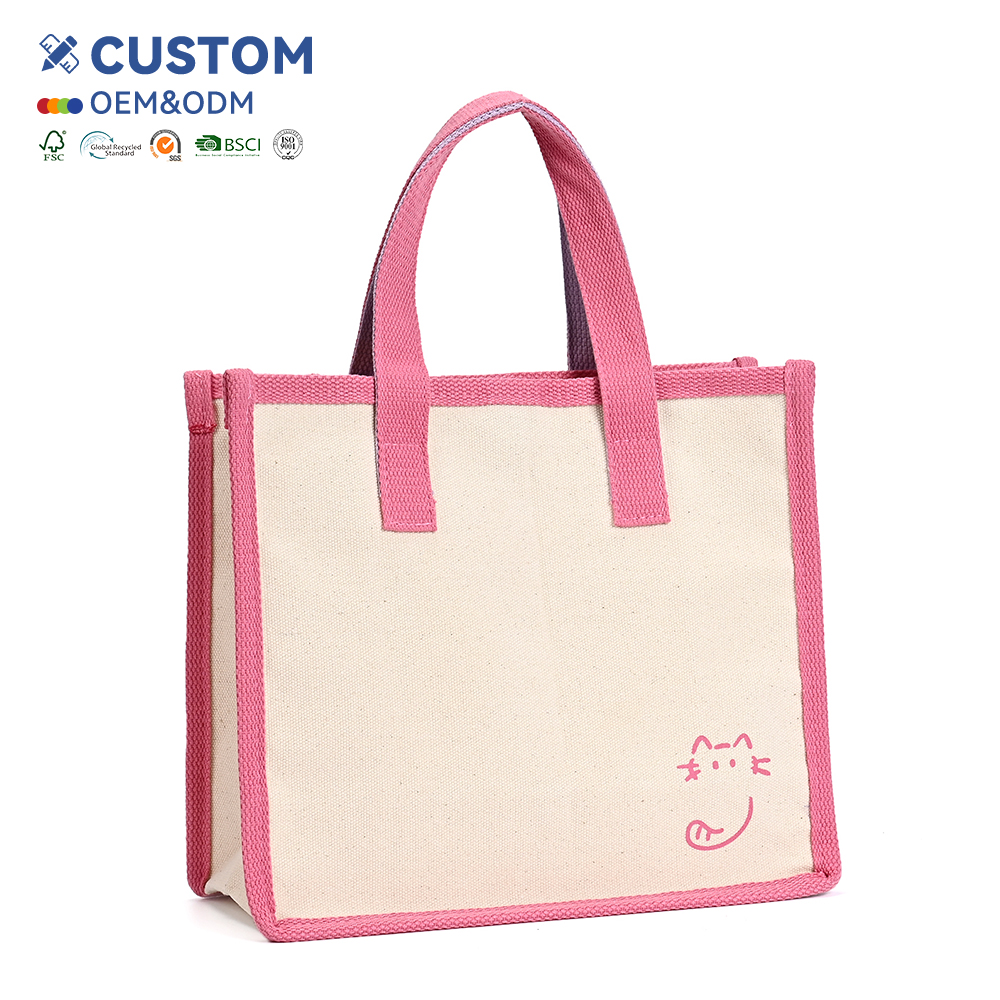
When planning a coastal vacation, the bag you carry matters more than most travelers realize. A standard cotton bag might seem like a convenient and eco-friendly choice, but the beach environment puts every cotton bag through conditions it was never designed to handle. Salt water, wet sand, sunscreen residue, and sudden rain showers can turn an ordinary cotton bag into a soggy, heavy, and unusable burden within hours of your arrival.
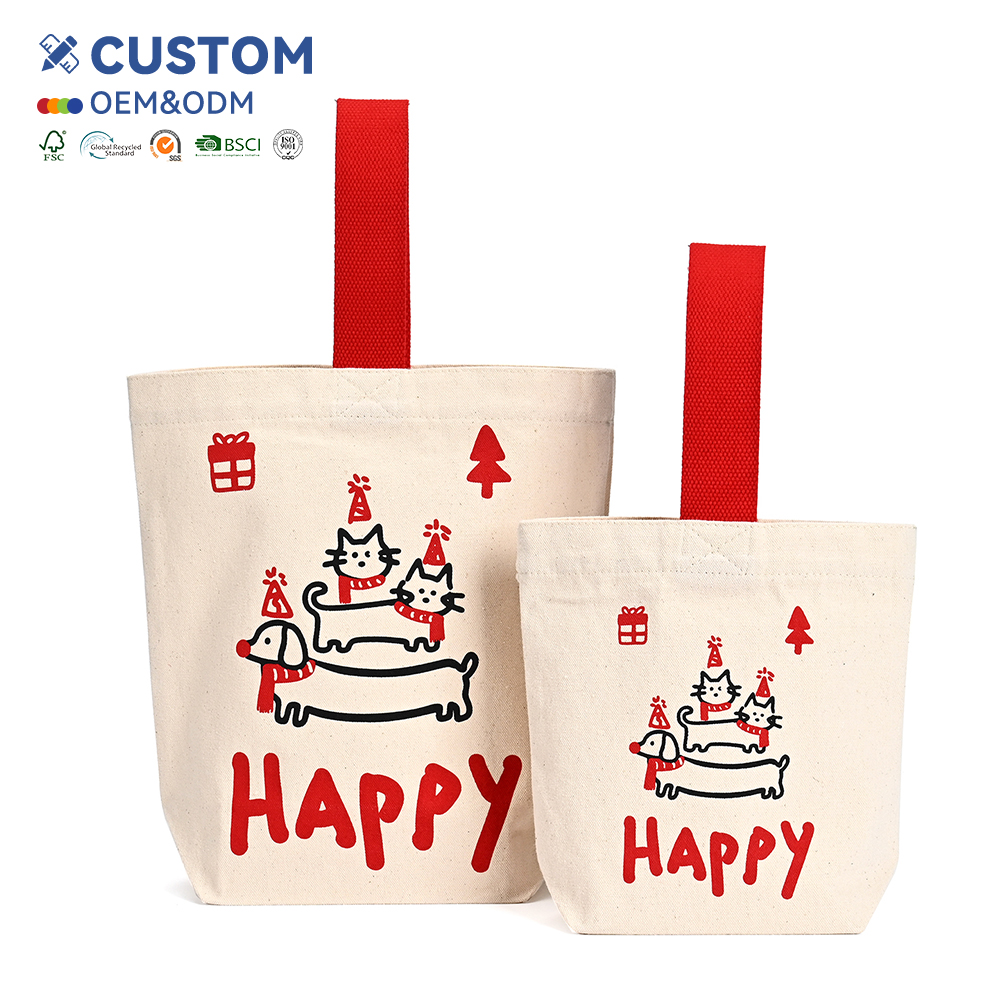
Understanding why a waterproof beach bag is essential on a coastal trip requires looking closely at the specific limitations of a cotton bag in these settings. Unlike an indoor shopping trip where a cotton bag performs well, the seaside environment introduces moisture, abrasion, and exposure that degrade a cotton bag rapidly. This article explains the core reasons why upgrading beyond a basic cotton bag is a smart decision for any beach vacation, and what features make a waterproof tote the superior choice for coastal travel.
The Limitations of a Cotton Bag at the Beach
How Moisture Destroys a Cotton Bag
A cotton bag absorbs water by its very nature. When you place a wet swimsuit, a dripping water bottle, or a damp towel inside a cotton bag, the fabric soaks through almost immediately. A saturated cotton bag becomes significantly heavier, which creates physical discomfort when carrying it across a beach. Beyond the added weight, a wet cotton bag takes hours to dry in humid coastal air, meaning your cotton bag stays damp long after you leave the water.
The moisture trapped inside a cotton bag also creates a breeding ground for mildew and bacteria. If you pack a cotton bag for a week-long coastal trip and it gets wet repeatedly, you will likely notice unpleasant odors by mid-vacation. A waterproof tote avoids this problem entirely because its surface repels moisture rather than absorbing it, keeping the interior of your bag dry regardless of the beach conditions around you. This single advantage alone makes a waterproof option far more practical than any cotton bag for beachside use.
Sand and Abrasion on a Cotton Bag
Sand is another serious enemy of the cotton bag. Fine beach sand embeds itself deeply into the woven fibers of a cotton bag and is notoriously difficult to remove. Even after shaking and brushing, a cotton bag used at the beach tends to retain gritty particles inside its seams and along its base. This trapped sand then scratches any items stored inside the cotton bag, including phone screens, sunglasses, and camera lenses.
A waterproof beach bag constructed from smooth, coated, or RPET materials has a non-porous surface that resists sand penetration. You can simply rinse a waterproof tote under running water to remove sand, whereas cleaning a cotton bag requires a full wash cycle and extended drying time. For travelers who move between the beach and other coastal destinations throughout the day, the easy-clean advantage of a waterproof bag over a cotton bag is a genuine convenience that saves time and protects valuables.
What Makes a Waterproof Beach Bag Superior
Protective Features a Cotton Bag Cannot Offer
A purpose-built waterproof beach bag includes structural features that a standard cotton bag simply does not have. Reinforced handles on a waterproof tote can support heavier loads without the stretching and tearing that affects a cotton bag under strain. Sealed seams, waterproof zippers, and coated interior linings give a waterproof bag the ability to protect electronics, documents, and dry clothing in ways that a cotton bag never could.
A cotton bag is fundamentally an open-weave fabric carrier without any water-resistant treatment. While some cotton bag products are treated with a light coating at the point of manufacture, this treatment fades after repeated washing and exposure, leaving the cotton bag vulnerable again within a season. A quality waterproof beach tote maintains its protective properties over multiple seasons of use, offering better long-term value than replacing a cotton bag every vacation.
Sustainability and the RPET Waterproof Option
Many beachgoers choose a cotton bag for environmental reasons, assuming that natural fiber is always the greener option. However, RPET waterproof totes made from recycled plastic bottles offer a compelling sustainability argument. Producing an RPET bag consumes less water and energy than growing and processing the cotton used in a cotton bag. Choosing a durable, reusable RPET waterproof tote means fewer replacements over time compared to cycling through cotton bag after cotton bag that wear out after heavy beach use.
If sustainability is important to you, a long-lasting waterproof beach bag can have a lower overall environmental footprint than a cotton bag that requires frequent replacement. The key is choosing a bag built for durability, not a disposable cotton bag that ends up in a landfill after one or two beach trips. A well-constructed waterproof tote provides years of coastal use while reducing the cumulative waste associated with replacing a worn-out cotton bag season after season.
Choosing the Right Waterproof Beach Bag
Key Features to Look For Beyond the Cotton Bag
When moving beyond a cotton bag to a waterproof beach tote, focus on a few critical features. Material matters most: look for coated polyester, TPU-laminated fabrics, or RPET with a waterproof finish rather than an untreated cotton bag. Capacity is equally important, as a beach bag needs to carry towels, sunscreen, snacks, and wet gear simultaneously, a task that quickly overwhelms a single cotton bag.
Comfort features like wide padded straps make a difference when you are carrying a full load from the parking lot to the shoreline, something a thin-strapped cotton bag handles poorly. Inner pockets and secure closures allow you to organize belongings in ways that a simple open-top cotton bag cannot. A structured base keeps a waterproof tote upright on the sand, while a cotton bag typically collapses and allows contents to spill.
Personalization and Branding Value
For businesses, resorts, or travel brands looking to offer promotional gear, a custom waterproof beach tote is a far more impressive item than a plain cotton bag. A branded waterproof tote with a printed or embroidered logo communicates quality and utility to recipients, while a cotton bag giveaway may be seen as a lower-value item. Guests who receive a durable, waterproof branded tote are more likely to use it repeatedly on actual beach trips, providing extended brand exposure that a single-use cotton bag simply cannot match.
FAQ
Can a cotton bag be used at the beach at all?
A cotton bag can technically be used at the beach for light tasks like carrying dry towels to the shore, but a cotton bag is not suited for wet conditions, heavy loads, or extended beach use. A cotton bag will absorb water, trap sand, and degrade faster in coastal environments than a purpose-made waterproof tote.
Is a waterproof beach bag more expensive than a cotton bag?
A waterproof beach bag often has a higher upfront cost than a basic cotton bag, but it offers much greater durability and protection. Over multiple seasons of beach use, a single quality waterproof tote typically costs less in total than replacing a worn cotton bag year after year.
What is the best material for a beach bag if not a cotton bag?
RPET fabric with a waterproof coating is one of the best alternatives to a cotton bag for beach use. RPET combines durability, water resistance, and sustainability, making it a strong choice for travelers who want the practical advantages of a waterproof tote without sacrificing environmental responsibility.