
 EN
EN

Canvas bags have become indispensable accessories for everyday use, combining durability with style while serving as eco-friendly alternatives to disposable shopping bags. However, many users struggle with proper maintenance, leading to premature wear, stubborn stains, and fabric deterioration that could otherwise be prevented with the right care approach. Understanding how to properly clean and maintain your canvas bag is essential for preserving its appearance, extending its lifespan, and ensuring it continues to serve your needs effectively for years to come.
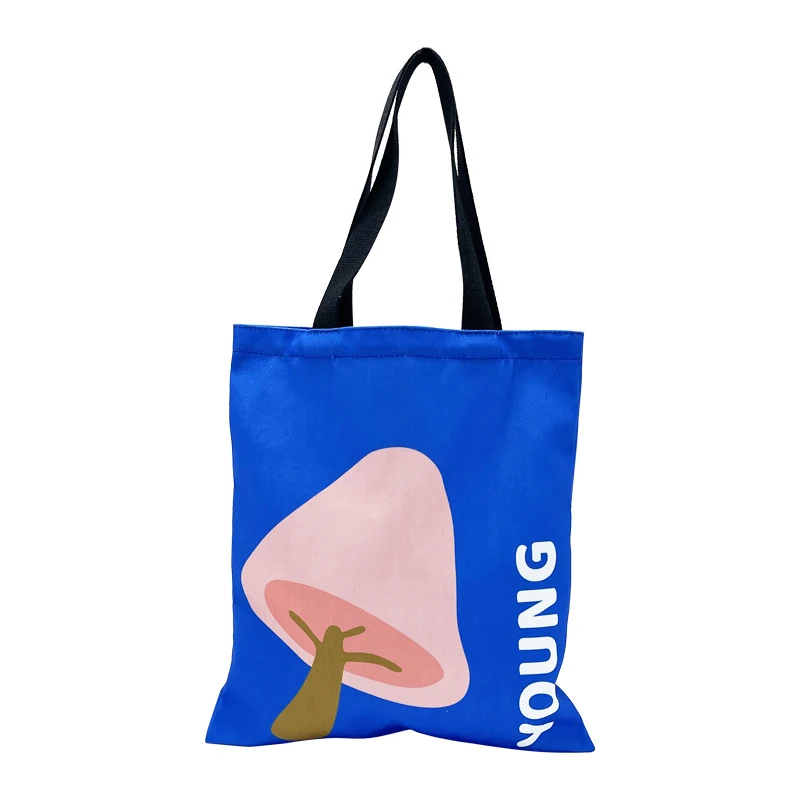
The longevity of your canvas bag depends significantly on implementing proper cleaning techniques and establishing consistent maintenance routines. Whether you use your canvas bag for shopping, work, or travel, regular care prevents the buildup of dirt, oils, and odors while maintaining the structural integrity of the fabric. By following systematic cleaning methods and adopting preventive maintenance practices, you can keep your canvas bag looking fresh and functional while avoiding costly replacements.
Understanding Canvas Bag Construction and Care Requirements
Material Composition and Durability Factors
Canvas bag construction typically involves heavy-duty cotton or cotton-blend fabrics that provide exceptional strength and longevity when properly maintained. The weave density and thread weight determine how well your canvas bag will withstand regular use and cleaning procedures. Understanding these material characteristics helps you select appropriate cleaning methods that preserve the fabric's integrity while effectively removing dirt and stains.
The natural fibers in canvas material make it breathable and comfortable to carry, but they also require specific care considerations to prevent shrinkage, color fading, and fiber damage. Quality canvas bag construction includes reinforced stitching, sturdy handles, and sometimes waterproof coatings that need specialized maintenance approaches. Recognizing these features helps you develop cleaning strategies that address the entire bag structure rather than just surface-level cleaning.
Identifying Common Wear Patterns and Problem Areas
Regular inspection of your canvas bag reveals typical wear patterns that develop over time, including handle stress points, bottom corner abrasion, and zipper area strain. These high-stress zones accumulate dirt more quickly and require focused attention during cleaning and maintenance routines. Understanding where problems typically develop allows you to implement preventive measures and address issues before they become permanent damage.
The interior of your canvas bag often shows different wear patterns than the exterior, with spills, pen marks, and lint accumulation being common issues. Pocket areas and seam joints tend to collect debris and require specialized cleaning techniques to reach embedded dirt. Identifying these problem areas during regular use helps you develop targeted maintenance strategies that address each zone's specific needs.
Step-by-Step Cleaning Procedures for Canvas Bags
Pre-Cleaning Assessment and Preparation
Before beginning any cleaning process, thoroughly inspect your canvas bag to identify stain types, fabric condition, and any structural issues that might affect cleaning methods. Remove all contents, check all pockets, and examine hardware components like zippers, buckles, and handles for damage or wear. This assessment determines whether your canvas bag requires spot cleaning, full washing, or professional treatment.
Preparation involves gathering appropriate cleaning supplies including mild detergent, soft brushes, microfiber cloths, and clean water. Test any cleaning products on an inconspicuous area first to ensure they won't cause discoloration or damage to your canvas bag. Having the right tools and materials ready streamlines the cleaning process and helps achieve better results while protecting the fabric.
Basic Hand Washing Techniques
Hand washing provides the gentlest approach for cleaning your canvas bag while maintaining complete control over water temperature, detergent concentration, and scrubbing pressure. Fill a large basin or sink with lukewarm water and add a small amount of mild, color-safe detergent specifically designed for natural fabrics. Submerge the canvas bag and allow it to soak for 10-15 minutes to loosen embedded dirt and oils.
Gently agitate the water around your canvas bag using your hands, paying special attention to heavily soiled areas without excessive scrubbing that could damage the fibers. Use a soft brush or cloth to work on stubborn stains, moving in gentle circular motions rather than harsh back-and-forth scrubbing. Rinse thoroughly with clean water until no soap residue remains, as leftover detergent can attract more dirt and cause fabric stiffness.
Machine Washing Guidelines and Precautions
Machine washing can be suitable for some canvas bag types, but requires careful attention to settings and preparation to prevent damage. Check manufacturer care labels and construction quality before attempting machine washing, as bags with leather trim, delicate hardware, or special coatings may require hand washing only. If machine washing is appropriate, use cold water on a gentle cycle with mild detergent to minimize fabric stress.
Place your canvas bag in a mesh laundry bag or pillowcase to protect it from aggressive agitation and prevent straps from tangling with other items. Wash the canvas bag separately or with similar colors to prevent dye transfer, and avoid using fabric softener which can reduce the natural texture and absorbency of canvas material. Remove the bag promptly after the wash cycle to prevent excessive wrinkling and begin the drying process immediately.
Effective Stain Removal Strategies
Treating Common Stain Types
Different stain types on your canvas bag require specific treatment approaches for effective removal without damaging the fabric. Protein-based stains like blood or sweat respond best to cold water treatment combined with enzyme-based cleaners, while oil-based stains may require pre-treatment with dish soap or specialized degreasers. Food stains often combine multiple components, necessitating a multi-step cleaning approach tailored to the specific substance.
Water-based stains like juice or coffee typically respond well to immediate cold water flushing followed by gentle detergent application. For your canvas bag, prompt treatment significantly improves stain removal success rates, as allowing stains to set makes them much more difficult to eliminate. Blot liquid spills immediately rather than rubbing, which can push the stain deeper into the fabric fibers and spread the affected area.
Natural Cleaning Solutions and Alternatives
Natural cleaning alternatives offer effective stain removal for your canvas bag while minimizing exposure to harsh chemicals that might damage the fabric or cause skin irritation. White vinegar mixed with water creates an effective solution for removing odors and light stains, while baking soda paste works well for absorbing oil-based stains and neutralizing odors. These natural options are particularly valuable for canvas bags used for food shopping or by individuals with chemical sensitivities.
Lemon juice combined with salt creates a natural bleaching action suitable for light-colored canvas bag stains, though this method should be tested carefully to avoid unwanted lightening effects. Club soda provides gentle stain lifting action for fresh spills, while cornstarch can absorb oil-based stains when applied immediately after the spill occurs. These natural solutions often require longer treatment times but offer safer alternatives for regular maintenance cleaning.
Proper Drying and Storage Methods
Air Drying Techniques for Optimal Results
Proper drying is crucial for maintaining your canvas bag's shape, preventing mildew growth, and avoiding fabric damage that can occur from excessive heat exposure. Air drying provides the safest method for most canvas bag types, allowing natural evaporation while preserving fabric integrity. Reshape your canvas bag while damp to maintain its original form, and stuff it with clean towels or paper to help it retain its structure during the drying process.
Choose a well-ventilated area away from direct sunlight, which can cause fading and fabric weakening over time. Position your canvas bag to allow air circulation around all surfaces, turning it periodically to ensure even drying. Hanging methods work well for some canvas bag styles, but ensure weight distribution doesn't stress handles or seams during the drying period.
Storage Solutions for Long-Term Preservation
Proper storage extends your canvas bag's lifespan by protecting it from dust, pests, and environmental factors that can cause deterioration during periods of non-use. Clean your canvas bag thoroughly before storage, ensuring it's completely dry to prevent mold and mildew growth. Store in a cool, dry location with adequate air circulation, avoiding damp basements or hot attics that can promote fabric degradation.
Use dust covers or breathable storage bags to protect your canvas bag from dirt accumulation while allowing air circulation. Avoid plastic storage bags that can trap moisture and promote mold growth. Stuff stored canvas bags with acid-free tissue paper or clean cotton fabric to maintain their shape and prevent creasing during extended storage periods.
Preventive Maintenance and Care Strategies
Regular Inspection and Early Intervention
Implementing regular inspection routines helps identify potential problems with your canvas bag before they develop into serious damage requiring extensive repair or replacement. Weekly visual inspections during regular use help spot loose threads, developing stains, or hardware issues that can be addressed promptly. This proactive approach prevents minor problems from becoming major failures that compromise the bag's functionality and appearance.
Check stress points like handle attachments, seam integrity, and closure mechanisms regularly, as these areas typically show wear first and benefit from early intervention. Address small tears or loose stitching immediately to prevent further damage, and treat stains promptly for easier removal. Regular maintenance attention keeps your canvas bag in optimal condition while minimizing the need for intensive cleaning or repair procedures.
Usage Habits That Extend Canvas Bag Life
Developing good usage habits significantly impacts your canvas bag's longevity and reduces the frequency of intensive cleaning requirements. Avoid overloading your canvas bag beyond its intended capacity, as excessive weight stress can cause handle failure, seam separation, and fabric stretching that permanently affects the bag's shape and functionality. Distribute weight evenly and use internal organization pockets when available to prevent concentrated stress points.
Protect your canvas bag from unnecessary exposure to harsh weather, abrasive surfaces, and chemical substances that can cause premature wear or staining. Rotate between multiple canvas bags when possible to allow each one to rest and recover between uses, reducing overall wear patterns. Store sharp objects carefully to prevent punctures or cuts, and keep food items in sealed containers to prevent spills and odor absorption.
FAQ
How often should I clean my canvas bag?
The frequency of cleaning your canvas bag depends on usage patterns and exposure to dirt or stains. For regular daily use, spot cleaning should be performed as needed, with thorough cleaning every 2-3 months. Heavy-use canvas bags may require monthly deep cleaning, while occasional-use bags might need thorough cleaning only once or twice per year. Regular inspection helps determine when cleaning is necessary based on appearance and odor rather than following a rigid schedule.
Can I put my canvas bag in the dryer?
Most canvas bags should not be placed in the dryer due to the risk of shrinkage, fabric damage, and hardware problems from high heat exposure. Air drying provides the safest method for preserving your canvas bag's shape, size, and structural integrity. If you must use machine drying due to weather conditions, use the lowest heat setting for the shortest possible time, but air drying remains the recommended approach for optimal results.
What should I do if my canvas bag develops a persistent odor?
Persistent odors in canvas bags often result from bacteria growth or absorbed substances that require specialized treatment beyond regular cleaning. Create a solution of white vinegar and water (1:1 ratio) and spray or wipe the interior and exterior surfaces, allowing it to air dry completely. For stubborn odors, sprinkle baking soda inside the bag and let it sit overnight before vacuuming it out, then follow with vinegar treatment if needed.
Is it safe to use bleach on my canvas bag?
Regular household bleach should generally be avoided on canvas bags as it can weaken fibers, cause discoloration, and damage any colored elements or hardware. If whitening is necessary for light-colored canvas bags, use oxygen-based bleaches designed for natural fabrics, but always test on an inconspicuous area first. Natural alternatives like lemon juice and sun exposure provide safer whitening options that won't compromise the fabric integrity of your canvas bag.