 EN
EN
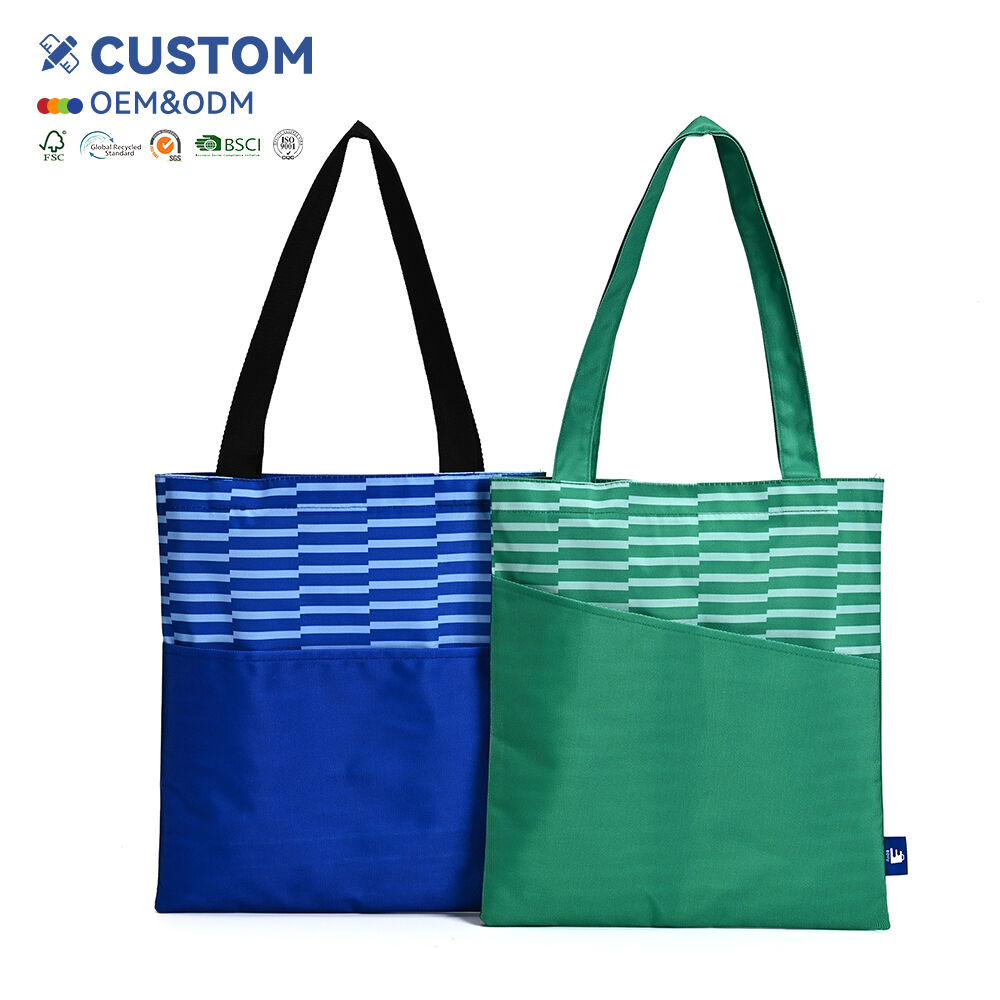
Customizing a polyester bag for promotional campaigns requires a strategic approach that balances branding objectives, production capabilities, and budget considerations. As businesses increasingly seek sustainable and cost-effective promotional items, the polyester bag has emerged as a versatile solution that combines durability with extensive customization options. Understanding the technical aspects of customization—from material selection and printing techniques to design optimization and supplier collaboration—enables marketing teams to create promotional products that not only carry brand messaging but also deliver practical value to recipients, ensuring long-term brand visibility and positive customer associations.
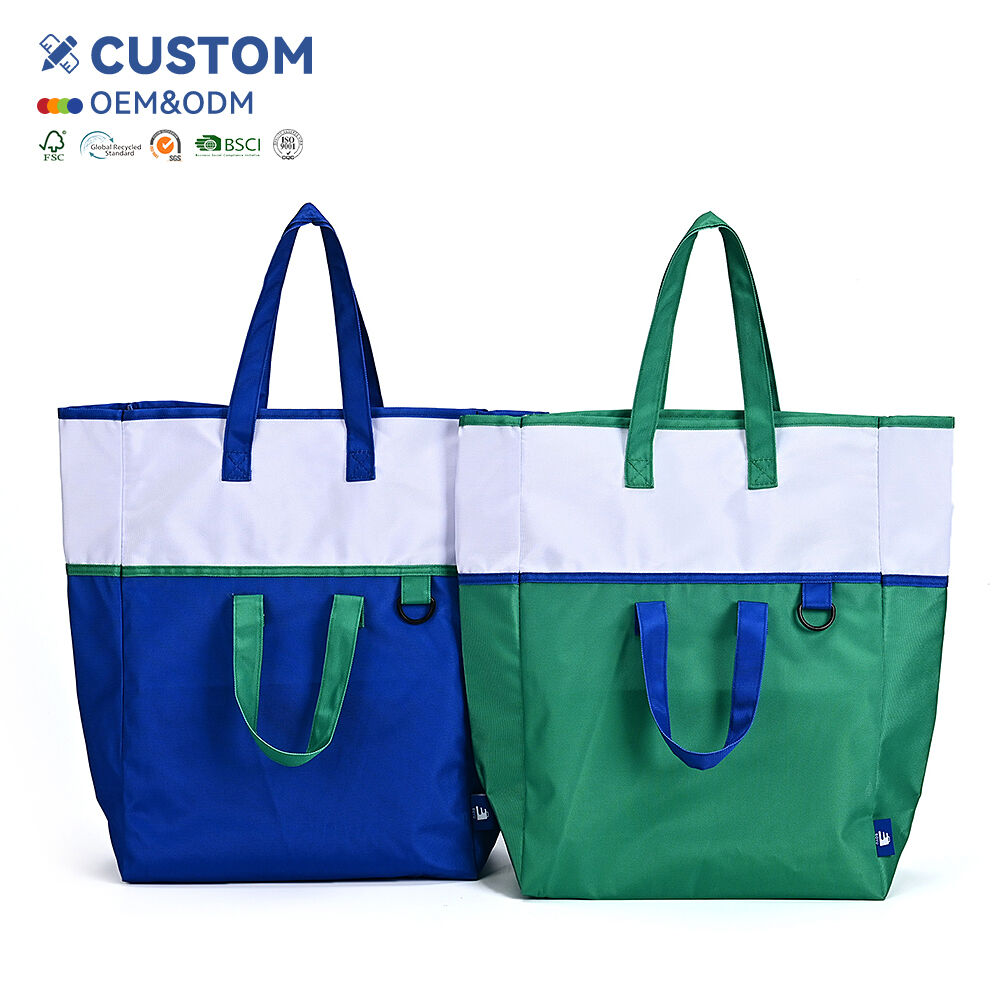
The customization process involves multiple decision points that directly impact the final product's effectiveness as a promotional tool. From selecting the appropriate polyester fabric grade and weight to determining the optimal printing method for your logo and messaging, each choice influences production costs, lead times, and the overall impression your promotional polyester bag makes on potential customers. This comprehensive guide walks through the entire customization workflow, providing actionable insights for businesses planning promotional campaigns with customized polyester bags as their primary giveaway or merchandise item.
Understanding Polyester Bag Material Options for Promotional Use
Selecting the Right Polyester Fabric Weight and Density
The foundation of any successful polyester bag customization project begins with selecting the appropriate fabric specification. Polyester fabrics used in promotional bags typically range from 70D to 600D denier, with the denier number indicating the thickness and durability of the material. For standard promotional campaigns where the polyester bag will be used for light carrying purposes such as trade show materials or retail purchases, a 190T to 210D polyester fabric provides an excellent balance between cost-effectiveness and perceived quality. These lighter-weight options allow for vibrant color reproduction and detailed logo printing while maintaining sufficient strength for everyday use.
For promotional campaigns targeting outdoor events, grocery shopping alternatives, or heavy-duty applications, specifying a heavier polyester bag construction between 300D and 600D ensures longevity and demonstrates your brand's commitment to quality. The increased fabric density provides enhanced tear resistance and allows the bag to carry heavier items without structural failure. When working with suppliers, clearly communicate the intended use case for your promotional polyester bag to ensure the material specification aligns with recipient expectations and actual usage patterns, preventing premature wear that could negatively impact brand perception.
Choosing Between Virgin and Recycled Polyester Materials
Modern promotional campaigns increasingly emphasize sustainability credentials, making the choice between virgin and recycled polyester materials a significant branding decision. Recycled polyester, typically manufactured from post-consumer PET bottles, offers comparable performance characteristics to virgin polyester while supporting environmental messaging that resonates with eco-conscious consumers. When customizing a polyester bag from recycled materials, brands can incorporate this sustainability story into their promotional messaging, adding value beyond the functional aspects of the product itself.
The customization process for recycled polyester bags follows similar technical pathways as virgin polyester, with printing and decoration methods yielding comparable results. However, the base fabric may exhibit subtle textural differences that some brands leverage as a distinctive characteristic signaling environmental responsibility. Work with your supplier to obtain physical samples of both virgin and recycled polyester bag options, evaluating them under your specific printing and customization requirements before committing to large production runs for promotional distribution.
Evaluating Coated Versus Uncoated Polyester Options
Polyester bag materials often receive additional coatings that modify their performance characteristics and aesthetic appearance. Common coating options include PVC lamination for water resistance, PU coatings for a softer hand feel, or specialized treatments that enhance printing adhesion and color vibrancy. For promotional campaigns requiring weather-resistant bags—such as outdoor events, beach promotions, or rainy-season distributions—specifying a coated polyester bag ensures contents remain protected while maintaining the integrity of your printed branding elements.
Uncoated polyester fabrics offer a more natural textile appearance and may be preferred for promotional campaigns emphasizing organic or eco-friendly positioning. These materials typically accept certain printing methods more readily and can be more cost-effective for large-volume promotional orders. The customization decision between coated and uncoated polyester should align with your campaign's environmental conditions, brand aesthetic preferences, and budget parameters, with each option offering distinct advantages depending on your specific promotional objectives.
Selecting Optimal Printing and Decoration Methods
Screen Printing for High-Volume Promotional Orders
Screen printing remains the most cost-effective customization method for promotional polyester bag orders exceeding 500 units, offering excellent color opacity and durability at competitive per-unit costs. This traditional printing technique excels at reproducing solid colors and bold graphics, making it ideal for logos with limited color palettes and clear, defined edges. The screen printing process for polyester bag customization typically involves creating individual screens for each color in your design, with setup costs amortized across the total order quantity.
When planning screen-printed customization for promotional campaigns, design your artwork with color separation in mind, limiting your palette to three or four distinct colors to control costs while maintaining visual impact. The ink used in screen printing penetrates the polyester fibers and cures through heat application, creating a durable bond that withstands repeated use and washing—essential qualities for promotional items intended to provide extended brand exposure. Communicate with your supplier about ink formulations, as certain specialty inks can add texture, reflective properties, or other distinctive characteristics that differentiate your promotional polyester bag from standard offerings.
Heat Transfer Printing for Complex Graphics and Photographic Images
Heat transfer printing offers superior flexibility for promotional polyester bag designs featuring photographic elements, gradients, or complex multi-color artwork that would be cost-prohibitive using screen printing methods. This customization technique involves printing your design onto special transfer paper or film, then applying heat and pressure to bond the image permanently to the polyester fabric surface. Heat transfer methods accommodate full-color designs without per-color charges, making them economically viable for promotional campaigns requiring detailed visual reproduction or smaller order quantities where screen printing setup costs become prohibitive.
The durability of heat transfer customization on polyester bags depends significantly on the specific transfer method employed—with options including plastisol transfers, sublimation transfers, and vinyl heat transfer each offering different performance characteristics. For promotional campaigns where bags will experience frequent use and washing, specify heat transfer methods with proven wash-fastness ratings and conduct pre-production testing to verify that your customized design maintains integrity throughout the bag's expected lifespan. This quality assurance step prevents customer disappointment and protects your brand reputation when distributing promotional polyester bags as marketing tools.
Embroidery for Premium Positioning and Tactile Impact
Embroidered customization elevates promotional polyester bags into premium territory, adding dimensional texture and perceived value that distinguishes your campaign from standard printed alternatives. The embroidery process involves stitching your logo or design directly into the polyester fabric using specialized industrial equipment, creating a permanent decoration that communicates quality and attention to detail. This customization method works particularly well for promotional campaigns targeting professional audiences, corporate gifting programs, or brand activations where perceived value influences recipient engagement and retention.
When specifying embroidery for polyester bag customization, work closely with digitization specialists to optimize your logo for the stitch-based reproduction process, simplifying complex details that may not translate effectively at typical promotional sizing scales. Embroidery pricing typically depends on stitch count rather than color quantity, with simpler designs offering cost advantages while maintaining the premium aesthetic benefits. Consider combining embroidered branding elements with other customization techniques—such as embroidered logos paired with printed promotional messaging—to balance visual impact, production costs, and perceived value across your promotional polyester bag campaign.
Designing Effective Brand Elements for Maximum Promotional Impact
Optimizing Logo Placement and Sizing
Strategic logo placement on your customized polyester bag determines visibility during use and influences brand recall among both recipients and observers who encounter the bag in public settings. Front-center placement offers maximum visibility when the bag is carried or displayed, while side panel customization ensures branding remains visible from multiple viewing angles. For promotional campaigns prioritizing subtle brand integration, consider interior pocket placements or bottom panel locations that surprise and delight recipients during use without overwhelming the bag's aesthetic design.
Logo sizing on promotional polyester bags requires balancing brand visibility with design sophistication, avoiding overly aggressive branding that may reduce recipient willingness to use the bag in public settings. Industry experience suggests that logos sized between 4 and 8 inches in their largest dimension strike an effective balance for standard shopping-sized polyester bags, providing clear brand recognition without dominating the overall design. Test your proposed customization design by creating full-scale mockups or requesting pre-production samples from your supplier, evaluating the visual impact under realistic viewing conditions before approving final production for your promotional campaign.
Incorporating Campaign-Specific Messaging and Taglines
Beyond permanent brand identifiers, customized promotional polyester bags offer opportunities to communicate campaign-specific messaging, event information, or calls-to-action that drive specific marketing objectives. When adding text elements to your polyester bag design, select fonts with excellent readability at small sizes and sufficient stroke weight to reproduce clearly using your chosen customization method. Campaign taglines, website URLs, or social media handles can transform a simple promotional bag into an active marketing tool that drives measurable engagement and provides trackable ROI beyond basic brand exposure.
Consider the longevity implications when adding time-sensitive messaging to promotional polyester bags intended for extended use. While event-specific customization creates immediate relevance and collectible appeal, overly dated messaging may reduce long-term usage and brand exposure. Strike a balance by incorporating timeless brand messaging as primary design elements while relegating campaign-specific information to secondary positions or removable elements such as hang tags that preserve the bag's utility beyond the immediate promotional event.
Selecting Color Schemes That Enhance Brand Recognition
Color selection for customized polyester bags directly impacts both production costs and marketing effectiveness, with strategic choices enhancing brand recognition while controlling customization expenses. Base fabric colors represent the first decision point, with standard polyester bag offerings typically available in black, navy, red, green, and natural tones at competitive pricing, while custom-dyed fabrics for specific Pantone matches incur additional costs and minimum order requirements. For promotional campaigns with flexible budgets and strong brand color requirements, custom fabric dyeing ensures perfect color matching that reinforces brand identity across all customer touchpoints.
Printed elements on your polyester bag should leverage high-contrast color combinations that ensure visibility across diverse lighting conditions and viewing distances. Dark logos on light backgrounds or light logos on dark backgrounds provide optimal readability, while tone-on-tone customization creates sophisticated aesthetics that may sacrifice some immediate visibility for elevated design appeal. Evaluate your promotional campaign objectives—whether prioritizing maximum brand exposure or positioning within premium market segments—to determine the appropriate color strategy for your customized polyester bag project.
Managing the Production Process and Quality Control
Establishing Clear Specifications and Production Timelines
Successful polyester bag customization for promotional campaigns requires comprehensive specification documentation that eliminates ambiguity and ensures supplier alignment with your expectations. Develop detailed technical specifications covering material grade, dimensions, handle construction, closure mechanisms, printing methods, color standards, and quality acceptance criteria. Include reference images, Pantone color codes, and vector artwork files in your supplier communications, establishing a clear foundation for accurate production execution that minimizes revision cycles and prevents costly mistakes in large promotional orders.
Production timelines for customized polyester bags typically span 30 to 60 days from artwork approval to delivery, depending on order quantity, customization complexity, and supplier capacity. Factor in additional time for sample approval cycles, potential revisions, and international shipping when planning promotional campaigns around specific event dates or seasonal marketing windows. Establish milestone-based communication protocols with your supplier, requesting progress updates at key production stages to identify potential delays early and implement contingency plans that protect your campaign timeline and marketing commitments.
Implementing Sample Approval and Pre-Production Testing
Pre-production sampling represents the most critical quality control checkpoint in the polyester bag customization process, providing tangible verification that supplier interpretation aligns with your design intentions before committing to full production runs. Request physical samples showing your exact customization design, material specifications, and construction details, evaluating them against your established quality criteria and intended promotional use cases. Distribute samples among key stakeholders, gathering feedback on functionality, aesthetic appeal, and brand representation to identify necessary refinements before approving mass production.
Conduct practical testing on pre-production polyester bag samples, subjecting them to realistic usage scenarios including weight loading, repeated folding, and simulated wear conditions. For promotional campaigns where bags will carry specific product categories or weights, load test samples to verify structural integrity and identify potential failure points that could compromise user experience and brand perception. Document any required modifications clearly, requesting revised samples when significant changes are necessary to ensure final production accurately reflects approved specifications and meets your promotional campaign quality standards.
Establishing Quality Acceptance Criteria for Large Orders
Large promotional polyester bag orders require clearly defined quality acceptance criteria that balance perfection with commercial reality, acknowledging that minor variations inherent in mass production should not trigger complete order rejection. Establish acceptable tolerance ranges for customization placement accuracy, color matching, stitch quality for embroidered elements, and print registration, documenting these standards in your purchase agreement to provide objective evaluation frameworks when inspecting delivered goods. Industry-standard acceptance rates typically allow for 2-5% defect rates in promotional product orders, with specific definitions of what constitutes a defect versus acceptable production variation.
Implement third-party inspection services for high-value promotional polyester bag orders, particularly when working with overseas suppliers where direct factory visits may be impractical. Professional inspection companies provide detailed reports documenting production quality, packaging standards, and compliance with your specifications, offering independent verification before goods ship from the factory. This quality control investment protects against receiving substandard promotional items that could damage brand reputation and waste marketing budgets, while providing leverage for addressing quality issues before products distribute to campaign recipients.
Maximizing Promotional Impact Through Strategic Distribution
Aligning Bag Specifications With Target Audience Preferences
Effective promotional polyester bag campaigns begin with audience research that informs customization decisions, ensuring the final product resonates with recipient preferences and usage patterns. Professional audiences may value refined aesthetics with subtle branding, while consumer-focused promotions might benefit from bold designs and functional features such as multiple pockets or reinforced handles. Survey existing customers or conduct focus groups to gather insights on preferred bag styles, sizes, and features, using this intelligence to guide customization choices that increase actual usage rates and extend brand exposure beyond the initial distribution event.
Consider demographic factors when customizing polyester bags for specific promotional campaigns, adapting size, color, and functionality to match target audience lifestyles. Compact foldable designs appeal to urban professionals with limited storage space, while larger capacity bags serve grocery-shopping or beach-going audiences more effectively. The customization decisions that enhance practical utility directly correlate with usage frequency, transforming promotional polyester bags from one-time giveaways into functional items that generate ongoing brand impressions throughout their service life.
Coordinating Distribution Timing With Campaign Objectives
Strategic timing of promotional polyester bag distribution amplifies campaign impact by aligning with seasonal needs, relevant events, or behavioral triggers that increase immediate adoption and usage. Distributing reusable shopping bags during environmental awareness campaigns or plastic bag ban implementations positions your brand as a timely solution provider, while trade show distributions ensure immediate utility for carrying vendor materials and show swag. Coordinate your customization production schedule to deliver finished polyester bags well in advance of distribution dates, allowing time for quality verification and logistical preparation that prevents last-minute complications.
Consider phased distribution strategies for extended promotional campaigns, customizing different polyester bag variations for sequential releases that maintain audience engagement and create collectible appeal. Limited-edition designs, seasonal colorways, or campaign-milestone commemorative versions transform standard promotional items into desired objects that recipients actively seek and retain. This strategic approach maximizes the return on your customization investment by generating sustained interest and repeated brand touchpoints throughout the promotional campaign lifecycle.
Measuring Promotional Effectiveness and Campaign ROI
Implement tracking mechanisms in your customized polyester bag design that enable measurement of promotional campaign effectiveness and marketing return on investment. Incorporate unique QR codes linking to campaign-specific landing pages, promotional codes that track conversion attribution, or survey invitations that gather recipient feedback and usage data. These measurement tools transform polyester bags from passive brand carriers into active marketing instruments that generate actionable intelligence for optimizing future promotional campaigns and justifying continued investment in customized merchandise programs.
Track qualitative metrics such as social media mentions, user-generated content featuring your branded bags, and anecdotal feedback from sales teams or customer service interactions that indicate promotional reception and brand sentiment. Combine these soft metrics with quantitative data on redemption rates, website traffic patterns, and sales correlations to develop comprehensive understanding of how customized polyester bag campaigns contribute to broader marketing objectives. Document learnings from each campaign, creating an optimization framework that continuously improves customization decisions, design approaches, and distribution strategies for subsequent promotional initiatives.
FAQ
What is the minimum order quantity typically required for customized promotional polyester bags?
Minimum order quantities for customized polyester bags vary by supplier and customization method, with typical ranges from 500 to 1,000 units for screen-printed designs and potentially lower minimums of 100 to 250 units for heat transfer or digital printing methods. Embroidered customization often requires higher minimums due to setup costs associated with digitizing designs and programming industrial embroidery equipment. When planning promotional campaigns, balance the economies of scale achieved with larger orders against storage costs, distribution timelines, and the risk of design obsolescence for campaign-specific messaging.
How long does the customization and production process take for promotional polyester bags?
Standard production timelines for customized polyester bags range from 30 to 60 days from final artwork approval to delivery, depending on order complexity, quantity, and supplier production capacity. This timeline includes material sourcing, customization execution, quality inspection, and shipping logistics. Rush production options may be available for expedited campaigns at premium pricing, potentially reducing timelines to 15 to 20 days for simpler designs and moderate quantities. Always factor in additional buffer time for sample approval rounds, potential revisions, and unforeseen production delays when planning promotional campaigns around specific event dates.
Can I customize polyester bags with full-color photographic images or complex gradients?
Full-color photographic images and complex gradient designs can be effectively reproduced on polyester bags using heat transfer printing methods, sublimation techniques for light-colored polyester fabrics, or advanced digital printing technologies. These customization approaches accommodate unlimited colors and fine detail reproduction without the per-color cost increases associated with traditional screen printing. However, the durability and wash-fastness of complex graphic customization depends on the specific printing technology employed, making pre-production testing essential for promotional bags intended for frequent use and laundering.
What factors most significantly impact the unit cost of customized promotional polyester bags?
The primary cost drivers for customized polyester bags include base material specifications, order quantity, customization method complexity, number of print colors or embroidery elements, and any special features such as custom sizing, reinforced construction, or additional pockets and compartments. Higher fabric densities and recycled polyester materials typically command premium pricing compared to standard virgin polyester options. Customization costs decrease significantly on a per-unit basis as order quantities increase due to setup cost amortization, making larger promotional orders substantially more cost-effective than small-batch productions.
Table of Contents
- Understanding Polyester Bag Material Options for Promotional Use
- Selecting Optimal Printing and Decoration Methods
- Designing Effective Brand Elements for Maximum Promotional Impact
- Managing the Production Process and Quality Control
- Maximizing Promotional Impact Through Strategic Distribution
-
FAQ
- What is the minimum order quantity typically required for customized promotional polyester bags?
- How long does the customization and production process take for promotional polyester bags?
- Can I customize polyester bags with full-color photographic images or complex gradients?
- What factors most significantly impact the unit cost of customized promotional polyester bags?