
 EN
EN
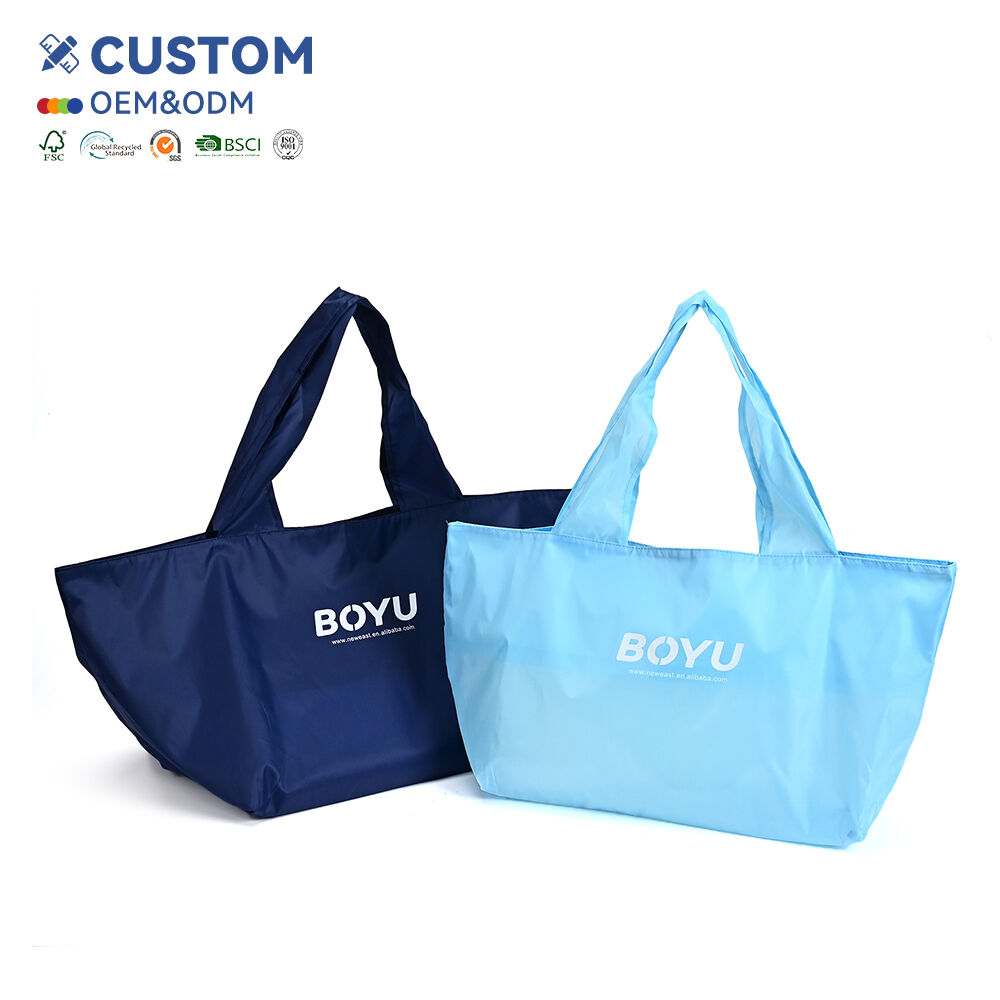
The global shift toward versatile, high-performance gear has placed synthetic textiles at the forefront of the luggage and equipment market. Among the various materials available, Polyester Bags have emerged as the industry standard for both casual travelers and serious outdoor enthusiasts. The popularity of this material is not a matter of chance; it is the result of a precise balance between chemical engineering and practical utility. As the demand for lightweight, weather-resistant, and cost-effective carrying solutions grows, polyester continues to outperform natural fibers and other synthetics in specific high-stress environments.
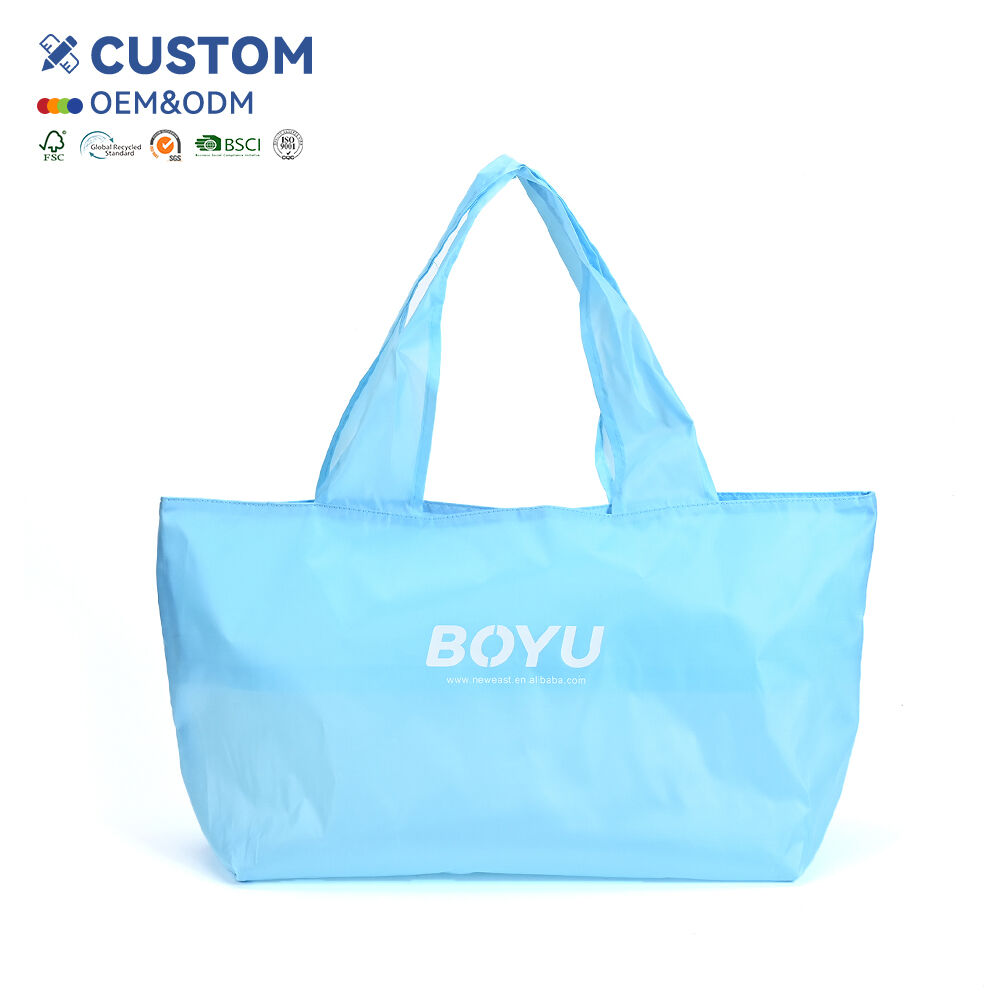
Technical Durability and Environmental Resilience
The primary factor driving the dominance of Polyester Bags is the inherent strength of the polyester fiber itself. Unlike cotton, which absorbs moisture and can rot, or nylon, which can stretch when wet, polyester is a hydrophobic material. This means the fibers do not absorb water, allowing the bag to maintain its shape and structural integrity even during a heavy downpour. For hikers and campers, this characteristic is vital because a bag that doesn't absorb water stays light, preventing the added physical strain that comes with carrying water-logged equipment.
Furthermore, polyester boasts excellent UV resistance. In the outdoor industry, gear is frequently exposed to intense sunlight for prolonged periods, which can degrade many plastics and fabrics. Polyester fibers are naturally more resistant to ultraviolet rays, ensuring that the material does not become brittle or fade prematurely. This longevity makes it an ideal choice for backpacks, duffel bags, and equipment pouches that are expected to endure years of exposure to the elements. When combined with a high denier count (the measure of fiber thickness), these bags become nearly impervious to the abrasions and tears common in rugged terrain.
| Material Feature | Performance Benefit | Outdoor/Travel Application |
| Hydrophobic Fibers | Resists water absorption and dries rapidly | Essential for rain-exposed hiking packs |
| High Tensile Strength | Resists stretching and sagging under heavy loads | Critical for multi-day travel rucksacks |
| UV Stability | Prevents color fading and fiber degradation | Ideal for long-term outdoor expeditions |
| Wrinkle Resistance | Maintains professional appearance after packing | Perfect for business travel and carry-ons |
| Chemical Resistance | Withstands contact with oils and common solvents | Useful for industrial and technical gear bags |
Cost-Efficiency and Manufacturing Versatility
From a manufacturing perspective, Polyester Bags offer a level of versatility that is difficult to match. The fabric can be woven into a variety of textures, from smooth, high-sheen finishes used in fashion-forward travel totes to the rugged, "ripstop" grids found in high-end tactical gear. This adaptability allows brands to design specialized bags for every niche—be it a sleek laptop bag for a digital nomad or a heavy-duty storage bag for climbing ropes. Because polyester is a synthetic polymer, it is also highly receptive to specialized coatings, such as Polyurethane (PU) or Polyvinyl Chloride (PVC), which further enhance its waterproofing capabilities.
Price point remains a significant driver for the popularity of this material in the commercial sector. Polyester is generally more affordable to produce than nylon or leather, allowing manufacturers to offer high-quality, durable goods at a price that is accessible to the general public. This cost-efficiency does not imply a lack of quality; rather, it reflects a streamlined production process. For travel companies providing bulk gear or for outdoor retailers looking to offer value-driven options, polyester provides a reliable performance-to-cost ratio that ensures both the brand and the consumer receive maximum value from the investment.
Maintenance, Hygiene, and Long-Term Ownership
The lifecycle of a product is a major consideration for modern consumers, and Polyester Bags excel in the category of low-maintenance ownership. Because the fibers are resistant to mold, mildew, and many common stains, these bags are significantly easier to clean than their organic counterparts. In the context of travel, where bags are often placed on dirty airport floors or stowed in damp cargo holds, the ability to simply wipe down a bag with a damp cloth to remove grime is a major convenience.
Hygiene is another critical advantage in the outdoor sector. Backpacks used for trekking often accumulate sweat and organic debris, which can lead to bacterial growth in porous fabrics. Polyester’s dense, non-porous structure inhibits the deep penetration of bacteria, making it easier to keep the gear smelling fresh and appearing clean. This ease of care, combined with the material’s ability to hold vibrant dyes without bleeding, ensures that a polyester bag retains its "store-bought" look for a significantly longer duration than bags made from natural canvas or blended fibers. Whether it is a student's daily backpack or a professional's expedition kit, the resilience of polyester ensures that the gear remains functional and aesthetically pleasing through countless journeys.
Frequently Asked Questions
What does "Denier" mean when looking at polyester bags?
Denier (often abbreviated as "D") is a unit of measure that describes the linear mass density of the fibers. In simpler terms, it tells you how thick and strong the fabric is. A 600D polyester bag is a standard, durable option for school or daily travel, while a 1200D or 1600D polyester is an ultra-tough material used for heavy-duty outdoor gear or luggage that needs to withstand rough handling by airport staff.
Is polyester as strong as nylon for outdoor use?
While nylon has a slightly higher strength-to-weight ratio and more elasticity, polyester is often preferred for specific outdoor applications because it does not stretch when wet and has superior UV resistance. Nylon can sag and lose its shape if it gets soaked, whereas a polyester bag remains taut. For most travelers and hikers, the difference in strength is negligible, but the weather resistance of polyester is a distinct advantage.
Are polyester bags environmentally friendly?
Many modern bags are now made from rPET (recycled Polyethylene Terephthalate), which is created by recycling plastic water bottles into high-quality fabric. This process reduces plastic waste in landfills and requires less energy than producing virgin polyester. If environmental impact is a priority, look for bags specifically labeled as "recycled polyester" or "rPET."
How should I clean my polyester travel bag?
Most polyester bags can be cleaned using lukewarm water and a mild detergent. For surface stains, a soft brush or cloth is usually sufficient. It is important to avoid using harsh bleach, which can damage the waterproof coatings. While some small bags may be machine washable on a gentle cycle, it is always best to air dry the bag away from direct heat to preserve the integrity of the zippers and inner linings.
Does polyester protect my electronics from rain?
By itself, polyester is water-resistant, but not fully waterproof. However, most Polyester Bags designed for travel or outdoor use include a specialized backing (like a PU coating) and DWR (Durable Water Repellent) finish on the outside. These layers work together to keep moisture out. For electronics, it is always wise to check if the bag has "taped seams" or waterproof zippers for maximum protection during intense storms.