
 EN
EN
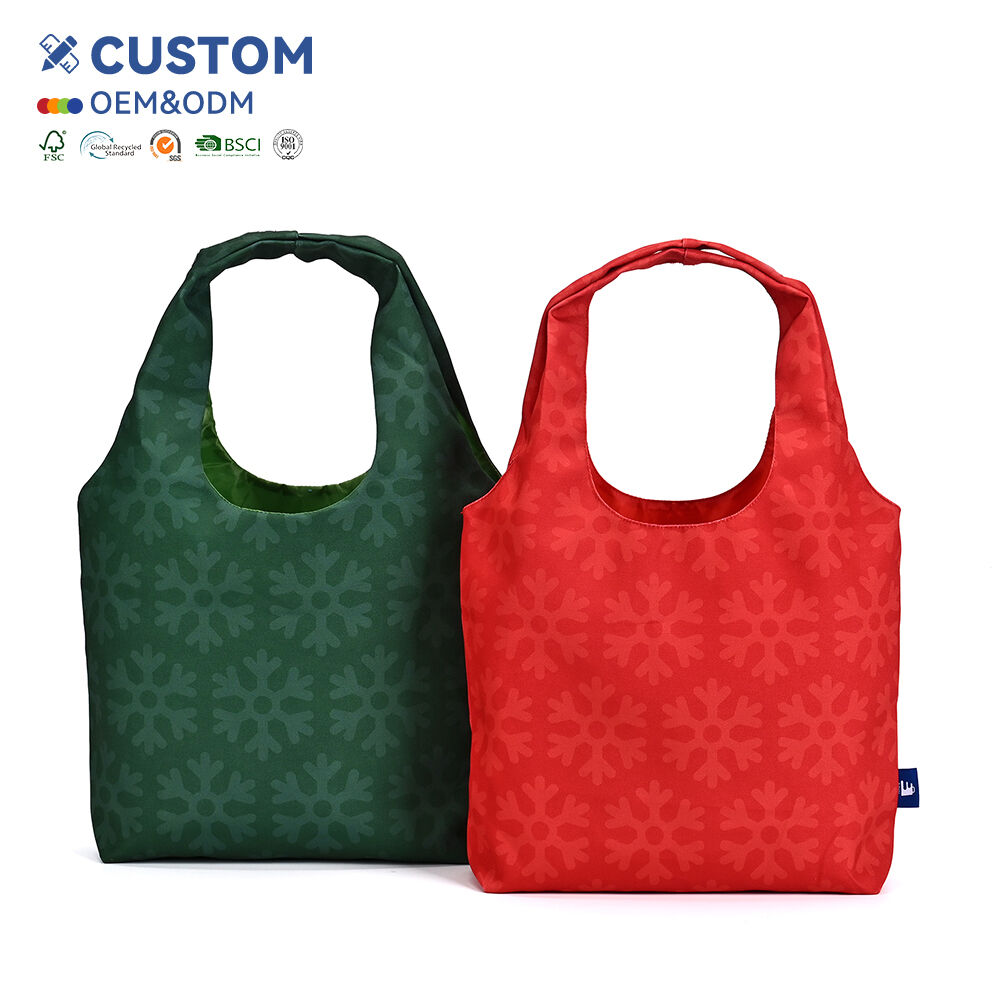
Polyester bags have become a dominant choice in both consumer and industrial markets, valued for their exceptional durability and moisture resistance. Understanding what makes a polyester bag capable of withstanding daily wear and environmental exposure requires examining the intrinsic properties of polyester fibers, the engineering techniques used in bag construction, and the protective treatments applied during manufacturing. This article explores the specific material characteristics and design factors that enable polyester bags to deliver long-lasting performance even under challenging conditions.
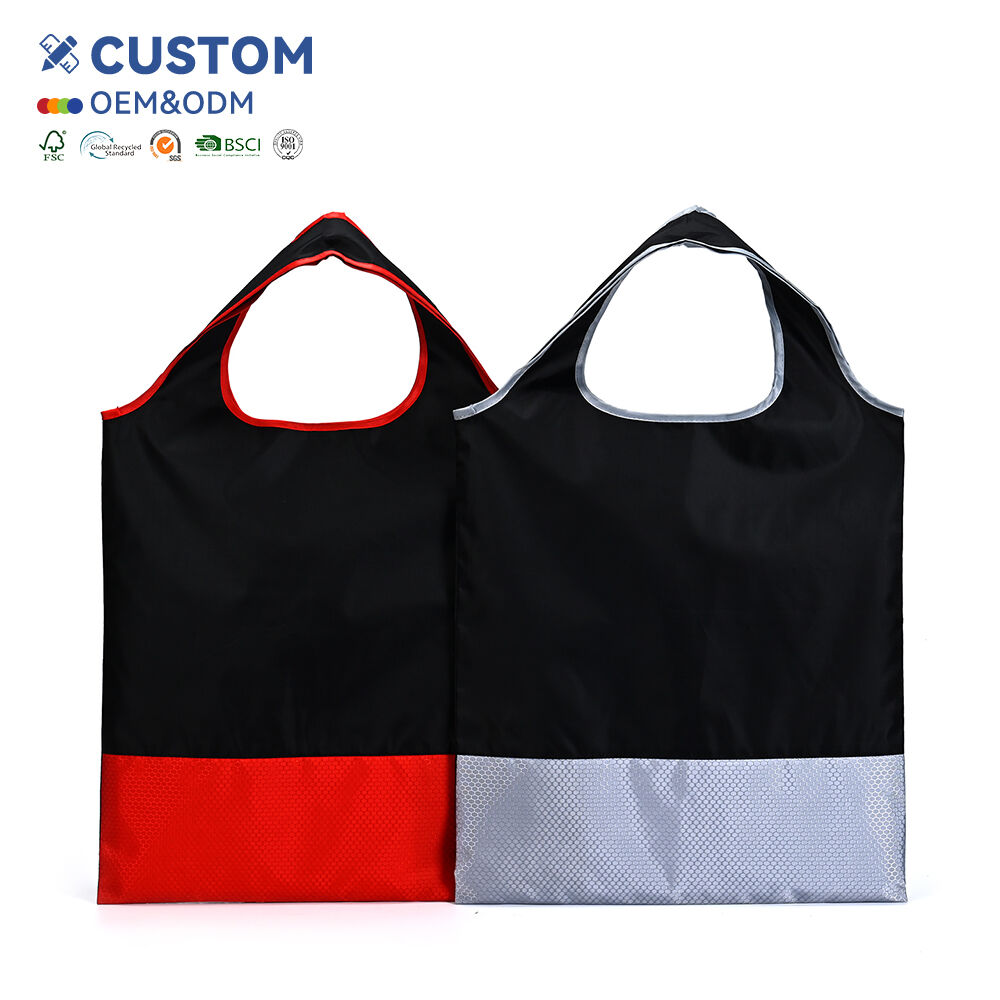
The resistance of polyester bags to wear and moisture is not accidental but rather the result of deliberate material science and manufacturing precision. From the molecular structure of polyester polymers to the weaving techniques that create dense, protective fabrics, every aspect contributes to the bag's ability to resist abrasion, water penetration, and premature degradation. For procurement professionals, designers, and end users alike, recognizing these underlying mechanisms helps in making informed decisions about product selection and application suitability across various use cases.
The Molecular Foundation of Polyester's Durability
Synthetic Polymer Structure and Its Physical Advantages
Polyester is a synthetic polymer created through the polycondensation of ethylene glycol and terephthalic acid, forming long-chain molecules known as polyethylene terephthalate or PET. This molecular structure provides inherent strength because the polymer chains are tightly bonded and highly resistant to breaking under mechanical stress. Unlike natural fibers that have shorter, more irregular molecular structures, polyester's uniform chains create a fabric with consistent tensile strength throughout the material. This uniformity translates directly into a polyester bag that can handle repeated loading, stretching, and impact without developing weak points or tears.
The aromatic rings within the polyester molecular structure contribute additional rigidity and thermal stability, enabling the material to maintain its shape and strength even when exposed to moderate heat or sunlight. This structural resilience means that a polyester bag retains its form and load-bearing capacity over time, resisting the sagging and deformation that can occur with less stable materials. The chemical stability of polyester also prevents the polymer chains from readily reacting with common environmental substances, which is crucial for maintaining long-term performance in varied conditions.
Hydrophobic Nature at the Fiber Level
One of the most important properties contributing to moisture resistance in a polyester bag is the hydrophobic character of polyester fibers themselves. At the molecular level, polyester lacks the hydroxyl groups present in natural fibers like cotton, which means water molecules cannot easily bond to the fiber surface. This intrinsic water-repellent quality ensures that moisture beads up on the fabric surface rather than penetrating into the fiber core, allowing water to roll off or evaporate quickly without being absorbed.
Because polyester fibers do not absorb significant amounts of water, the fabric does not become heavy, weak, or prone to mildew when exposed to damp conditions. This characteristic is particularly valuable in applications where a polyester bag may be used outdoors, in humid environments, or for carrying items that may occasionally leak or spill. The quick-drying nature of polyester also means that even if the bag's surface becomes wet, it recovers rapidly without long-term moisture retention that could lead to odor or material degradation.
Resistance to Chemical and Biological Attack
Polyester's synthetic nature provides resistance to many forms of chemical and biological degradation that affect natural fibers. The polymer structure is not readily broken down by common acids, alkalis, or solvents encountered in everyday use, which means a polyester bag can withstand exposure to cleaning agents, food substances, and environmental pollutants without weakening. This chemical stability extends the usable life of the bag and maintains its structural integrity even in industrial or commercial settings where exposure to various substances is routine.
Additionally, polyester does not provide a nutrient source for microorganisms such as mold, mildew, or bacteria, which thrive on natural fibers in damp conditions. This biological resistance is a critical factor in moisture-related durability because it prevents the internal degradation that can compromise fabric strength and create unpleasant odors. For users concerned with hygiene and long-term storage, the antimicrobial nature of polyester fabric makes the polyester bag a practical choice that resists the deterioration patterns common to organic materials.
Manufacturing Techniques That Enhance Wear Resistance
High-Density Weaving and Fabric Construction
The wear resistance of a polyester bag is significantly influenced by how the polyester fibers are woven or knitted into fabric. High-density weaving techniques, which increase the number of yarns per square inch, create a tighter, more compact fabric structure that is less vulnerable to abrasion and tearing. This dense construction leaves fewer gaps between fibers, reducing the likelihood that sharp objects or repeated friction will snag or penetrate the material. The result is a fabric surface that can endure constant contact with rough surfaces, zippers, and loaded contents without showing premature wear.
Many polyester bags designed for heavy-duty use incorporate ripstop weaving patterns, where thicker reinforcement threads are woven at regular intervals in a crosshatch pattern. This technique prevents small tears or punctures from propagating across the fabric, containing damage to a localized area and maintaining the overall integrity of the polyester bag. Ripstop construction is particularly valuable in applications such as backpacks, luggage, and industrial carrying bags where the risk of snagging or impact damage is higher.
Denier Rating and Fiber Thickness
The denier rating of polyester fabric, which measures the thickness of the individual fibers, plays a direct role in determining the wear resistance of the finished polyester bag. Higher denier fabrics use thicker fibers that provide greater tensile strength and abrasion resistance, making them suitable for heavy-duty applications where the bag will be subjected to rough handling or frequent use. A polyester bag constructed from 600-denier or 1000-denier fabric, for example, will exhibit markedly superior durability compared to one made from 200-denier material.
Choosing the appropriate denier for a specific application involves balancing durability with weight and flexibility. While higher denier fabrics offer enhanced wear resistance, they also add weight and stiffness to the polyester bag, which may not be desirable for all use cases. Manufacturers often select denier ratings based on the intended application, using heavier fabrics for the base and stress points of the bag while employing lighter fabrics in areas where flexibility and reduced weight are priorities. This strategic use of varied denier fabrics optimizes the overall performance and longevity of the polyester bag.
Coating and Lamination Processes
To further enhance moisture resistance, many polyester bags receive additional surface treatments such as polyurethane or PVC coatings, or are laminated with waterproof membranes. These coatings create a continuous barrier layer on the fabric surface that prevents water from penetrating through the weave structure, even under pressure or prolonged exposure. A coated polyester bag can effectively repel rain, splashes, and spills, keeping the contents dry and the fabric itself free from moisture absorption that could lead to secondary damage.
Lamination processes bond a thin waterproof film to the polyester fabric, either on one side or as a sandwich construction, creating a completely waterproof material while retaining the strength and flexibility of the base polyester. These treatments are particularly common in outdoor gear, marine applications, and protective carrying cases where absolute moisture exclusion is required. The combination of hydrophobic polyester fibers and external waterproof coatings provides multiple layers of defense against water intrusion, making the polyester bag suitable for even the most demanding moisture-exposure scenarios.
Structural Design Features Supporting Durability
Reinforced Stress Points and Bar-Tacking
Even the most durable polyester fabric can fail if the bag's construction does not properly distribute stress and reinforce high-load areas. Critical stress points such as handle attachments, shoulder strap anchors, and zipper ends experience concentrated forces during use and are prone to tearing if not adequately reinforced. Quality polyester bags incorporate bar-tacking, a dense pattern of back-and-forth stitching that distributes load across a larger area and prevents the fabric from tearing at attachment points.
Additional reinforcement may include fabric doubling, where extra layers of polyester are sewn at stress points, or the use of reinforcement webbing made from higher-denier polyester or nylon. These design features ensure that the polyester bag can safely carry its rated load without structural failure, even when subjected to sudden impacts or uneven weight distribution. By engineering the bag structure to account for real-world use patterns, manufacturers extend the functional life of the polyester bag and reduce the likelihood of premature failure.
Seam Construction and Stitch Quality
The seams of a polyester bag represent potential weak points where durability and moisture resistance can be compromised if not properly executed. High-quality bags use double-stitched or triple-stitched seams with strong synthetic thread that matches or exceeds the tensile strength of the polyester fabric itself. This redundant stitching ensures that even if one stitch line fails, the seam remains intact, preventing the bag from coming apart under load.
For moisture resistance, many polyester bags employ sealed or taped seams, where the stitch holes are covered with waterproof tape or sealant to prevent water from wicking through the needle holes. This is particularly important in bags designed for wet environments, as traditional stitching creates tiny channels through which water can penetrate even waterproof fabric. Seam sealing transforms the polyester bag into a truly waterproof container by eliminating these potential entry points, ensuring that the bag's contents remain dry even during heavy rain or submersion.
Hardware Selection and Corrosion Resistance
The durability of a polyester bag extends beyond the fabric itself to include the zippers, buckles, snaps, and other hardware components that facilitate use. High-quality polyester bags incorporate corrosion-resistant hardware made from materials such as plastic resin, stainless steel, or coated metals that can withstand moisture exposure without rusting or degrading. This is particularly important for bags used in outdoor or marine environments where salt water, humidity, and environmental exposure can rapidly corrode inferior hardware.
Zipper selection is especially critical, as zipper failure is one of the most common causes of premature bag retirement. Heavy-duty polyester bags typically feature coil zippers or oversized metal zippers with large teeth that resist jamming and provide smooth operation even when the bag is fully loaded. Self-healing zippers, which automatically close small gaps in the zipper tape, add another layer of reliability. By matching hardware quality to the durability of the polyester fabric, manufacturers ensure that the entire polyester bag system performs reliably over its intended service life.
Performance Under Real-World Conditions
Abrasion Resistance in Daily Use
The wear resistance of a polyester bag manifests most clearly in its ability to withstand repeated abrasion from everyday use. Whether carried by hand, worn on the shoulder, or dragged across surfaces, the bag's exterior is constantly subject to friction that can wear away weaker materials. Polyester's fiber strength and the tight weave of quality fabrics allow the polyester bag to resist pilling, surface wear, and the gradual thinning that diminishes both appearance and structural integrity in inferior materials.
Testing protocols such as the Martindale abrasion test quantify a fabric's resistance to rubbing wear, with polyester fabrics typically achieving high cycle counts before showing significant damage. In practical terms, this means a well-constructed polyester bag can endure thousands of hours of use while maintaining its original appearance and protective qualities. For users who depend on their bags for daily commuting, travel, or work applications, this long-term abrasion resistance translates directly into better value and reduced need for replacement.
Moisture Exposure and Quick Recovery
Real-world moisture exposure can take many forms, from sudden rainstorms and accidental spills to prolonged storage in humid environments. A polyester bag's hydrophobic properties allow it to shed water quickly without absorbing moisture into the fabric structure. When a polyester bag gets wet, the water remains on the surface where it can be easily wiped away or allowed to evaporate, typically leaving the bag dry within minutes to a few hours depending on conditions.
This rapid recovery is particularly valuable in situations where users need to repack the bag quickly or store it without risk of mildew development. Unlike canvas or cotton bags that can remain damp for extended periods and develop unpleasant odors or staining, a polyester bag returns to its original condition without long-term consequences from moisture exposure. This resilience makes the polyester bag especially suitable for outdoor activities, travel in unpredictable climates, and any application where exposure to water is likely but not desired.
Temperature Stability and Environmental Adaptability
Polyester's synthetic nature provides thermal stability across a wide temperature range, allowing a polyester bag to maintain its structural integrity in both hot and cold conditions. Unlike some materials that become brittle in freezing temperatures or soft and deformed in heat, polyester retains its flexibility and strength across typical environmental temperature variations. This adaptability makes the polyester bag suitable for year-round use and diverse geographic locations without concern for seasonal performance degradation.
The material's resistance to UV degradation, while not unlimited, is superior to many natural fibers and some other synthetics. Quality polyester fabrics often include UV stabilizers that slow the breakdown of polymer chains when exposed to sunlight, extending the outdoor service life of the polyester bag. This combination of temperature stability and UV resistance ensures that bags used for camping, beach trips, or everyday outdoor activities will maintain their protective qualities and appearance over multiple seasons of use.
FAQ
Why does polyester resist moisture better than natural fibers?
Polyester resists moisture better than natural fibers because of its hydrophobic molecular structure. Unlike cotton or canvas, which contain hydroxyl groups that bond with water molecules, polyester's synthetic polymer chains lack these water-attracting sites. This means water cannot penetrate into the fiber core and instead beads up on the surface, where it can easily roll off or evaporate. Additionally, polyester does not swell or weaken when wet, maintaining its strength and dimensional stability in damp conditions, which makes a polyester bag reliable even in high-humidity or rainy environments.
Can polyester bags be used in extreme weather conditions?
Yes, polyester bags can be effectively used in extreme weather conditions due to the material's thermal stability and moisture resistance. Polyester maintains its flexibility and strength in both freezing cold and moderate heat, avoiding the brittleness or deformation that affects some materials under temperature extremes. When properly coated or laminated with waterproof treatments, a polyester bag provides excellent protection against rain, snow, and humidity. However, for extremely harsh conditions such as prolonged submersion or exposure to intense UV radiation, selecting polyester bags with additional protective coatings and UV stabilizers will ensure optimal performance and longevity.
How long does a typical polyester bag last with regular use?
The lifespan of a polyester bag with regular use typically ranges from several years to over a decade, depending on the quality of materials, construction, and intensity of use. High-denier polyester fabrics with reinforced stitching and quality hardware can withstand daily use for five to ten years or longer, especially when the bag is properly maintained and not overloaded beyond its capacity. Factors that influence longevity include the fabric's denier rating, the quality of seam construction, exposure to UV light, and how frequently the bag is subjected to heavy loads or abrasive conditions. With proper care, including occasional cleaning and avoiding sharp objects, a well-made polyester bag represents a durable long-term investment.
Does waterproof coating on polyester bags affect breathability?
Yes, waterproof coatings on polyester bags typically reduce or eliminate breathability by creating a continuous barrier layer that prevents air and moisture vapor from passing through the fabric. This is generally a desirable trade-off for bags intended to protect contents from water exposure, as complete moisture protection requires sealing the fabric against vapor transmission. However, this lack of breathability can lead to condensation inside the bag if warm, moist items are sealed inside, particularly in temperature-variable environments. Some specialized polyester bags use breathable waterproof membranes that allow vapor transmission while blocking liquid water, but these are less common and more expensive. For most applications, the superior moisture protection of coated polyester bags outweighs any concerns about reduced breathability.