
 EN
EN
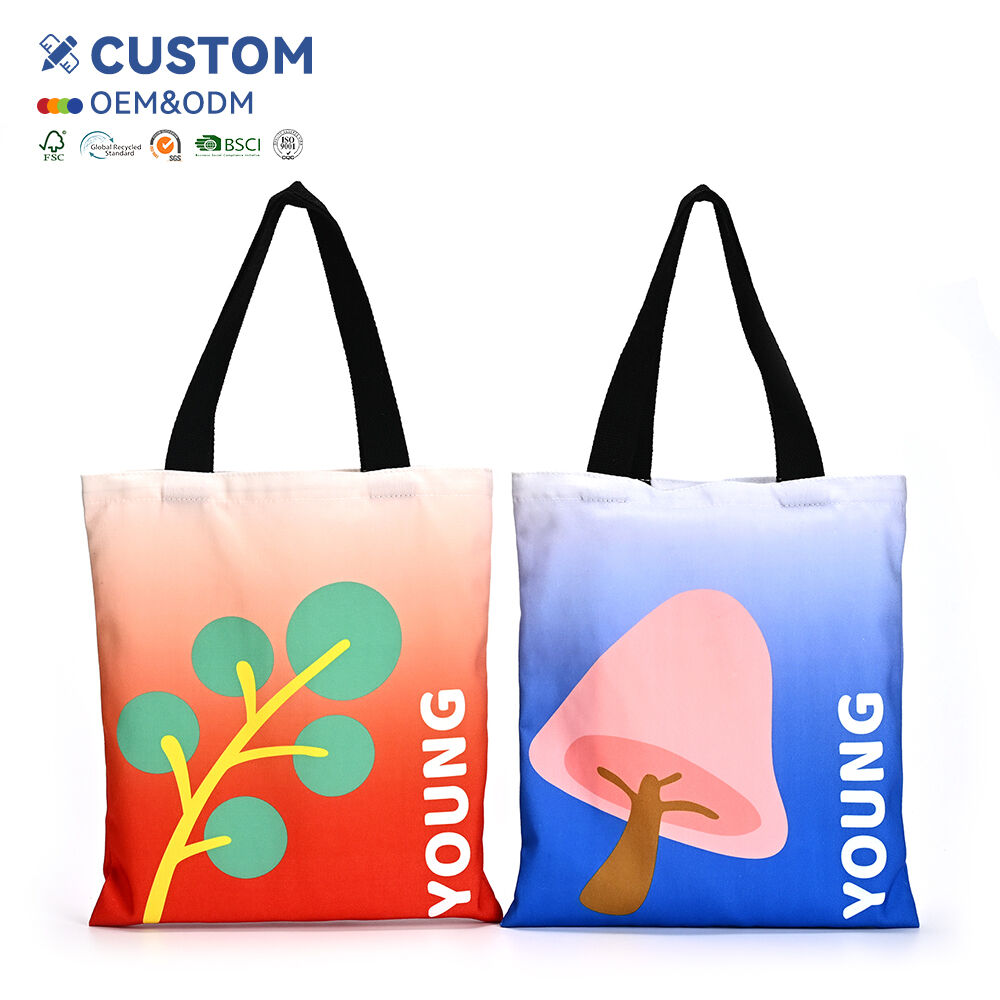
The conversation around sustainable packaging and eco-friendly consumer choices has never been more relevant than it is today. Among the many alternatives to single-use plastic, the cotton bag stands out as a practical, versatile, and environmentally responsible option. Whether used for grocery shopping, gifting, or retail branding, this type of reusable carrier has earned widespread adoption across industries and consumer segments alike. Understanding what makes organic cotton bags specifically advantageous helps businesses and individuals make smarter, more values-aligned purchasing decisions.
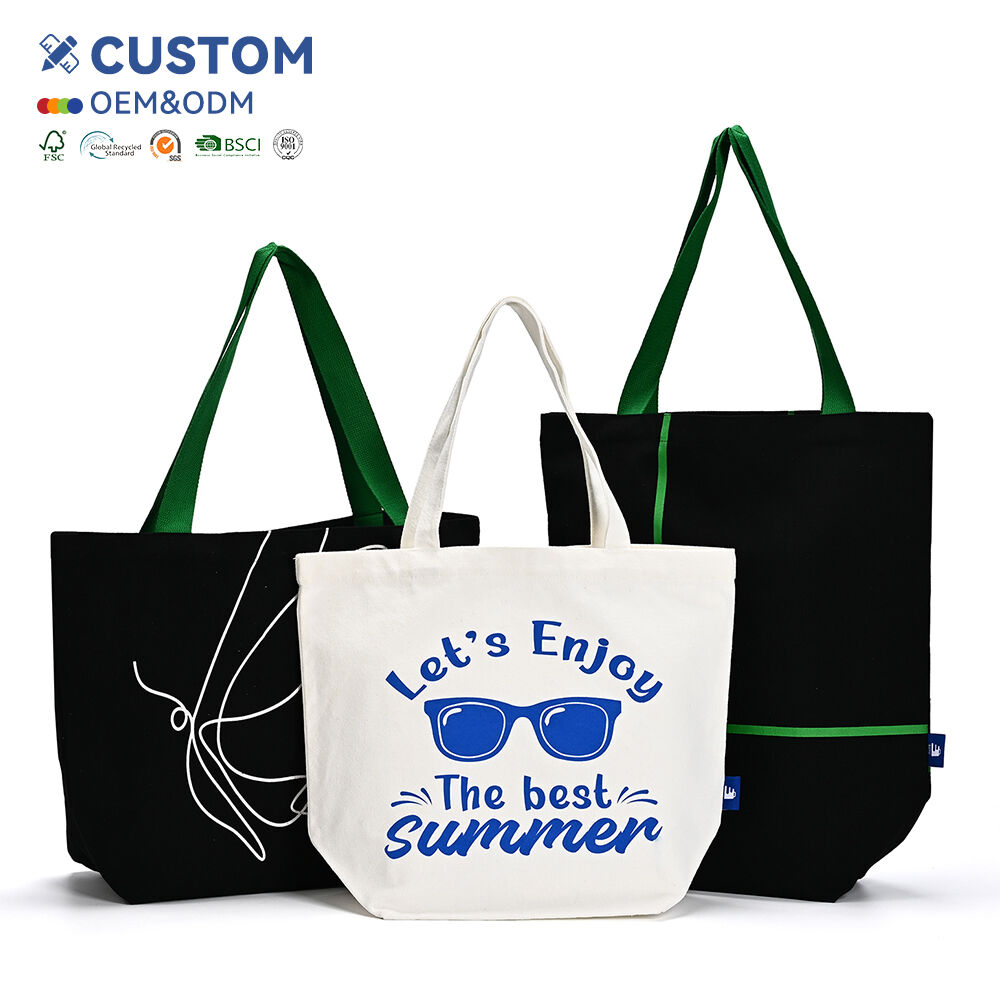
Organic cotton bags differ from conventional cotton and synthetic alternatives in several meaningful ways. From the way the raw material is grown to the finished product's end-of-life recyclability, every stage of an organic cotton bag carries distinct benefits. This article explores those benefits in depth, covering environmental impact, health and safety considerations, commercial value, durability, and practical everyday use. If you are evaluating whether to adopt or stock this product category, the following breakdown will give you the clarity you need.
Environmental Benefits That Set Organic Cotton Apart
Reduced Chemical Impact on Soil and Water
One of the most significant advantages of an organic cotton bag is how it begins its life — in a field free of synthetic pesticides and fertilizers. Conventional cotton farming is notoriously chemical-intensive, contributing to soil degradation and water contamination in agricultural regions. Organic cotton is cultivated using natural pest management and composting methods that preserve soil health over time and reduce toxic runoff into nearby water systems.
This matters not just for environmental purists, but for anyone who cares about the communities surrounding farmland. By choosing an organically produced cotton bag, buyers effectively reduce their indirect contribution to chemical pollution. For B2B buyers sourcing in bulk, this distinction can also align their supply chains with ESG (Environmental, Social, and Governance) reporting standards, which are increasingly scrutinized by investors and regulators.
The ripple effect of using fewer agrochemicals extends to biodiversity as well. Organic farms tend to support a wider range of insects, birds, and microorganisms, contributing to healthier local ecosystems. A single purchasing decision — choosing a cotton bag made from organic fiber — participates in this broader ecological benefit, however small that contribution might seem individually.
Biodegradability and End-of-Life Responsibility
Unlike synthetic bags made from nylon, polypropylene, or polyester, a natural fiber cotton bag is fully biodegradable under the right conditions. When an organic cotton bag reaches the end of its usable life, it can break down naturally without releasing microplastic particles into the environment. This is a critical differentiator in the context of global plastic pollution, which continues to accumulate in oceans, soil, and even human bloodstreams.
The biodegradability of organic cotton is especially relevant for businesses that position themselves as sustainability leaders. Offering customers a cotton bag that will not persist in landfills for centuries is a tangible, verifiable claim that supports brand credibility. It is not merely a marketing narrative — it is a material science reality backed by the natural composition of plant-based fiber.
Health and Safety Advantages for Users
Free From Harmful Residues and Skin Irritants
Organic certification standards require that no harmful synthetic chemicals be used during farming or processing. As a result, an organic cotton bag is far less likely to contain residual pesticide traces, heavy metal dyes, or chemical finishing agents that can cause skin irritation or allergic reactions. For consumers who carry bags close to their bodies or use them for transporting food, this safety distinction is genuinely meaningful.
In regulated markets, textile safety standards are increasingly rigorous, and organic materials often naturally comply with requirements that conventional materials require additional treatment to meet. Retailers and brands that supply a cotton bag made from certified organic fiber can more confidently claim material safety without extensive third-party testing, reducing compliance complexity.
Parents purchasing items for children are particularly attentive to chemical exposure, making the organic cotton bag an attractive offering in the children's retail space, school supplies sector, and family-focused gifting market. The health angle is not hypothetical — it directly influences purchase decisions across multiple consumer demographics.
Breathability and Comfort in Everyday Use
A well-made organic cotton bag offers a naturally breathable material that does not trap heat or moisture the way synthetic alternatives often do. This makes it ideal for carrying fresh produce, bread, or other food items that benefit from airflow. Breathability also makes the bag more comfortable to carry over the shoulder for extended periods, particularly in warm climates or during active shopping trips.
The texture of organic cotton tends to be softer than both conventional cotton and synthetic woven materials, adding a tactile quality that users notice. For businesses offering a cotton bag as a branded promotional item or as part of a premium packaging experience, that softness reinforces a perception of quality. Touch and feel are often underestimated in brand communications but are immediately experienced by every recipient.
Commercial and Branding Value for Businesses
A High-Impact, Low-Cost Branding Surface
For retailers, event organizers, and marketing teams, a cotton bag serves as a walking advertisement that recipients actually want to carry. Unlike plastic carrier bags that are discarded immediately, a well-designed organic cotton bag tends to be retained, reused, and seen by a wide range of people over an extended period. This amplifies the return on investment for branding applied to the surface of the bag.
The blank canvas nature of a natural-fiber cotton bag makes it highly receptive to printing techniques including screen printing, heat transfer, and embroidery. Logos, slogans, artwork, and QR codes can all be reproduced cleanly on organic cotton, resulting in a professional finish that communicates quality. For wholesale buyers looking to stock a versatile and printable promotional product, the organic cotton bag checks every practical box.
Organic certification can also serve as a brand differentiator in crowded retail or gifting markets. Attaching a small swing tag or label noting the organic origin of the cotton bag adds perceived value and signals corporate responsibility to environmentally conscious consumers. In markets where green credentials increasingly influence purchase preference, this distinction can translate directly into higher conversion rates.
Wholesale Scalability and Market Versatility
Organic cotton bags are available in a wide range of sizes, weights, handle styles, and gusset configurations, making them adaptable to nearly every commercial application. From lightweight produce bags used in grocery retail to heavyweight tote bags designed for gift packaging or clothing retail, the format of a cotton bag can be tailored to exact specifications. This flexibility makes bulk sourcing viable across a diverse portfolio of business verticals.
The growing global demand for sustainable packaging solutions has expanded manufacturing capacity, which means wholesale pricing for an organic cotton bag has become increasingly competitive. Businesses no longer need to pay a large sustainability premium — the cost gap between organic and conventional cotton bags has narrowed significantly, making the environmental upgrade financially accessible at scale.
Durability and Reusability as Core Functional Strengths
Long Lifespan Compared to Single-Use Alternatives
A quality organic cotton bag is built to withstand repeated use across years rather than a single trip from store to home. The woven structure of cotton fabric gives it tensile strength that handles heavy grocery loads, books, clothing, and other daily essentials without tearing at the seams. This durability is a primary reason why consumers who switch to reusable bags often favor cotton over alternatives made from thinner synthetic materials.
Durability also reinforces the sustainability narrative. The environmental benefit of a reusable cotton bag compounds with every use — the more times a bag is used, the lower its per-use carbon footprint becomes. Studies on lifecycle analysis consistently show that a cotton bag needs to be used a certain number of times to offset its production impact compared to plastic, and organic cotton bags that are well-made easily reach and exceed that threshold within the first months of regular use.
Washability and Maintenance Simplicity
One practical advantage that often surprises first-time users is how easy an organic cotton bag is to clean. Cotton is machine washable, meaning that stains from groceries, spills, or general use can be addressed with a standard laundry cycle. This keeps the bag hygienic and visually presentable over a long service life without requiring any special care products or professional cleaning.
For businesses distributing branded bags, the washability of an organic cotton bag contributes to brand longevity — the logo or design remains visible and intact through many wash cycles when quality printing techniques are used. A bag that can be cleaned and reused maintains its promotional function far longer than a novelty item that degrades quickly. This makes every unit distributed a more efficient investment in sustained brand visibility.
The resilience of organic cotton also means it holds its shape well over time, resisting the sagging and stretching that can affect cheaper synthetic alternatives. Users who rely on a cotton bag for daily errands come to trust its structural integrity, building loyalty to the product format itself. For retailers and brands, that positive daily use experience becomes an ongoing brand association every time the bag is used.
FAQ
What is the difference between an organic cotton bag and a regular cotton bag?
An organic cotton bag is made from cotton grown without synthetic pesticides, herbicides, or genetically modified organisms. It is typically certified under recognized standards such as GOTS (Global Organic Textile Standard), ensuring environmental and social compliance throughout production. A regular cotton bag may use conventionally grown cotton, which often involves significant chemical inputs during farming and processing, making the organic version the more environmentally and health-conscious choice.
How many times does a cotton bag need to be reused to be environmentally beneficial?
Lifecycle analysis research suggests that a cotton bag generally needs to be reused between 50 and 150 times to offset its environmental production footprint compared to a single-use plastic bag. An organic cotton bag of durable construction can easily achieve this threshold within a year of regular daily use, at which point every subsequent use represents a net environmental positive. Washability and durability are therefore key factors in maximizing the sustainability value of the product.
Can a cotton bag be used for food and grocery shopping safely?
Yes. An organic cotton bag is particularly well-suited for grocery and food shopping due to its breathability, chemical-free composition, and washability. Its natural fiber structure allows air circulation, which helps keep fresh produce in good condition longer. Because it is machine washable, any contamination from food items can be cleaned thoroughly, keeping the bag hygienic for repeated food use. Many food retailers and organic markets specifically prefer organic cotton bags for this reason.
Are cotton bags suitable for branded corporate gifts or promotional merchandise?
Absolutely. A cotton bag made from organic cotton is one of the most effective promotional merchandise formats available. Its flat surface accommodates printing and embroidery cleanly, its durability ensures long-term visibility for the printed brand identity, and its sustainable material story adds credibility to corporate responsibility messaging. Wholesale sourcing of blank organic cotton bags for customization is a common practice among marketing agencies, event companies, and retail brands looking to combine functionality with brand alignment.
Table of Contents
- Environmental Benefits That Set Organic Cotton Apart
- Health and Safety Advantages for Users
- Commercial and Branding Value for Businesses
- Durability and Reusability as Core Functional Strengths
-
FAQ
- What is the difference between an organic cotton bag and a regular cotton bag?
- How many times does a cotton bag need to be reused to be environmentally beneficial?
- Can a cotton bag be used for food and grocery shopping safely?
- Are cotton bags suitable for branded corporate gifts or promotional merchandise?