
 EN
EN
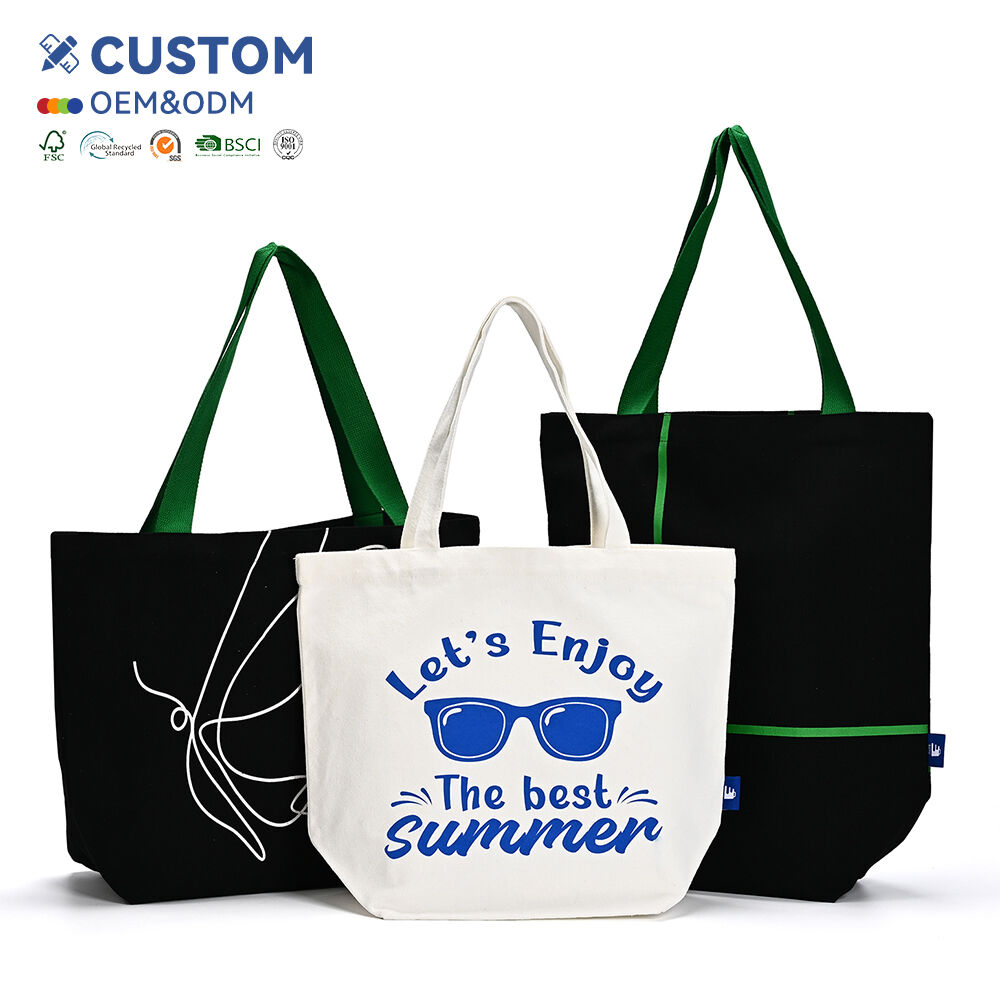
In today's competitive marketplace, every brand touchpoint matters. From the packaging that wraps a product to the reusable tote a customer carries home, each item communicates who you are as a business. The cotton bag has emerged as one of the most versatile and impactful branded merchandise tools available to businesses of all sizes. Whether you are running a boutique retail store, a wellness brand, a corporate organization, or an eco-conscious startup, a well-personalized cotton bag can carry your brand message far beyond the point of sale — quite literally into the streets, offices, and everyday lives of your customers.
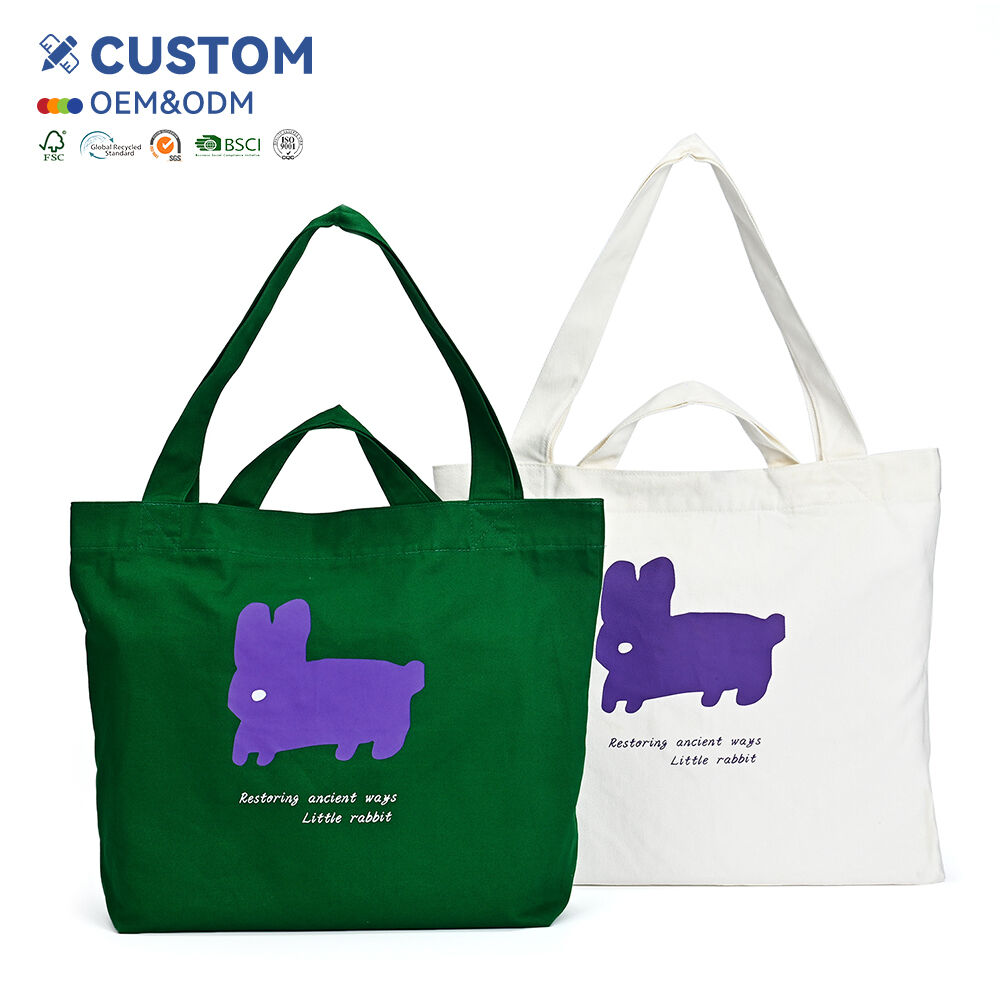
Personalizing a cotton bag to reflect your brand identity is not simply a matter of printing a logo on fabric. It involves a deliberate, strategic process that aligns color, typography, print method, material weight, and bag shape with the visual and emotional values your brand stands for. Done correctly, a personalized cotton bag becomes a walking advertisement, a customer loyalty tool, and an environmental statement all in one. This guide walks you through a comprehensive, practical approach to achieving that alignment between your branded cotton bag and your overall brand identity.
Understanding Your Brand Identity Before You Customize
Defining the Visual and Emotional Core of Your Brand
Before you place any design on a cotton bag, it is essential to have a clear picture of what your brand stands for visually and emotionally. Your brand identity encompasses your logo, color palette, typography, tone of voice, and the overall feeling you want to evoke in your audience. For example, a luxury skincare brand may lean toward minimalist design with a limited color palette and elegant typefaces, while an outdoor adventure brand may favor bold imagery, earthy tones, and rugged fonts.
This foundational clarity informs every decision you make when designing a personalized cotton bag. Without it, you risk producing a product that looks attractive in isolation but feels disconnected from the broader brand experience. Take the time to document your brand guidelines — including exact color codes, approved typefaces, logo usage rules, and approved imagery styles — before engaging any supplier or designer. This single step prevents costly revisions and ensures that every cotton bag produced is a genuine brand asset.
It is also worth considering the emotional associations your brand aims to build. Sustainability-focused brands, for instance, benefit enormously from choosing a cotton bag as their primary promotional item because the material itself reinforces the brand value. The product becomes a message, not just a carrier.
Matching Audience Expectations with the Right Bag Style
Different customer segments have different expectations from branded merchandise. A B2B corporate audience will appreciate a structured, clean cotton bag with subtle branding, while a younger retail demographic may respond better to a bold, oversized print on a casual tote. Understanding your audience profile — their lifestyle, aesthetic preferences, and use cases — is just as important as understanding your own brand guidelines.
The style of the cotton bag itself communicates brand values. A long-handled shoulder bag signals utility and everyday practicality, making it ideal for grocery brands, health food retailers, or eco-lifestyle companies. A shorter-handled shopper tote can signal retail sophistication when crafted in high-quality canvas. Aligning the bag's functional form with your audience's daily habits increases the likelihood that the cotton bag gets used regularly — amplifying your brand visibility with every use.
Choosing the Right Customization Methods for Your Design
Screen Printing for Bold, High-Impact Brand Graphics
Screen printing is one of the most popular and cost-effective methods for personalizing a cotton bag at scale. This technique uses stencils and ink to apply solid color layers directly onto the fabric, resulting in vivid, durable prints that withstand repeated washing. It is particularly well-suited for bold logos, simple typographic designs, and graphic elements with clearly defined edges.
For brands that rely heavily on strong color contrast — such as those with bold brand colors — screen printing on a cotton bag delivers excellent results. The limitation lies in complexity: designs with gradients, photographic imagery, or a large number of colors can become expensive or technically challenging to reproduce accurately. In those cases, alternative methods should be considered. If your brand identity features a clean, flat logo or icon, screen printing is likely your most economical and visually powerful option.
It is important to request print samples before committing to a full production run. Color appearance can shift slightly between screen and fabric, especially on natural cotton canvas. Testing ensures that the printed cotton bag matches your brand color standards as closely as possible.
Embroidery and Heat Transfer for Premium Brand Positioning
Brands that occupy a premium or luxury market position often prefer embroidery for their personalized cotton bag merchandise. Embroidered logos create a tactile, elevated impression that signals quality craftsmanship. The dimensional texture of embroidery stands out as distinctly different from printed alternatives, making it ideal for brands in hospitality, fashion, wellness, and gift retail.
Heat transfer printing, meanwhile, offers a versatile middle ground between screen printing and digital printing. It allows for more complex, multi-color designs and photographs to be transferred onto the surface of a cotton bag with reasonable durability. For brands launching limited-edition collections or seasonal promotions with complex artwork, heat transfer can be the most practical route to achieving a polished, detailed result.
Whichever method you choose, the goal remains the same: the personalization technique should complement and reinforce your brand's existing aesthetic language. A mismatch between the brand's tone and the customization method creates a dissonant experience for the customer receiving or carrying the cotton bag.
Color, Material, and Size Decisions That Reinforce Brand Identity
Aligning Bag Color with Your Brand Color Palette
The base color of your cotton bag is one of the most visible brand signals. Many brands default to natural or undyed cotton, which provides a neutral, sustainable aesthetic and works well with almost any ink color. However, if your brand uses a distinctive primary color — such as a deep navy, forest green, or bold red — selecting a bag dyed in that color can make an even stronger brand statement and create immediate color recognition.
It is worth noting that the texture and weave of cotton canvas affects how dyes appear. Heavier canvas fabrics tend to produce richer, more saturated colors, while lighter cotton materials may result in a more muted, vintage tone. When sourcing a cotton bag in a specific brand color, always request fabric swatches and dye samples before approving large quantities. Consistency across batches is critical for maintaining a professional brand presentation.
For brands with complex multi-color identities, a neutral natural canvas cotton bag often provides the cleanest backdrop for multi-color screen printing or heat transfer, allowing the printed design to carry the full weight of the brand palette without competing with a tinted base fabric.
Selecting the Appropriate Weight and Size for Intended Use
The weight and size of the cotton bag must be chosen with its intended purpose in mind. A lightweight 4–6 oz canvas tote is ideal for promotional giveaways, trade show merchandise, and retail packaging inserts. It is compact, economical, and easy to produce in bulk. However, for a brand that wants its cotton bag to be used as a primary grocery or shoulder bag, a heavier 10–12 oz canvas offers the durability and structure that will withstand long-term daily use.
Size selection also affects the visual impact of your branding. A larger bag provides a bigger canvas for your design, making it more visible when carried in public. Brands that rely on recognition through imagery or complex graphic designs benefit from choosing a larger cotton bag format. Conversely, a smaller, more refined tote with minimal branding can communicate exclusivity and understated elegance — a deliberate brand choice for premium lifestyle companies.
Designing the Print Layout to Maximize Brand Visibility
Placement Strategy for Logo and Brand Elements
Where your branding appears on the cotton bag determines how effectively it communicates. The center of the front panel is the most common and visually dominant placement, ensuring maximum visibility when the bag is carried or displayed. For brands with horizontal logo formats, a centered front panel placement works exceptionally well. For those with stacked or vertical logo designs, consider a center-panel or lower-front placement that avoids crowding the design into the upper portion of the bag.
Some brands choose to print on both the front and back of their cotton bag, using the front for the primary logo and the back for a tagline, website, social media handle, or secondary brand message. This strategy doubles the brand impression surface without significantly increasing per-unit cost in most printing methods. A well-designed cotton bag that carries a clear message on both sides functions as a mobile billboard every time it is used in public.
Gusset areas, handles, and interior lining can also be used for subtle secondary branding. A brand-colored interior lining or a custom handle print creates a premium unboxing moment that reinforces brand attention to detail — a quality signal especially valued in gift, retail, and lifestyle brand contexts.
Typography and Messaging for Brand Tone Alignment
If your cotton bag design includes text beyond the logo — such as a slogan, tagline, or call to action — the typography choices must mirror your brand's established typefaces. Inconsistent font usage is one of the most common errors in branded merchandise production. It creates a subtle but real visual disconnection between the cotton bag and other brand materials such as packaging, website, and advertising.
Keep printed text concise and legible from a reasonable distance. The primary purpose of the cotton bag as a branded item is visual recognition in public environments. Long sentences or small text defeat that purpose. A brand name, a short tagline of five words or fewer, and a website or social media handle represent the ideal text load for most personalized tote designs. This disciplined approach ensures that every element on the bag serves the brand rather than cluttering its surface.
Scaling Production and Maintaining Brand Consistency Across Orders
Working with Suppliers to Ensure Quality Control
Producing a personalized cotton bag at scale requires careful supplier communication and a robust quality control process. Before approving mass production, always request a pre-production sample — also called a strike-off or prototype — that reflects the exact design, color, material weight, and print method you have specified. Compare this sample directly against your brand guidelines to verify color accuracy, print clarity, stitch quality (if embroidered), and overall construction.
Establish clear written specifications for your cotton bag order, including Pantone color references, exact logo dimensions, placement measurements from the bag edges, and fabric composition. Vague specifications result in inconsistent outcomes across production batches, which can undermine brand cohesion when bags are distributed to customers across different campaigns or time periods. Precision in your brief protects your investment and your brand reputation.
For ongoing or repeat orders of your custom cotton bag, maintaining a design file archive and a reference sample from an approved production run makes reordering straightforward and consistent. This is particularly important for brands that distribute branded merchandise across multiple regional markets or seasonal product launches.
Treating the Cotton Bag as a Long-Term Brand Asset
The most successful brands treat their personalized cotton bag not as a disposable promotional item but as a long-term brand asset. A high-quality, well-designed cotton bag that customers genuinely want to use creates far more brand impressions over its lifetime than a cheap, poorly made item that is discarded after one use. Investing in material quality, print durability, and thoughtful design pays dividends through extended brand exposure.
Tracking how and where your branded cotton bag appears — through customer photos, social media tags, and anecdotal feedback — provides valuable insight into how the product is performing as a brand ambassador. Brands that actively encourage customers to share images of their personalized bags extend the promotional reach dramatically through organic social media content. This transforms each cotton bag into a micro-influencer moment that compounds over time.
FAQ
What is the minimum order quantity for a personalized cotton bag?
Minimum order quantities for a personalized cotton bag vary by supplier and customization method. Screen printing typically requires higher minimums — often 50 to 100 units — to justify the setup costs of creating stencils. Embroidery and digital printing may allow smaller runs. It is advisable to confirm minimum quantities with your supplier before finalizing your design, especially if you are running a test batch before committing to a large production order.
How do I ensure the printed color on my cotton bag matches my brand colors exactly?
To ensure color accuracy on your personalized cotton bag, always provide Pantone color references rather than RGB or CMYK values alone. Pantone codes give fabric printers a standardized reference that minimizes color interpretation errors. Requesting a pre-production sample printed on the actual fabric before approving the full run allows you to evaluate color accuracy against your brand standards in real-world conditions. Natural cotton fabric absorbs ink differently than coated or synthetic surfaces, so testing is essential.
Can a cotton bag be personalized with both a logo and a custom message?
Yes, a cotton bag can absolutely carry both a logo and a custom text element such as a tagline, website URL, or social media handle. The key is to ensure that the design hierarchy is clear — the logo should typically command the most visual prominence, with supporting text in a smaller, complementary typeface. Crowding too many elements onto the bag surface reduces legibility and weakens the overall brand impact. A clean, well-spaced layout makes the personalized cotton bag more visually effective and memorable.
What cotton bag weight is best for a durable, reusable branded tote?
For a durable, reusable branded cotton bag intended for everyday use such as grocery shopping or carrying work essentials, a canvas weight of 10 oz or heavier is recommended. Heavier fabrics hold their shape better under load, resist wear more effectively, and project a higher-quality impression. Lighter cotton materials in the 4–6 oz range are better suited for lightweight promotional giveaways where cost efficiency is the primary concern rather than long-term durability. Matching the fabric weight to the intended end-use context ensures customer satisfaction and sustained brand visibility.
Table of Contents
- Understanding Your Brand Identity Before You Customize
- Choosing the Right Customization Methods for Your Design
- Color, Material, and Size Decisions That Reinforce Brand Identity
- Designing the Print Layout to Maximize Brand Visibility
- Scaling Production and Maintaining Brand Consistency Across Orders
- FAQ