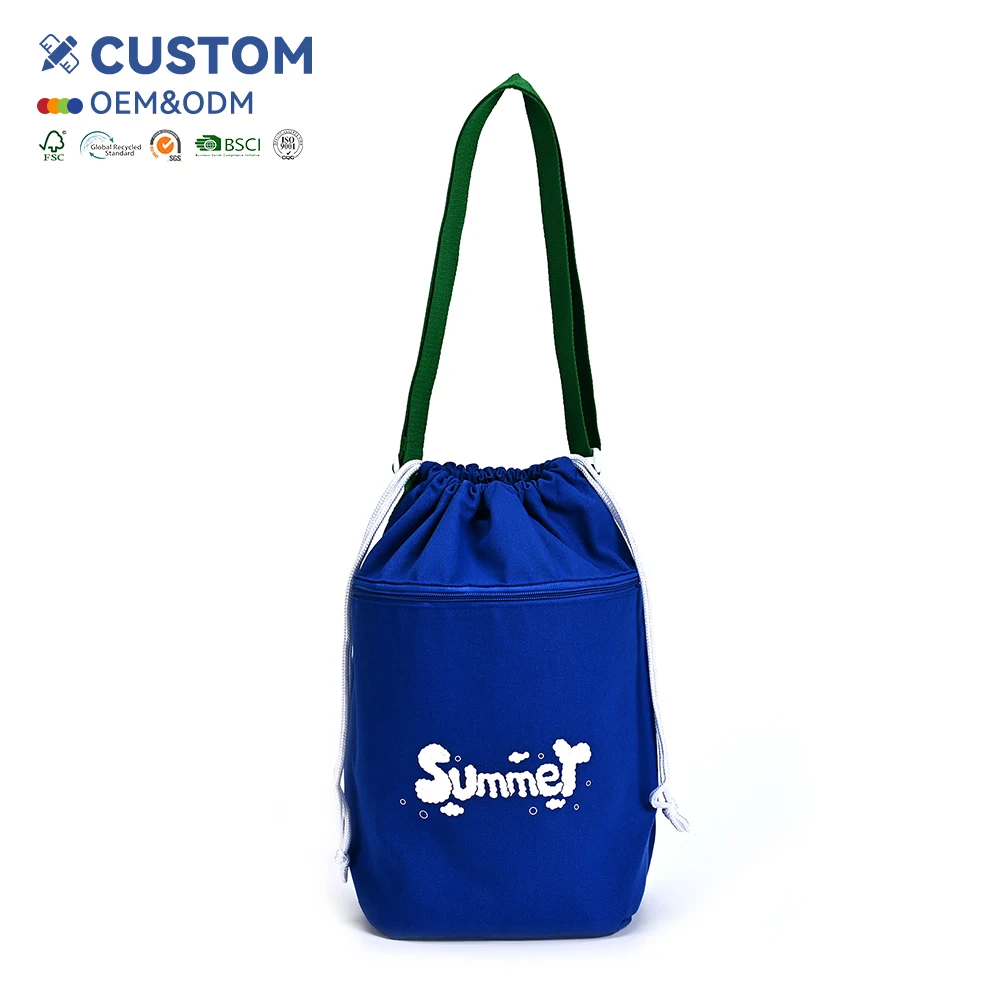
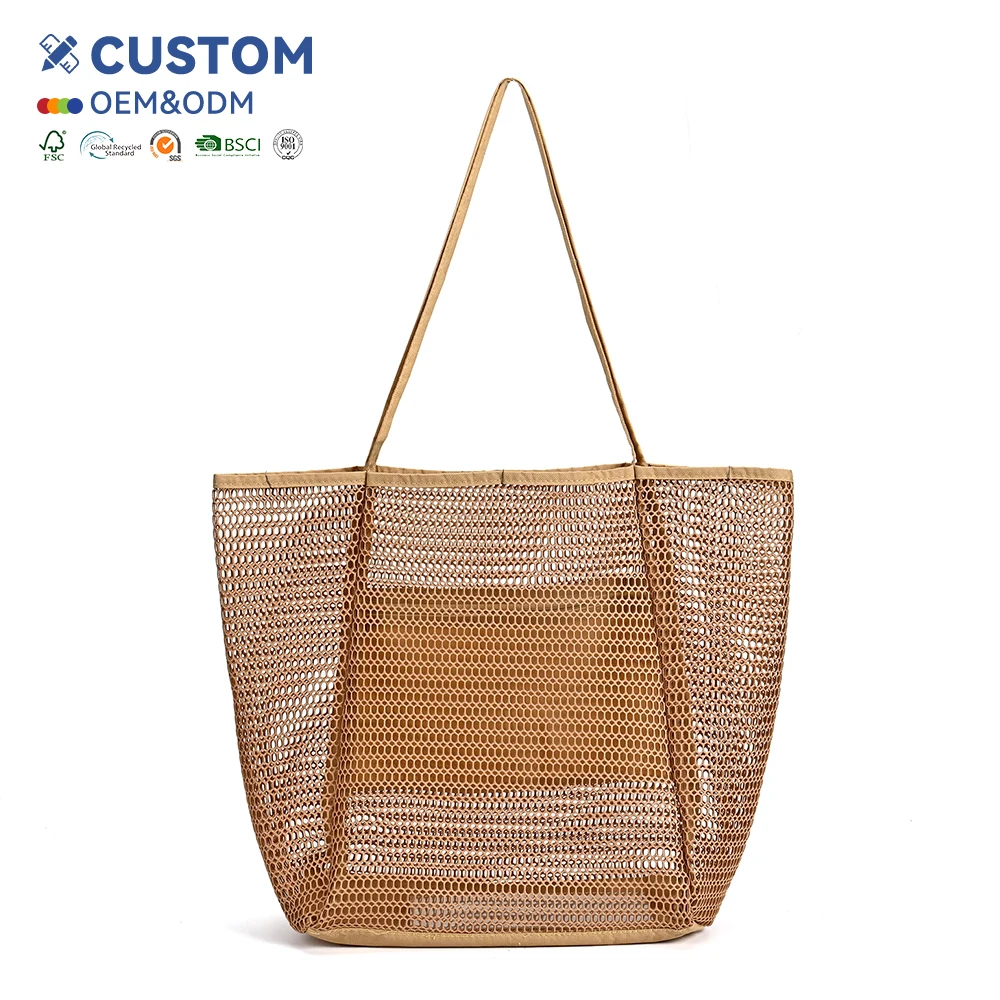
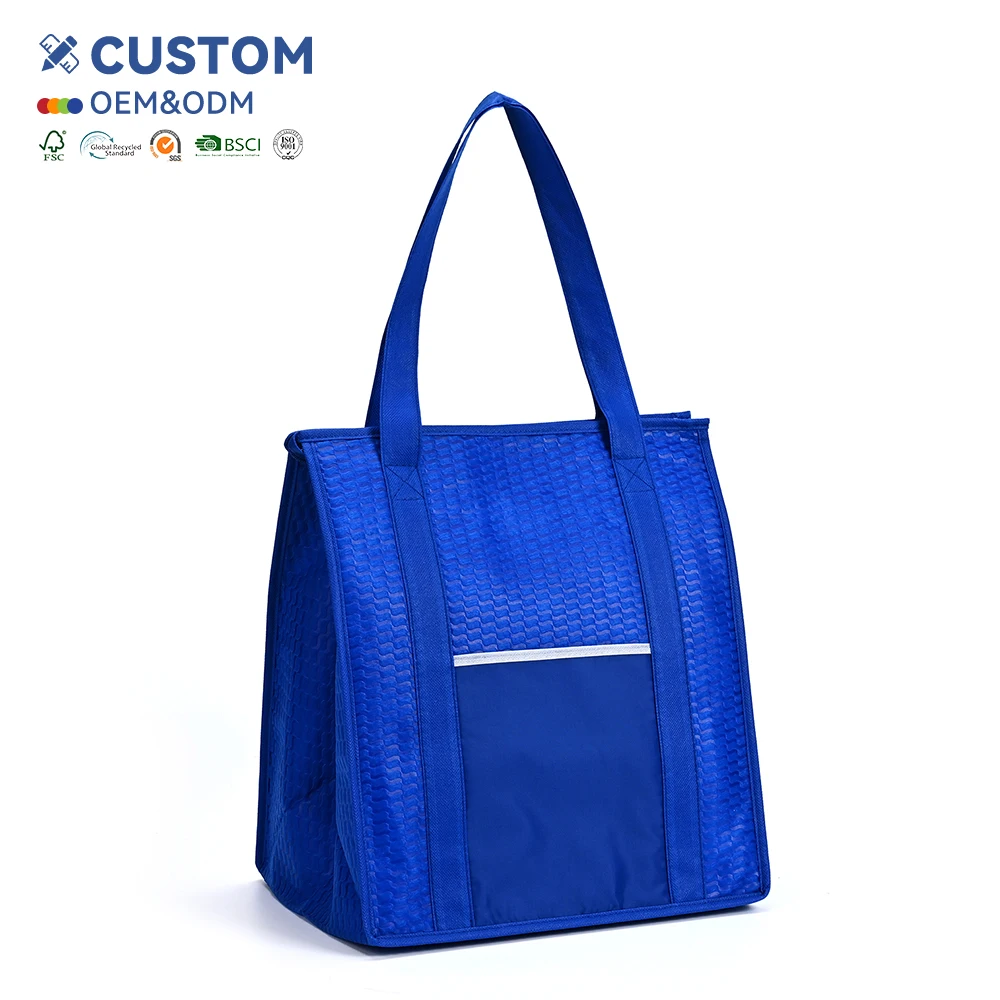
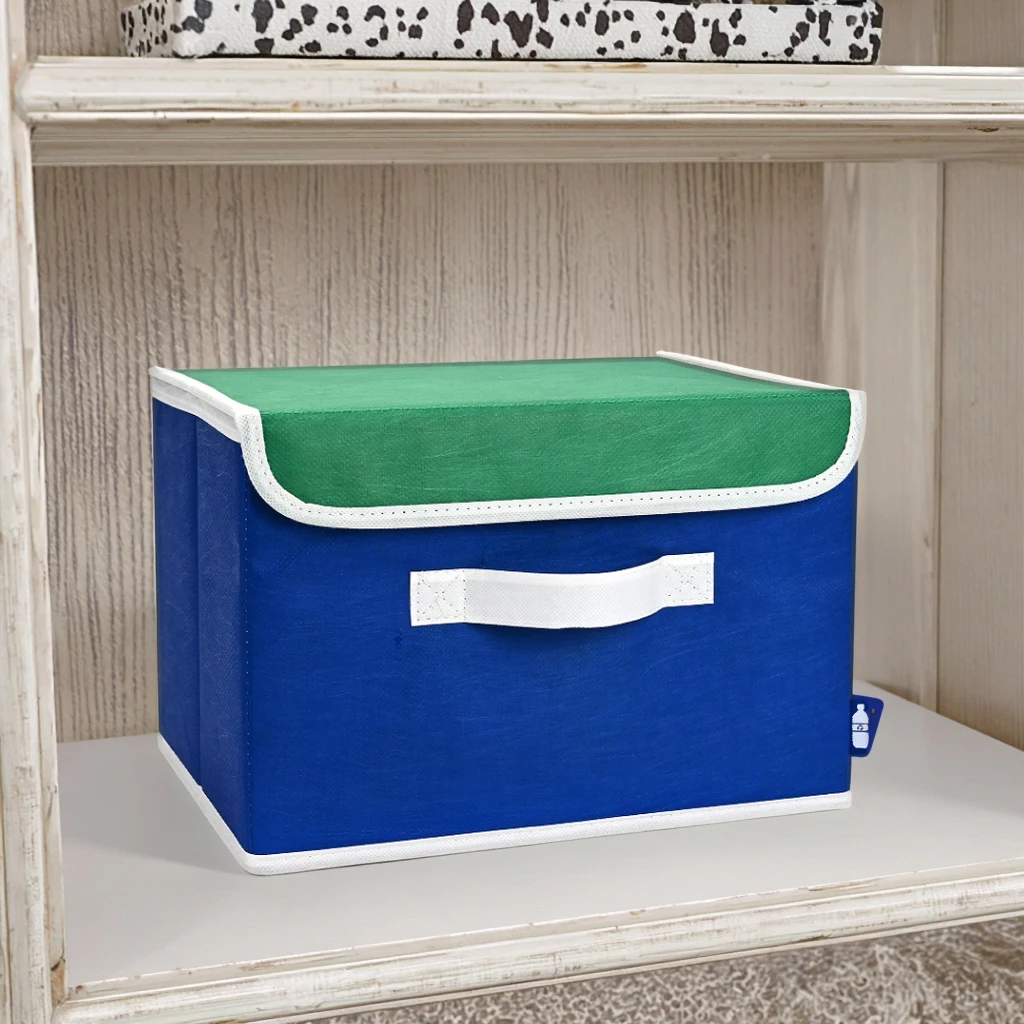
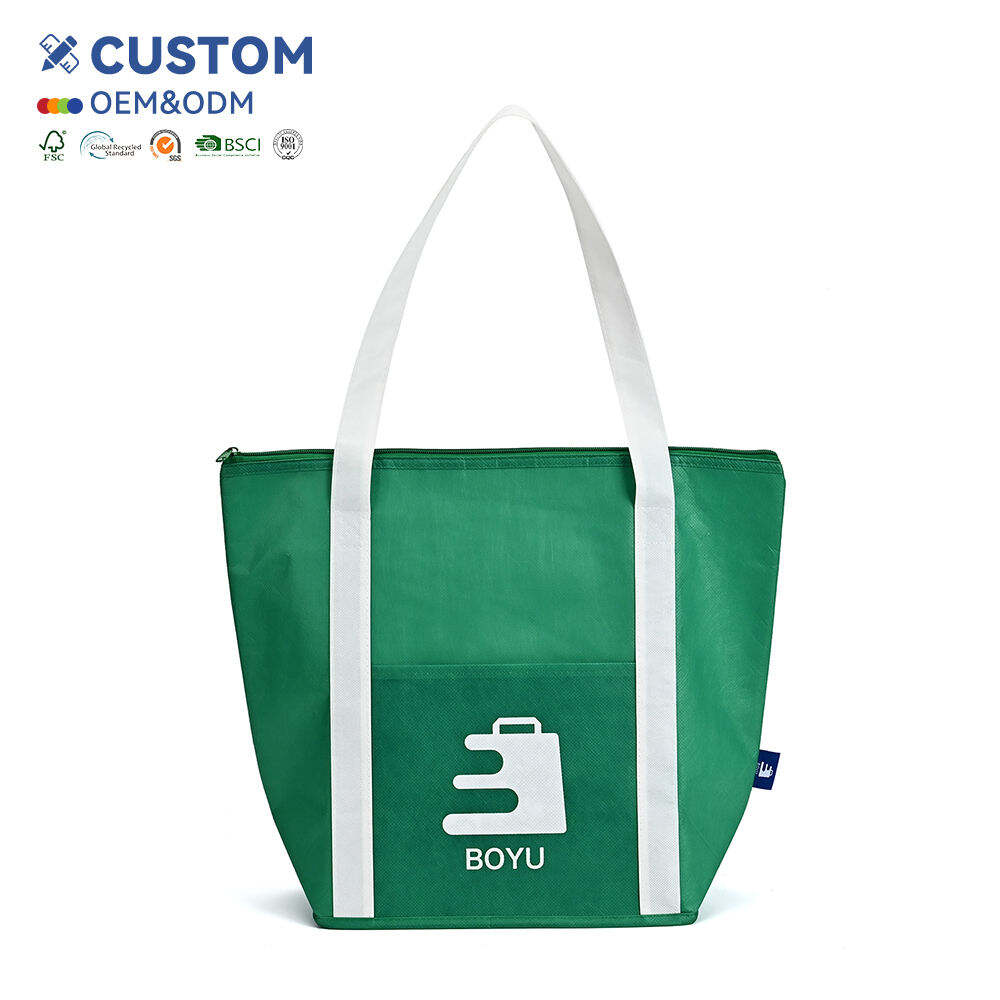
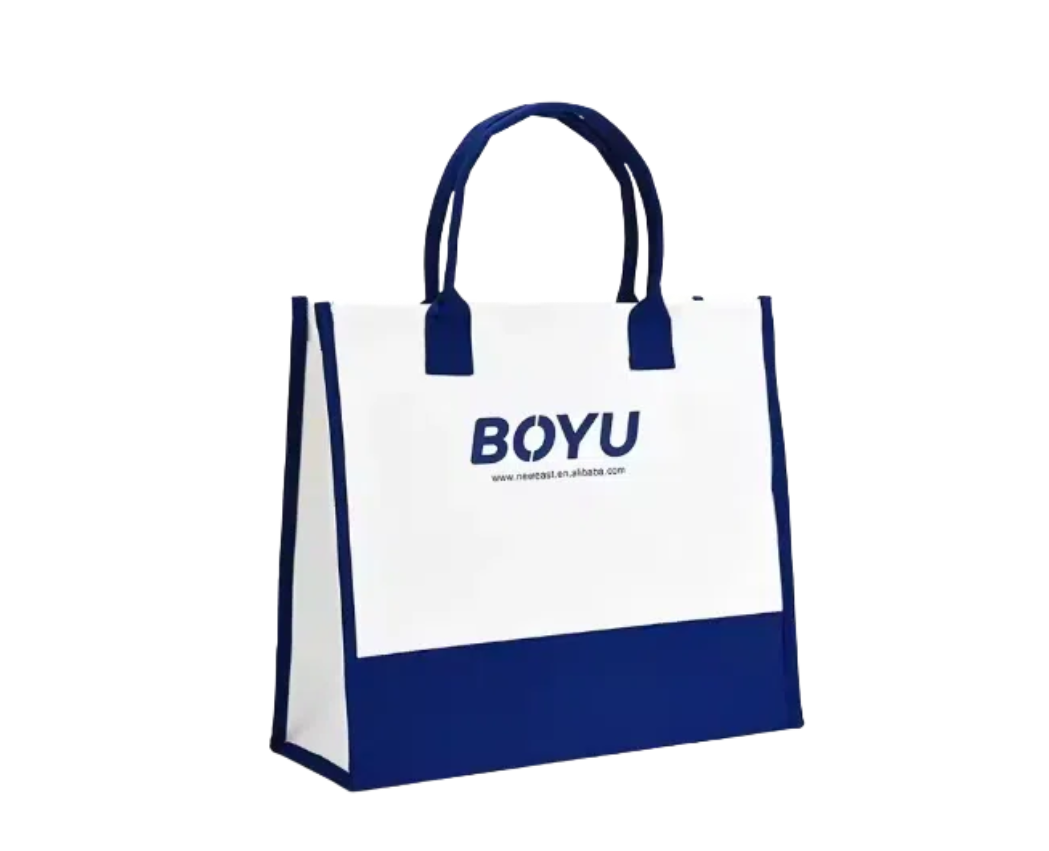
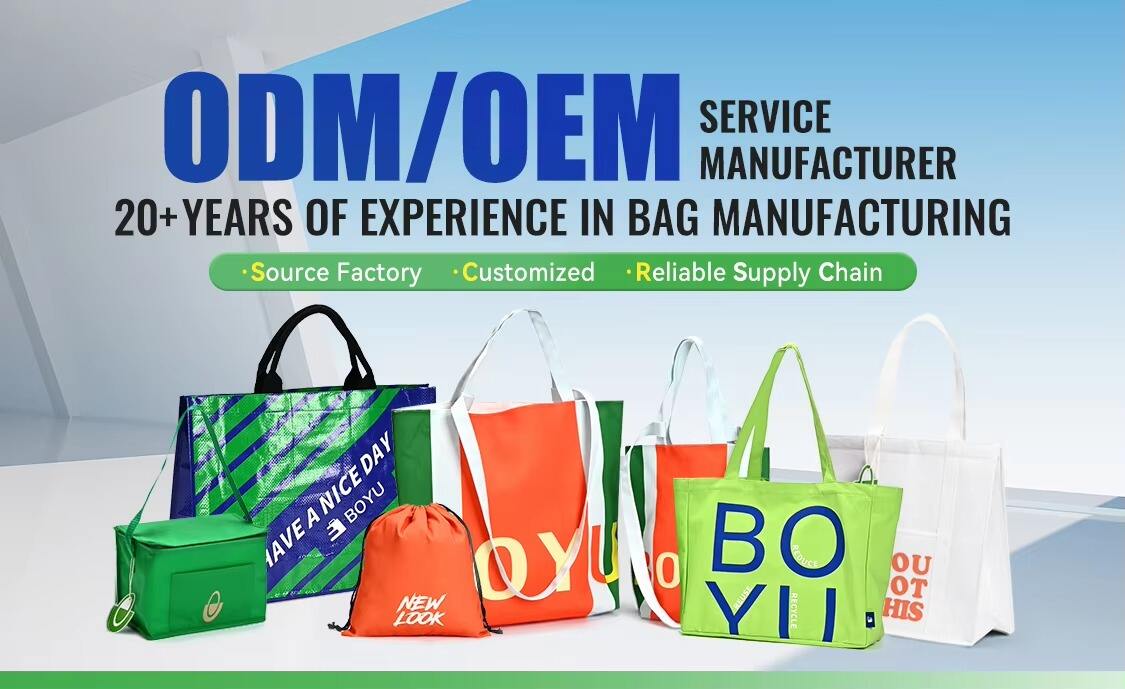
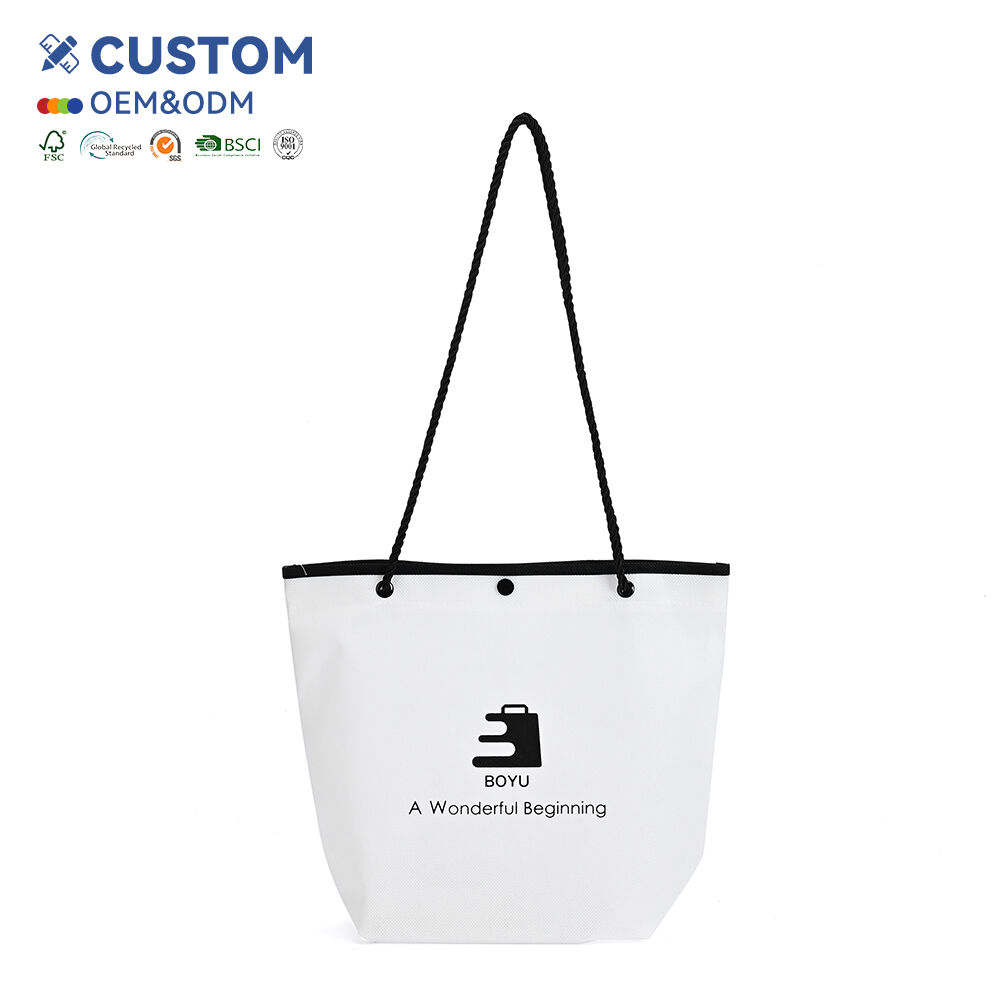
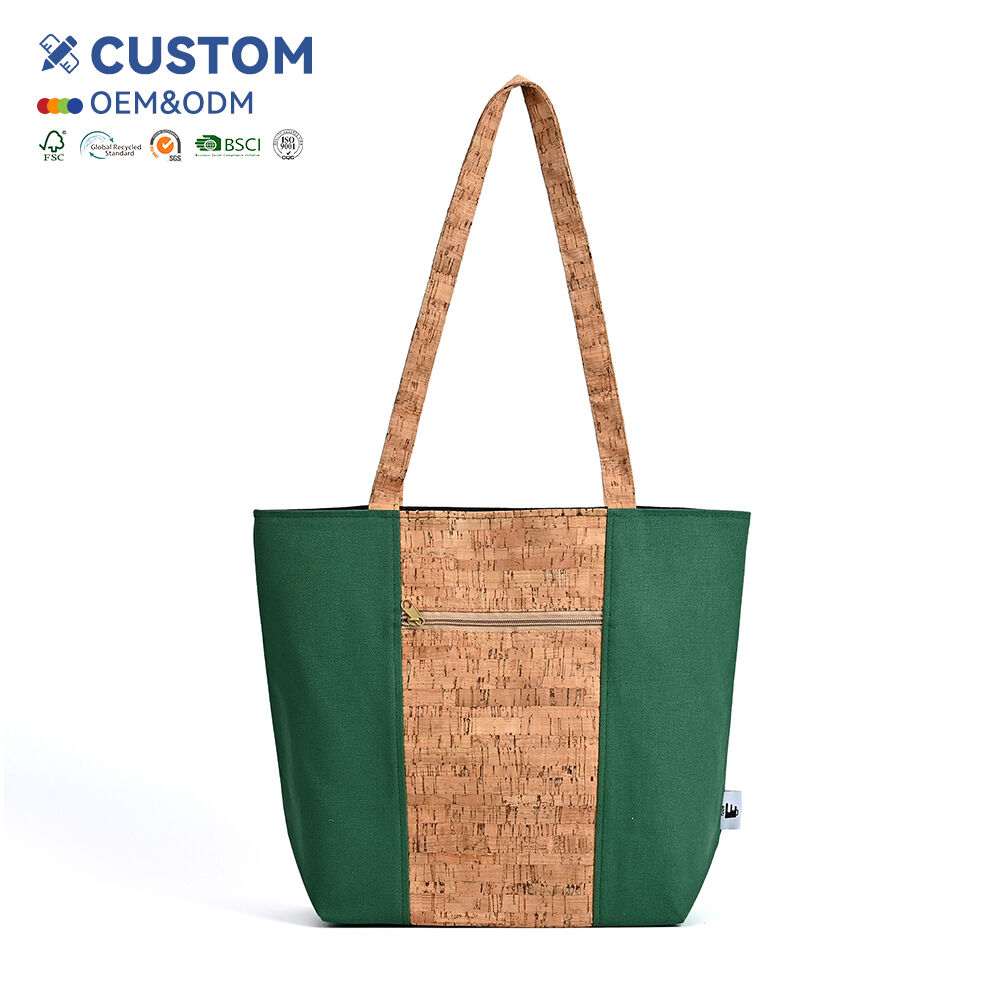
The decision to use or produce recycled bags is far more than a trend; it is a impactful choice with multifaceted benefits spanning environmental, economic, and ethical dimensions. The advantages are profound and address some of the most pressing issues of our time.
Environmental Impact and Resource Conservation
The most significant advantage lies in environmental protection. Manufacturing bags from recycled materials drastically reduces the demand for virgin resources. For instance, producing rPET fabric uses up to 59% less energy and reduces carbon emissions by approximately 32% compared to virgin polyester. It directly curtails the extraction of petroleum and the felling of trees. Crucially, recycled bags actively combat pollution. By utilizing post-consumer plastic waste, they help clean up millions of bottles from landfills and prevent them from entering delicate ecosystems, particularly oceans. This process closes the loop, transforming a linear "take-make-dispose" model into a circular one where waste becomes a valuable feedstock. Every recycled bag purchased directly supports waste diversion and reduces the long-term environmental burden of plastic, which can take centuries to decompose.
Economic and Brand Value
Beyond ecology, recycled bags offer strong economic and brand-enhancing benefits. For businesses, integrating recycled products aligns with ESG (Environmental, Social, and Governance) criteria, appealing to a growing market of conscious consumers and B2B partners. It future-proofs operations against tightening regulations on single-use plastics and virgin material taxes. A branded recycled bag is a powerful marketing tool—it is reusable, turning every customer into a walking billboard for a company's commitment to sustainability. This enhances brand image, fosters customer loyalty, and can justify a premium price point. Furthermore, as recycling infrastructure and technology advance, the cost of recycled materials is becoming increasingly competitive, while the stability of supply is less vulnerable to the price volatility of virgin commodities.
Durability, Innovation, and Social Ethics
Modern recycled bags shatter the myth that "eco-friendly" means less durable. Materials like rPET and recycled nylon are engineered to be just as strong, water-resistant, and long-lasting as their virgin counterparts. This durability ensures the bag serves its purpose for years, amplifying its sustainability credentials through repeated use. The industry is a hotbed of innovation, with companies creating bags from unexpected materials like recycled fishing nets, coffee grounds, or apple peels, pushing the boundaries of sustainable design. Ethically, the recycled supply chain often supports social initiatives, such as partnering with organizations that collect ocean plastic, providing income for coastal communities. Thus, choosing a recycled bag supports not just environmental health but can also contribute to social welfare, creating a holistic positive impact that resonates deeply with the values of today's informed consumer.

 EN
EN