
 EN
EN
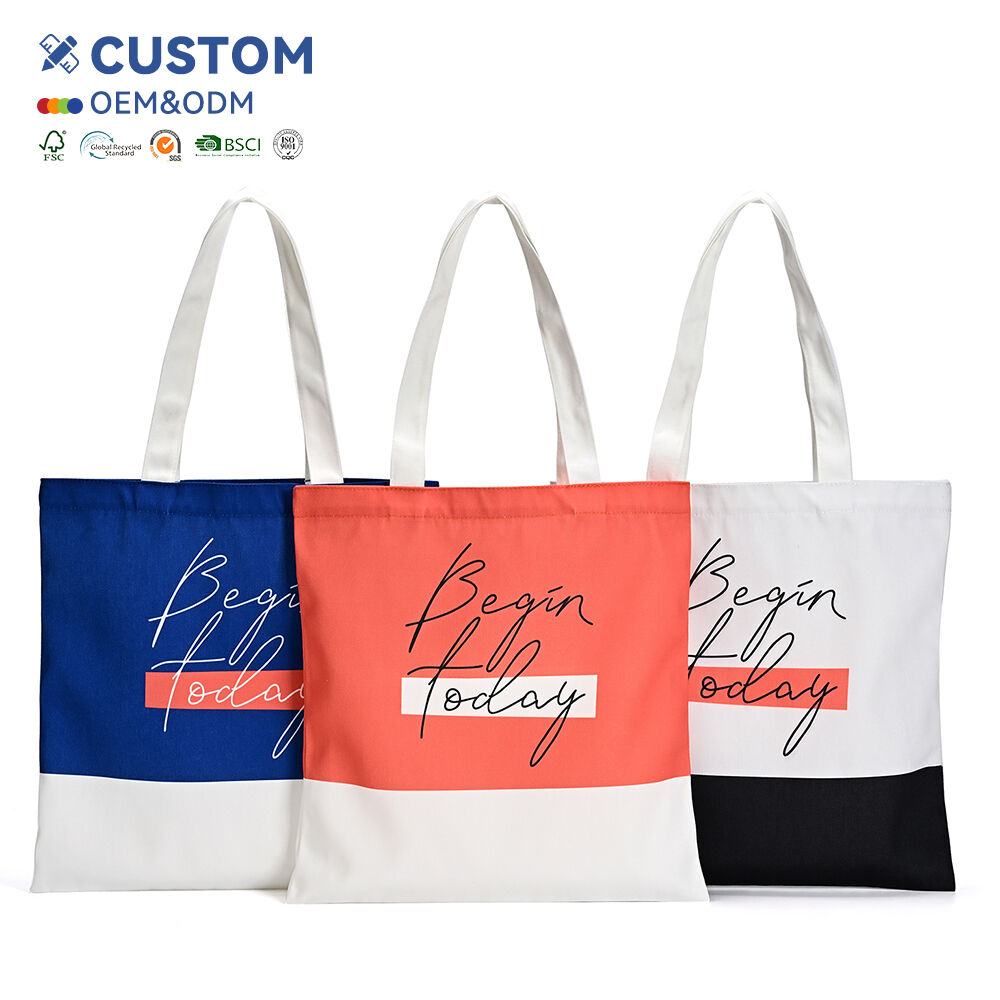
Modern consumers face an ongoing challenge when selecting accessories that seamlessly blend fashion with practicality. The tote bag has emerged as a versatile solution that addresses both aesthetic preferences and functional requirements in contemporary daily life. This classic accessory continues to evolve, incorporating innovative materials, thoughtful design elements, and sustainable practices that appeal to environmentally conscious shoppers. Understanding how a tote bag delivers on both style and utility helps consumers make informed decisions about their everyday carrying solutions.
Essential Design Elements That Define Modern Tote Bags
Structure and Proportions for Daily Functionality
The fundamental architecture of a well-designed tote bag balances spaciousness with manageable proportions. Quality construction typically features reinforced stitching at stress points, ensuring durability under regular use. The bag's depth and width accommodate various items from laptops to groceries, while the height remains practical for comfortable carrying. Handle placement and length contribute significantly to user comfort, with many designs offering dual carrying options through shorter handles and longer shoulder straps.
Contemporary tote bag designs incorporate organizational features that enhance functionality without compromising the clean aesthetic lines. Interior pockets provide dedicated spaces for smaller items, preventing the frustrating search through bag contents. Some designs include zippered compartments for valuables, while others feature pen loops and phone holders strategically positioned for easy access during daily activities.
Material Selection and Construction Quality
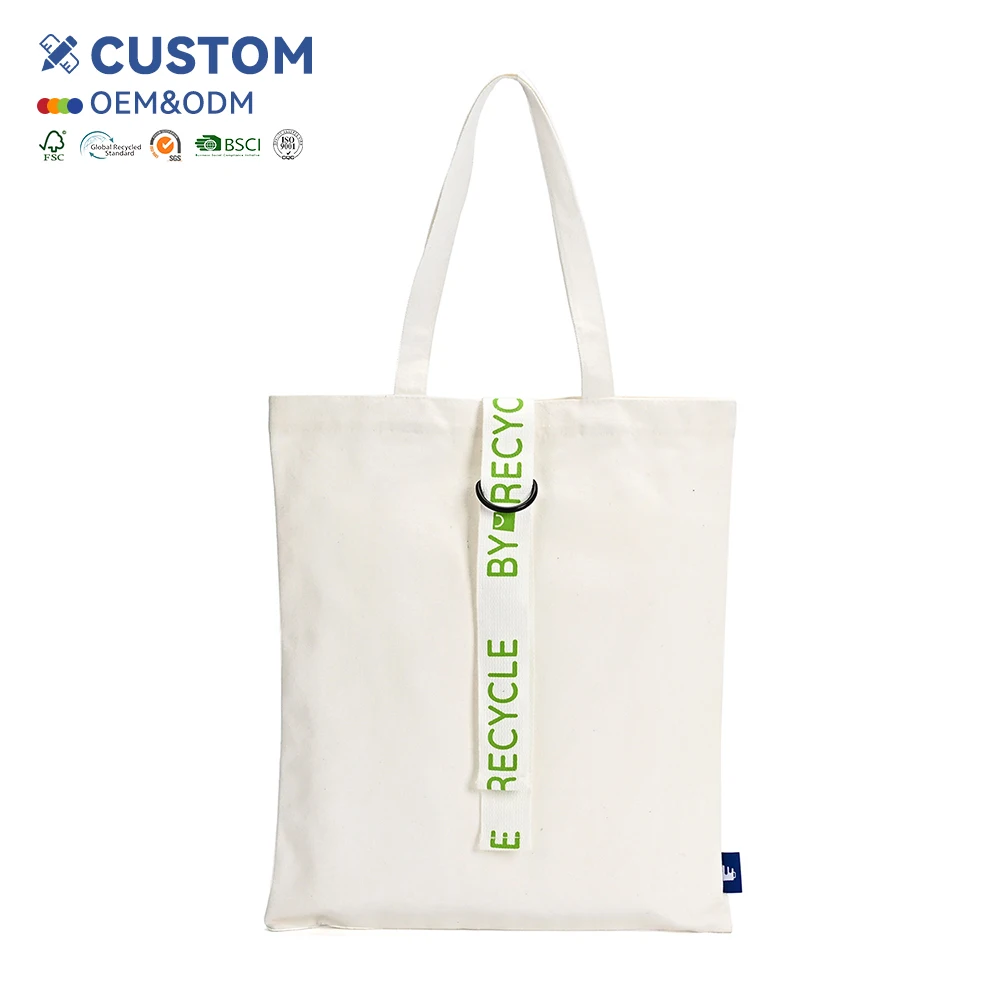
Premium tote bag construction relies heavily on material selection that balances durability with visual appeal. Cotton canvas remains popular for its breathability and natural texture, while synthetic blends offer enhanced water resistance for unpredictable weather conditions. Leather options provide timeless sophistication but require more maintenance, whereas recycled materials appeal to environmentally conscious consumers without sacrificing style or functionality.
The construction methodology directly impacts the tote bag longevity and performance under daily stress. Double-stitched seams, reinforced gussets, and quality hardware contribute to a bag's ability to withstand regular use while maintaining its shape and appearance. Attention to finishing details, such as edge treatments and lining quality, distinguishes premium products from basic alternatives in the marketplace.
Versatility Across Different Lifestyle Applications
Professional and Work Environment Integration
The modern workplace demands accessories that transition seamlessly between professional meetings and casual interactions. A thoughtfully selected tote bag serves as a sophisticated alternative to traditional briefcases while providing superior storage capacity for modern work essentials. The spacious interior accommodates laptops, documents, and personal items without appearing bulky or unprofessional in corporate environments.
Color selection and material choices significantly influence a tote bag's appropriateness for professional settings. Neutral tones such as black, navy, or classic brown maintain versatility across different outfit combinations, while structured materials convey competence and attention to detail. The absence of excessive branding or decorative elements ensures the bag complements rather than competes with professional attire.
Leisure and Shopping Applications
Beyond professional applications, the tote bag excels in leisure and shopping contexts where capacity and convenience take priority. The open-top design facilitates quick access to contents, making it ideal for grocery shopping, beach visits, or weekend errands. Many users appreciate the bag's ability to fold flat when not in use, maximizing storage efficiency in closets or travel luggage.
Shopping applications particularly benefit from the tote bag's generous capacity and sturdy construction. Unlike plastic bags that tear or paper bags that deteriorate when wet, a quality tote bag provides reliable containment for various purchases while supporting sustainable shopping practices. The reusable nature aligns with growing environmental consciousness among consumers who seek to reduce single-use packaging waste.
Style Elements That Enhance Visual Appeal
Color Coordination and Pattern Integration
Color psychology plays a crucial role in tote bag selection, with different hues conveying distinct messages about personal style and lifestyle preferences. Classic neutrals offer maximum versatility, easily coordinating with existing wardrobes while maintaining timeless appeal. Bold colors make fashion statements and can serve as accent pieces that energize otherwise subdued outfit combinations.
Pattern integration requires careful consideration to balance visual interest with versatility. Subtle geometric patterns or understated textures add depth without overwhelming the overall design aesthetic. Seasonal patterns can refresh a wardrobe, but investment pieces typically benefit from more conservative design choices that remain stylish across multiple fashion cycles.
Hardware and Finishing Details
Premium hardware elevates a tote bag from functional accessory to fashion statement through careful attention to metallic finishes and component quality. Brass, stainless steel, or antique bronze hardware each conveys different style messages while providing practical functionality. The consistency of hardware finishes across all components, including zippers, snaps, and decorative elements, demonstrates manufacturing attention to detail.
Finishing touches such as contrast stitching, leather trim, or branded elements contribute to the overall aesthetic impact without compromising functionality. These details often distinguish premium products in competitive markets, justifying higher price points through superior craftsmanship and design sophistication. Quality finishing ensures the tote bag maintains its appearance through extended use and regular handling.
Sustainable and Eco-Friendly Considerations
Environmental Impact and Material Sourcing
Contemporary consumers increasingly prioritize environmental considerations when selecting accessories, driving innovation in sustainable tote bag manufacturing. Recycled materials, organic cotton, and biodegradable components represent growing market segments that appeal to environmentally conscious shoppers. These materials often match or exceed traditional options in terms of durability and aesthetic appeal while supporting broader sustainability goals.
Manufacturing processes also contribute to environmental impact through energy consumption, chemical usage, and waste generation. Responsible manufacturers implement sustainable practices including water conservation, renewable energy utilization, and waste reduction programs. Transparency in sourcing and production methods helps consumers make informed decisions that align with their environmental values.
Longevity and Circular Economy Principles
The concept of circular economy emphasizes product longevity and end-of-life considerations in design and manufacturing decisions. A well-constructed tote bag serves users for years rather than seasons, reducing the need for frequent replacements and associated resource consumption. Quality materials and construction techniques ensure the bag maintains functionality and appearance through regular use and proper care.
End-of-life considerations include repairability, recyclability, and biodegradability depending on material choices. Some manufacturers offer repair services or replacement parts to extend product lifespan, while others design products for easy disassembly and material recovery. These practices support sustainable consumption patterns and reduce long-term environmental impact.
Care and Maintenance for Extended Lifespan
Cleaning and Storage Best Practices
Proper care significantly extends tote bag lifespan while maintaining appearance and functionality. Material-specific cleaning requirements vary considerably, with cotton canvas typically allowing machine washing while leather requires specialized cleaning products and techniques. Regular cleaning prevents stain setting and odor development, particularly important for bags used in food shopping or outdoor activities.
Storage methods impact bag shape retention and material condition during periods of non-use. Stuffing bags with tissue paper or storing them flat prevents creasing and maintains structural integrity. Avoiding excessive heat, moisture, or direct sunlight during storage preserves color fastness and prevents material degradation over time.
Repair and Restoration Techniques
Minor repairs can significantly extend tote bag usability and maintain its professional appearance. Simple stitching repairs address loose seams before they become major structural problems, while leather conditioning prevents cracking and maintains suppleness. Understanding basic repair techniques empowers users to address common issues without requiring professional services.
Professional restoration services can address more significant damage or wear, particularly for premium tote bag investments. These services might include handle replacement, lining repair, or comprehensive cleaning and conditioning. The cost-effectiveness of professional restoration depends on the bag's original value and the extent of required repairs.
FAQ
What size tote bag works best for everyday use
The optimal tote bag size depends on individual carrying needs and physical comfort preferences. Medium sizes typically measure 14-16 inches wide and 12-14 inches tall, providing adequate space for daily essentials without becoming unwieldy. This size accommodates laptops up to 15 inches, documents, and personal items while remaining manageable for extended carrying periods.
How do I choose between canvas and leather tote bags
Canvas tote bags offer durability, easy maintenance, and typically lower costs while providing casual versatility for various applications. Leather options deliver sophisticated appearance and long-term durability but require more maintenance and higher initial investment. Consider your primary use cases, maintenance preferences, and budget constraints when making this decision.
Can tote bags replace traditional purses for professional settings
Well-designed tote bags can successfully replace traditional purses in professional environments when selected with appropriate materials, colors, and proportions. Structured designs in neutral colors with minimal branding maintain professional appearance while providing superior storage capacity for modern work requirements including laptops and documents.
What features should I prioritize in a multifunctional tote bag
Priority features include sturdy construction with reinforced stress points, comfortable handles or straps, and organizational elements such as interior pockets or dividers. Consider closure options, material water resistance, and size appropriateness for your typical carrying requirements. Quality hardware and finishing details contribute to longevity and professional appearance across various use contexts.