
 EN
EN
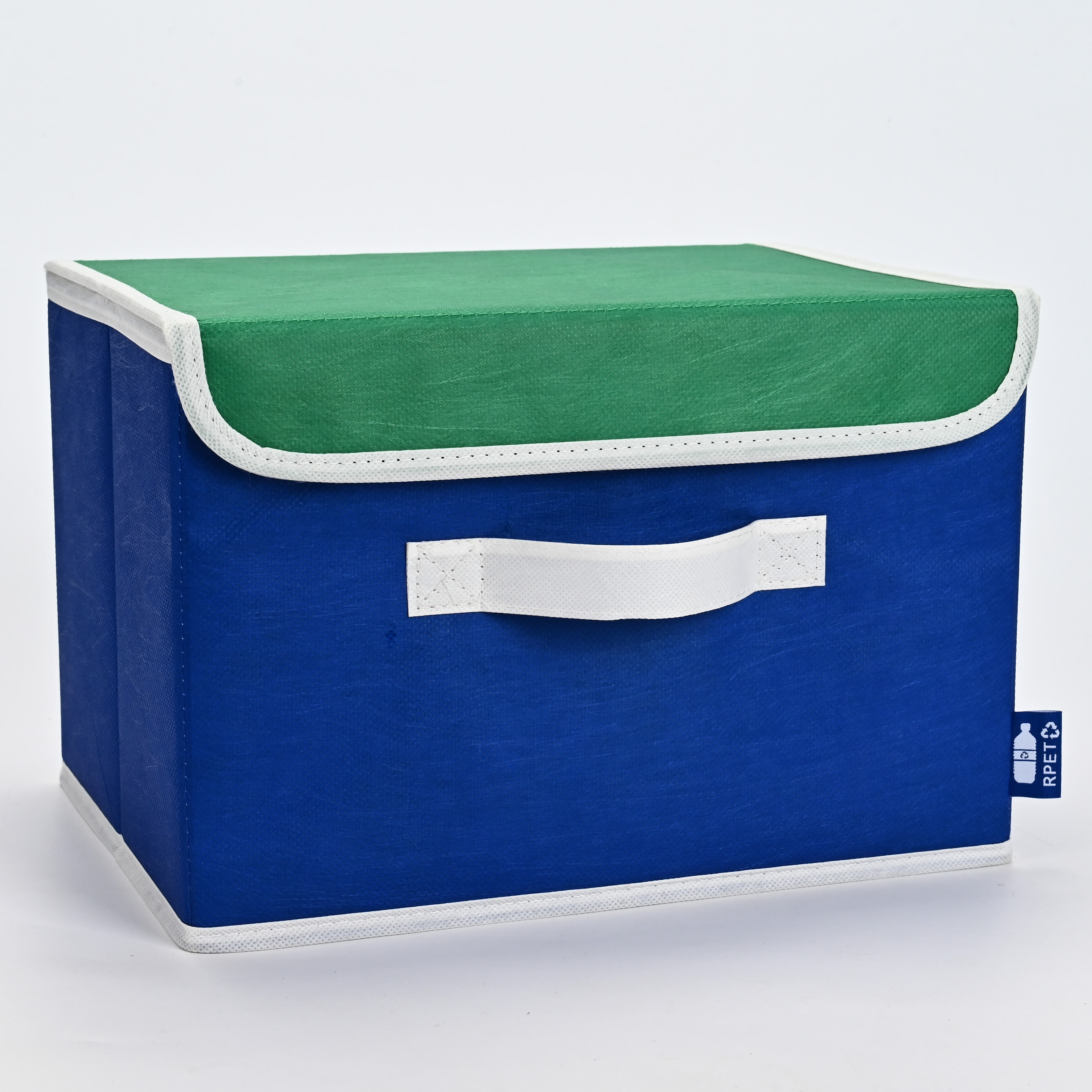
Modern storage solutions have become essential for maintaining organized spaces in both residential and commercial environments. A well-maintained storage box serves as the foundation for efficient organization systems, protecting valuable items while maximizing available space. Whether you're dealing with seasonal clothing, important documents, or inventory management, understanding proper maintenance techniques ensures your storage containers remain functional and durable for years to come. The key to successful long-term storage lies in implementing systematic care routines that preserve both the container's structural integrity and its contents' condition.

Professional organizers and storage specialists consistently emphasize the importance of regular maintenance protocols for storage containers. A properly cared-for storage box not only extends its usable lifespan but also maintains optimal protection for stored items. This comprehensive approach to maintenance involves understanding material properties, environmental factors, and usage patterns that affect container performance over time.
Essential Cleaning Techniques for Storage Containers
Deep Cleaning Procedures
Regular deep cleaning represents the cornerstone of effective storage box maintenance. Begin by completely emptying your storage container and removing any loose debris or dust particles. Use a soft-bristled brush or microfiber cloth to gently scrub interior surfaces, paying particular attention to corners and crevices where dirt typically accumulates. For plastic containers, a mild soap solution works effectively without damaging the material's surface integrity.
When cleaning fabric-based storage solutions, vacuum the interior thoroughly before applying any liquid cleaning agents. Test cleaning products on an inconspicuous area first to prevent discoloration or material damage. Allow adequate drying time between cleaning and storage to prevent moisture-related issues that could compromise both the container and its future contents.
Surface Protection Strategies
Protecting exterior surfaces requires different approaches depending on your storage box material composition. Plastic containers benefit from UV-protective treatments when stored in areas with direct sunlight exposure. Apply specialized plastic protectants using circular motions, ensuring even coverage across all exterior surfaces. These treatments help prevent cracking, fading, and brittleness that commonly affect untreated containers over extended periods.
For metal storage containers, regular inspection for rust spots or corrosion becomes crucial. Address any signs of oxidation immediately using appropriate rust removal products, followed by protective coating applications. This proactive approach prevents minor surface issues from developing into structural problems that could compromise the entire container's functionality.
Environmental Considerations for Optimal Storage
Temperature and Humidity Management
Environmental conditions significantly impact storage box longevity and performance. Extreme temperature fluctuations cause materials to expand and contract repeatedly, potentially leading to stress fractures or warping. Maintain storage areas within moderate temperature ranges, ideally between 60-75 degrees Fahrenheit, to minimize thermal stress on container materials.
Humidity control proves equally important for preserving both containers and contents. High moisture levels promote mold growth, material degradation, and corrosion in metal components. Use dehumidifiers or moisture-absorbing products in storage areas where humidity levels consistently exceed 50 percent. Monitor humidity levels regularly using digital hygrometers to ensure optimal storage conditions.
Location Selection and Positioning
Strategic positioning of your storage box collection maximizes accessibility while minimizing environmental exposure risks. Avoid placing containers directly on concrete floors, which can transfer moisture and cause bottom deterioration over time. Instead, use wooden pallets, shelving systems, or moisture barriers to create adequate airflow beneath stored containers.
Consider proximity to heat sources, windows, and high-traffic areas when determining optimal storage locations. Direct sunlight exposure accelerates material degradation, while excessive heat from furnaces or water heaters can cause warping or melting in plastic containers. Choose locations with consistent environmental conditions and minimal disturbance to ensure long-term storage success.
Structural Integrity Assessment and Repair
Regular Inspection Protocols
Implementing systematic inspection routines helps identify potential issues before they compromise your storage box functionality. Examine hinges, latches, and closure mechanisms for signs of wear or damage during each use. Loose hardware should be tightened promptly, while damaged components require immediate replacement to maintain secure storage capabilities.
Check for cracks, tears, or deformation in container walls and bottoms that could indicate structural weakness. Small cracks often expand under load, potentially leading to catastrophic failure and content damage. Document any findings with photographs and dates to track degradation patterns over time, enabling proactive replacement decisions.
Preventive Repair Techniques
Address minor damages promptly using appropriate repair materials and techniques. Small cracks in plastic containers can often be repaired using plastic welding techniques or specialized adhesives designed for the specific material type. Clean the damaged area thoroughly before applying repair materials to ensure proper adhesion and lasting results.
For fabric storage boxes, small tears can be reinforced using iron-on patches or fabric adhesives. Choose repair materials that match the original container's color and texture as closely as possible to maintain aesthetic appeal. Properly executed repairs can extend container lifespan significantly while maintaining structural integrity.
Loading and Usage Best Practices
Weight Distribution Principles
Proper loading techniques directly impact storage box longevity and performance. Distribute weight evenly across the container's bottom surface to prevent stress concentrations that could cause structural failure. Heavy items should be placed at the bottom, with lighter materials layered on top to maintain stability and prevent crushing damage to delicate contents.
Avoid exceeding manufacturer-specified weight limits, which are designed to ensure safe operation under normal conditions. Overloading not only risks container damage but also creates safety hazards during handling and transportation. Use multiple containers for heavy items rather than attempting to maximize individual container capacity beyond recommended limits.
Handling and Transportation Guidelines
Proper handling techniques minimize wear and tear during regular use. Lift containers using proper body mechanics, keeping loads close to your body and avoiding twisting motions while carrying. For heavier storage boxes, use dollies or hand trucks to reduce physical strain and prevent dropping accidents that could damage both container and contents.
When stacking containers, ensure bottom units can support the combined weight of all stacked items. Use spacers or protective padding between stacked containers to prevent scratching and distribute loads more evenly. Label all containers clearly to minimize unnecessary handling while searching for specific items.
Seasonal Maintenance Schedules
Quarterly Inspection and Cleaning
Establish regular maintenance schedules based on usage frequency and environmental conditions. Quarterly inspections work well for most storage applications, allowing early detection of developing issues while maintaining manageable maintenance workloads. During each inspection, document container conditions, noting any changes from previous evaluations.
Seasonal deep cleaning coincides naturally with content rotation cycles, making this an ideal time for thorough container maintenance. Remove all items, inspect thoroughly, clean completely, and make any necessary repairs before restocking. This approach ensures your storage box collection remains in optimal condition year-round.
Long-Term Preservation Strategies
Develop long-term preservation plans that account for changing storage needs and environmental conditions. Consider rotating containers periodically to ensure even wear patterns and prevent prolonged stress in specific areas. Document maintenance activities and container performance over time to identify patterns and optimize future care strategies.
Plan for eventual replacement by monitoring container condition trends and budgeting for new units as needed. Proactive replacement prevents unexpected failures that could damage valuable stored items or create organizational disruptions during critical periods.
FAQ
How often should I clean my storage containers
The cleaning frequency for your storage box depends on usage patterns and environmental conditions. Generally, containers used monthly should be cleaned quarterly, while those accessed less frequently can be cleaned semi-annually. However, containers storing food items, chemicals, or moisture-sensitive materials require more frequent cleaning to prevent contamination and maintain safe storage conditions.
What cleaning products are safe for different container materials
Material-specific cleaning products ensure effective maintenance without causing damage. Plastic containers respond well to mild soap solutions and water, while avoiding harsh chemicals that could cause cracking or discoloration. Fabric storage boxes should be cleaned with gentle detergents and thoroughly dried to prevent mold growth. Metal containers benefit from specialized cleaners that remove rust while providing protective coatings.
How can I prevent pest infestations in stored containers
Preventing pest infestations requires a multi-layered approach focusing on cleanliness and exclusion. Ensure your storage box is completely clean before storing items, as food residues attract insects and rodents. Use airtight containers when possible, and regularly inspect storage areas for signs of pest activity. Consider using natural deterrents like cedar blocks or diatomaceous earth for additional protection without chemical exposure.
When should I replace rather than repair a damaged container
Replacement becomes necessary when repair costs exceed replacement value or when structural damage compromises the storage box safety and functionality. Large cracks, broken hinges, or significant warping typically indicate the need for replacement. Additionally, containers showing signs of mold, persistent odors, or chemical contamination should be replaced immediately to protect stored items and user health.